CU Samgak Gimbap Sorbet (Korea): Calories, Nutrition and Health Benefits
The CU Samgak Gimbap Sorbet is a viral Korean convenience store frozen dessert launched by BGF Retail in April 2026. It is molded in the exact triangular shape of a samgak gimbap rice ball — seaweed-style outer coating and all — but the interior is a refreshing fruit sorbet made on an actual rice base with embedded rice grains for texture. At approximately 90 calories, 0 g fat, and 22 g carbs per piece, it is significantly lighter than traditional ice cream and perfectly captures Korea's 2026 'hyperrealism' snack trend, where desserts mimic savory street foods.
Quick Nutrition Facts
Per 1 piece
| Nutrient | Amount |
|---|---|
| Calories | 90 kcal |
| Protein | 1g |
| Carbohydrates | 22g |
| Fiber | 0g |
| Sugars | 18g |
| Fat | 0g |
| Sodium | 35 mg |
Macronutrient Breakdown
 ChatGPT
  Claude
  AI Mode
  Perplexity
NUTRITIONIST'S INSIGHT
The CU Samgak Gimbap Sorbet is a clever nutritional illusion: it looks indulgent but clocks in at just 90 kcal and zero fat per piece — well below a standard ice cream bar. For calorie-conscious consumers, that is genuinely attractive. However, the sorbet format is a double-edged sword from a glycemic standpoint. Because it contains no fat and only 1 g of protein, the 22 g of carbohydrates (18 g of which are sugars) digest rapidly, triggering a faster and more pronounced blood sugar spike than a comparably sweet ice cream that contains fat. Research on dietary fat and gastric emptying confirms that fat slows carbohydrate absorption; its near-total absence in sorbet accelerates it. For people managing blood glucose — including those with type 2 diabetes, pre-diabetes, or insulin resistance — treating sorbet as 'safe because it's low fat' is a common and problematic oversimplification. The rice grains embedded in the product add a small amount of resistant starch, which provides a mild moderating effect, but not enough to meaningfully blunt the glycemic response. The seaweed coating contributes negligible iodine and fiber at this serving size. As an occasional summer treat, the 90-calorie portion is well-controlled; the risk is that the fun format encourages eating multiple pieces, which compounds the sugar load quickly.
Myth Busters
MYTH #1: The Samgak Gimbap Sorbet is as fattening as regular ice cream
TRUTH: At 90 kcal and 0 g fat per piece, the Samgak Gimbap Sorbet contains roughly 60–70% fewer calories than a standard Korean convenience store ice cream bar (typically 200–280 kcal). The sorbet base contains no cream or milk fat, making it one of the lightest frozen dessert options at CU. The 'looks like junk food' hyperrealism aesthetic is deliberately misleading — the nutritional profile is actually much lighter than traditional gimbap (which uses real rice and fillings) or conventional ice cream. CU Hyperrealism Ice Cream Launch — Triangular Gimbap Sorbet and Carrot Crumble Cone (Maeil Kyungje / MK, April 2026); USDA FoodData Central — Sherbet / Fruit Sorbet Nutrient Reference (FDC ID 2103897)
MYTH #2: Because it contains rice, the sorbet is a good source of carbohydrates for energy
TRUTH: While the rice grains embedded in the sorbet are genuine cooked rice, the quantity is minimal — primarily a textural element rather than a meaningful carbohydrate source beyond the sorbet's sugar content. The 22 g of total carbs per piece are mostly added sugars (approximately 18 g), not the complex starch you'd get from eating actual samgak gimbap (which delivers ~30–40 g of complex carbohydrates from rice). For sustained energy, a real rice meal far outperforms this frozen novelty. USDA FoodData Central — Sherbet / Fruit Sorbet Nutrient Reference (FDC ID 2103897); Glycemic index of sweet foods: a systematic review (PMC, Augustin et al. 2015)
MYTH #3: Sorbet is safe for diabetics because it contains no fat
TRUTH: The absence of fat in fruit sorbet is frequently misread as a license for people managing blood sugar to eat freely. In reality, fat slows gastric emptying and blunts post-meal glucose excursions. Without fat or protein to moderate digestion, the 18 g of sugar in one piece of Samgak Gimbap Sorbet hits the bloodstream relatively quickly. Research on glycemic index confirms fruit-flavored sorbets typically carry a GI of 65–75 — higher than many full-fat ice creams. Diabetic individuals should count sorbet carbohydrates carefully, not assume it's a free food. Glycemic index of sweet foods: a systematic review (PMC, Augustin et al. 2015); Effect of fat on gastric emptying of and glycemic response to a carbohydrate meal (American Journal of Clinical Nutrition, 1984)
MYTH #4: The seaweed coating adds meaningful nutritional value
TRUTH: The seaweed-style outer layer of the Samgak Gimbap Sorbet is a thin decorative coating designed for visual hyperrealism — not a nutritional ingredient. At the quantities present in a single 85 g sorbet piece, the seaweed contributes negligible fiber, iodine, or minerals. Compare this with a real sheet of nori used in samgak gimbap (approximately 2–3 g dried seaweed per ball), which provides ~10–30 mcg iodine. The seaweed on the sorbet is a prop, not a supplement. Beyond Banana Milk: 6 Viral Korean Snacks to Buy in 2026 — Hyper-Realism Ice Creams section (KCulture.com, April 2026); Samgak Gimbap: South Korea's Most Iconic Convenience Store Food (The Culture Trip)
MYTH #5: Viral food trends like this are always full of artificial ingredients and preservatives
TRUTH: BGF Retail's hyperrealism products — including the Samgak Gimbap Sorbet — were developed as premium convenience store items meant to compete with cafés. The product uses actual rice base, real fruit flavoring, and a water-ice (sorbet) format rather than a cream ice cream base. While the ingredient list includes emulsifiers and stabilizers standard to commercially produced sorbets (such as locust bean gum or guar gum), the absence of artificial cream alternatives or synthetic colorants reflects the premium positioning. That said, published full ingredient lists are not available for independent verification. CU Hyperrealism Ice Cream Launch — Triangular Gimbap Sorbet and Carrot Crumble Cone (Maeil Kyungje / MK, April 2026); CU Launches 'LalaSweet Ddeumbbuk Bar' Fruit Ice Cream — BGF Retail Press Release (Asia Business Daily, May 2026)
NutriScore by Health Goals
| Health Goal | NutriScore | Why This Score? |
|---|---|---|
| Weight Loss |  | At 90 kcal and 0 g fat, a single piece of Samgak Gimbap Sorbet is a genuinely low-calorie frozen treat — a smart swap for higher-calorie ice cream when a dessert craving strikes. The main caveat is that the fun, novelty format makes it easy to eat multiple pieces. The 18 g of sugar per piece also produce a post-meal hunger rebound faster than a fat-containing snack would, which can trigger overconsumption if willpower is the sole control mechanism. Glycemic index of sweet foods: a systematic review (PMC, Augustin et al. 2015); Effect of fat on gastric emptying of and glycemic response to a carbohydrate meal (American Journal of Clinical Nutrition, 1984) |
| Muscle Gain |  | With only 1 g of protein per piece and no fat, the Samgak Gimbap Sorbet provides essentially no building blocks for muscle repair or synthesis. The simple sugar carbohydrates offer a quick glycogen replenishment window post-workout, but for muscle gain this product should be viewed purely as an occasional dessert — not a recovery food. USDA FoodData Central — Sherbet / Fruit Sorbet Nutrient Reference (FDC ID 2103897) |
| Heart Health |  | Zero saturated fat, zero cholesterol, and only 35 mg sodium make the Samgak Gimbap Sorbet one of the most cardiovascular-neutral frozen desserts available at a convenience store. There is nothing in the nutritional profile that would adversely affect lipid panels, blood pressure, or arterial health at one-serving consumption. This is one of its genuine nutritional strengths. USDA FoodData Central — Sherbet / Fruit Sorbet Nutrient Reference (FDC ID 2103897); Effect of fat on gastric emptying of and glycemic response to a carbohydrate meal (American Journal of Clinical Nutrition, 1984) |
| Blood Sugar Control | 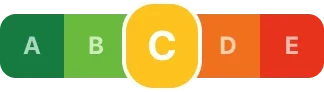 | The GI of fruit sorbet (~65–75) and the absence of fat or protein to moderate sugar absorption make this a moderate-risk food for blood sugar management. One piece is a controlled 18 g sugar dose, but the rapid digestion means glucose peaks quickly. Individuals with diabetes or pre-diabetes should pair this with a protein source or factor it precisely into their carbohydrate budget. Glycemic index of sweet foods: a systematic review (PMC, Augustin et al. 2015); Effect of fat on gastric emptying of and glycemic response to a carbohydrate meal (American Journal of Clinical Nutrition, 1984) |
| Energy | | The sorbet delivers fast-digesting sugars that provide a quick energy boost — ideal before light activity or as a refreshing afternoon pick-me-up. The 90-calorie portion is enough to lift alertness and blood glucose without a heavy calorie load. Energy duration is short (30–60 minutes) because there is no fat or protein to sustain it. USDA FoodData Central — Sherbet / Fruit Sorbet Nutrient Reference (FDC ID 2103897); Glycemic index of sweet foods: a systematic review (PMC, Augustin et al. 2015) |
| Gut Health | | The Samgak Gimbap Sorbet contains 0 g of dietary fiber and no probiotics. The seaweed coating, while a fermentable prebiotic in larger quantities, is too thin here to meaningfully feed gut microbiota. The added sugars at 18 g per piece can feed less beneficial bacteria if consumed regularly. Occasional consumption poses no gut health risk, but it should not be counted as a gut-supportive food. USDA FoodData Central — Sherbet / Fruit Sorbet Nutrient Reference (FDC ID 2103897) |
PERSONALIZED NUTRITION
Track your meals with NutriScan for personalized NutriScores based on your specific health goals!
Blood Sugar Response to CU Samgak Gimbap Sorbet (Korea)
Understanding how CU Samgak Gimbap Sorbet (Korea) affects blood glucose can help with timing and meal pairing. Glycemic index of sweet foods: a systematic review (PMC, Augustin et al. 2015); Effect of fat on gastric emptying of and glycemic response to a carbohydrate meal (American Journal of Clinical Nutrition, 1984)
Typical Glucose Response Curve
**Not medical advice**
How to flatten the spike
- Keep the portion to the labelled serving and avoid eating straight from the bag or tray.
- Pair it with a protein or fibre source, such as Greek yogurt, eggs, lentils, beans, salad, or edamame, when you want steadier appetite and glucose control.
- Avoid pairing it with sugary drinks; choose water, unsweetened tea, or coffee so the snack does not become a larger sugar load.
Cultural Significance
Samgak gimbap — the triangular, seaweed-wrapped rice ball — is the most recognizable food of Korean convenience store culture. Introduced by CU's parent company BGF Retail in the 1990s, it became a symbol of Korea's 'ppalli ppalli' (빨리빨리, hurry-hurry) lifestyle: nutritious, portable, and available 24 hours a day. By 2026, Korean convenience stores had evolved into legitimate culinary destinations with celebrity chef collaborations and premium product lines, and the Samgak Gimbap Sorbet embodies that evolution. CU's hyperrealism design philosophy — making a dessert look indistinguishable from a savory staple — taps into Generation MZ's deep familiarity with the original rice ball while delivering a playful subversion of expectations. The product's viral spread on Instagram and TikTok mirrors the broader K-food global wave, where visually distinctive Korean food moments generate millions of views. The sorbet's success (selling out at CU stores by 2 PM daily during peak periods) reflects how Korean convenience store brands now deliberately engineer 'Instagrammability' as a core product attribute.
Compare & Substitute
CU Samgak Gimbap Sorbet (Korea) vs Similar Foods
| Nutrient | CU LalaSweet Ddeumbbuk Bar | Fresh whole fruit (mango, peach, or lychee) | Greek yogurt frozen bar (plain, unsweetened) | Real samgak gimbap (tuna or vegetable) |
|---|---|---|---|---|
| Calories | 150 kcal | 70 kcal | 180 kcal | 240 kcal |
| Protein | 4g | 1g | 14g | 30g |
| Carbohydrates | 20g | 17g | 24g | 3g |
| Fat | 6g | 0.4g | 4g | 12g |
Frequently Asked Questions
Does the CU Samgak Gimbap Sorbet actually taste like a rice ball?
No — the resemblance is entirely visual. The interior is a refreshing fruit-flavored sorbet (not savory rice), and the outer coating mimics seaweed in appearance but tastes sweet. Embedded rice grains create a slightly chewy texture reminiscent of real rice, but the overall flavor profile is distinctly dessert, not savory. BGF Retail designed this as a 'hyperrealism' novelty: the surprise of expecting savory and tasting sweet is the core appeal.
How many calories are in one CU Samgak Gimbap Sorbet?
Approximately 90 calories per piece (~85 g). This is significantly lower than most convenience store ice cream products, which typically range from 180–300 calories. The sorbet base contains no cream or fat, which keeps the calorie count low. The primary macronutrient is carbohydrates (22 g, mostly from sugars), with 1 g protein and 0 g fat.
Is the CU Samgak Gimbap Sorbet vegan-friendly?
The product uses a sorbet (water-ice) base rather than a cream base, which means it contains no dairy or eggs — making it suitable for most vegan diets. The seaweed-style coating is plant-derived. However, BGF Retail has not issued an official vegan certification for this product, and the full ingredient list should be checked on the packaging for any hidden animal-derived emulsifiers or colorants before consuming if strict veganism is a concern.
Where can I buy the CU Samgak Gimbap Sorbet outside Korea?
As of 2026, the product is sold exclusively at CU convenience stores across South Korea and is not available for international export through official channels. Korean convenience store-themed pop-up shops, Korean grocery importers, or travelers bringing it back from Korea are currently the only ways to access it abroad. BGF Retail has not announced international distribution for this specific hyperrealism product line.
Is it OK to eat multiple pieces at once?
Each piece contains 90 calories and 18 g of sugar. Two pieces bring the total to 180 calories and 36 g of sugar — approaching the American Heart Association's daily recommended limit for added sugar (25 g for women, 36 g for men) in just one snack. For calorie-controlled or blood-sugar-sensitive diets, one piece is a reasonable treat; two or more pieces starts to accumulate sugar load quickly and can cause a noticeable glucose spike followed by an energy crash.
How does the Samgak Gimbap Sorbet compare nutritionally to a real samgak gimbap rice ball?
A real samgak gimbap (tuna variety) typically contains 180–220 calories, 5–8 g protein, 35–40 g complex carbohydrates, and 3–5 g fat — making it a genuine meal that provides sustained energy. The sorbet version has 90 calories, 1 g protein, 22 g mostly-sugar carbohydrates, and 0 g fat — a dessert, not a meal replacement. The visual similarity is the entire point of the 'hyperrealism' concept; nutritionally, these two products are in entirely different categories.




Similar Nutritious Foods
4505 Chicharrones Classic Chili Salt
7 Eleven Japan Crispy Corn Cheese
Explore More Tools
AI Calorie Counter App - Snap a Photo, Get Macros
AI Nutritionist App That Reads Your Logged Meals
Best Protein Supplements for Women
Bulking Meal Plan App That Sets Your Surplus
ChatGPT Calorie Counter Alternative That Keeps the Total
ChatGPT Diet Plan Alternative That Tracks What You Eat
ChatGPT Weight Loss Coach Alternative With a Food Log
Fast Food Calorie Counter App That Reads the Tray
Free Calorie Tracker App with AI Photo Scans | NutriScan
Indian Diet Plan App With Veg and Non Veg Meals
Indian Food Calorie Calculator - Get Instant Nutrition Facts for Desi Meals — 2026
Intermittent Fasting for Women, Timer and Meal Log App
Intermittent Fasting Tracker App - Free Fasting Timer
Macro Tracker App That Fills the Numbers From a Photo
Mediterranean Diet Meal Plan App That Counts the Oil
Micronutrient Tracker App for Vitamins and Minerals
MyFitnessPal Alternative That Stays Free | NutriScan
NutriScore App: A Free Grade on Every Meal | NutriScan
Nutrition Label Scanner App for the Amount You Ate
Second Trimester Protein Guide
Vegetarian Meal Plan App With a Protein Target
Voice Calorie Counter - Speak to Track Meals Hands-Free
Water and Calorie Tracker App - Free Water Log