Domino's Thin Crust Pepperoni Pizza: Calories, Nutrition and Health Benefits
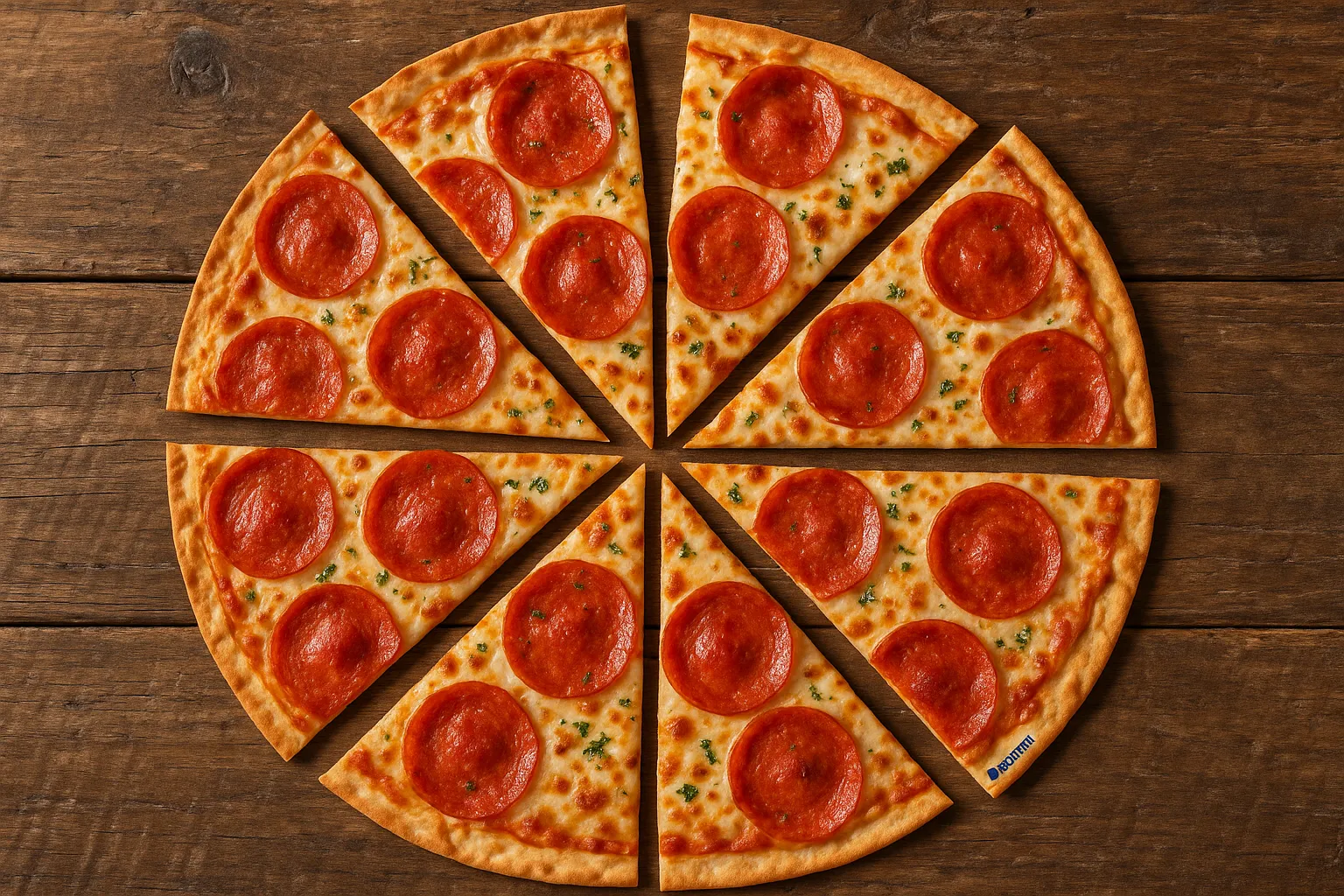
Crispy thin crust topped with savory pepperoni and melted mozzarella — a lighter pizza option with 30% fewer calories than hand tossed.
Quick Nutrition Facts
Per 1 Slice (1/8 Medium 12" Pizza, 71g)
| Nutrient | Amount |
|---|---|
| Calories | 215 kcal |
| Protein | 10g |
| Carbohydrates | 19g |
| Fiber | 1g |
| Sugars | 2g |
| Fat | 11g |
| Saturated Fat | 4.5g |
| Sodium | 480mg |
| Calcium | 150mg |
| Iron | 1.5mg |
Macronutrient Breakdown
 ChatGPT
  Claude
  AI Mode
  Perplexity
NUTRITIONIST INSIGHT
Thin crust pizza provides 30% fewer calories and 40% fewer carbs compared to hand tossed, making it the better choice for weight management. The 10g protein per slice supports satiety when paired with vegetable toppings or a side salad.
Myth Busters
MYTH #1: All Pizza Is Unhealthy
TRUTH: Pizza can fit a balanced diet when choosing thin crust options. At 215 calories per slice with 10g protein, thin crust provides better macronutrient ratios than many fast food alternatives. Limit to 1-2 slices with vegetable sides.
MYTH #2: Pepperoni Pizza Has No Nutritional Value
TRUTH: Each slice provides 10g protein, 150mg calcium for bone health, and 1.5mg iron. While high in sodium (480mg), moderate consumption with balanced meals fits most dietary patterns.
MYTH #3: Thin Crust Is Just Regular Pizza With Less Dough
TRUTH: Thin crust has 40% fewer carbs (19g vs 34g) and 30% fewer calories (215 vs 290) per slice compared to hand tossed. This significant reduction makes it a practical choice for carb-conscious eating and portion control.
MYTH #4: You Can't Eat Pizza on a Diet
TRUTH: Weight loss depends on total daily calories, not specific foods. One slice of thin crust (215 calories) fits easily into a 1,500-2,000 calorie diet when balanced with protein and vegetables throughout the day.
MYTH #5: Cheese on Pizza Causes Weight Gain
TRUTH: The mozzarella cheese provides protein (10g per slice) and calcium (150mg). Weight gain comes from excess calories overall, not cheese specifically. Choose thin crust and limit portions to 1-2 slices.
MYTH #6: Pizza Is Too High in Sodium
TRUTH: At 480mg per slice, sodium is moderate but manageable. Most adults need less than 2,300mg daily; two slices (960mg) leave room for other meals when choosing low-sodium options throughout the day. Drink water and balance with fresh vegetables.
NutriScore by Health Goals
| Health Goal | NutriScore | Why This Score? |
|---|---|---|
| Weight Loss |  | 215 calories per slice, 30% fewer than hand tossed. Limit to 1-2 slices with salad for balanced 400-500 calorie meal. |
| Muscle Gain |  | 10g protein per slice supports muscle recovery. Pair with chicken toppings for 13-15g protein per slice, eat post-workout. |
| Diabetes Management | | 19g carbs (40% less than regular crust), moderate glycemic load. Limit to 1 slice, pair with protein-rich side, monitor blood sugar. |
| PCOS Management |  | Refined flour affects insulin sensitivity. Occasional treat only (once weekly), limit to 1 slice, add vegetables and lean protein. |
| Pregnancy Nutrition | | Provides calcium (150mg), protein (10g), and iron (1.5mg). High sodium; limit to 1-2 slices weekly, choose vegetable toppings for more folate. |
| Viral/Flu Recovery | | High sodium (480mg) may cause dehydration. Better choices: chicken soup, fruits, whole grains for immune support during illness. |
PERSONALIZED NUTRITION
Track your meals with NutriScan for personalized NutriScores based on your specific health goals!
Blood Sugar Response to Thin Crust Pizza
Understanding how thin crust pizza affects your blood glucose helps you make informed portion and pairing decisions.
Typical Glucose Response Curve
This chart shows typical blood glucose response for general healthy individuals. Individual responses may vary. Not medical advice.
How to Flatten the Spike
Pairing pizza with protein and fiber slows glucose absorption and reduces the peak blood sugar level:
- 🥗 Garden salad with olive oil - Adds fiber and healthy fats before pizza
- 🍗 Grilled chicken wings - Extra protein balances carbohydrates
- 🥒 Raw vegetables (carrots, celery, bell peppers) - Fiber slows digestion
- 🥛 Glass of milk or protein shake - Protein blunts glucose spike
Eating vegetables first, then protein, then pizza creates the most gradual blood sugar rise and better satiety.
Cultural Significance
Pepperoni pizza is an American innovation that has become the most popular pizza variety worldwide, representing 36% of all pizza orders in the United States.
Pizza Evolution:
- Thin crust style originated in New York and New Haven in early 1900s
- Domino's introduced thin crust nationally in 1993 as a lighter option
- Thin crust represents growing demand for portion-controlled fast food
- Now available in 90+ countries with regional adaptations
In American Culture:
- Most ordered pizza variety for over 50 years
- Symbol of convenience and social dining
- Thin crust appeals to health-conscious consumers seeking lower-calorie options
- Pizza industry generates over $145 billion annually worldwide
Compare & Substitute
Domino's Thin Crust Pepperoni vs Other Pizza Options (Per Slice)
| Nutrient | 🍕 Thin Crust Pepperoni | 🍕 Hand Tossed Pepperoni | 🍕 Pan Pepperoni | 🍕 Thin Crust Veggie |
|---|---|---|---|---|
| Calories | 215 kcal | 290 kcal | 330 kcal | 180 kcal |
| Carbs | 19g | 34g | 36g | 20g |
| Fiber | 1g | 2g | 2g | 2g |
| Protein | 10g | 11g | 11g | 8g |
| Fat | 11g | 11g | 16g | 8g |
| Sodium | 480mg | 670mg | 720mg | 380mg |
| Saturated Fat | 4.5g | 4.5g | 6g | 3g |
| Best For | Weight loss, low-carb | Balanced meal | Indulgent treat | Lowest calorie |
Frequently Asked Questions
Is Domino's thin crust pepperoni pizza healthier than hand tossed?
Yes, thin crust is the healthier choice with 30% fewer calories (215 vs 290) and 40% fewer carbs (19g vs 34g) per slice. Protein content is similar (10g vs 11g), making thin crust better for weight loss, blood sugar control, and portion management while maintaining satiety.
Key advantages: Lower calorie density; reduced refined carbohydrates; easier to fit two slices into daily calorie budget; less blood sugar impact.
Can I eat Domino's thin crust pizza on a diet?
Yes, when eaten in moderation. Limit to 1-2 slices (215-430 calories) paired with a large garden salad for fiber and volume. Choose thin crust over hand tossed or pan to save 75-115 calories per slice.
Best practices: Eat as an occasional meal 1-2 times per week; add vegetable toppings for extra nutrients; drink water; avoid sugary sodas; balance other daily meals with lean protein and vegetables.
How much protein is in Domino's thin crust pepperoni pizza?
Each slice contains 10g of protein from mozzarella cheese and pepperoni. Two slices provide 20g protein, which is moderate but not sufficient as a complete meal for muscle gain.
For higher protein intake, add grilled chicken topping (+3g per slice), pair with chicken wings (6g per wing), or drink a protein shake alongside your pizza.
Is Domino's thin crust pizza good for diabetics?
Thin crust is better than regular crust due to 40% fewer carbs (19g vs 34g per slice), but pizza should still be limited for diabetics.
Diabetic guidelines: Limit to 1 slice per meal; pair with protein-rich food (grilled chicken, eggs) and non-starchy vegetables (salad, broccoli); avoid sugary drinks; monitor blood sugar 2 hours after eating; choose vegetable toppings over processed meats when possible.
Green peppers, mushrooms, and onions add fiber without extra carbs.
How many calories in a whole Domino's thin crust pepperoni pizza?
A medium 12-inch thin crust pepperoni pizza contains approximately 1,720 calories total (8 slices × 215 calories).
Serving recommendations: 1-2 slices for weight loss (215-430 calories); 2-3 slices for weight maintenance (430-645 calories); 3-4 slices for muscle gain or high activity (645-860 calories). Most people should treat pizza as part of a meal, not the entire meal.
What makes thin crust pizza better for weight loss?
Thin crust has significantly less dough, resulting in 75 fewer calories and 15g fewer carbs per slice compared to hand tossed. This allows better portion control while still enjoying pizza flavor and texture.
Weight loss benefits: Lower calorie density (3 calories per gram vs 4.1 for hand tossed); easier to fit into daily calorie budget; reduces refined carbohydrate intake; provides same protein and satisfaction with less volume; 50% fewer calories than pan pizza (215 vs 330).
Pair 2 slices with salad for a 500-calorie balanced meal.
How does thin crust compare to cauliflower crust?
Cauliflower crust typically has 130-150 calories per slice with similar carbs (12-15g) but is gluten-free and higher in fiber. However, Domino's thin crust provides more protein (10g vs 6g) and better texture.
Choose thin crust for: Better taste and texture; higher protein; lower cost; wider availability. Choose cauliflower for: Gluten sensitivity; slightly fewer calories; more vegetable content.


Similar Nutritious Foods
4505 Chicharrones Classic Chili Salt
7 Eleven Japan Crispy Corn Cheese
Explore More Nutrition Tools & Resources
AI Calorie Counter App - Snap a Photo, Get Macros
AI Nutritionist App That Reads Your Logged Meals
Best Protein Supplements for Women
Bulking Meal Plan App That Sets Your Surplus
ChatGPT Calorie Counter Alternative That Keeps the Total
ChatGPT Diet Plan Alternative That Tracks What You Eat
ChatGPT Weight Loss Coach Alternative With a Food Log
Fast Food Calorie Counter App That Reads the Tray
Free Calorie Tracker App with AI Photo Scans | NutriScan
Indian Diet Plan App With Veg and Non Veg Meals
Indian Food Calorie Calculator - Get Instant Nutrition Facts for Desi Meals — 2026
Intermittent Fasting for Women, Timer and Meal Log App
Intermittent Fasting Tracker App - Free Fasting Timer
Macro Tracker App That Fills the Numbers From a Photo
Mediterranean Diet Meal Plan App That Counts the Oil
Micronutrient Tracker App for Vitamins and Minerals
MyFitnessPal Alternative That Stays Free | NutriScan
NutriScore App: A Free Grade on Every Meal | NutriScan
Nutrition Label Scanner App for the Amount You Ate
Second Trimester Protein Guide
Vegetarian Meal Plan App With a Protein Target
Voice Calorie Counter - Speak to Track Meals Hands-Free
Water and Calorie Tracker App - Free Water Log