Dry Farm Wines: Calories, Nutrition and Health Benefits
A clean, organic red wine with only 110 calories per glass, zero sugar, and rich polyphenols for the health-conscious drinker.
Quick Nutrition Facts
Per 1 Glass (150ml)
| Nutrient | Amount |
|---|---|
| Calories | 110 kcal |
| Protein | 0g |
| Carbohydrates | 1g |
| Fiber | 0g |
| Sugars | 0g |
| Fat | 0g |
| Alcohol | 12.5g |
| Potassium | 127mg |
| Iron | 0.5mg |
| Magnesium | 13mg |
Macronutrient Breakdown
 ChatGPT
  Claude
  AI Mode
  Perplexity
NUTRITIONIST INSIGHT
Dry Farm Wines deliver the polyphenol benefits of red wine with significantly fewer calories and zero residual sugar. The lower alcohol content (under 12.5% ABV) means fewer empty calories, making it one of the cleanest wine options available for mindful drinkers.
Myth Busters
MYTH #1: All Red Wine Is High in Calories
TRUTH: Calorie content varies significantly by wine. Dry Farm Wines contain approximately 110 calories per glass compared to 125-150+ for conventional red wines. Lower alcohol and zero sugar are the key differences.
MYTH #2: "Sugar-Free" Wine Is Just Marketing
TRUTH: Dry Farm Wines are fully fermented, meaning native yeasts convert all grape sugars into alcohol. Independent lab testing confirms less than 1g sugar per liter, compared to 2-20g/L in conventional wines.
MYTH #3: Red Wine Is Bad for Diabetics
TRUTH: Research shows moderate red wine consumption does not adversely affect glycemic control in type 2 diabetics. Sugar-free wines like Dry Farm Wines may be a better option than conventional wines with residual sugar.
MYTH #4: Organic Wine Tastes Worse
TRUTH: Organic and biodynamic farming focuses on terroir expression. Dry Farm Wines sources from small family farms across Europe using traditional methods that often produce more complex, nuanced flavors than mass-produced alternatives.
MYTH #5: Wine Has No Nutritional Value
TRUTH: Red wine contains polyphenols and resveratrol with antioxidant and anti-inflammatory properties. A glass also provides potassium (127mg), iron (0.5mg), and magnesium (13mg). However, these benefits require moderation.
NutriScore by Health Goals
| Health Goal | NutriScore | Why This Score? |
|---|---|---|
| Weight Loss |  | Only 110 calories with zero sugar. Lower alcohol means fewer empty calories. Limit to 1 glass per day. |
| Muscle Gain |  | No protein, minimal carbs for recovery. Alcohol can impair muscle protein synthesis. Not ideal post-workout. |
| Diabetes Management | | Zero residual sugar, minimal carbs. Research shows moderate wine does not impair glycemic control. Always pair with food and monitor glucose. |
| PCOS Management | 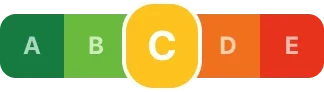 | No sugar helps avoid insulin spikes, but alcohol can affect hormone balance. Limit to occasional consumption. |
| Pregnancy Nutrition |  | No amount of alcohol is safe during pregnancy. Completely avoid wine and all alcoholic beverages. |
| Viral/Flu Recovery | | Alcohol dehydrates and suppresses immune function. Avoid during illness. Choose water, herbal tea, or broth instead. |
PERSONALIZED NUTRITION
Track your meals with NutriScan for personalized NutriScores based on your specific health goals!
Blood Sugar Response to Dry Farm Wines
Understanding how wine affects your blood glucose can help you make informed decisions about when and how to enjoy it.
Typical Glucose Response Curve
*This chart shows typical blood glucose response for general healthy individuals. Individual responses may vary. Not medical advice.*
How to Flatten the Spike
Pairing wine with protein or healthy fat slows glucose absorption and supports stable blood sugar:
- 🧀 Cheese or charcuterie - Protein and fat buffer any glucose response
- 🥜 Mixed nuts (almonds, walnuts) - Healthy fats and fiber
- 🫒 Olives or olive tapenade - Monounsaturated fats support heart health
- 🥩 Grilled lean protein - Pair with dinner for optimal absorption
This combination not only stabilizes blood sugar but also slows alcohol absorption, supporting more mindful consumption.
Cultural Significance
Wine is one of humanity's oldest beverages, with evidence of grape fermentation dating back over 8,000 years to the South Caucasus region.
Natural Wine Movement:
- Return to ancestral winemaking: no additives, native yeast, minimal intervention
- Dry Farm Wines sources from small, family-owned European vineyards
- Biodynamic and organic farming preserves biodiversity and soil health
- Movement has grown significantly since 2010, driven by health-conscious consumers
Global Wine Traditions:
- France, Italy, and Spain account for over 50% of world wine production
- Indian wine industry growing rapidly, with regions like Nashik and Karnataka gaining recognition
- Wine plays ceremonial roles across Christianity, Judaism, and ancient Greek traditions
- Mediterranean cultures have consumed moderate wine with meals for millennia
Compare & Substitute
Dry Farm Wines vs Other Alcoholic Beverages (Per Serving)
| Nutrient | 🍷 Dry Farm Wines (150ml) | 🍷 Regular Red Wine (150ml) | 🍺 Light Beer (355ml) | 🥃 Vodka Soda (45ml+soda) |
|---|---|---|---|---|
| Calories | 110 kcal | 125 kcal | 103 kcal | 97 kcal |
| Carbs | 1g | 4g | 6g | 0g |
| Sugar | 0g | 1-2g | 0.3g | 0g |
| Protein | 0g | 0.1g | 0.9g | 0g |
| Alcohol | 12.5g | 16g | 11g | 14g |
| Potassium | 127mg | 187mg | 75mg | 1mg |
| Best For | Clean wine, keto/paleo | Polyphenols, casual dining | Low-cal social option | Lowest carb option |
Frequently Asked Questions
How many calories are in Dry Farm Wines?
A standard 150ml glass of Dry Farm Wines organic red contains approximately 110 calories. This is about 12-15% fewer calories than conventional red wines (125-150 calories) due to lower alcohol content and zero residual sugar.
Calorie breakdown: Nearly all calories come from alcohol (7 cal/gram), not sugar or carbs.
Is Dry Farm Wines good for weight loss?
Dry Farm Wines is one of the better wine options for weight-conscious drinkers. With 110 calories, less than 1g carbs, and zero sugar per glass, it fits keto, paleo, and low-carb diets.
Best practices: Limit to 1 glass per day, always consume with food, avoid late-night drinking which can disrupt sleep and metabolism.
Can diabetics drink Dry Farm Wines?
Moderate red wine consumption may be acceptable for some type 2 diabetics. Research published in Medicine journal found wine does not significantly affect fasting glucose, insulin, or HbA1c levels.
Tips for diabetics: Choose sugar-free wines, drink with meals only, monitor blood sugar 2 hours after, limit to 1 glass, and always consult your healthcare provider.
What makes Dry Farm Wines different from regular wine?
5 key differences set Dry Farm Wines apart from conventional wines:
- Sugar-free: Fully fermented with no residual sugar (vs 2-20g/L in conventional wines)
- Lower alcohol: Under 12.5% ABV (vs 13-16% for many reds)
- Organic farming: No pesticides, herbicides, or synthetic fertilizers
- No additives: No added sulfites, coloring agents, or flavor enhancers
- Lab tested: Every wine tested for sugar, alcohol, and purity standards
Does red wine have health benefits?
Red wine contains polyphenols and resveratrol with antioxidant and anti-inflammatory properties. However, Harvard's Nutrition Source notes that the safest amount of alcohol is likely close to zero, and non-drinkers should not start drinking for health benefits.
Bottom line: If you already drink wine, choosing a cleaner option like Dry Farm Wines may reduce exposure to additives and excess sugar.
Can I drink wine during pregnancy?
No. ACOG states that no amount of alcohol is safe during pregnancy. All types of alcohol, including organic wine, can cause fetal alcohol spectrum disorders. Completely avoid wine and all alcoholic beverages during pregnancy and while trying to conceive.
IMPORTANT NOTE
Alcohol consumption carries health risks. The information above is for educational purposes only. Always drink responsibly and consult your healthcare provider about alcohol consumption, especially if you have medical conditions.




Similar Nutritious Foods
4505 Chicharrones Classic Chili Salt
7 Eleven Japan Crispy Corn Cheese
Explore More Nutrition Tools & Resources
AI Calorie Counter App - Snap a Photo, Get Macros
AI Nutritionist App That Reads Your Logged Meals
Best Protein Supplements for Women
Bulking Meal Plan App That Sets Your Surplus
ChatGPT Calorie Counter Alternative That Keeps the Total
ChatGPT Diet Plan Alternative That Tracks What You Eat
ChatGPT Weight Loss Coach Alternative With a Food Log
Fast Food Calorie Counter App That Reads the Tray
Free Calorie Tracker App with AI Photo Scans | NutriScan
Indian Diet Plan App With Veg and Non Veg Meals
Indian Food Calorie Calculator - Get Instant Nutrition Facts for Desi Meals — 2026
Intermittent Fasting for Women, Timer and Meal Log App
Intermittent Fasting Tracker App - Free Fasting Timer
Macro Tracker App That Fills the Numbers From a Photo
Mediterranean Diet Meal Plan App That Counts the Oil
Micronutrient Tracker App for Vitamins and Minerals
MyFitnessPal Alternative That Stays Free | NutriScan
NutriScore App: A Free Grade on Every Meal | NutriScan
Nutrition Label Scanner App for the Amount You Ate
Second Trimester Protein Guide
Vegetarian Meal Plan App With a Protein Target
Voice Calorie Counter - Speak to Track Meals Hands-Free
Water and Calorie Tracker App - Free Water Log