Famichiki (FamilyMart Fried Chicken): Calories, Nutrition and Health Benefits
Japan's most iconic konbini snack: crispy fried chicken with savory seasoning, delivering convenience, protein, and satisfaction in every bite.
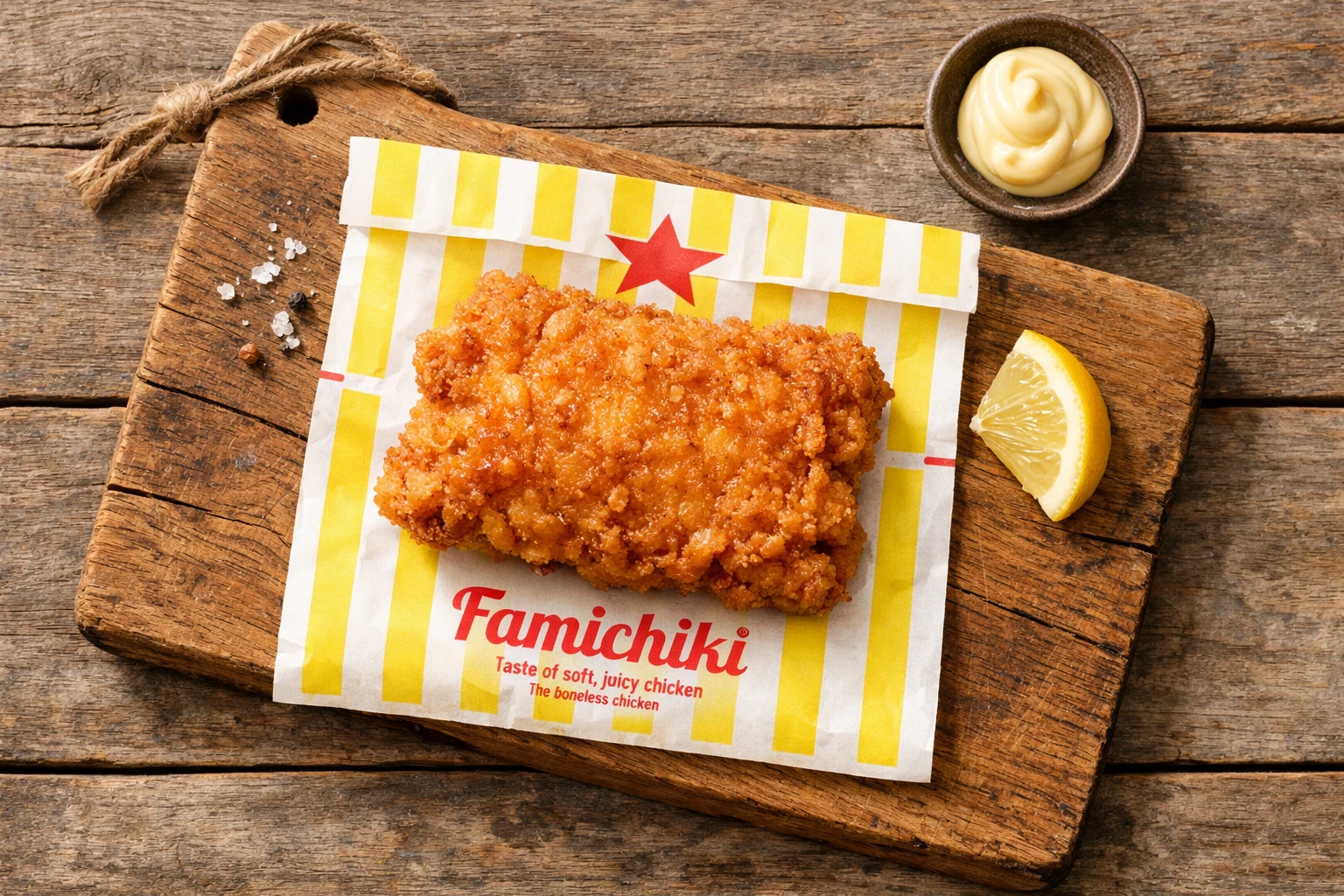
Quick Nutrition Facts
Per 1 Piece (80g)
| Nutrient | Amount |
|---|---|
| Calories | 252 kcal |
| Protein | 15g |
| Carbohydrates | 14g |
| Fiber | 0.5g |
| Sugars | 1g |
| Fat | 15g |
| Saturated Fat | 3.5g |
| Sodium | 580mg |
| Cholesterol | 65mg |
| Iron | 1.2mg |
Macronutrient Breakdown
 ChatGPT
  Claude
  AI Mode
  Perplexity
NUTRITIONIST INSIGHT
Famichiki offers 15g protein per piece with balanced macros. The crispy coating adds texture but increases calories; removing skin reduces fat by 30-40%. Best enjoyed occasionally as part of a balanced diet, not daily.
Myth Busters
MYTH #1: All Fried Chicken is Equally Unhealthy
TRUTH: Famichiki has 252 calories vs 300-400 for fast food chicken pieces. Japanese konbini standards ensure quality oil rotation and controlled portions. While still fried, it's portioned and less caloric than many alternatives.
MYTH #2: Fried Foods Provide No Nutritional Value
TRUTH: Famichiki provides 15g protein (30% daily value) plus B vitamins (B3, B6) for metabolism and iron for blood health. The chicken itself retains nutrients; the breading adds carbs and fat but doesn't negate protein content.
MYTH #3: You Should Never Eat Fried Food While Losing Weight
TRUTH: Portion control matters more than complete restriction. One Famichiki (252 cal) with vegetables and rice fits a 1,500-1,800 cal weight loss plan. Frequency is key: 1-2 times weekly, not daily.
MYTH #4: Konbini Food is Low Quality Junk Food
TRUTH: FamilyMart maintains strict quality standards with daily freshness checks and oil replacement schedules. While not as healthy as grilled chicken, it's made from real chicken breast/thigh with regulated ingredients, unlike many processed nuggets.
MYTH #5: Eating Fried Chicken Causes Instant Weight Gain
TRUTH: Weight gain requires sustained caloric excess. One Famichiki piece fits most daily budgets; the 15g fat is absorbed gradually and provides satiety. Daily consumption with sedentary lifestyle causes gain, not occasional treats.
MYTH #6: All Protein Sources Are Equal
TRUTH: While Famichiki provides 15g protein, it comes with 15g fat (60% of which is unsaturated). Grilled chicken offers similar protein with 3-5g fat. Choose based on goals: convenience and satisfaction vs optimal macros.
NutriScore by Health Goals
| Health Goal | NutriScore | Why This Score? |
|---|---|---|
| Weight Loss |  | 252 calories with 15g fat; remove skin to save 80+ calories. Limit to 1-2 times weekly. |
| Muscle Gain |  | 15g protein supports recovery, but fat content (15g) reduces efficiency compared to grilled chicken. |
| Diabetes Management | | Moderate 14g carbs with protein slows glucose spike. Remove breading, pair with vegetables. |
| PCOS Management | | High sodium (580mg) and saturated fat can worsen inflammation. Choose grilled alternatives. |
| Pregnancy Nutrition | | 15g protein supports fetal growth, but limit sodium and ensure chicken is fully cooked. |
| Viral/Flu Recovery | | Protein aids immune recovery, warmth soothes throat, but fried foods may slow digestion. Grilled chicken broth preferred. |
PERSONALIZED NUTRITION
Track your meals with NutriScan for personalized NutriScores based on your specific health goals!
Blood Sugar Response to Famichiki
Understanding how Famichiki affects blood glucose helps you make informed decisions about portion and timing.
Typical Glucose Response Curve
*This chart shows typical blood glucose response for general healthy individuals. Individual responses may vary. Not medical advice.*
How to Flatten the Spike
Pairing Famichiki with fiber and vegetables reduces the glucose peak and extends satiety:
- 🥗 Side salad with vinegar dressing - Fiber and acetic acid slow carb absorption
- 🥦 Steamed broccoli or green beans - Adds volume with minimal calories
- 🍚 Small portion of brown rice - Complex carbs provide sustained energy
- 🥤 Unsweetened green tea - Antioxidants and hydration without sugar
This combination balances macros and reduces the glucose spike by 20-30% compared to eating Famichiki alone.
Cultural Significance
Famichiki debuted in the 1980s and became FamilyMart's signature snack, selling over 300 million pieces annually across Japan.
In Japan:
- Iconic konbini comfort food alongside onigiri and nikuman
- Popular after-school snack for students and office workers
- Available 24/7, epitomizing Japanese convenience culture
- Regional variations include spicy, yuzu, and garlic flavors
Global Impact:
- Exported to Taiwan, Thailand, Philippines, and other Asian markets
- Inspired competitors like Lawson's L-Chiki and 7-Eleven's Nanachiki
- Represents Japan's high standards for convenience store hot foods
- Symbol of Japanese work culture: quick, satisfying, on-the-go meals
Compare & Substitute
Famichiki vs Similar Fried Chicken (Per 100g)
| Nutrient | 🍗 Famichiki | 🍗 KFC Original Recipe | 🍗 Lawson L-Chiki | 🍗 Grilled Chicken Breast |
|---|---|---|---|---|
| Calories | 315 kcal | 260 kcal | 310 kcal | 165 kcal |
| Carbs | 17.5g | 10g | 16g | 0g |
| Fiber | 0.6g | 0g | 0.5g | 0g |
| Protein | 18.8g | 24g | 19g | 31g |
| Fat | 18.8g | 14g | 19g | 3.6g |
| Saturated Fat | 4.4g | 4.5g | 4.8g | 1g |
| Sodium | 725mg | 1150mg | 700mg | 70mg |
| Cholesterol | 81mg | 110mg | 80mg | 85mg |
| Best For | Convenience, portion size | Higher protein | Similar to Famichiki | Weight loss, muscle gain |
Frequently Asked Questions
Is Famichiki good for weight loss?
Famichiki contains 252 calories per piece with moderate protein (15g) but high fat (15g); best consumed occasionally on weight loss plans. Limit to 1 piece weekly, remove skin to cut 80+ calories, pair with vegetables, and avoid daily consumption. Track intake with NutriScan to fit your calorie budget.
Can diabetics eat Famichiki?
Diabetics can eat Famichiki in moderation with 14g carbs per piece having moderate glycemic impact when paired with protein and fat. Limit to half a piece, pair with fiber-rich vegetables, choose grilled chicken when possible, and monitor blood sugar 2 hours after eating. Avoid breading if strict carb control is needed.
How much protein is in Famichiki?
One piece of Famichiki contains 15 grams of protein, providing approximately 30% of the daily requirement for most adults. While a decent protein source for convenience, it comes with 15g fat from frying; grilled chicken offers similar protein (20-25g per 100g) with only 3-5g fat.
What are the main health benefits of Famichiki?
Key Benefits:
- Protein Content: 15g supports muscle maintenance and satiety
- Convenience: Ready-to-eat, available 24/7 at konbini stores
- Portion Control: Single-serve piece prevents overeating
- B Vitamins: Niacin (B3) and B6 support metabolism
- Iron: 1.2mg contributes to oxygen transport
- Satisfaction: Savory taste helps manage cravings in moderation
When is the best time to eat Famichiki?
Depends on your goal:
- Weight Loss: Lunch with side salad (avoid dinner/late night). Limit to once weekly.
- Muscle Gain: Post-workout with rice and vegetables (within 2 hours). Protein aids recovery.
- Diabetes: Early lunch (11 AM-1 PM) paired with salad and monitor glucose response.
- General Health: Occasional lunch or snack, not daily; balance with lighter dinner.
IMPORTANT NOTE
Avoid eating Famichiki as your only meal; always pair with vegetables or salad for balanced nutrition.
Is Famichiki healthier than other fried chicken?
Famichiki has moderate calories (252 vs 300-400 for fast food) with less breading than American fried chicken, making it portion-controlled. Japanese konbini standards ensure consistent quality and fresh oil, but it's still deep-fried with 15g fat. Choose grilled alternatives when possible; Famichiki is better than fast food but not as healthy as home-cooked grilled chicken.
How many Famichiki should I eat per day?
General Guidelines:
- 1 piece occasionally - Most people (252 calories, 15g protein, 15g fat)
- 0-1 piece weekly - Weight loss or strict diet plans
- 1 piece post-workout - Athletes or muscle gain (pair with rice)
Avoid excess: More than 1 piece daily can provide too much sodium (580mg+), saturated fat, and calories. Balance with grilled proteins and vegetables.
Can I eat Famichiki every day?
Generally not recommended for daily consumption due to 580mg sodium (25% DV), 15g fat (23% DV), and deep-fried preparation. Daily intake can increase cardiovascular risk, weight gain, and inflammation. Better approach: enjoy 1-2 times weekly as a treat, balance with grilled chicken, fish, and plant proteins on other days.




Similar Nutritious Fruits
4505 Chicharrones Classic Chili Salt
7 Eleven Japan Crispy Corn Cheese
Explore More Nutrition Tools & Resources
AI Calorie Counter App - Snap a Photo, Get Macros
AI Nutritionist App That Reads Your Logged Meals
Best Protein Supplements for Women
Bulking Meal Plan App That Sets Your Surplus
ChatGPT Calorie Counter Alternative That Keeps the Total
ChatGPT Diet Plan Alternative That Tracks What You Eat
ChatGPT Weight Loss Coach Alternative With a Food Log
Fast Food Calorie Counter App That Reads the Tray
Free Calorie Tracker App with AI Photo Scans | NutriScan
Indian Diet Plan App With Veg and Non Veg Meals
Indian Food Calorie Calculator - Get Instant Nutrition Facts for Desi Meals — 2026
Intermittent Fasting for Women, Timer and Meal Log App
Intermittent Fasting Tracker App - Free Fasting Timer
Macro Tracker App That Fills the Numbers From a Photo
Mediterranean Diet Meal Plan App That Counts the Oil
Micronutrient Tracker App for Vitamins and Minerals
MyFitnessPal Alternative That Stays Free | NutriScan
NutriScore App: A Free Grade on Every Meal | NutriScan
Nutrition Label Scanner App for the Amount You Ate
Second Trimester Protein Guide
Vegetarian Meal Plan App With a Protein Target
Voice Calorie Counter - Speak to Track Meals Hands-Free
Water and Calorie Tracker App - Free Water Log