Form Plant-Based Protein Bar: Calories, Nutrition and Health Benefits
A high-fiber, low-sugar plant protein bar delivering 15g protein and 12g fiber per bar — ideal for sustained energy and muscle recovery.
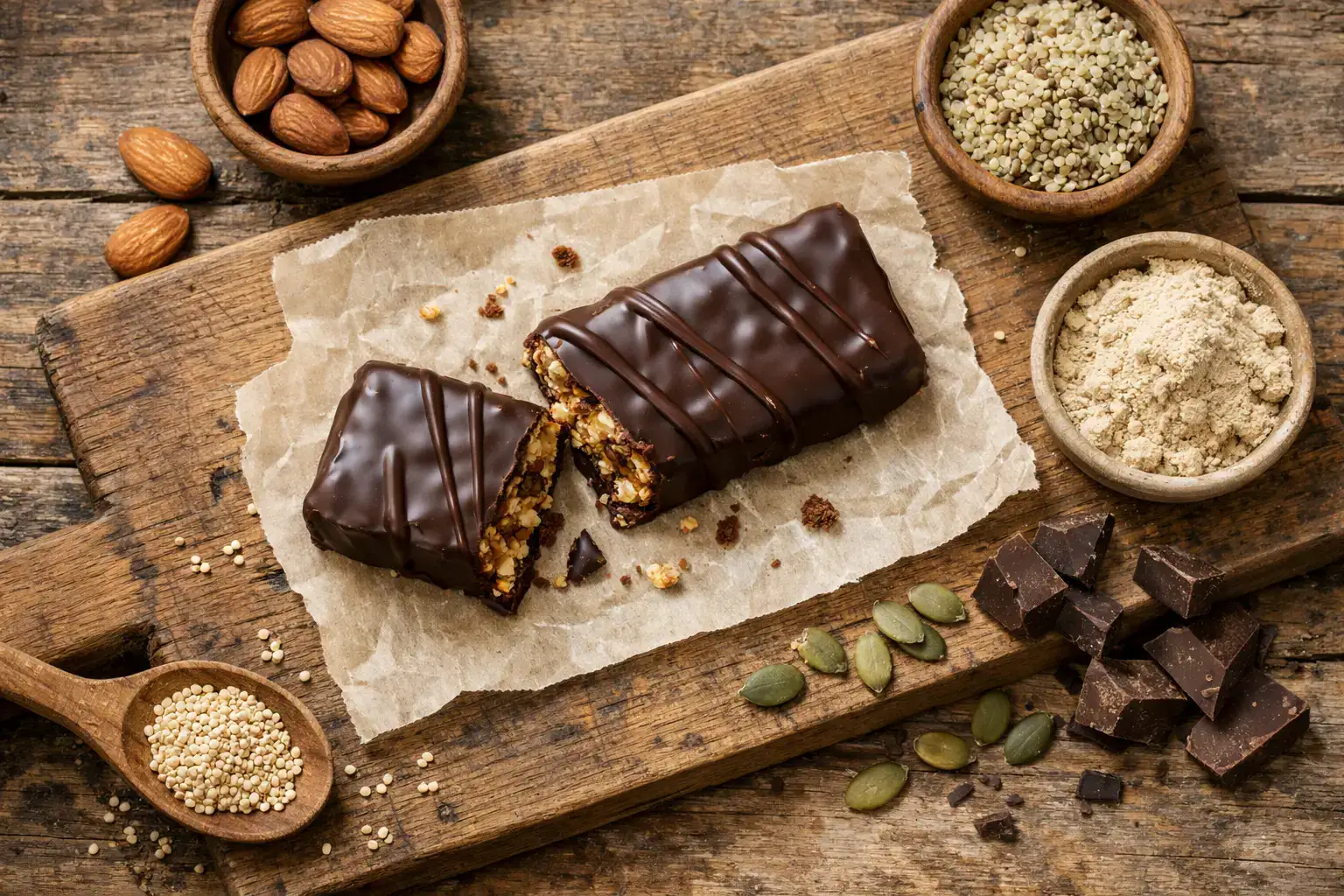
Quick Nutrition Facts
Per 1 Bar (55g)
| Nutrient | Amount |
|---|---|
| Calories | 180 kcal |
| Protein | 15g |
| Carbohydrates | 12g |
| Fiber | 12g |
| Sugars | 1g |
| Fat | 7g |
| Saturated Fat | 2.5g |
| Iron | 3.2mg |
| Calcium | 45mg |
| Potassium | 180mg |
Macronutrient Breakdown
 ChatGPT
  Claude
  AI Mode
  Perplexity
NUTRITIONIST INSIGHT
With 15g protein and 12g fiber in just 180 calories, Form's plant-based bar is one of the highest-fiber protein bars available. The chicory root inulin acts as a prebiotic, feeding beneficial gut bacteria while the pea-pumpkin protein blend provides a complete amino acid profile for muscle recovery.
Myth Busters
MYTH #1: Plant Protein Is Inferior to Whey for Muscle Building
TRUTH: Research shows plant protein blends stimulate muscle protein synthesis equivalently to whey protein when consumed in adequate amounts. Pea and pumpkin seed proteins together provide a complete amino acid profile.
MYTH #2: Protein Bars Are Just Glorified Candy Bars
TRUTH: Unlike candy bars, Form's bar contains only 1g sugar with 12g fiber and 15g protein. High-fiber, high-protein snacks reduce postprandial glucose response rather than spiking blood sugar like candy.
MYTH #3: You Can't Get Enough Protein from Plants
TRUTH: A single Form bar provides 15g protein — roughly 30% of the minimum daily need per snack. Studies confirm no difference in muscle protein synthesis between plant-based and animal protein at equivalent doses.
MYTH #4: High-Fiber Bars Cause Digestive Problems
TRUTH: Chicory root inulin is a well-studied prebiotic fiber. While some individuals may experience mild bloating initially, regular fiber intake supports digestive health and reduces cardiovascular disease risk. Start with half a bar if sensitive.
MYTH #5: Protein Bars Are Only for Gym-Goers
TRUTH: Plant protein bars benefit anyone needing a convenient, balanced snack. The Harvard Nutrition Source recommends plant protein for overall health, noting that higher plant-to-animal protein ratios are linked to lower cardiovascular risk.
NutriScore by Health Goals
| Health Goal | NutriScore | Why This Score? |
|---|---|---|
| Weight Loss |  | Only 180 calories with 15g protein and 12g fiber — exceptional satiety per calorie. Keeps you full for hours. |
| Muscle Gain |  | 15g complete plant protein supports muscle synthesis. Best paired with a protein shake post-workout for optimal recovery. |
| Diabetes Management | | Only 1g sugar, 12g fiber, and plant protein reduces postprandial glucose response. Minimal blood sugar impact. |
| PCOS Management | | Low sugar and high fiber support insulin sensitivity. A balanced snack that avoids blood sugar spikes. |
| Pregnancy Nutrition | | Moderate protein and iron support fetal development. ACOG recommends balanced protein intake during pregnancy. Chicory fiber may cause mild bloating. |
| Viral/Flu Recovery | | Easy to consume, provides sustained energy and protein for immune repair. Iron supports recovery. |
PERSONALIZED NUTRITION
Track your meals with NutriScan for personalized NutriScores based on your specific health goals!
Blood Sugar Response to Form Plant-Based Protein Bar
Understanding how this protein bar affects your blood glucose helps you plan snacks around workouts and meals.
Typical Glucose Response Curve
This chart shows typical blood glucose response for general healthy individuals. Individual responses may vary. Not medical advice.
How to Flatten the Spike
Pairing high-protein snacks with healthy fats slows glucose absorption and extends energy release:
- 🥜 Add a handful of almonds or walnuts - Extra healthy fats and fiber for sustained energy
- 🥛 Pair with Greek yogurt or a glass of milk - Adds calcium and casein protein
- 🍎 Eat with an apple or berries - Adds vitamins, antioxidants, and natural fiber
- 🫖 Drink with green tea - L-theanine promotes calm focus alongside protein energy
This combination ensures steady energy release over 3-4 hours, ideal for work or study sessions.
Cultural Significance
Plant-based protein bars represent a major shift in sports nutrition that began in the 2010s and accelerated globally.
In the UK:
- Form Nutrition founded as a premium plant-based sports nutrition brand
- Part of the UK's growing flexitarian movement with 40%+ reducing meat intake
- Reflects consumer demand for clean-label, sustainable protein sources
- Pea protein and chicory root fiber sourced from European agriculture
Global Impact:
- Plant protein market projected to exceed $20 billion by 2027
- Athletes increasingly choosing plant-based protein for performance and sustainability
- Research confirms plant protein blends match animal protein for muscle recovery
- Lower environmental footprint: plant protein requires 6-10x less land and water than whey
Compare & Substitute
Form Plant-Based Protein Bar vs Similar Snacks (Per 100g)
| Nutrient | Form Plant Bar | Whey Protein Bar | Kind Nut Bar | RXBar |
|---|---|---|---|---|
| Calories | 327 kcal | 350 kcal | 480 kcal | 340 kcal |
| Carbs | 22g | 35g | 40g | 38g |
| Fiber | 22g | 5g | 7g | 6g |
| Protein | 27g | 30g | 10g | 22g |
| Fat | 13g | 12g | 30g | 12g |
| Sugar | 2g | 18g | 20g | 20g |
| Best For | High fiber, low sugar, gut health | Maximum protein per serving | Quick energy, healthy fats | Whole-food protein, clean label |
Frequently Asked Questions
Are plant-based protein bars good for weight loss?
180 calories per bar with 15g protein and 12g fiber make Form bars an excellent weight loss snack. The high fiber content promotes satiety for 3-4 hours, helping reduce overall daily calorie intake.
Best practices: Eat as a mid-morning or afternoon snack, pair with water for maximum fiber expansion, limit to 1-2 bars per day.
Can diabetics eat plant protein bars?
Yes, Form bars are well-suited for diabetics. With only 1g sugar and 12g fiber, the glycemic impact is minimal. Research shows protein bars with high protein-to-carb ratios have a glycemic index as low as 5.
Tips for diabetics:
- Check blood sugar 2 hours after eating to understand your personal response
- The high fiber slows carbohydrate absorption significantly
- A good alternative to high-sugar snacks between meals
How much protein is in a Form protein bar?
Each bar contains 15g of protein from pea and pumpkin seed sources. Per 100g, that equates to approximately 27g protein — comparable to many whey-based bars.
For muscle gain, combine with a post-workout protein shake to reach the 30-40g protein threshold shown to optimize muscle protein synthesis.
Is plant protein as effective as whey for muscle building?
A 2024 study published in the Journal of Nutrition found that plant protein blends stimulate muscle protein synthesis equivalently to whey protein. The key is consuming adequate total protein (1.6-2.2g/kg body weight daily) regardless of source.
Are Form protein bars safe during pregnancy?
Plant-based protein bars are generally safe during pregnancy as part of a balanced diet. The 15g protein and 3.2mg iron support fetal development.
Note: Chicory root fiber (inulin) may cause mild gas or bloating in some individuals. Start with half a bar to assess tolerance. Always consult your healthcare provider for personalized advice.
What makes Form bars different from regular protein bars?
3 key differences separate Form from conventional protein bars:
- Exceptionally high fiber — 12g per bar vs 2-5g in most protein bars
- Ultra-low sugar — 1g vs 15-25g in many competitors
- Plant-based protein blend — Pea + pumpkin seed proteins with complete amino acid coverage
The chicory root inulin also acts as a prebiotic, supporting gut microbiome health beyond basic nutrition.


Similar Nutritious Foods
4505 Chicharrones Classic Chili Salt
7 Eleven Japan Crispy Corn Cheese
Explore More Nutrition Tools & Resources
AI Calorie Counter App - Snap a Photo, Get Macros
AI Nutritionist App That Reads Your Logged Meals
Best Protein Supplements for Women
Bulking Meal Plan App That Sets Your Surplus
ChatGPT Calorie Counter Alternative That Keeps the Total
ChatGPT Diet Plan Alternative That Tracks What You Eat
ChatGPT Weight Loss Coach Alternative With a Food Log
Fast Food Calorie Counter App That Reads the Tray
Free Calorie Tracker App with AI Photo Scans | NutriScan
Indian Diet Plan App With Veg and Non Veg Meals
Indian Food Calorie Calculator - Get Instant Nutrition Facts for Desi Meals — 2026
Intermittent Fasting for Women, Timer and Meal Log App
Intermittent Fasting Tracker App - Free Fasting Timer
Macro Tracker App That Fills the Numbers From a Photo
Mediterranean Diet Meal Plan App That Counts the Oil
Micronutrient Tracker App for Vitamins and Minerals
MyFitnessPal Alternative That Stays Free | NutriScan
NutriScore App: A Free Grade on Every Meal | NutriScan
Nutrition Label Scanner App for the Amount You Ate
Second Trimester Protein Guide
Vegetarian Meal Plan App With a Protein Target
Voice Calorie Counter - Speak to Track Meals Hands-Free
Water and Calorie Tracker App - Free Water Log