Guinness Zero: Calories, Nutrition and Health Benefits
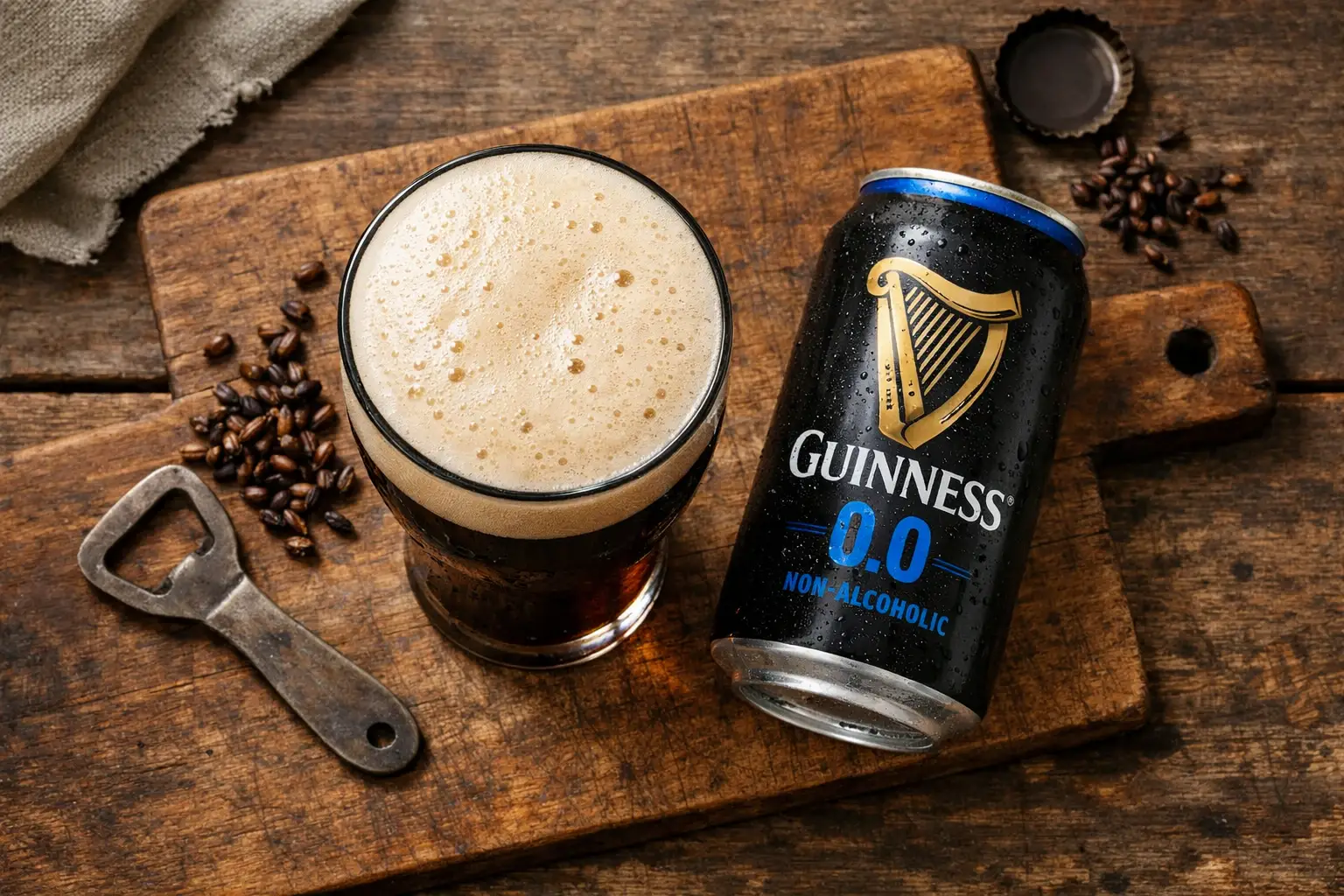
The iconic Irish stout, now alcohol-free. Guinness 0.0 delivers the same roasted barley flavor with just 75 calories per can and zero alcohol.
Quick Nutrition Facts
Per 1 Can (440ml / 14.9 fl oz)
Per UK pint (568ml): 97 kcal, 22g carbs, 0g fat
| Nutrient | Amount |
|---|---|
| Calories | 75 kcal |
| Protein | 0.5g |
| Carbohydrates | 17g |
| Fiber | 0g |
| Sugars | 3g |
| Fat | 0g |
| Alcohol | 0.0% ABV |
| Sodium | 10mg |
| Potassium | 50mg |
| Iron | 0.1mg |
Macronutrient Breakdown
 ChatGPT
  Claude
  AI Mode
  Perplexity
NUTRITIONIST INSIGHT
Guinness 0.0 is one of the lowest-calorie stout options at just 17 kcal per 100ml. The roasted barley in stout-style beers provides small amounts of polyphenols with antioxidant properties, making it a smarter social drink choice compared to regular beer or sugary cocktails.
Myth Busters
MYTH #1: Non-Alcoholic Beer Has Zero Calories
TRUTH: Guinness Zero still contains 75 calories per can, primarily from carbohydrates (17g). The "zero" refers to alcohol content, not calories. Non-alcoholic beers retain caloric content from malt sugars and carbohydrates.
MYTH #2: Non-Alcoholic Beer Is Completely Alcohol-Free
TRUTH: Guinness 0.0 contains up to 0.05% ABV, the lowest detectable level. While functionally alcohol-free, it is not technically 0.00%. This trace amount is comparable to what naturally occurs in ripe fruit or bread.
MYTH #3: Non-Alcoholic Beer Spikes Blood Sugar Like Regular Beer
TRUTH: While non-alcoholic beer does contain carbohydrates, research shows different carbohydrate compositions affect postprandial glucose differently. Guinness Zero has 3g sugar per can, far less than most soft drinks (35-40g per can).
MYTH #4: Non-Alcoholic Beer Has No Health Benefits
TRUTH: Studies show non-alcoholic beer contains polyphenols that support cardiovascular health and may preserve endothelial function even more effectively than alcoholic beer.
MYTH #5: Non-Alcoholic Beer Is Just Glorified Soda
TRUTH: Unlike soda, non-alcoholic beer contains hop compounds that may improve mood and sleep quality. It also has significantly less sugar (3g vs 39g in a can of cola) and provides B vitamins from the brewing process.
NutriScore by Health Goals
| Health Goal | NutriScore | Why This Score? |
|---|---|---|
| Weight Loss |  | Only 75 calories per can with 0g fat. Far better than regular beer (210 cal/pint) or cocktails (200-500 cal). Watch carbs (17g). |
| Muscle Gain |  | Minimal protein (0.5g) and limited nutritional value for muscle building. Better as a social drink than a recovery beverage. |
| Diabetes Management | | Contains 17g carbs and 3g sugar per can. Non-alcoholic beer has a relatively high glycemic index; limit to 1 can and pair with protein. |
| PCOS Management | | Carbohydrate content may affect insulin sensitivity. Limit to occasional consumption and pair with balanced meals. |
| Pregnancy Nutrition |  | Contains trace alcohol (up to 0.05% ABV). ACOG recommends avoiding all alcohol during pregnancy. Consult your provider. |
| Viral/Flu Recovery | | Provides hydration and easy calories. Hop compounds may support rest. Not a primary recovery drink; water and electrolytes are better. |
PERSONALIZED NUTRITION
Track your meals with NutriScan for personalized NutriScores based on your specific health goals!
Blood Sugar Response to Guinness Zero
Understanding how Guinness Zero affects your blood glucose can help you make informed decisions about when and how to enjoy it.
Typical Glucose Response Curve
*This chart shows typical blood glucose response for general healthy individuals. Individual responses may vary. Not medical advice.*
How to Flatten the Spike
Pairing carbohydrate-containing beverages with protein or fat slows glucose absorption and reduces the peak blood sugar level:
- 🥜 Nuts or trail mix - Adds healthy fats and protein to slow absorption
- 🧀 Cheese board or charcuterie - Provides protein and fat for balanced intake
- 🥚 Hard-boiled eggs or deviled eggs - Complete protein source
- 🫘 Hummus with vegetables - Fiber and protein combination
This combination not only reduces the glucose spike but also extends energy release, keeping you satisfied longer.
Cultural Significance
Guinness has been one of the world's most recognized beer brands since Arthur Guinness signed a 9,000-year lease at St. James's Gate Brewery in Dublin in 1759.
The Zero Revolution:
- Guinness 0.0 launched in 2020 to meet growing demand for mindful drinking
- Part of the global "sober curious" movement gaining momentum since 2018
- Non-alcoholic beer market projected to reach $40 billion by 2027
- Guinness 0.0 uses the same roasted barley and hops, with alcohol removed through cold filtration
Global Impact:
- Ireland's most famous export, sold in over 150 countries
- Guinness World Records originated as a promotional idea by the Guinness brewery
- St. Patrick's Day celebrations consume approximately 13 million pints of Guinness globally
- The iconic "surge and settle" pour takes 119.5 seconds for the perfect pint
Compare & Substitute
Guinness Zero vs Non-Alcoholic Alternatives (Per 100ml)
| Nutrient | 🍺 Guinness Zero | 🍺 Heineken 0.0 | 🍺 Athletic Brewing | 🥤 Cola Zero |
|---|---|---|---|---|
| Calories | 17 kcal | 21 kcal | 25 kcal | 0 kcal |
| Carbs | 3.8g | 4.8g | 5.6g | 0g |
| Fiber | 0g | 0g | 0g | 0g |
| Protein | 0.1g | 0.1g | 0.3g | 0g |
| Fat | 0g | 0g | 0g | 0g |
| Sugar | 0.7g | 1.3g | 2g | 0g |
| Alcohol | 0.0% | 0.0% | <0.5% | 0% |
| Best For | Low-cal stout flavor, social | Light lager alternative | Craft beer flavor, active lifestyle | Zero calorie, caffeine boost |
Frequently Asked Questions
How many calories are in a pint of Guinness Zero?
A UK pint (568ml) of Guinness 0.0 has about 97 calories, worked out from 17 kcal per 100ml. That pint also carries roughly 22g carbs and no fat. A US pint (473ml) comes to about 80 calories.
Per 440ml can: 75 calories, 17g carbs.
What are the nutrition facts for Guinness 0.0 non alcoholic beer?
A 440ml can of Guinness 0.0 has 75 calories, 17g carbs, 3g sugar, 0.5g protein and no fat. Alcohol is 0.0% ABV, with 10mg sodium and 50mg potassium. Per 100ml that is 17 calories, below Heineken 0.0 at 21 and Athletic Brewing at 25.
How many calories are in Guinness Zero?
75 calories per 440ml can (17 kcal per 100ml). This makes it significantly lower in calories than regular Guinness Draught (210 calories per pint) and most craft beers (180-250 calories per pint).
Is Guinness Zero good for weight loss?
Guinness Zero is a reasonable option during weight loss. At 75 calories and 0g fat per can, it satisfies beer cravings without major caloric impact. However, the 17g of carbohydrates should be tracked within your daily intake. Limit to 1-2 cans daily maximum.
Can diabetics drink Guinness Zero?
Diabetics should exercise caution. Guinness Zero contains 17g carbohydrates and 3g sugar per can. Non-alcoholic beers can affect blood glucose due to their carbohydrate content.
Tips for diabetics:
- Limit to 1 can per sitting
- Always pair with a protein-rich meal or snack
- Monitor blood sugar 2 hours after consuming
- Choose Guinness Zero over sweeter non-alcoholic options (lower sugar)
Consult your healthcare provider for personalized guidance.
Is Guinness Zero safe during pregnancy?
While Guinness 0.0 contains no more than 0.05% ABV, ACOG recommends avoiding all alcohol during pregnancy as no safe amount has been established. The trace alcohol in non-alcoholic beer is comparable to amounts found in ripe fruit or bread, but medical guidance should be followed.
Does Guinness Zero have any health benefits?
Non-alcoholic beer offers several potential benefits. Studies indicate that polyphenols in non-alcoholic beer may support cardiovascular health markers. Hop compounds have been associated with improved mood and sleep quality. It provides a social drinking experience without the negative effects of alcohol on liver, brain, and sleep.
How does Guinness Zero compare to regular Guinness?
Key differences:
- Calories: 75 per can vs 210 per pint (64% fewer)
- Alcohol: 0.0% vs 4.2% ABV
- Carbs: 17g per can vs 18g per pint (similar)
- Fat: Both 0g
- Flavor: Very similar roasted barley taste; slightly lighter body
Track your beverage choices with NutriScan app to see how Guinness Zero fits your personal nutrition goals.




Similar Nutritious Foods
4505 Chicharrones Classic Chili Salt
7 Eleven Japan Crispy Corn Cheese
Explore More Nutrition Tools & Resources
AI Calorie Counter App - Snap a Photo, Get Macros
AI Nutritionist App That Reads Your Logged Meals
Best Protein Supplements for Women
Bulking Meal Plan App That Sets Your Surplus
ChatGPT Calorie Counter Alternative That Keeps the Total
ChatGPT Diet Plan Alternative That Tracks What You Eat
ChatGPT Weight Loss Coach Alternative With a Food Log
Fast Food Calorie Counter App That Reads the Tray
Free Calorie Tracker App with AI Photo Scans | NutriScan
Indian Diet Plan App With Veg and Non Veg Meals
Indian Food Calorie Calculator - Get Instant Nutrition Facts for Desi Meals — 2026
Intermittent Fasting for Women, Timer and Meal Log App
Intermittent Fasting Tracker App - Free Fasting Timer
Macro Tracker App That Fills the Numbers From a Photo
Mediterranean Diet Meal Plan App That Counts the Oil
Micronutrient Tracker App for Vitamins and Minerals
MyFitnessPal Alternative That Stays Free | NutriScan
NutriScore App: A Free Grade on Every Meal | NutriScan
Nutrition Label Scanner App for the Amount You Ate
Second Trimester Protein Guide
Vegetarian Meal Plan App With a Protein Target
Voice Calorie Counter - Speak to Track Meals Hands-Free
Water and Calorie Tracker App - Free Water Log