High Protein Overnight Oats: Calories, Nutrition and Health Benefits
A protein-packed breakfast combining the sustained energy of oats with antioxidant-rich matcha and the muscle-supporting power of 20g protein per serving.
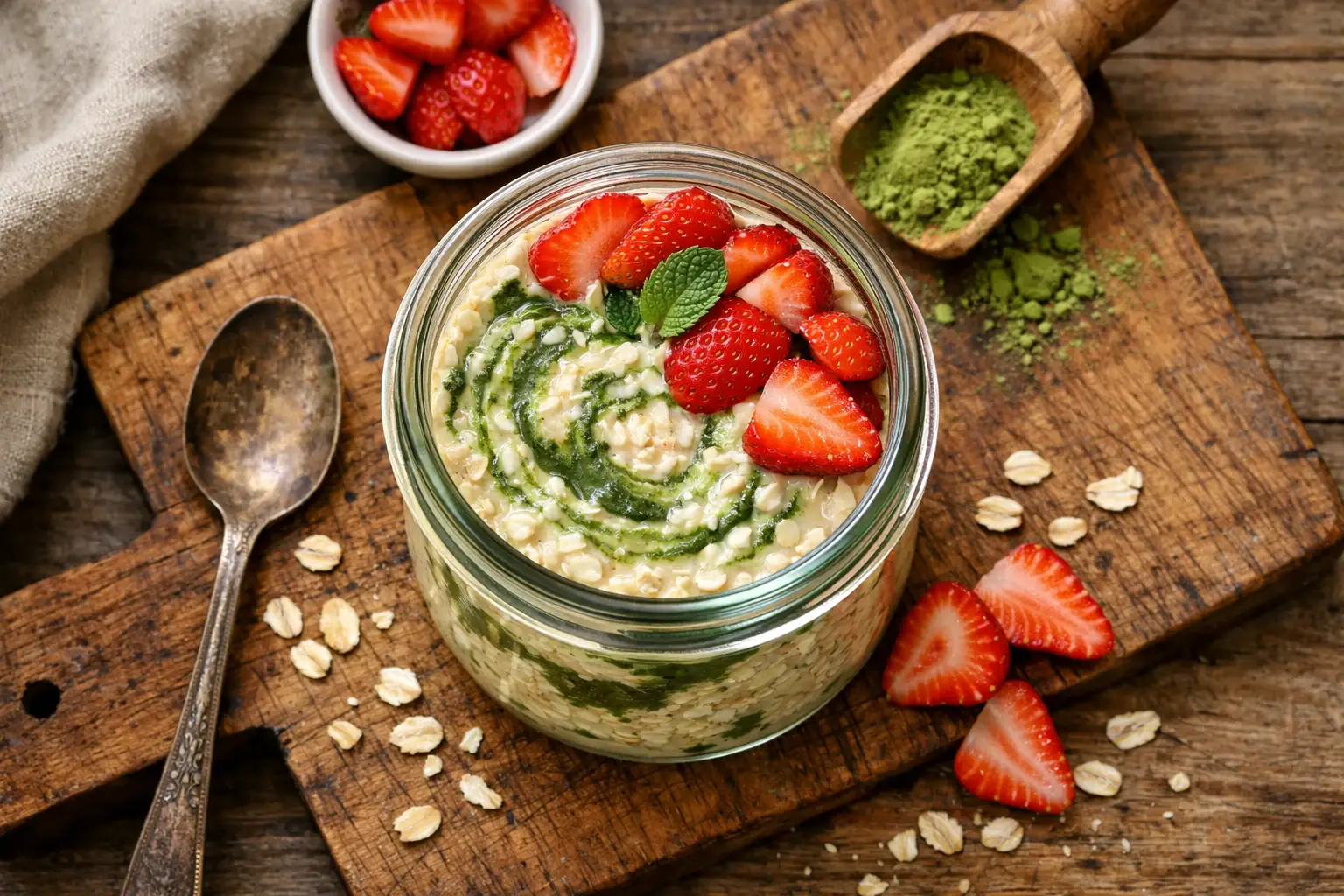
Quick Nutrition Facts
Per 1 Pot (200g) - M&S High Protein Strawberry Matcha
| Nutrient | Amount |
|---|---|
| Calories | 266 kcal |
| Protein | 20.4g |
| Carbohydrates | 27.6g |
| Fiber | 8.8g |
| Sugars | 12.8g |
| Fat | 6.2g |
| Saturated Fat | 3.0g |
| Salt | 0.66g |
Macronutrient Breakdown
 ChatGPT
  Claude
  AI Mode
  Perplexity
NUTRITIONIST INSIGHT
High protein overnight oats deliver 20g protein from broad bean protein and yogurt, making them ideal for muscle recovery and satiety. The beta-glucan fiber in oats supports heart health and blood sugar control, while matcha provides antioxidants and L-theanine for calm, focused energy.
Myth Busters
MYTH #1: Overnight Oats Are Just Sugary Desserts
TRUTH: Quality high protein overnight oats contain only 6.4g sugar per 100g - less than many fruits. The fiber and protein content promotes satiety and stable blood sugar, making them a balanced meal rather than a sugar bomb.
MYTH #2: Cold Oats Are Less Nutritious Than Cooked
TRUTH: Overnight oats may actually have enhanced benefits. The cold soaking process creates resistant starch that feeds beneficial gut bacteria and provides slower glucose release compared to some cooked preparations.
MYTH #3: Plant Protein Is Inferior to Whey
TRUTH: Broad bean protein (used in high protein overnight oats) provides complete amino acids. Research shows plant proteins effectively support muscle synthesis when consumed in adequate amounts, with the added benefit of fiber and lower saturated fat.
MYTH #4: Matcha Makes It Too Caffeinated
TRUTH: Matcha contains L-theanine alongside caffeine, which promotes calm alertness without jitters. The amount in overnight oats is modest - providing gentle energy rather than a caffeine spike.
MYTH #5: High Protein Breakfast Is Only for Gym-Goers
TRUTH: Higher protein breakfasts improve appetite control, food motivation, and evening snacking in everyone - not just athletes. The satiety benefits help with weight management for all lifestyles.
NutriScore by Health Goals
| Health Goal | NutriScore | Why This Score? |
|---|---|---|
| Weight Loss |  | 266 calories with 20g protein provides excellent satiety. High fiber (8.8g) keeps you full longer, reducing snacking. |
| Muscle Gain | | 20g protein with quality carbs (27.6g) - ideal post-workout meal for glycogen replenishment and muscle protein synthesis. |
| Diabetes Management |  | High fiber and protein slow glucose absorption. Moderate GI from oats. Watch portion size and added sugars. |
| PCOS Management | | Protein-rich with moderate carbs helps insulin sensitivity. Choose versions with minimal added sugars. |
| Pregnancy Nutrition | | Fiber supports digestive health, protein aids fetal development. Gentle energy without blood sugar spikes. Limit caffeine from matcha. |
| Viral/Flu Recovery | | Easy to digest, provides protein for immune function, and matcha antioxidants support recovery. |
PERSONALIZED NUTRITION
Track your meals with NutriScan for personalized NutriScores based on your specific health goals!
Blood Sugar Response to High Protein Overnight Oats
Understanding how high protein overnight oats affect your blood glucose helps optimize meal timing and pairing.
Typical Glucose Response Curve
This chart shows typical blood glucose response for general healthy individuals. Individual responses may vary. Not medical advice.
How to Flatten the Spike
The protein and fiber already help moderate glucose response, but you can further optimize:
- Add more nuts (almonds, walnuts) - Extra healthy fats and protein
- Include chia seeds - Additional fiber slows absorption
- Take a short walk after eating - 10-15 minute walk improves glucose uptake
- Pair with cinnamon - May support blood sugar regulation
The high protein content (20g) naturally provides a flatter glucose curve compared to standard overnight oats.
Cultural Significance
Overnight oats represent the intersection of traditional food preservation and modern convenience culture.
Origins & Evolution:
- Bircher muesli (1900s Switzerland) - Dr. Maximilian Bircher-Benner created the original soaked oat dish
- Nordic countries have traditions of soaking grains for improved digestibility
- Modern overnight oats emerged from meal prep culture in the 2010s
- High protein versions evolved from fitness and wellness movements
Global Adoption:
- UK: M&S and supermarkets popularized ready-to-eat versions
- USA: Meal prep influencers drove DIY overnight oats trend
- Japan: Matcha versions merge Western convenience with Eastern ingredients
- India: Adaptations include mango, cardamom, and desi flavors
Modern Appeal:
- No-cook convenience for busy mornings
- Customizable with endless flavor combinations
- Sustainable (uses less energy than cooking)
- Photogenic for social media sharing
Compare & Substitute
High Protein Overnight Oats vs Similar Breakfasts (Per 200g serving)
| Nutrient | High Protein Overnight Oats | Greek Yogurt Bowl | Standard Oatmeal | Protein Smoothie |
|---|---|---|---|---|
| Calories | 266 kcal | 200 kcal | 166 kcal | 280 kcal |
| Protein | 20.4g | 20g | 6g | 25g |
| Carbs | 27.6g | 12g | 28g | 35g |
| Fiber | 8.8g | 0g | 4g | 5g |
| Fat | 6.2g | 6g | 3.6g | 8g |
| Sugar | 12.8g | 8g | 1g | 20g |
| Best For | Balanced energy, convenience | Low carb, protein | Traditional, budget | Quick absorption |
Frequently Asked Questions
Are high protein overnight oats good for weight loss?
Yes, high protein overnight oats excel for weight loss. 20g protein and 8.8g fiber per serving create strong satiety signals, reducing hunger and snacking. At 266 calories, they provide substantial nutrition without excess energy.
Best practices: Eat as your main breakfast, don't add extra sweeteners, and pair with light meals later if cutting calories.
Can diabetics eat high protein overnight oats?
Diabetics can enjoy high protein overnight oats in moderation. The high fiber (4.4g per 100g) and protein content slow glucose absorption significantly.
Tips for diabetics:
- Choose versions with 6g or less added sugar per 100g
- Monitor blood glucose response 2 hours after eating
- Consider half-portion if blood sugar runs high
- The protein-to-carb ratio is favorable compared to regular oatmeal
How much protein is in overnight oats?
Standard overnight oats contain 5-8g protein per serving. High protein versions achieve 15-25g through added protein sources like broad bean protein, Greek yogurt, protein powder, or nut butters.
M&S High Protein Strawberry Matcha contains 20.4g per 200g pot - equivalent to about 3 eggs.
What are the main health benefits?
Key Benefits:
- Sustained Energy: Slow-release carbs prevent energy crashes
- Muscle Support: 20g protein supports maintenance and growth
- Gut Health: Beta-glucan fiber feeds beneficial bacteria
- Heart Health: Oat fiber helps lower cholesterol
- Antioxidants: Matcha provides EGCG catechins
- Calm Focus: L-theanine in matcha promotes alertness without anxiety
When is the best time to eat high protein overnight oats?
Depends on your goal:
- Weight Loss: Morning breakfast for all-day satiety
- Muscle Gain: Post-workout (within 60 minutes) or morning
- Diabetes: Mid-morning with activity planned afterward
- Energy: 2-3 hours before workouts for sustained fuel
IMPORTANT NOTE
Those sensitive to caffeine should avoid late-day consumption due to matcha content.
How long do overnight oats last in the fridge?
Homemade overnight oats last 3-5 days refrigerated in an airtight container. Pre-made versions like M&S have shorter shelf life (check packaging - typically 2-4 days). Signs of spoilage: off smell, discoloration, or visible mold.
Can I heat up overnight oats?
Yes, overnight oats can be enjoyed cold or warm. Microwave for 1-2 minutes or heat on stovetop with a splash of milk. Heating slightly reduces resistant starch content but remains nutritious.


Similar Nutritious Foods
4505 Chicharrones Classic Chili Salt
7 Eleven Japan Crispy Corn Cheese
Explore More Nutrition Tools & Resources
AI Calorie Counter App - Snap a Photo, Get Macros
AI Nutritionist App That Reads Your Logged Meals
Best Protein Supplements for Women
Bulking Meal Plan App That Sets Your Surplus
ChatGPT Calorie Counter Alternative That Keeps the Total
ChatGPT Diet Plan Alternative That Tracks What You Eat
ChatGPT Weight Loss Coach Alternative With a Food Log
Fast Food Calorie Counter App That Reads the Tray
Free Calorie Tracker App with AI Photo Scans | NutriScan
Indian Diet Plan App With Veg and Non Veg Meals
Indian Food Calorie Calculator - Get Instant Nutrition Facts for Desi Meals — 2026
Intermittent Fasting for Women, Timer and Meal Log App
Intermittent Fasting Tracker App - Free Fasting Timer
Macro Tracker App That Fills the Numbers From a Photo
Mediterranean Diet Meal Plan App That Counts the Oil
Micronutrient Tracker App for Vitamins and Minerals
MyFitnessPal Alternative That Stays Free | NutriScan
NutriScore App: A Free Grade on Every Meal | NutriScan
Nutrition Label Scanner App for the Amount You Ate
Second Trimester Protein Guide
Vegetarian Meal Plan App With a Protein Target
Voice Calorie Counter - Speak to Track Meals Hands-Free
Water and Calorie Tracker App - Free Water Log