JiMMYBAR! Protein Bar: Calories, Nutrition and Health Benefits
A high-protein, low-sugar snack bar made with real peanut butter, designed for muscle recovery and sustained energy throughout the day.
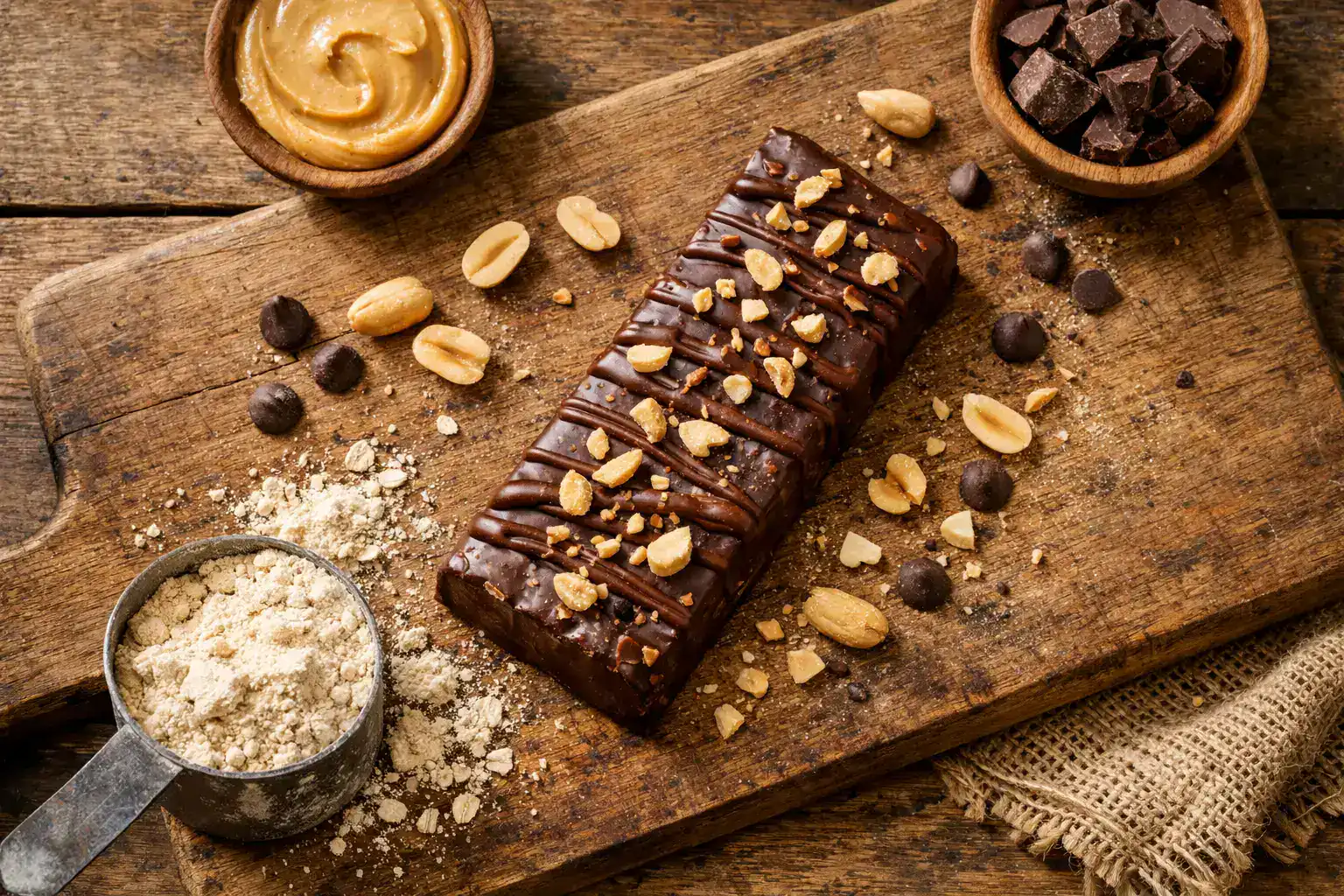
Quick Nutrition Facts
Per 1 Bar (58g)
| Nutrient | Amount |
|---|---|
| Calories | 270 kcal |
| Protein | 18g |
| Carbohydrates | 21g |
| Fiber | 1g |
| Sugars | 6g |
| Fat | 14g |
| Saturated Fat | 5g |
| Sodium | 230mg |
| Calcium | 107mg |
| Iron | 2mg |
Macronutrient Breakdown
 ChatGPT
  Claude
  AI Mode
  Perplexity
NUTRITIONIST INSIGHT
JiMMYBAR! delivers 18g of protein with only 6g sugar, making it one of the better protein bar options for blood sugar management. The combination of whey and soy protein provides a complete amino acid profile for muscle recovery.
Myth Busters
MYTH #1: Protein Bars Are Just Candy Bars in Disguise
TRUTH: Not all protein bars are created equal. JiMMYBAR! contains 18g protein and only 6g sugar, compared to candy bars with 20-30g sugar and minimal protein. High-protein snacks help control appetite better than high-sugar alternatives.
MYTH #2: Protein Bars Cause Weight Gain
TRUTH: At 270 calories, JiMMYBAR! is a moderate-calorie snack that can support weight management when used strategically. Protein increases satiety and reduces overall calorie intake when consumed as part of a balanced diet.
MYTH #3: Diabetics Should Avoid Protein Bars
TRUTH: Low-sugar protein bars like JiMMYBAR! can be suitable for diabetics. With only 6g sugar and 18g protein, the high protein content helps moderate blood glucose response. Always monitor individual blood sugar response.
MYTH #4: All Protein in Bars Is Low Quality
TRUTH: JiMMYBAR! uses whey protein concentrate and soy protein crisps, both complete protein sources with all essential amino acids. Whey protein is highly bioavailable and supports muscle protein synthesis.
MYTH #5: Protein Bars Are Only for Athletes
TRUTH: Anyone can benefit from convenient, high-protein snacks. Protein bars help busy professionals, travelers, and people seeking balanced nutrition on-the-go maintain adequate protein intake throughout the day.
NutriScore by Health Goals
| Health Goal | NutriScore | Why This Score? |
|---|---|---|
| Weight Loss |  | 18g protein promotes satiety, only 6g sugar. At 270 calories, fits well as a meal replacement or snack. Limit to 1 per day. |
| Muscle Gain |  | Excellent 18g protein for muscle recovery, complete amino acid profile from whey and soy. Ideal post-workout snack. |
| Diabetes Management | | Low sugar (6g), high protein moderates glycemic response. Monitor individual blood sugar response. |
| PCOS Management | | Low sugar helps manage insulin levels. High protein supports hormone balance. Limit to 1 bar daily. |
| Pregnancy Nutrition |  | Good protein source, but consult healthcare provider about soy intake during pregnancy. Contains 107mg calcium. |
| Viral/Flu Recovery | | Easy to consume, provides protein for immune support, 11% daily iron for energy recovery. |
PERSONALIZED NUTRITION
Track your meals with NutriScan for personalized NutriScores based on your specific health goals!
Blood Sugar Response to Protein Bar
Understanding how protein bars affect your blood glucose can help you make informed decisions about when and how to eat them.
Typical Glucose Response Curve
This chart shows typical blood glucose response for general healthy individuals. Individual responses may vary. Not medical advice.
How to Flatten the Spike
High protein content already helps moderate blood sugar response, but you can further optimize:
- 🥤 Drink water - Hydration supports glucose metabolism
- 🚶 Light activity after eating - A short walk helps glucose uptake
- ⏰ Timing matters - Eat after meals rather than on empty stomach
- 🥗 Pair with fiber - Add vegetables or fruit with skin for extra fiber
This combination helps maintain steady energy levels without dramatic blood sugar fluctuations.
Cultural Significance
Protein bars emerged in the 1980s as sports nutrition evolved from powders to convenient formats.
In Modern Fitness Culture:
- Essential part of gym bags and workout routines worldwide
- Symbol of the "always-on" busy professional lifestyle
- Popular in meal prep and macro-counting communities
- Growing demand for cleaner ingredients and real food bases
JiMMYBAR! Differentiator:
- First ingredient is real peanut butter (not protein isolate)
- Small-batch, homemade style production
- Gluten-free formulation for broader accessibility
- Focus on functional nutrition that "actually tastes good"
Compare & Substitute
JiMMYBAR! vs Similar Protein Bars (Per Bar)
| Nutrient | JiMMYBAR! Choc PB | Quest Bar | RXBar | KIND Protein |
|---|---|---|---|---|
| Calories | 270 kcal | 200 kcal | 210 kcal | 250 kcal |
| Protein | 18g | 21g | 12g | 12g |
| Carbs | 21g | 21g | 24g | 17g |
| Fiber | 1g | 14g | 5g | 5g |
| Sugar | 6g | 1g | 13g | 6g |
| Fat | 14g | 8g | 9g | 17g |
| Best For | Real food, taste | Low carb, high fiber | Whole food ingredients | Nut-based nutrition |
Frequently Asked Questions
Are protein bars good for weight loss?
Protein bars can support weight loss when used strategically. JiMMYBAR! provides 18g protein that promotes satiety and reduces overall calorie intake. At 270 calories, it works as a satisfying snack or light meal replacement.
Best practices: Limit to 1 bar per day, use as meal replacement rather than addition, pair with vegetables or salad for a complete meal.
Can diabetics eat protein bars?
Diabetics can eat low-sugar protein bars in moderation. JiMMYBAR! has only 6g sugar with 18g protein, which helps moderate blood glucose response.
Tips for diabetics:
- Monitor blood sugar 2 hours after eating
- Choose bars with under 10g sugar
- Eat as part of a balanced meal, not alone
- High protein content helps slow glucose absorption
Always consult your healthcare provider for personalized advice.
How much protein is in a JiMMYBAR?
A JiMMYBAR! Chocolate Peanut Butter bar contains 18g of protein per 58g bar, providing 36% of daily protein needs. The protein comes from:
- Soy protein crisps
- Whey protein concentrate
- Natural peanut butter
This combination provides a complete amino acid profile for muscle recovery and maintenance.
What are the main health benefits of protein bars?
Key Benefits:
- Convenient Nutrition: Portable protein source for busy lifestyles
- Muscle Recovery: 18g protein supports post-workout repair
- Blood Sugar Control: High protein, low sugar helps stabilize glucose
- Satiety: Protein and fat combination keeps you fuller longer
- Meal Replacement: Can substitute for less nutritious snacks
When is the best time to eat a protein bar?
Depends on your goal:
- Weight Loss: Mid-morning or afternoon to prevent overeating at meals
- Muscle Gain: Post-workout (within 30-60 minutes) or as a snack between protein-rich meals
- Diabetes: Mid-morning when blood sugar is stable, not on empty stomach
- Energy: 30-60 minutes before physical activity
IMPORTANT NOTE
Avoid eating protein bars late at night due to calorie content and potential sleep disruption from protein digestion.
Is JiMMYBAR! healthy?
JiMMYBAR! is a relatively healthy protein bar option with several advantages:
Pros:
- 18g protein from quality sources
- Only 6g sugar (low for protein bars)
- Real peanut butter as first ingredient
- Gluten-free
Considerations:
- 270 calories (moderate)
- 14g fat, 5g saturated fat
- Contains soy and dairy (allergens)
- Processed food, not whole food
Recommendation: Healthy as an occasional snack or post-workout recovery, but shouldn't replace whole food meals regularly.


Similar Nutritious Foods
4505 Chicharrones Classic Chili Salt
7 Eleven Japan Crispy Corn Cheese
Explore More Nutrition Tools & Resources
AI Calorie Counter App - Snap a Photo, Get Macros
AI Nutritionist App That Reads Your Logged Meals
Best Protein Supplements for Women
Bulking Meal Plan App That Sets Your Surplus
ChatGPT Calorie Counter Alternative That Keeps the Total
ChatGPT Diet Plan Alternative That Tracks What You Eat
ChatGPT Weight Loss Coach Alternative With a Food Log
Fast Food Calorie Counter App That Reads the Tray
Free Calorie Tracker App with AI Photo Scans | NutriScan
Indian Diet Plan App With Veg and Non Veg Meals
Indian Food Calorie Calculator - Get Instant Nutrition Facts for Desi Meals — 2026
Intermittent Fasting for Women, Timer and Meal Log App
Intermittent Fasting Tracker App - Free Fasting Timer
Macro Tracker App That Fills the Numbers From a Photo
Mediterranean Diet Meal Plan App That Counts the Oil
Micronutrient Tracker App for Vitamins and Minerals
MyFitnessPal Alternative That Stays Free | NutriScan
NutriScore App: A Free Grade on Every Meal | NutriScan
Nutrition Label Scanner App for the Amount You Ate
Second Trimester Protein Guide
Vegetarian Meal Plan App With a Protein Target
Voice Calorie Counter - Speak to Track Meals Hands-Free
Water and Calorie Tracker App - Free Water Log