Junkless Protein Bar (Peanut Butter Chocolate Brownie): Calories, Nutrition and Health Benefits
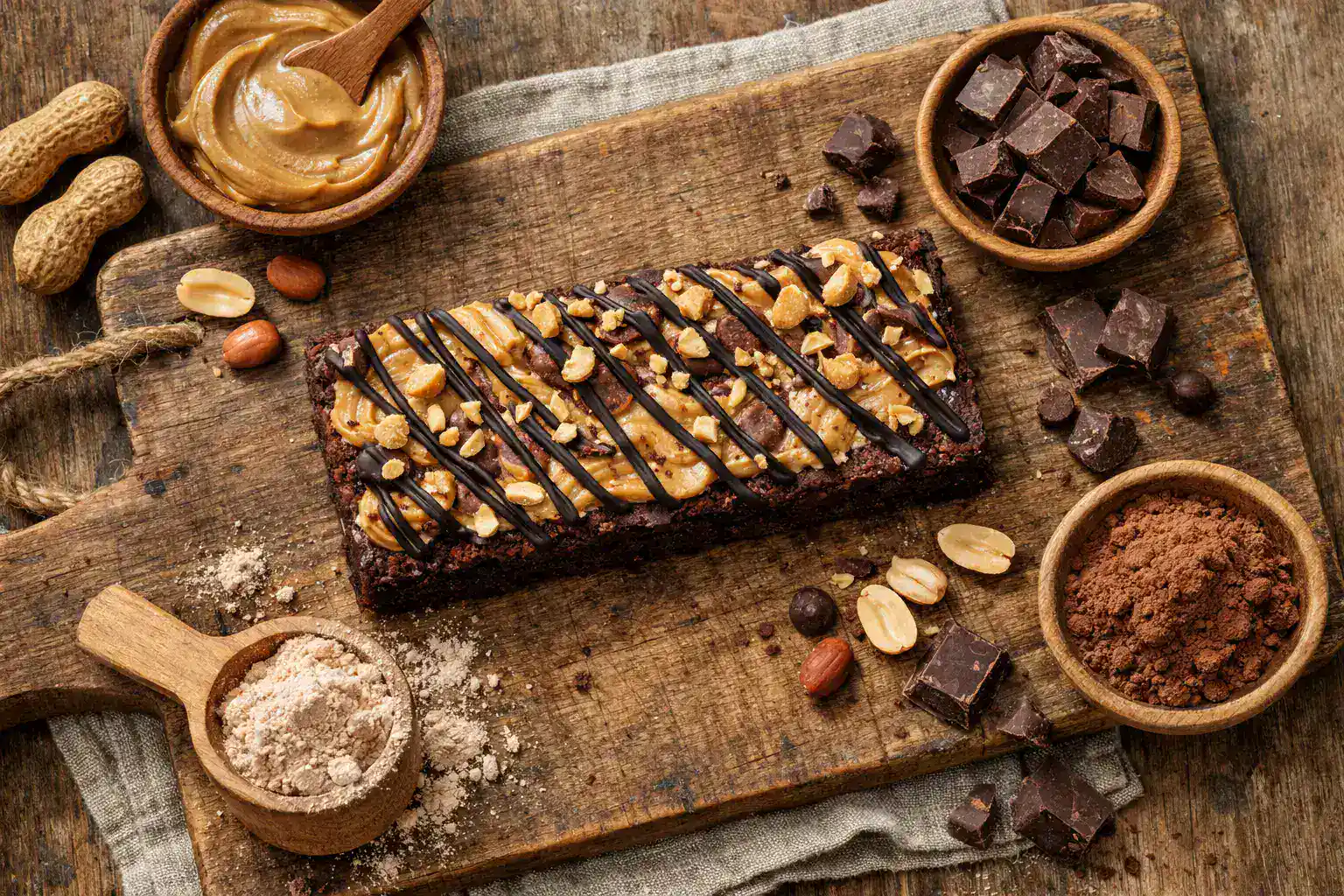
A peanut butter-wrapped brownie protein bar delivering 15g clean protein and 8g fiber with no added sugar — guilt-free fuel for every health goal.
Quick Nutrition Facts
Per 1 Bar (55g)
| Nutrient | Amount |
|---|---|
| Calories | 220 kcal |
| Protein | 15g |
| Carbohydrates | 24g |
| Fiber | 8g |
| Sugars | 2g |
| Added Sugars | 0g |
| Fat | 9g |
| Saturated Fat | 5g |
| Sodium | 200mg |
| Net Carbs | 6g |
Macronutrient Breakdown
 ChatGPT
  Claude
  AI Mode
  Perplexity
NUTRITIONIST INSIGHT
With 15g protein and 8g fiber per bar, the Junkless Peanut Butter Chocolate Brownie delivers exceptional satiety for just 220 calories. The combination of whey protein isolate and tapioca fiber creates a slow-digesting snack that helps maintain stable blood sugar levels between meals.
Myth Busters
MYTH #1: Protein Bars Are Just Glorified Candy Bars
TRUTH: Unlike candy bars, the Junkless Protein Bar contains 15g protein and 8g fiber with only 2g sugar. Research shows protein bars with fiber produce significantly lower glycemic responses than candy bars, making them a functional snack rather than empty calories.
MYTH #2: Sugar-Free Means It Tastes Bad
TRUTH: Junkless uses allulose — a rare sugar that provides sweetness with minimal calories and does not raise blood glucose levels. Combined with stevia extract and real peanut butter, it delivers genuine brownie flavor without the sugar spike.
MYTH #3: All Protein Bars Cause Bloating
TRUTH: Bloating from protein bars often comes from sugar alcohols like maltitol or erythritol. Junkless Protein Bars contain zero sugar alcohols. The 8g of tapioca fiber is well-tolerated by most people and supports digestive health.
MYTH #4: You Need 30g+ Protein Per Bar for It to Count
TRUTH: Research shows that 15-25g protein per meal is the optimal range for muscle protein synthesis. The 15g in this bar hits the sweet spot — enough to stimulate muscle building without exceeding what your body can efficiently use in one sitting.
MYTH #5: Peanut Butter Protein Bars Are Too High in Fat
TRUTH: The 9g of fat per bar comes primarily from real peanuts and peanut butter, providing heart-healthy monounsaturated fats. This combination of protein + fat + fiber creates sustained energy release and suppresses glycemic response when eaten with carbohydrates.
NutriScore by Health Goals
| Health Goal | NutriScore | Why This Score? |
|---|---|---|
| Weight Loss |  | 220 calories with 15g protein and 8g fiber promote satiety. Ideal meal replacement or between-meal snack. Limit to 1 bar per day. |
| Muscle Gain | | 15g whey-based protein supports muscle recovery. Best consumed post-workout with additional protein source for 30g+ total. |
| Diabetes Management | | Only 2g sugar, no added sugars, allulose sweetener. Protein-fiber combination helps moderate postprandial glucose response. Monitor individual response. |
| PCOS Management | | Low sugar with high protein supports insulin sensitivity. The 8g fiber aids hormonal balance through improved gut health. |
| Pregnancy Nutrition |  | Provides 15g protein toward the 71g daily pregnancy requirement. Peanuts supply choline for fetal brain development. Contains allergens — consult provider. |
| Viral/Flu Recovery | | Easy-to-eat protein source when appetite is low. 220 calories provide needed energy; protein supports immune function. |
PERSONALIZED NUTRITION
Track your meals with NutriScan for personalized NutriScores based on your specific health goals!
Blood Sugar Response to Junkless Protein Bar
Understanding how the Junkless Protein Bar affects your blood glucose can help you make informed snacking decisions, especially if you manage diabetes or follow a low-glycemic diet.
Typical Glucose Response Curve
This chart shows typical blood glucose response for general healthy individuals. Individual responses may vary. Not medical advice.
How to Flatten the Spike
Pairing protein bars with additional fiber or healthy fat can further moderate glucose absorption:
- 🥛 Greek yogurt - Adds extra protein and probiotics for gut health
- 🫐 Handful of berries - Low-GI fruit with antioxidants and additional fiber
- 🥒 Veggie sticks - Cucumber or celery add volume and fiber with minimal calories
- 🥤 Black coffee or green tea - Caffeine may enhance metabolic rate and fat oxidation
The high protein (15g) and fiber (8g) already built into this bar mean the glucose response is naturally moderate — significantly flatter than a typical candy bar.
Cultural Significance
Protein bars have evolved from niche bodybuilding supplements to mainstream functional snacks consumed by over 60% of American adults as meal replacements or between-meal fuel.
The Clean Label Movement:
- Consumer demand for transparent, simple ingredients has driven brands like Junkless to eliminate artificial additives
- "No junk" positioning reflects the 2020s shift toward functional foods that taste indulgent
- Peanut butter chocolate flavor profiles rank among the top 3 most popular protein bar flavors in the US
Protein Bar Culture:
- The US protein bar market exceeds $5 billion annually, growing 8-10% per year
- Gym-goers, office workers, and students are the primary consumers
- The shift from "diet food" to "performance fuel" has broadened the appeal across demographics
Global Trends:
- Plant-based and clean-label protein bars are the fastest-growing segment worldwide
- Indian market adopting protein bars with local flavors (masala, mango, cardamom)
- European regulations on "clean label" claims have influenced US product development
Compare & Substitute
Junkless Protein Bar vs Similar Protein Bars (Per Bar)
| Nutrient | Junkless PB Brownie (55g) | Quest Bar (60g) | RXBar PB (52g) | KIND Protein (50g) |
|---|---|---|---|---|
| Calories | 220 kcal | 190 kcal | 210 kcal | 250 kcal |
| Protein | 15g | 21g | 12g | 12g |
| Carbs | 24g | 21g | 24g | 17g |
| Fiber | 8g | 14g | 5g | 7g |
| Sugar | 2g | 1g | 12g | 8g |
| Fat | 9g | 7g | 9g | 17g |
| Sodium | 200mg | 280mg | 260mg | 125mg |
| Best For | Clean label, balanced | Max protein, low cal | Whole food, no whey | Nut-based, on-the-go |
Frequently Asked Questions
How many calories are in a Junkless Protein Bar?
220 calories per 55g bar. This includes 15g protein, 9g fat, 24g total carbohydrates, and 8g fiber. The calorie density is approximately 400 kcal per 100g, which is typical for protein bars.
Per 100g breakdown: 400 kcal, 27g protein, 16g fat, 44g carbs, 15g fiber, 4g sugar.
Is the Junkless Protein Bar good for weight loss?
Yes, it can support weight loss as a controlled-calorie snack or meal replacement. The 15g protein and 8g fiber combination promotes satiety — research shows high-fiber, high-protein snacks reduce subsequent meal intake by 12-15%.
Best practices: Limit to 1 bar per day, use as afternoon snack or post-workout recovery, pair with vegetables for volume, track with NutriScan app to stay within calorie goals.
Can diabetics eat Junkless Protein Bars?
The bar contains only 2g natural sugar with no added sugars, using allulose as the primary sweetener. Protein-enriched, fiber-fortified bars have been shown to reduce postprandial glucose excursions in type 2 diabetes.
Tips for diabetics:
- Monitor blood sugar 2 hours after eating
- The 15g protein and 8g fiber help blunt any glycemic response
- Allulose does not significantly raise blood glucose
- Always consult your healthcare provider for personalized guidance
What makes Junkless different from other protein bars?
Key differentiators:
- No sugar alcohols: Unlike many protein bars that use maltitol or erythritol
- No artificial anything: Free from artificial flavors, colors, and preservatives
- Real peanut butter and cacao: Whole food ingredients for authentic flavor
- Gluten-free certified: Safe for gluten-sensitive individuals
- Allulose sweetened: Rare sugar that tastes like real sugar without the glucose spike
Is it safe during pregnancy?
The bar provides 15g protein toward the 71g daily requirement during pregnancy. Peanuts are a source of choline, important for fetal brain development. However, it contains milk, peanuts, and soy allergens. Consult your healthcare provider before adding it to your pregnancy diet.
How many bars should I eat per day?
General Guidelines:
- 1 bar daily - Most people (220 calories, 15g protein)
- 1-2 bars daily - Athletes or those with higher protein needs
- 1/2 bar - As a snack alongside a balanced meal
Avoid excess: More than 2 bars daily adds 440+ calories and may displace whole foods. Use NutriScan app to find the right balance for your goals.


Similar Nutritious Foods
4505 Chicharrones Classic Chili Salt
7 Eleven Japan Crispy Corn Cheese
Explore More Nutrition Tools & Resources
AI Calorie Counter App - Snap a Photo, Get Macros
AI Nutritionist App That Reads Your Logged Meals
Best Protein Supplements for Women
Bulking Meal Plan App That Sets Your Surplus
ChatGPT Calorie Counter Alternative That Keeps the Total
ChatGPT Diet Plan Alternative That Tracks What You Eat
ChatGPT Weight Loss Coach Alternative With a Food Log
Fast Food Calorie Counter App That Reads the Tray
Free Calorie Tracker App with AI Photo Scans | NutriScan
Indian Diet Plan App With Veg and Non Veg Meals
Indian Food Calorie Calculator - Get Instant Nutrition Facts for Desi Meals — 2026
Intermittent Fasting for Women, Timer and Meal Log App
Intermittent Fasting Tracker App - Free Fasting Timer
Macro Tracker App That Fills the Numbers From a Photo
Mediterranean Diet Meal Plan App That Counts the Oil
Micronutrient Tracker App for Vitamins and Minerals
MyFitnessPal Alternative That Stays Free | NutriScan
NutriScore App: A Free Grade on Every Meal | NutriScan
Nutrition Label Scanner App for the Amount You Ate
Second Trimester Protein Guide
Vegetarian Meal Plan App With a Protein Target
Voice Calorie Counter - Speak to Track Meals Hands-Free
Water and Calorie Tracker App - Free Water Log