Magic Spoon Cereal: Calories, Nutrition and Health Benefits
 ChatGPT
  Claude
  AI Mode
  Perplexity
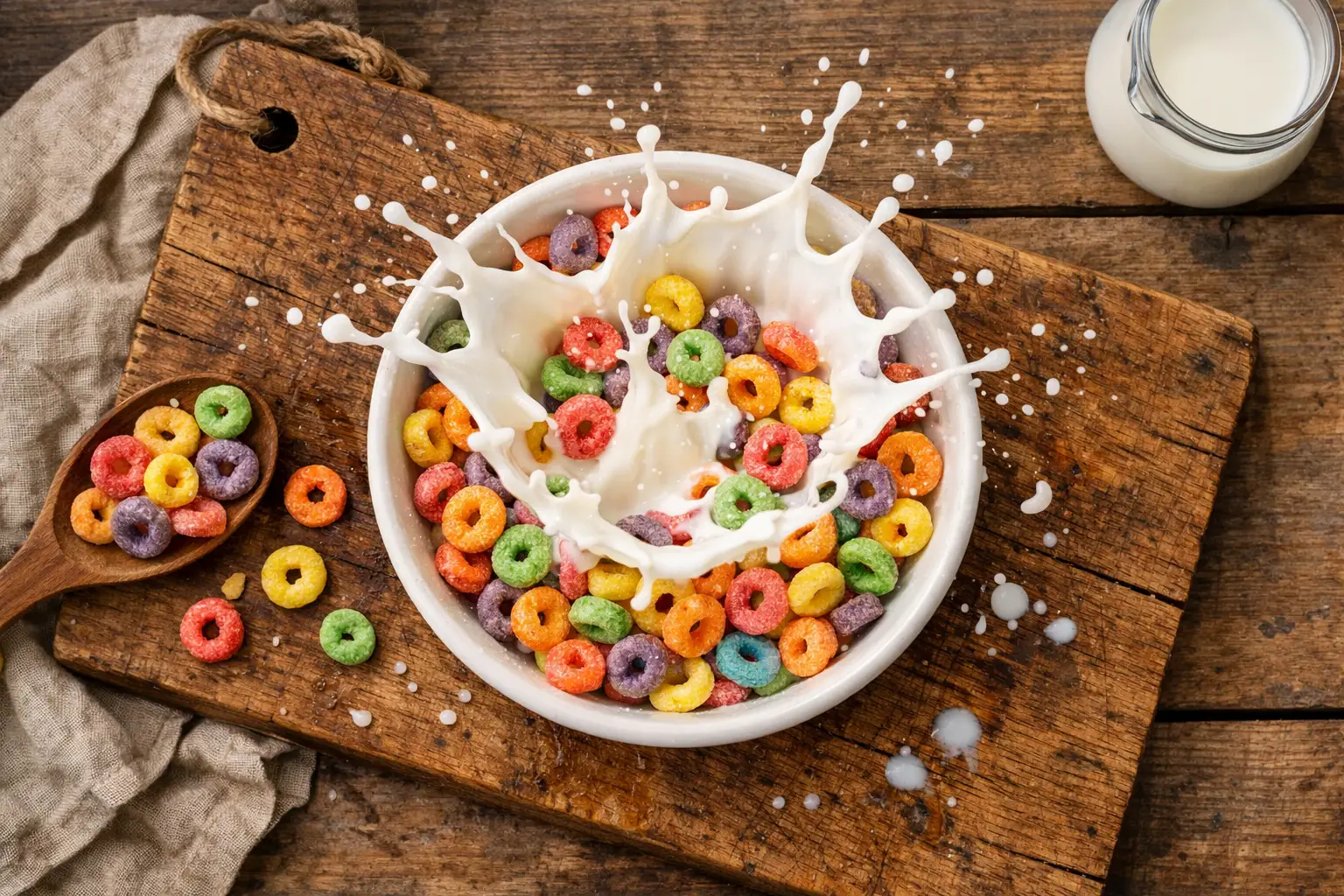
 Magic Spoon Cereal: 140 calories, 14 g carbs, 13 g protein and 6 g fat per 1 Cup (37g).
Quick Nutrition Facts
Per 1 Cup (37g)
| Nutrient | Amount |
|---|---|
| Calories | 140 kcal |
| Protein | 13g |
| Carbohydrates | 14g |
| Net Carbs | 4g |
| Fiber | 0g |
| Sugars | 0g |
| Fat | 6g |
| Saturated Fat | 1g |
| Sodium | 180mg |
| Allulose | 7g |
Macronutrient Breakdown
NUTRITIONIST INSIGHT
Magic Spoon delivers 13g of complete protein from casein and whey per serving, rivaling a protein shake in a cereal bowl. The allulose and monk fruit sweeteners have virtually zero glycemic impact, making it one of the most blood-sugar-friendly cereals available.
Myth Busters
MYTH #1: High-Protein Cereals Are Highly Processed Junk Food
TRUTH: Magic Spoon uses milk protein (casein and whey), allulose, and monk fruit, all recognized ingredients. Whey and casein are well-studied proteins that support muscle synthesis and satiety, not filler ingredients.
MYTH #2: Sugar-Free Means It Tastes Terrible
TRUTH: Magic Spoon uses allulose (a rare sugar with 0.2-0.4 cal/g) and monk fruit extract to deliver sweetness without the blood sugar spike. Studies show monk fruit sweeteners have minimal insulin response compared to sucrose-sweetened alternatives.
MYTH #3: Keto Cereals Can't Provide Real Nutrition
TRUTH: With 13g protein, 6g fat, and only 4g net carbs, Magic Spoon fits strict keto macros while delivering complete amino acids. High-protein breakfast cereals improve satiety and reduce overall daily calorie intake.
MYTH #4: Allulose Is Just Another Artificial Sweetener
TRUTH: Allulose is a naturally occurring rare sugar found in figs, raisins, and maple syrup. A systematic review and meta-analysis confirmed allulose significantly attenuates postprandial blood glucose levels in healthy humans.
MYTH #5: You Need Whole Grains for a Healthy Breakfast
TRUTH: While whole grains provide fiber, Magic Spoon compensates with 13g protein for satiety and stable energy. Grain-free doesn't mean nutrient-free. For fiber, pair with berries or chia seeds.
NutriScore by Health Goals
| Health Goal | NutriScore | Why This Score? |
|---|---|---|
| Weight Loss |  | 140 calories, 13g protein for satiety, 0g sugar. High thermic effect of protein aids calorie burning. |
| Muscle Gain | | 13g complete protein from casein + whey, ideal post-workout or morning muscle fuel. |
| Diabetes Management | | 0g sugar, 4g net carbs, allulose reduces postprandial glucose. Whey protein may improve glycemic control. |
| PCOS Management |  | Low sugar and high protein help manage insulin resistance. Monitor dairy protein tolerance individually. |
| Pregnancy Nutrition |  | Whey protein is generally safe during pregnancy, but lacks folate, iron, and key prenatal nutrients. Use as occasional option only. |
| Viral/Flu Recovery | | Protein supports immune function, easy to digest. Low calorie density means you may need additional energy sources. |
PERSONALIZED NUTRITION
Track your meals with NutriScan for personalized NutriScores based on your specific health goals!
Blood Sugar Response to Magic Spoon Cereal
Understanding how Magic Spoon affects your blood glucose helps optimize meal timing, especially for keto and diabetes management.
Typical Glucose Response Curve
This chart shows typical blood glucose response for general healthy individuals. Individual responses may vary. Not medical advice.
How to Flatten the Spike
Pairing protein-rich cereal with healthy fats further blunts any residual glucose response:
- 🥛 Unsweetened almond milk or whole milk - Adds healthy fats without excess carbs
- 🫐 Fresh berries (blueberries, strawberries) - Adds fiber and antioxidants with low GI
- 🥜 Nut butter drizzle (almond, peanut) - Healthy fats and additional protein
- 🥥 Coconut flakes or chia seeds - Extra fiber and omega-3 fatty acids
This combination keeps blood sugar remarkably stable while extending satiety for 3-4 hours.
Cultural Significance
Magic Spoon launched in 2019 as a direct-to-consumer cereal brand, disrupting the $10 billion US breakfast cereal market with a high-protein, low-carb alternative.
The Cereal Revolution:
- Founded by Gabi Lewis and Greg Sewitz, former cricket protein bar entrepreneurs
- Originally online-only, now in major retailers including Walmart, Target, and Kroger
- Part of the broader "functional food" movement prioritizing macros over empty carbs
- Tapped into millennial and Gen-Z nostalgia for childhood cereal flavors
Global Impact:
- Sparked a wave of high-protein cereal competitors worldwide
- Popularized allulose as a mainstream sweetener ingredient
- Demonstrated consumer demand for products that merge indulgence with nutrition
- Contributed to the shift from "low-fat" to "high-protein" breakfast culture
Compare & Substitute
Magic Spoon vs Other Cereals (Per Serving)
| Nutrient | Magic Spoon Fruity (37g) | Cheerios (28g) | Froot Loops (29g) | Catalina Crunch (36g) |
|---|---|---|---|---|
| Calories | 140 kcal | 100 kcal | 110 kcal | 110 kcal |
| Carbs | 14g (4g net) | 20g | 26g | 14g (5g net) |
| Fiber | 0g | 3g | 1g | 9g |
| Protein | 13g | 3g | 1g | 11g |
| Fat | 6g | 2g | 1g | 5g |
| Sugar | 0g | 1g | 12g | 0g |
| Best For | Keto, high-protein, muscle | Heart health, whole grains | Kids, traditional breakfast | Keto, high-fiber option |
Frequently Asked Questions
Is Magic Spoon cereal good for weight loss?
140 calories and 13g protein per serving make Magic Spoon an excellent weight loss cereal. The high protein content increases satiety and the thermic effect of food, meaning your body burns more calories digesting protein than carbs or fat.
Best practices: Use unsweetened almond milk (30 cal) instead of whole milk, stick to one serving, and pair with berries for added fiber.
Can diabetics eat Magic Spoon cereal?
Yes, one 37g cup is 4g net carbs with 0g sugar, which is unusually low for a cereal. The 13g of protein per cup slows the meal down further. The allulose sweetener has been shown to attenuate postprandial blood glucose levels.
Tips for diabetics:
- Use unsweetened milk alternatives to keep carbs low
- Monitor blood sugar 2 hours after eating to understand your response
- Pair with healthy fats (nuts, chia seeds) for slower absorption
- Limit to 1 serving per meal
Consult your healthcare provider for personalized dietary advice.
How much protein is in Magic Spoon cereal?
Each serving contains 13g of complete protein from a blend of casein and whey protein concentrate. This is roughly equivalent to 2 eggs and 10x more than Froot Loops (1g protein).
Casein protein digests slowly, providing sustained amino acid release, while whey is quickly absorbed for immediate muscle fuel.
Is Magic Spoon cereal keto-friendly?
With only 4g net carbs per serving, Magic Spoon fits comfortably within the 20-50g daily net carb limit for most ketogenic diets. The 6g fat and 13g protein also align well with keto macros.
Keto tips: Use full-fat coconut milk or heavy cream instead of regular milk. Add MCT oil or coconut oil for extra healthy fats.
What sweeteners does Magic Spoon use?
Magic Spoon uses allulose and monk fruit extract, both natural sweeteners with zero glycemic impact.
- Allulose: A rare sugar naturally found in figs and raisins. Provides 70% of sugar's sweetness with only 0.2-0.4 calories per gram
- Monk fruit: A plant-based sweetener with zero calories that does not trigger insulin response
Neither sweetener contributes to tooth decay or blood sugar spikes.
Is Magic Spoon safe during pregnancy?
The whey and casein proteins in Magic Spoon are generally considered safe during pregnancy. However, Magic Spoon lacks essential prenatal nutrients like folate, iron, and calcium that are critical during pregnancy.
Recommendation: Use as an occasional breakfast option, not a daily staple. Supplement with prenatal vitamins and folate-rich foods. Always consult your healthcare provider about dietary choices during pregnancy.




Similar Nutritious Foods
4505 Chicharrones Classic Chili Salt
7 Eleven Japan Crispy Corn Cheese
Explore More Nutrition Tools & Resources
AI Calorie Counter App - Snap a Photo, Get Macros
AI Nutritionist App That Reads Your Logged Meals
Best Protein Supplements for Women
Bulking Meal Plan App That Sets Your Surplus
ChatGPT Calorie Counter Alternative That Keeps the Total
ChatGPT Diet Plan Alternative That Tracks What You Eat
ChatGPT Weight Loss Coach Alternative With a Food Log
Fast Food Calorie Counter App That Reads the Tray
Free Calorie Tracker App with AI Photo Scans | NutriScan
Indian Diet Plan App With Veg and Non Veg Meals
Indian Food Calorie Calculator - Get Instant Nutrition Facts for Desi Meals — 2026
Intermittent Fasting for Women, Timer and Meal Log App
Intermittent Fasting Tracker App - Free Fasting Timer
Macro Tracker App That Fills the Numbers From a Photo
Mediterranean Diet Meal Plan App That Counts the Oil
Micronutrient Tracker App for Vitamins and Minerals
MyFitnessPal Alternative That Stays Free | NutriScan
NutriScore App: A Free Grade on Every Meal | NutriScan
Nutrition Label Scanner App for the Amount You Ate
Second Trimester Protein Guide
Vegetarian Meal Plan App With a Protein Target
Voice Calorie Counter - Speak to Track Meals Hands-Free
Water and Calorie Tracker App - Free Water Log