Marine Collagen Peptides: Calories, Nutrition and Health Benefits
Fish-sourced collagen with lower molecular weight for superior absorption, trending for skin elasticity, joint health, and anti-aging support.
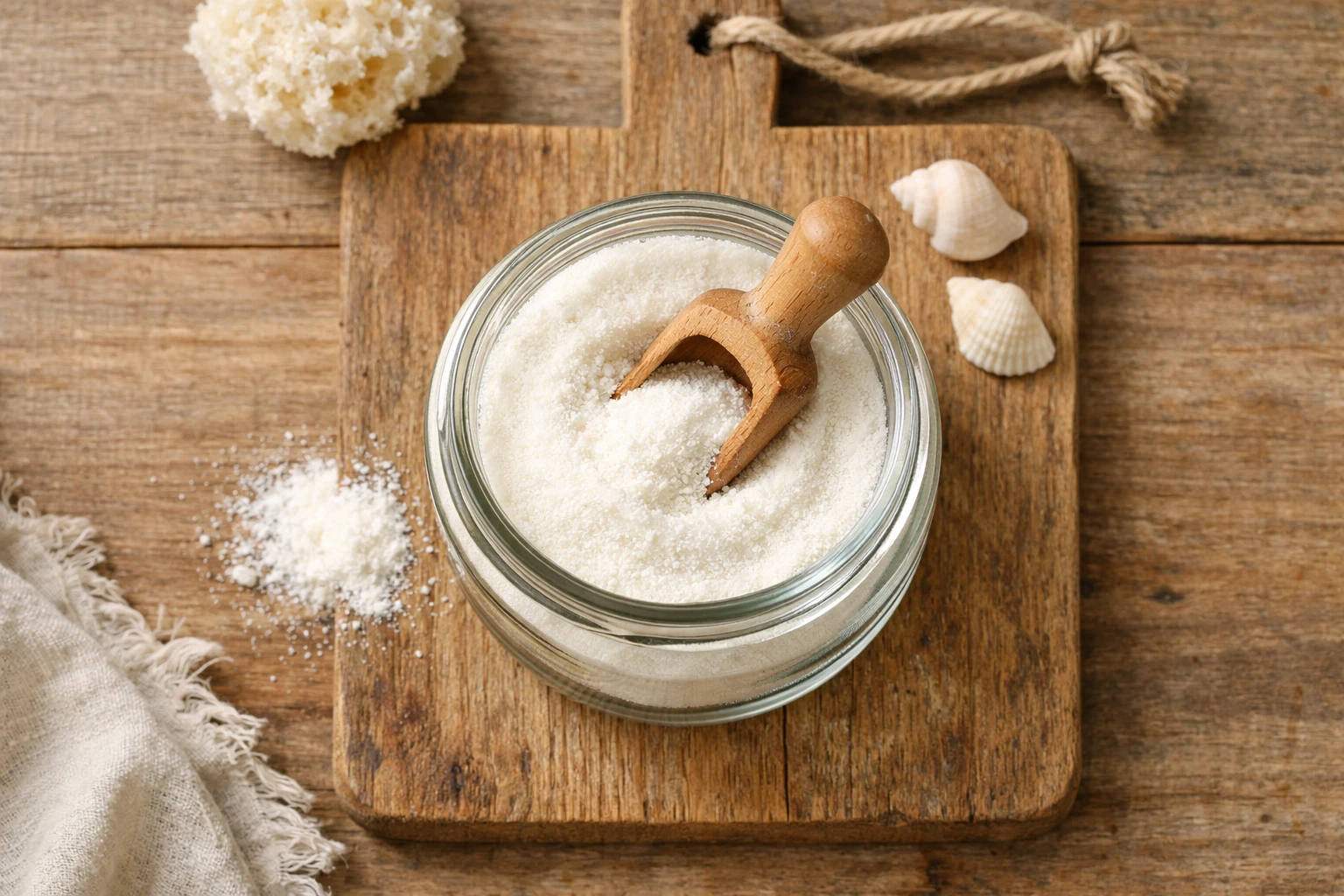
Quick Nutrition Facts
Per 1 Scoop (10-12g Powder)
| Nutrient | Amount |
|---|---|
| Calories | 35 kcal |
| Protein | 9g |
| Carbohydrates | 0g |
| Fat | 0g |
| Collagen Peptides | 10-12g |
| Glycine | ~2.5g |
| Proline | ~1.8g |
| Hydroxyproline | ~1.2g |
Key Amino Acids: Glycine, proline, hydroxyproline - essential building blocks for skin, joints, and connective tissue.
Macronutrient Breakdown
 ChatGPT
  Claude
  AI Mode
  Perplexity
NUTRITIONIST INSIGHT
Marine collagen has 1.5x better absorption than bovine collagen due to lower molecular weight. Take 10-12g daily with vitamin C (citrus, berries) for optimal collagen synthesis. Odorless and tasteless; easily mixes into coffee, smoothies, or water.
Myth Busters
MYTH #1: Collagen Supplements Don't Work Because They're Digested
TRUTH: Hydrolyzed collagen peptides resist digestion and reach the bloodstream intact, triggering fibroblast production of new collagen. Studies show increased skin elasticity and reduced wrinkles after 8-12 weeks of supplementation.
MYTH #2: All Collagen Supplements Are the Same
TRUTH: Marine collagen has smaller peptide size (2-5 kDa vs 10-20 kDa for bovine), leading to superior bioavailability. It's primarily Type I collagen (skin, bones) while bovine contains Type I and III. Source quality and molecular weight matter significantly.
MYTH #3: You Can Get Enough Collagen from Food
TRUTH: Collagen-rich foods (bone broth, fish skin) provide minimal peptides compared to supplements. To match a 10g collagen supplement, you'd need 2-3 cups of bone broth daily. Dietary collagen alone can't deliver therapeutic doses for skin and joint benefits.
MYTH #4: Marine Collagen Tastes Fishy
TRUTH: High-quality marine collagen is odorless and tasteless when properly processed. Choose pharmaceutical-grade brands with third-party testing. Cheap products may have fishy aftertaste; premium hydrolyzed peptides dissolve completely in any beverage without flavor.
MYTH #5: Collagen Only Benefits Skin
TRUTH: Collagen peptides support joints, bones, gut lining, muscle recovery, and cardiovascular health. Type I collagen (marine) strengthens connective tissue throughout the body, not just skin. Benefits extend to tendons, ligaments, and arterial walls.
MYTH #6: More Collagen Is Always Better
TRUTH: Research shows 10-12g daily is optimal for most benefits; 2.5-5g minimum effective dose; 15-20g for joint support. Doses above 20g don't provide additional benefits and waste money. Consistency matters more than mega-dosing.
NutriScore by Health Goals
| Health Goal | NutriScore | Why This Score? |
|---|---|---|
| Weight Loss |  | Low-calorie protein (35 kcal, 9g protein per scoop) promotes satiety. May improve body composition by supporting lean muscle mass. |
| Muscle Gain | | Provides glycine and proline for connective tissue repair. Supports muscle recovery but not a complete protein (lacks tryptophan). Combine with whey/casein. |
| Diabetes Management | | Zero carbs, doesn't affect blood sugar. May improve insulin sensitivity through glycine. Safe for diabetics as protein supplement. |
| PCOS Management | | Supports hormonal balance through amino acid profile. May improve skin quality affected by PCOS. Low-calorie protein option. |
| Pregnancy Nutrition | | Generally safe during pregnancy when choosing low-mercury fish sources; supports skin elasticity and connective tissue; consult doctor first. |
| Viral/Flu Recovery |  | Glycine supports immune function and gut lining repair. Provides protein for recovery, but not a primary immune booster. |
PERSONALIZED NUTRITION
Track your supplements with NutriScan for personalized recommendations based on your specific health goals!
Collagen Absorption Timeline
Understanding how marine collagen is absorbed and utilized helps optimize timing and expectations.
Typical Absorption & Utilization Curve
This chart shows typical collagen peptide absorption after 10g dose. Peak blood levels at 1-2 hours, sustained availability for 8-12 hours. Not medical advice.
How to Maximize Collagen Effectiveness
Optimize marine collagen benefits with these evidence-based strategies:
- 🍊 Combine with vitamin C - Essential cofactor for collagen synthesis; take with citrus, berries, or supplement
- ⏰ Take on empty stomach - Morning or before bed for best absorption; avoid with coffee/tea initially
- 💧 Stay hydrated - Water supports collagen integration into tissues; aim for 8-10 cups daily
- 🥗 Support with antioxidants - Vitamin E, zinc, copper protect collagen from degradation
This approach maximizes collagen peptide delivery to skin, joints, and connective tissues.
Cultural Significance
Marine collagen represents ancient wellness wisdom meeting modern bioavailability science.
In Traditional Medicine:
- Japanese and Korean cultures consumed fish skin and bone broths for skin beauty for centuries
- Traditional Chinese Medicine used fish collagen for joint and bone health
- Coastal Mediterranean diets naturally rich in marine collagen from fish consumption
- Scandinavian cod skin and bone broths traditional for harsh winter skin protection
Modern Science:
- First hydrolyzed marine collagen extracted in 1990s in Japan
- Over 150 clinical studies on collagen peptides since 2000
- Beauty industry adopts marine collagen as gold standard for skin supplements
- Sustainable sourcing from fish scales and skin (byproduct utilization)
Compare & Substitute
Marine vs Other Collagen Sources (Per 10g)
| Nutrient | 🐟 Marine Collagen | 🐄 Bovine Collagen | 🐔 Chicken Collagen | 🥚 Eggshell Membrane |
|---|---|---|---|---|
| Calories | 35 kcal | 36 kcal | 35 kcal | 30 kcal |
| Protein | 9g | 9g | 8.5g | 7g |
| Collagen Type | Type I, III | Type I, III | Type II | Type I, V, X |
| Molecular Weight | 2-5 kDa (smallest) | 10-20 kDa | 15-25 kDa | Variable |
| Absorption | Superior (1.5x faster) | Good | Moderate | Moderate |
| Glycine | ~2.5g | ~2.2g | ~2.0g | ~1.8g |
| Best For | Skin, bones, anti-aging | Skin, gut, bones | Joint cartilage | Joint mobility |
| Sustainability | High (fish byproduct) | Moderate | Moderate | High |
Frequently Asked Questions
What is the optimal marine collagen dosage?
Optimal dosage is 10-12g daily (1 scoop) for skin and general health; 15-20g daily for joint support or intense training; minimum effective dose is 2.5-5g daily.
Best practices: Start with 10g daily for 8-12 weeks to assess benefits; increase to 15-20g if targeting joint recovery; take consistently at same time daily; combine with 100mg vitamin C for synthesis support.
When should I take marine collagen?
Take marine collagen on empty stomach in morning or before bed for optimal absorption.
Timing tips:
- Best times: morning (30 minutes before breakfast) or bedtime (2 hours after dinner)
- With vitamin C: add to orange juice, lemon water, or smoothie with berries
- Avoid with coffee/tea initially: tannins may reduce absorption (wait 30 minutes)
- Split dose: 5g morning + 5g evening for sustained availability
Morning intake maximizes collagen synthesis during daytime cellular repair.
What are the main benefits of marine collagen?
Key Benefits:
- Skin Elasticity: Reduces wrinkles by 20-30%, improves hydration and firmness after 8-12 weeks
- Joint Health: Reduces joint pain and stiffness; supports cartilage regeneration
- Hair & Nails: Strengthens brittle nails and promotes hair growth and thickness
- Gut Lining: Repairs intestinal permeability (leaky gut) through glycine and proline
- Muscle Recovery: Supports connective tissue repair after exercise
- Bone Density: Provides structural protein for bone matrix strength
Is marine collagen better than bovine collagen?
Marine collagen has smaller peptide size (2-5 kDa vs 10-20 kDa bovine) for 1.5x better absorption. It's primarily Type I collagen (best for skin, bones, tendons) while bovine contains Type I and III.
Marine advantages: superior bioavailability; sustainable sourcing; no religious dietary restrictions; lower heavy metal risk.
Bovine advantages: often cheaper; contains Type III (skin and blood vessels); more widely available.
Choose marine for skin-focused benefits; bovine for gut and broader connective tissue support.
How long does marine collagen take to work?
Timeline of Results:
- 4-6 weeks: Initial skin hydration improvements, subtle glow
- 8-12 weeks: Visible wrinkle reduction, improved skin elasticity (clinically proven)
- 12-16 weeks: Joint pain reduction, improved mobility
- 3-6 months: Hair thickness, nail strength, sustained anti-aging benefits
Individual results vary by age, baseline collagen levels, and lifestyle. Consistency is critical for results.
Are there side effects of marine collagen?
Marine collagen is generally safe with minimal side effects. Some users report mild digestive upset initially, fishy aftertaste (with low-quality brands), or allergic reactions if fish/shellfish allergic.
Safety notes:
- Start with 5g daily and increase to 10-12g over 1-2 weeks
- Choose odorless, pharmaceutical-grade brands for best tolerance
- Avoid if allergic to fish or shellfish
- Consult doctor if pregnant, breastfeeding, or on blood thinners
- Generally recognized as safe (GRAS) by FDA
No serious adverse effects reported in clinical trials at standard doses (10-20g).
Can I combine marine collagen with other supplements?
Synergistic Combinations:
- Vitamin C: Essential for collagen synthesis; take 100-500mg with collagen dose
- Hyaluronic Acid: Enhances skin hydration alongside collagen structure
- Biotin: Supports hair and nail benefits of collagen
- Vitamin E & Zinc: Protect collagen from oxidative damage
Avoid high-dose calcium immediately with collagen (may compete for absorption). Take collagen 2 hours apart from iron supplements.


Similar Nutritious Foods & Supplements
4505 Chicharrones Classic Chili Salt
7 Eleven Japan Crispy Corn Cheese
Explore More Nutrition Tools & Resources
AI Calorie Counter App - Snap a Photo, Get Macros
AI Nutritionist App That Reads Your Logged Meals
Best Protein Supplements for Women
Bulking Meal Plan App That Sets Your Surplus
ChatGPT Calorie Counter Alternative That Keeps the Total
ChatGPT Diet Plan Alternative That Tracks What You Eat
ChatGPT Weight Loss Coach Alternative With a Food Log
Fast Food Calorie Counter App That Reads the Tray
Free Calorie Tracker App with AI Photo Scans | NutriScan
Indian Diet Plan App With Veg and Non Veg Meals
Indian Food Calorie Calculator - Get Instant Nutrition Facts for Desi Meals — 2026
Intermittent Fasting for Women, Timer and Meal Log App
Intermittent Fasting Tracker App - Free Fasting Timer
Macro Tracker App That Fills the Numbers From a Photo
Mediterranean Diet Meal Plan App That Counts the Oil
Micronutrient Tracker App for Vitamins and Minerals
MyFitnessPal Alternative That Stays Free | NutriScan
NutriScore App: A Free Grade on Every Meal | NutriScan
Nutrition Label Scanner App for the Amount You Ate
Second Trimester Protein Guide
Vegetarian Meal Plan App With a Protein Target
Voice Calorie Counter - Speak to Track Meals Hands-Free
Water and Calorie Tracker App - Free Water Log