Matty's Bowl KFC Poutine: Calories, Nutrition and Health Facts
Canada's iconic comfort bowl: crispy fries, squeaky cheese curds, and rich brown gravy delivering 520 calories, 15g protein, and 52g carbs per serving.
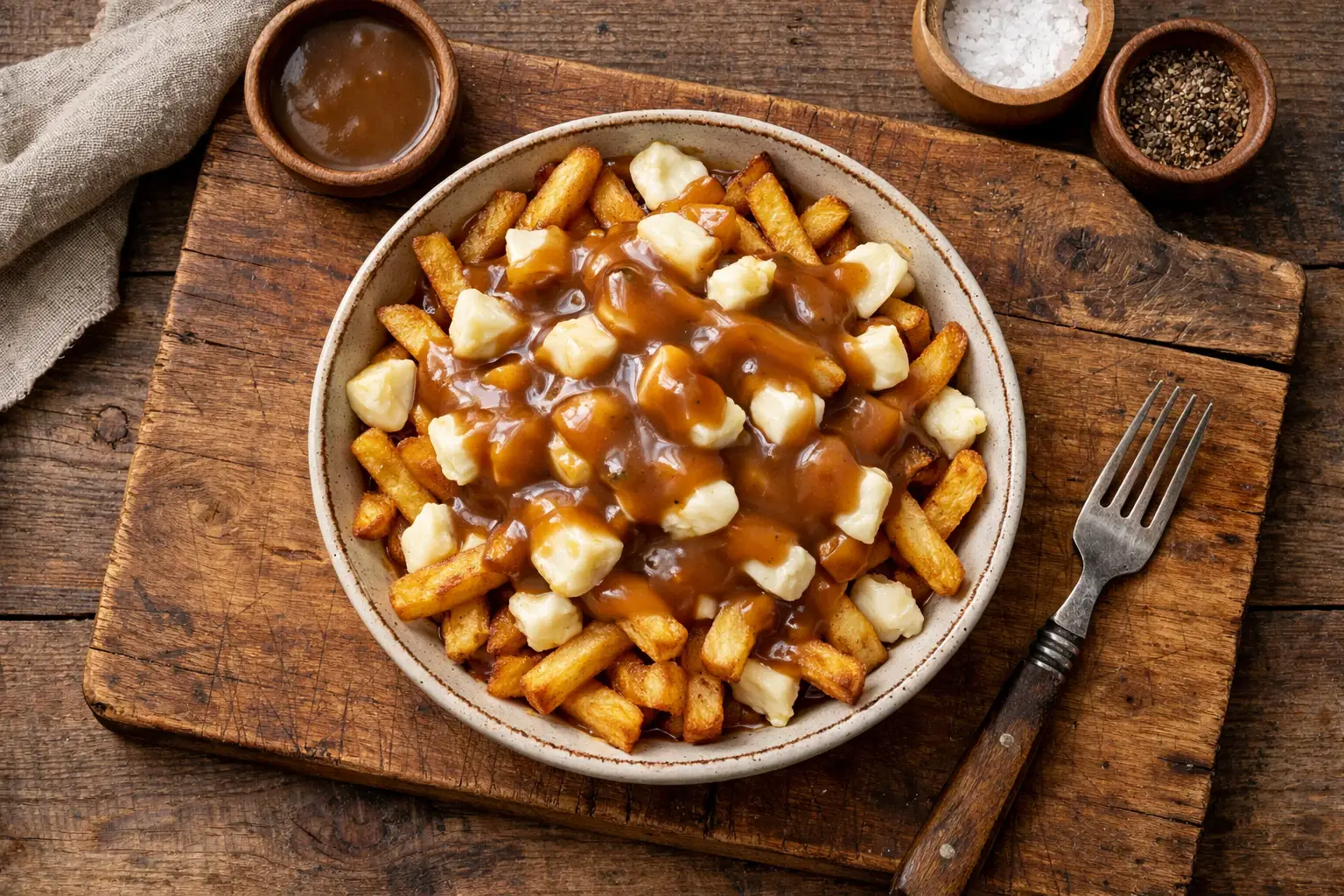
Quick Nutrition Facts
Per 1 Bowl (~300g)
| Nutrient | Amount |
|---|---|
| Calories | 520 kcal |
| Protein | 15g |
| Carbohydrates | 52g |
| Fiber | 3g |
| Sugars | 2g |
| Fat | 28g |
| Saturated Fat | 10g |
| Sodium | 1290mg |
| Calcium | 390mg |
| Potassium | 430mg |
Macronutrient Breakdown
 ChatGPT
  Claude
  AI Mode
  Perplexity
NUTRITIONIST INSIGHT
Poutine delivers 54% of your daily sodium in a single bowl. The cheese curds provide a surprising 39% DV calcium, but the 28g fat (10g saturated) makes portion control essential. Share a bowl or pair with a side salad to balance the meal.
Myth Busters
MYTH #1: Poutine Spikes Blood Sugar Worse Than Plain Fries
TRUTH: The opposite is true. Adding cheese to potatoes lowers the glycemic index from 77 to approximately 39. The fat and protein in cheese curds and gravy slow gastric emptying, reducing the blood sugar spike compared to eating fries alone.
MYTH #2: Cheese Curds Are Just Junk Food
TRUTH: Cheese curds deliver significant calcium (up to 45% DV), vitamin B12, phosphorus, and selenium per serving. Research suggests the "dairy matrix" means cheese fat may have different cardiovascular effects than equivalent saturated fat from other sources.
MYTH #3: All Poutine Is Equally Unhealthy
TRUTH: Nutrition varies dramatically. Matty's Bowl at 520 calories is significantly lighter than KFC's full poutine (720 calories, 40g fat). Preparation method affects glycemic response - baked fries or sweet potato fries can improve the nutritional profile.
MYTH #4: Poutine Has No Nutritional Value
TRUTH: Beyond macros, poutine provides potassium from potatoes (430mg), calcium from cheese curds (390mg), and vitamin C (~20% DV) from the potatoes. It is calorie-dense but not nutrient-empty.
MYTH #5: You Should Never Eat Poutine on a Diet
TRUTH: Occasional indulgence with portion control is part of sustainable eating. Share a bowl (260 cal per half), skip sugary drinks, and balance with lighter meals throughout the day. Rigid restriction often leads to binge eating.
NutriScore by Health Goals
| Health Goal | NutriScore | Why This Score? |
|---|---|---|
| Weight Loss |  | 520 calories and 28g fat per bowl is calorie-dense. Share portions or limit to occasional treat. |
| Muscle Gain |  | 15g protein is moderate; 52g carbs aid glycogen replenishment post-workout. Add grilled chicken for better protein ratio. |
| Diabetes Management | | 52g carbs significantly impacts blood sugar. High-fat meals impair insulin sensitivity and cause prolonged glucose elevation. |
| PCOS Management | | High glycemic load and saturated fat can worsen insulin resistance. Limit to small portions infrequently. |
| Pregnancy Nutrition | | High sodium (54% DV) is a concern. Western diet patterns with high salt and fat are linked to increased preeclampsia risk. |
| Viral/Flu Recovery | | Provides quick energy and electrolytes (potassium, sodium). Heavy fat content may be hard to digest during illness. Opt for smaller portions. |
PERSONALIZED NUTRITION
Track your meals with NutriScan for personalized NutriScores based on your specific health goals!
Blood Sugar Response to Poutine
Understanding how poutine affects your blood glucose can help you make informed decisions about portion size and meal pairing.
Typical Glucose Response Curve
*This chart shows typical blood glucose response for general healthy individuals. Individual responses may vary. Not medical advice.*
How to Flatten the Spike
Adding protein or fiber to high-carb meals slows glucose absorption and reduces the peak blood sugar level:
- 🥗 Side salad with vinaigrette - Fiber and acetic acid slow carb absorption
- 🥒 Pickled vegetables - Vinegar helps moderate glucose response
- 🍗 Grilled chicken breast - Extra protein improves satiety and glucose control
- 🫘 Side of baked beans - Fiber-rich legumes lower overall glycemic load
This combination not only reduces the glucose spike but also extends energy release, keeping you fuller for longer.
Cultural Significance
Poutine is a Quebecois culinary icon that has become one of Canada's most recognized dishes worldwide.
In Canada:
- Originated in rural Quebec in the late 1950s, with multiple towns claiming its invention
- "Poutine" likely derives from Quebecois slang for "a mess" - describing the dish's appearance
- Elevated from roadside diner food to gourmet restaurants across the country
- National Poutine Day celebrated on April 11th; La Poutine Week is an annual festival
Global Impact:
- KFC, McDonald's, and other chains offer poutine variations across Canada
- Adapted worldwide: kimchi poutine (Korea), butter chicken poutine (India), pulled pork poutine (USA)
- Cheese curds are essential - shredded cheese is considered inauthentic by purists
- The squeak of fresh cheese curds is the hallmark of quality poutine
Compare & Substitute
Poutine vs Similar Comfort Foods (Per 100g)
| Nutrient | 🍟 Poutine | 🍔 Loaded Fries | 🧀 Mac & Cheese | 🌮 Nachos with Cheese |
|---|---|---|---|---|
| Calories | 173 kcal | 195 kcal | 164 kcal | 189 kcal |
| Carbs | 17g | 19g | 18g | 21g |
| Fiber | 1g | 1.5g | 0.8g | 1.8g |
| Protein | 5g | 6g | 7g | 6g |
| Fat | 9.3g | 11g | 7g | 9g |
| Sodium | 430mg | 380mg | 350mg | 410mg |
| Calcium | 130mg | 85mg | 120mg | 95mg |
| Best For | Calcium, comfort, post-workout | Indulgence, higher protein | Lower fat option, kid-friendly | Fiber, shareable snack |
Frequently Asked Questions
How many calories are in KFC Poutine?
Matty's Bowl KFC Poutine contains approximately 520 calories per bowl with 15g protein, 28g fat, and 52g carbs. The full-size KFC Canada poutine is higher at around 720 calories per 343g serving.
Calorie breakdown: 48% from fat, 40% from carbohydrates, 12% from protein.
Is KFC Poutine bad for weight loss?
520 calories per bowl is significant for a single side dish. For weight loss, share a bowl (260 calories per half), skip sugary drinks, and balance with lighter meals throughout the day.
Tips for portion control:
- Split with a friend for a 260-calorie treat
- Pair with grilled chicken instead of fried items
- Skip the combo meal and have poutine as your main
Can diabetics eat poutine?
52g carbs per bowl impacts blood sugar, though cheese curds and gravy moderate the glycemic response compared to plain fries. Small portions with blood glucose monitoring are recommended.
Tips for diabetics:
- Eat half a bowl at a time (26g carbs)
- Pair with a protein-rich main to slow absorption
- Avoid consuming with other high-carb items
- Monitor blood sugar 2-3 hours after eating
Is poutine high in sodium?
Yes, approximately 1290-1480mg sodium per serving (54-62% daily value). The sodium comes from gravy, cheese curds, and seasoned fries combined. People with hypertension should limit intake or choose reduced-sodium gravy options.
Are cheese curds in poutine nutritious?
Cheese curds are a good source of calcium (up to 45% DV per poutine serving), vitamin B12, phosphorus, and selenium. They provide complete protein and probiotics from the fermentation process. The saturated fat content is a concern, but research suggests cheese fat may behave differently in the body than saturated fat from other sources.
How can I make poutine healthier?
Healthier swaps:
- Bake the fries instead of deep-frying to cut fat by 40-50%
- Use reduced-sodium gravy or make gravy from scratch with low-sodium broth
- Add vegetables like green peas, mushrooms, or roasted peppers
- Try sweet potato fries for more fiber and vitamin A
- Use smaller portions with a side salad for balance
Track your poutine with NutriScan app to see exactly how it fits your daily nutrition goals.




Similar Nutritious Foods
4505 Chicharrones Classic Chili Salt
7 Eleven Japan Crispy Corn Cheese
Explore More Nutrition Tools & Resources
AI Calorie Counter App - Snap a Photo, Get Macros
AI Nutritionist App That Reads Your Logged Meals
Best Protein Supplements for Women
Bulking Meal Plan App That Sets Your Surplus
ChatGPT Calorie Counter Alternative That Keeps the Total
ChatGPT Diet Plan Alternative That Tracks What You Eat
ChatGPT Weight Loss Coach Alternative With a Food Log
Fast Food Calorie Counter App That Reads the Tray
Free Calorie Tracker App with AI Photo Scans | NutriScan
Indian Diet Plan App With Veg and Non Veg Meals
Indian Food Calorie Calculator - Get Instant Nutrition Facts for Desi Meals — 2026
Intermittent Fasting for Women, Timer and Meal Log App
Intermittent Fasting Tracker App - Free Fasting Timer
Macro Tracker App That Fills the Numbers From a Photo
Mediterranean Diet Meal Plan App That Counts the Oil
Micronutrient Tracker App for Vitamins and Minerals
MyFitnessPal Alternative That Stays Free | NutriScan
NutriScore App: A Free Grade on Every Meal | NutriScan
Nutrition Label Scanner App for the Amount You Ate
Second Trimester Protein Guide
Vegetarian Meal Plan App With a Protein Target
Voice Calorie Counter - Speak to Track Meals Hands-Free
Water and Calorie Tracker App - Free Water Log