Metabolic Mastery Foods: Calories, Nutrition and Health Benefits
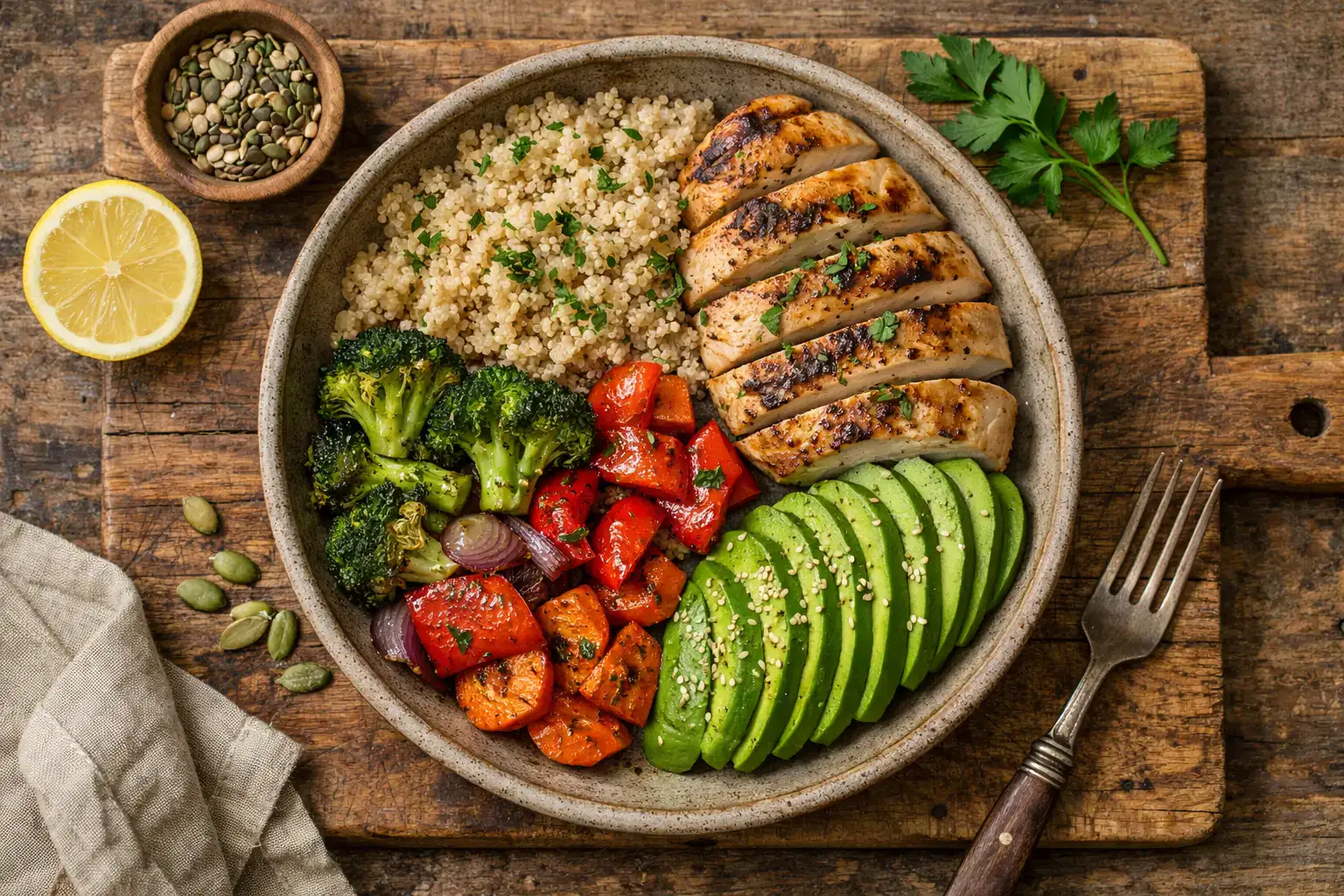
Australia's trending blood sugar optimized meals delivering 300-400 calories, 25-35g protein, and low glycemic carbs per serving for sustained energy and metabolic health.
Quick Nutrition Facts
Per 1 Balanced Meal Serving (350g)
| Nutrient | Amount |
|---|---|
| Calories | 350 kcal |
| Protein | 30g |
| Carbohydrates | 30g |
| Fiber | 8g |
| Sugars | 5g |
| Fat | 12g |
| Potassium | 620mg |
| Vitamin C | 25mg |
| Iron | 3.5mg |
| Magnesium | 85mg |
Macronutrient Breakdown
 ChatGPT
  Claude
  AI Mode
  Perplexity
NUTRITIONIST INSIGHT
Metabolic mastery meals use the protein-first eating strategy proven to reduce post-meal glucose spikes by up to 73%. With 30g protein and 8g fiber per serving, these meals keep you full for 3-5 hours while maintaining stable blood sugar.
Myth Busters
MYTH #1: You Need to Cut All Carbs for Blood Sugar Control
TRUTH: Metabolic mastery foods include 30g of low glycemic carbs per meal. Research shows carbohydrate quality matters more than restriction. Complex carbs from quinoa, sweet potato, and legumes paired with protein produce a gentle glucose response.
MYTH #2: High Protein Meals Are Hard on Your Kidneys
TRUTH: For healthy adults, 25-35g protein per meal is well within safe limits. Studies confirm moderate protein intake supports metabolic health without kidney stress. Only those with existing kidney disease need to limit protein.
MYTH #3: Metabolic Meals Are Bland and Boring
TRUTH: These meals feature diverse ingredients like grilled chicken, roasted vegetables, avocado, quinoa, and fermented foods. The emphasis is on balanced flavor through herbs, spices, and healthy fats rather than added sugars.
MYTH #4: Eating Fat Makes You Store More Fat
TRUTH: The 12g of healthy fats per meal (from avocado, olive oil, nuts) actually slow glucose absorption and reduce insulin spikes. Healthy fats are essential for hormone production and nutrient absorption.
MYTH #5: Blood Sugar Only Matters for Diabetics
TRUTH: Blood sugar stability affects energy, mood, focus, and weight for everyone. Low glycemic diets reduce fasting glucose, insulin levels, and triglycerides even in non-diabetic individuals.
NutriScore by Health Goals
| Health Goal | NutriScore | Why This Score? |
|---|---|---|
| Weight Loss |  | 350 calories with 30g protein and 8g fiber maximizes fullness. Low glycemic profile prevents insulin-driven fat storage. |
| Muscle Gain | | 30g complete protein per meal supports muscle protein synthesis. Balanced carbs replenish glycogen post-workout. |
| Diabetes Management | | Designed for blood sugar control. ADA recommends 40-45% carbs, 20-30% protein - these meals match this ratio perfectly. |
| PCOS Management | | Low glycemic load reduces insulin resistance. High fiber and protein support hormonal balance. |
| Pregnancy Nutrition |  | Good protein and iron for fetal development. ACOG recommends balanced meals with lean protein, whole grains, and vegetables. Consult your provider for personalized needs. |
| Viral/Flu Recovery | | 25mg vitamin C, easily digestible protein, and electrolytes from vegetables support immune recovery. |
PERSONALIZED NUTRITION
Track your meals with NutriScan for personalized NutriScores based on your specific health goals!
Blood Sugar Response to Metabolic Mastery Meals
Understanding how these optimized meals affect blood glucose shows why meal composition matters more than calorie counting alone.
Typical Glucose Response Curve
*This chart shows typical blood glucose response for general healthy individuals. Individual responses may vary. Not medical advice.*
How to Flatten the Spike
Eating protein and vegetables before carbohydrates reduces incremental glucose peaks by 28-37% at 30-60 minutes post-meal:
- 🥗 Start with vegetables - Non-starchy greens and fiber-rich veggies slow gastric emptying
- 🍗 Eat protein second - Chicken, fish, or tofu triggers satiety hormones and blunts glucose absorption
- 🍠 Finish with carbs - Quinoa, sweet potato, or lentils arrive in a pre-buffered gut environment
- 🥑 Include healthy fats - Avocado or olive oil further slow carbohydrate digestion
This protein-first eating order not only reduces glucose spikes but extends energy release for 3-5 hours.
Cultural Significance
Metabolic mastery foods emerged from Australia's growing health optimization movement, blending sports nutrition science with everyday meal planning.
In Australia:
- NutriThrive AU popularized blood sugar optimized meals in 2026
- Australian dietary guidelines emphasize balanced plates with lean protein and whole grains
- Fermented foods like yoghurt and kefir are key components, reflecting Australia's dairy culture
- The trend bridges Aboriginal bush foods (kangaroo, wattleseed, finger lime) with modern nutrition science
Global Impact:
- Aligns with the worldwide shift from calorie counting to metabolic health
- Inspired by Mediterranean and Japanese dietary patterns known for longevity
- Supports the 2026 trend of "fibermaxxing" - prioritizing fiber intake throughout the day
- Growing adoption in corporate wellness and sports performance programs
Compare & Substitute
Metabolic Mastery Meal vs Similar Meal Plans (Per Serving)
| Nutrient | 🥗 Metabolic Mastery | 🥙 Mediterranean Bowl | 🍱 Japanese Bento | 🥗 Standard Salad |
|---|---|---|---|---|
| Calories | 350 kcal | 420 kcal | 380 kcal | 250 kcal |
| Carbs | 30g | 40g | 45g | 15g |
| Fiber | 8g | 7g | 5g | 4g |
| Protein | 30g | 22g | 25g | 18g |
| Fat | 12g | 18g | 10g | 12g |
| GI Rating | Low | Low-Medium | Medium | Low |
| Sugar | 5g | 8g | 10g | 6g |
| Best For | Blood sugar control, diabetes | Heart health, balanced energy | Portion control, variety | Low calorie, quick meals |
Frequently Asked Questions
What are metabolic mastery foods?
Blood sugar optimized meals delivering 300-400 calories with 25-35g protein and low glycemic carbohydrates per serving. Each meal is designed to produce a gentle glucose curve, keeping blood sugar stable for 3-5 hours.
Key components: lean protein (chicken, fish, tofu), low GI carbs (quinoa, sweet potato, lentils), fiber-rich vegetables, and healthy fats (avocado, olive oil).
Are metabolic mastery foods good for weight loss?
Yes. 350 calories with 30g protein and 8g fiber creates strong satiety. The low glycemic profile prevents insulin spikes that promote fat storage.
Best practices: Eat 3 metabolic meals plus 1-2 snacks daily (1,200-1,600 cal range), eat protein and vegetables before carbs, and space meals 3-5 hours apart.
Can diabetics eat metabolic mastery foods?
These meals are ideal for diabetes management. The balanced macro ratio matches ADA recommendations of 40-45% carbs, 20-30% protein, and 30-35% fat.
Tips for diabetics:
- Use the Diabetes Plate method: half non-starchy veggies, quarter protein, quarter carbs
- Monitor blood sugar 2 hours post-meal (target: under 140 mg/dL)
- Eat protein and vegetables before carbohydrates
- Include fermented foods for gut-metabolic health connection
What is the ideal macronutrient ratio for metabolic meals?
30g protein (35%), 30g carbs (34%), 12g fat (31%) per serving. This ratio slows glucose absorption, supports muscle maintenance, and provides sustained energy.
Adjust for goals: Athletes may increase carbs to 40g. Those on keto can reduce carbs to 15-20g and increase fat to 20g.
How do metabolic mastery foods affect blood sugar?
These meals produce a gentle glucose curve peaking at 120-130 mg/dL around 45 minutes, returning to baseline by 120 minutes. Eating protein before carbs reduces glucose spikes by up to 73%.
What foods are commonly included?
Protein: Grilled chicken breast, salmon, tofu, eggs, Greek yogurt. Carbs: Quinoa, sweet potato, lentils, brown rice, rolled oats. Vegetables: Broccoli, spinach, bell peppers, zucchini, kale. Fats: Avocado, extra virgin olive oil, almonds, walnuts. Fermented: Yoghurt, kefir, kimchi, sauerkraut.
Track your meals with NutriScan app to see how metabolic mastery foods fit your personal nutrition goals.




Similar Nutritious Foods
4505 Chicharrones Classic Chili Salt
7 Eleven Japan Crispy Corn Cheese
Explore More Nutrition Tools & Resources
AI Calorie Counter App - Snap a Photo, Get Macros
AI Nutritionist App That Reads Your Logged Meals
Best Protein Supplements for Women
Bulking Meal Plan App That Sets Your Surplus
ChatGPT Calorie Counter Alternative That Keeps the Total
ChatGPT Diet Plan Alternative That Tracks What You Eat
ChatGPT Weight Loss Coach Alternative With a Food Log
Fast Food Calorie Counter App That Reads the Tray
Free Calorie Tracker App with AI Photo Scans | NutriScan
Indian Diet Plan App With Veg and Non Veg Meals
Indian Food Calorie Calculator - Get Instant Nutrition Facts for Desi Meals — 2026
Intermittent Fasting for Women, Timer and Meal Log App
Intermittent Fasting Tracker App - Free Fasting Timer
Macro Tracker App That Fills the Numbers From a Photo
Mediterranean Diet Meal Plan App That Counts the Oil
Micronutrient Tracker App for Vitamins and Minerals
MyFitnessPal Alternative That Stays Free | NutriScan
NutriScore App: A Free Grade on Every Meal | NutriScan
Nutrition Label Scanner App for the Amount You Ate
Second Trimester Protein Guide
Vegetarian Meal Plan App With a Protein Target
Voice Calorie Counter - Speak to Track Meals Hands-Free
Water and Calorie Tracker App - Free Water Log