MULU High-Protein Cottage Cheese: Calories, Nutrition and Health Benefits
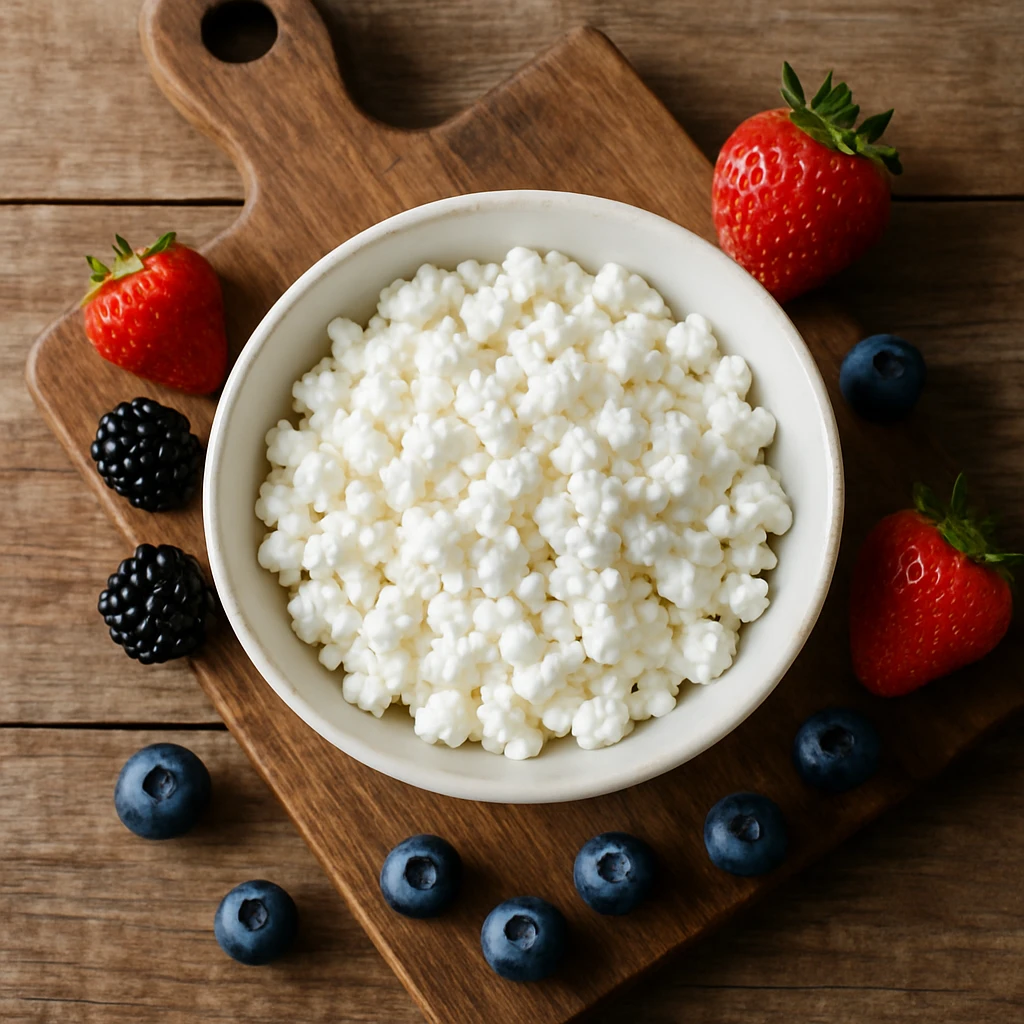
MULU High-Protein Cottage Cheese is a DFA-brand ultra-filtered cottage cheese delivering 100 calories, 18g protein, 4g carbs, and 2g fat per half-cup (113g). The high protein-to-calorie ratio makes it one of the most macro-efficient dairy proteins available in the US market.
Quick Nutrition Facts
Per ½ cup (113g)
| Nutrient | Amount |
|---|---|
| Calories | 100 kcal |
| Protein | 18g |
| Carbohydrates | 4g |
| Fiber | 0g |
| Sugars | 3g |
| Fat | 2g |
| Sodium | 320 mg |
Macronutrient Breakdown
 ChatGPT
  Claude
  AI Mode
  Perplexity
NUTRITIONIST'S INSIGHT
MULU stands out for its protein density: 18g per 100 calories is exceptional for a dairy product. The low carbohydrate load (4g) makes it easy to fit into low-carb, high-protein, or calorie-deficit plans. Watch sodium if eating multiple servings — around 320mg per half-cup adds up. Pair with fruit, nuts, or vegetables to round out fiber and micronutrients dairy doesn't provide.
Myth Busters
MYTH #1: Cottage cheese is a low-protein food compared to Greek yogurt.
TRUTH: MULU delivers 18g protein per half-cup (113g), which matches or exceeds many Greek yogurt brands at a similar serving size and calorie count. USDA FoodData Central – Cottage Cheese; USDA MyPlate – Protein Foods Nutrients and Health
MYTH #2: High-protein cottage cheese is heavily processed and therefore unhealthy.
TRUTH: Ultra-filtration concentrates natural milk protein by removing water and lactose. It does not introduce artificial additives. FDA labeling guidelines apply to the final product. FDA Nutrition Facts Label Guidance; USDA MyPlate – Protein Foods Nutrients and Health
MYTH #3: Cottage cheese raises blood sugar significantly because dairy contains sugar.
TRUTH: With only 4g carbs and 3g naturally occurring lactose per half-cup, MULU produces a minimal glucose response, far lower than most carbohydrate foods. CDC – Carbohydrate Counting to Manage Blood Sugar; USDA FoodData Central – Cottage Cheese
MYTH #4: You should avoid cottage cheese on a weight-loss plan due to its fat content.
TRUTH: At 2g fat and 100 calories per half-cup, MULU is one of the leanest high-protein foods available. The protein supports satiety, which can reduce overall calorie intake. Harvard T.H. Chan School of Public Health – The Nutrition Source: Protein; FDA Nutrition Facts Label Guidance
MYTH #5: Cottage cheese is not a good calcium source.
TRUTH: Cottage cheese, including high-protein varieties, provides meaningful calcium from milk. NIH recommends dairy foods as part of a calcium-adequate diet. NIH Office of Dietary Supplements – Calcium Fact Sheet
NutriScore by Health Goals
| Health Goal | NutriScore | Why This Score? |
|---|---|---|
| Weight Loss |  | 100 calories with 18g protein per half-cup is an exceptional protein-to-calorie ratio. High protein supports satiety and lean muscle preservation during a calorie deficit. Harvard T.H. Chan School of Public Health – The Nutrition Source: Protein; FDA Nutrition Facts Label Guidance |
| Muscle Gain | | 18g complete dairy protein per serving, including casein (slow-digesting) which makes it ideal as a pre-sleep snack to support overnight muscle protein synthesis. USDA MyPlate – Protein Foods Nutrients and Health; Harvard T.H. Chan School of Public Health – The Nutrition Source: Protein |
| Diabetes Management | | Only 4g carbs per half-cup minimizes glucose impact. High protein slows gastric emptying, further blunting post-meal blood sugar spikes. CDC – Carbohydrate Counting to Manage Blood Sugar; USDA FoodData Central – Cottage Cheese |
| PCOS Management | | Very low carb load with high protein supports insulin sensitivity. PCOS guidelines favor high-protein, low-glycemic foods, and MULU fits that profile well. CDC – Carbohydrate Counting to Manage Blood Sugar; USDA MyPlate – Protein Foods Nutrients and Health |
| Pregnancy Nutrition |  | Pasteurized cottage cheese is safe in pregnancy and provides high-quality protein and calcium. Sodium should be monitored if blood pressure is a concern during pregnancy. NIH Office of Dietary Supplements – Calcium Fact Sheet; USDA MyPlate – Protein Foods Nutrients and Health |
| Viral/Flu Recovery | | Soft texture is easy to eat during illness. High protein supports immune function and tissue repair. Cold and mild-flavored, which is often tolerable during appetite loss. USDA MyPlate – Protein Foods Nutrients and Health; NIH Office of Dietary Supplements – Calcium Fact Sheet |
PERSONALIZED NUTRITION
Track your meals with NutriScan for personalized NutriScores based on your specific health goals!
Blood Sugar Response to MULU High-Protein Cottage Cheese
MULU High-Protein Cottage Cheese contains only 4g carbohydrates per half-cup, nearly all from naturally occurring lactose. The blood-sugar response is very flat and minimal compared to most protein foods. Casein protein in cottage cheese slows gastric emptying, further blunting any post-meal glucose rise. CDC – Carbohydrate Counting to Manage Blood Sugar; USDA FoodData Central – Cottage Cheese
Typical Glucose Response Curve
*Individual responses vary. Not medical advice.*
How to flatten the spike
- MULU is suitable for any time of day for blood-sugar management due to its minimal carb load.
- Pair with berries or seeds to add fiber without significantly raising carbs.
- Use as a pre-sleep snack — casein protein digests slowly through the night.
Cultural Significance
MULU is part of a broader US trend of ultra-filtered, high-protein dairy products launched in 2025–2026 as consumers prioritize protein density over traditional dairy serving norms. Owned by Dairy Farmers of America (DFA), MULU competes directly with Good Culture and Daisy in the premium cottage cheese segment. The brand gained attention through press releases in May 2026 highlighting its market-leading protein-to-calorie ratio.
Compare & Substitute
MULU High-Protein Cottage Cheese vs Similar Foods
| Nutrient | Plain non-fat Greek yogurt (½ cup, 113g) | Good Culture 2% cottage cheese (½ cup, 113g) | Ricotta, part-skim (½ cup, 124g) | Quark (low-fat, ½ cup, 113g) |
|---|---|---|---|---|
| Calories | 65 kcal | 110 kcal | 171 kcal | 72 kcal |
| Protein | 11g | 16g | 14g | 12g |
| Carbohydrates | 4g | 4g | 6g | 4g |
| Fat | 0g | 3g | 10g | 0.5g |
Frequently Asked Questions
How many calories are in MULU High-Protein Cottage Cheese?
MULU contains 100 calories per half-cup (113g) serving, per the DFA brand press release. This is lower than most traditional cottage cheeses at the same serving size.
How much protein is in MULU cottage cheese?
MULU provides 18g of protein per half-cup (113g). This makes it one of the highest-protein retail cottage cheeses in the US market, comparable to many Greek yogurts.
Is MULU cottage cheese good for weight loss?
Yes. At 100 calories and 18g protein per serving, MULU has an excellent protein-to-calorie ratio. High protein supports satiety, which can help reduce overall calorie intake throughout the day.
Can diabetics eat MULU High-Protein Cottage Cheese?
MULU is a good choice for blood-sugar management. With only 4g carbohydrates per half-cup, it produces a minimal glucose response. Always confirm portion sizes with your healthcare provider.
What are the carbs in MULU cottage cheese?
MULU contains 4g total carbohydrates per half-cup, primarily from naturally occurring lactose. This is very low compared to most dairy-based snacks.
Is MULU cottage cheese good before bed?
Yes. Cottage cheese contains casein, a slow-digesting protein that provides a steady release of amino acids overnight. Many athletes and fitness enthusiasts use it as a pre-sleep protein source.




Similar Nutritious Foods
4505 Chicharrones Classic Chili Salt
7 Eleven Japan Crispy Corn Cheese
Explore More Tools
AI Calorie Counter App - Snap a Photo, Get Macros
AI Nutritionist App That Reads Your Logged Meals
Best Protein Supplements for Women
Bulking Meal Plan App That Sets Your Surplus
ChatGPT Calorie Counter Alternative That Keeps the Total
ChatGPT Diet Plan Alternative That Tracks What You Eat
ChatGPT Weight Loss Coach Alternative With a Food Log
Fast Food Calorie Counter App That Reads the Tray
Free Calorie Tracker App with AI Photo Scans | NutriScan
Indian Diet Plan App With Veg and Non Veg Meals
Indian Food Calorie Calculator - Get Instant Nutrition Facts for Desi Meals — 2026
Intermittent Fasting for Women, Timer and Meal Log App
Intermittent Fasting Tracker App - Free Fasting Timer
Macro Tracker App That Fills the Numbers From a Photo
Mediterranean Diet Meal Plan App That Counts the Oil
Micronutrient Tracker App for Vitamins and Minerals
MyFitnessPal Alternative That Stays Free | NutriScan
NutriScore App: A Free Grade on Every Meal | NutriScan
Nutrition Label Scanner App for the Amount You Ate
Second Trimester Protein Guide
Vegetarian Meal Plan App With a Protein Target
Voice Calorie Counter - Speak to Track Meals Hands-Free
Water and Calorie Tracker App - Free Water Log