Parle Hide & Seek: Calories, Nutrition and Health Facts
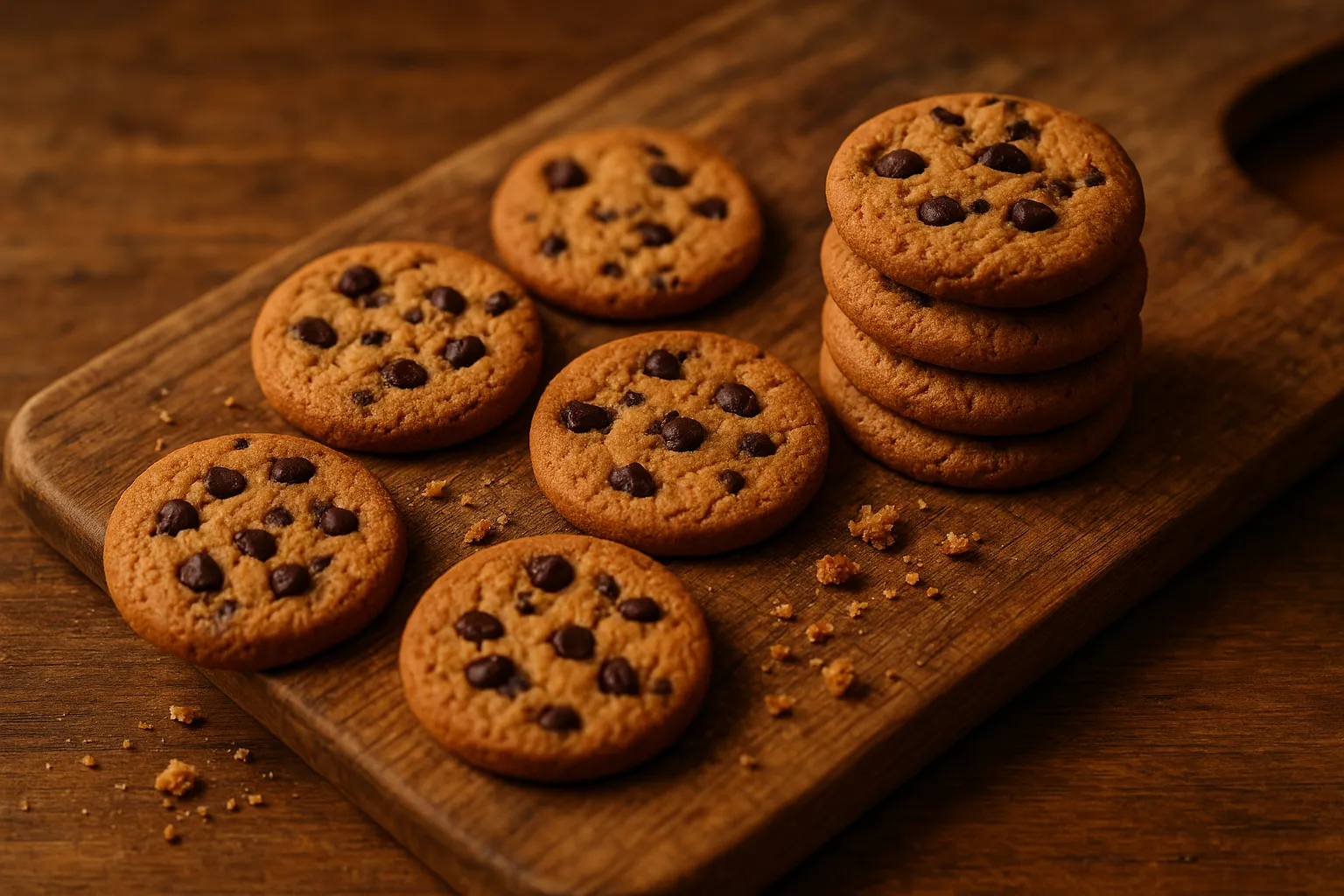
India's beloved chocolate chip cookie with hidden chocolate chunks in every bite—here's what you need to know about its nutrition.
Quick Nutrition Facts
Per 4 Biscuits (25g Serving)
| Nutrient | Amount |
|---|---|
| Calories | 121 kcal |
| Protein | 1.6g |
| Carbohydrates | 18g |
| Fiber | 1.1g |
| Sugars | 8g |
| Fat | 4.7g |
| Saturated Fat | ~2.5g |
| Sodium | 27mg |
| Cholesterol | <5mg |
Macronutrient Breakdown
 ChatGPT
  Claude
  AI Mode
  Perplexity
NUTRITIONIST INSIGHT
Each Hide & Seek biscuit packs ~30 calories with 2g sugar. While the chocolate chips provide small amounts of antioxidants from cocoa, the refined flour and added sugars make this an occasional treat rather than a daily snack. Pair with milk or nuts for better satiety.
Myth Busters
MYTH #1: Hide & Seek Is a Healthy Snack Because It Has Chocolate
TRUTH: The chocolate chips provide minimal nutritional benefit. Cocoa's health benefits require higher concentrations than found in biscuits. The 8g sugar and refined flour outweigh any antioxidant gains from the small chocolate content.
MYTH #2: Biscuits Are Better Than Chips for Snacking
TRUTH: Hide & Seek (121 cal/25g) has similar calorie density to potato chips (130-150 cal/25g). The key difference is glycemic response—refined flour in biscuits can spike blood sugar faster than the fat in chips which slows absorption.
MYTH #3: A Few Biscuits Won't Affect My Diet
TRUTH: Four biscuits provide 121 calories and 8g sugar—32% of WHO's recommended daily added sugar limit (25g). Studies show underestimating snack calories is a major barrier to weight management.
MYTH #4: Hide & Seek Provides Good Energy for Kids
TRUTH: While it provides quick energy from simple carbs, the sugar crash follows within 1-2 hours. Research shows high-sugar snacks can affect children's concentration and mood. Better options: whole grain crackers with peanut butter.
MYTH #5: The Fiber in Hide & Seek Makes It Healthy
TRUTH: At only 1.1g fiber per 4 biscuits (4% daily value), this is negligible. You'd need 25-30g fiber daily. Whole grain alternatives provide 3-4x more fiber with less sugar.
NutriScore by Health Goals
| Health Goal | NutriScore | Why This Score? |
|---|---|---|
| Weight Loss |  | High calorie density (484 cal/100g), sugar content promotes overeating. Limit to 1-2 biscuits if craving. |
| Muscle Gain | | Only 1.6g protein per serving. Poor protein-to-calorie ratio. Better post-workout: protein shake with banana. |
| Diabetes Management |  | High glycemic index from refined flour, 8g sugar spikes blood glucose. ADA recommends limiting refined carbs. |
| PCOS Management | | Refined carbs and sugar worsen insulin resistance. Avoid or limit strictly to occasional 1 biscuit. |
| Pregnancy Nutrition | | Empty calories without essential nutrients. ACOG recommends nutrient-dense snacks. |
| Viral/Flu Recovery |  | Quick energy when appetite is low, but doesn't support immune function. Better: fruit with honey. |
PERSONALIZED NUTRITION
Track your snacks with NutriScan to see how Hide & Seek fits your daily calorie and sugar budget!
Blood Sugar Response to Hide & Seek
Understanding the glycemic impact helps you make informed decisions about when and how much to eat.
Typical Glucose Response Curve
This chart shows typical blood glucose response for general healthy individuals. Individual responses vary based on metabolism, activity level, and what else is consumed. Not medical advice.
How to Flatten the Spike
Pairing refined carbs with protein, fat, or fiber slows glucose absorption:
- 🥛 Milk or chai - Protein and fat slow absorption
- 🥜 Handful of almonds or peanuts - Healthy fats and protein
- 🧀 Cheese slice - Protein helps stabilize blood sugar
- 🍎 Apple slices - Fiber from whole fruit reduces spike
Eating Hide & Seek after a protein-rich meal rather than alone significantly reduces the blood sugar impact.
Cultural Significance
Parle Hide & Seek launched in 1997 and revolutionized India's biscuit market as the country's first premium chocolate chip cookie.
In India:
- Tea-time staple across urban households
- Popular children's tiffin box item
- Gifting option during festivals like Diwali
- "Game" marketing concept appealed to kids discovering chocolate chips
Market Impact:
- India's #1 chocolate chip cookie brand
- Spawned entire category of premium molded biscuits
- Available in 500,000+ retail outlets across India
- Exports to 50+ countries serving Indian diaspora
Compare & Substitute
Hide & Seek vs Similar Biscuits (Per 100g)
| Nutrient | 🍪 Hide & Seek | 🍪 Good Day Choco | 🍪 Sunfeast Dark Fantasy | 🌾 Digestive Biscuits |
|---|---|---|---|---|
| Calories | 484 kcal | 495 kcal | 520 kcal | 450 kcal |
| Carbs | 72g | 68g | 65g | 66g |
| Fiber | 4.4g | 2.5g | 3g | 8g |
| Protein | 6.4g | 6g | 5.5g | 8g |
| Fat | 18.8g | 22g | 26g | 16g |
| Sugar | 32g | 28g | 35g | 18g |
| Best For | Occasional treat, kids | Tea-time, gifting | Indulgence craving | Better fiber, moderate |
Frequently Asked Questions
How many calories are in 1 Hide & Seek biscuit?
One biscuit contains approximately 30 calories with 1.2g fat, 4.5g carbs, and 2g sugar. The standard pack of 4 biscuits (25g) totals 121 calories—about 6% of a 2000-calorie daily intake.
Is Hide & Seek good for weight loss?
Not recommended for active weight loss. The high calorie density (484 cal/100g), refined flour, and sugar promote overeating rather than satiety. If craving, limit to 2 biscuits (60 cal) and log it in your calorie tracker. Better snack alternatives: roasted chana, makhana, or fruit with nuts.
Can diabetics eat Hide & Seek?
Exercise caution. With 8g sugar and 18g refined carbs per serving, plus high glycemic index, it causes rapid blood sugar spikes. If consuming occasionally: limit to 1-2 biscuits; pair with protein (milk, nuts); eat after a meal, never on empty stomach; monitor glucose 2 hours post-consumption.
What are the main ingredients in Hide & Seek?
Refined wheat flour (maida), sugar, edible vegetable oil (palm), choco chips (sugar, cocoa butter, cocoa solids), invert syrup, raising agents, emulsifiers, and salt. Contains no whole grains; the primary ingredients are refined flour and sugar.
Is Hide & Seek vegetarian?
Yes, Hide & Seek is 100% vegetarian. It contains no eggs, gelatin, or animal-derived ingredients. The chocolate chips use vegetable fat, not milk fat. Look for the green dot on packaging confirming vegetarian status.
How does Hide & Seek compare to homemade cookies?
Homemade cookies can be healthier if made with whole wheat flour, less sugar, and quality chocolate. Hide & Seek uses refined flour and palm oil for shelf stability. Homemade versions allow control over ingredients—you can use oats, reduce sugar by 30-50%, and add nuts for better nutrition.
When is the best time to eat Hide & Seek?
If consuming, post-lunch (2-3 PM) is optimal when insulin sensitivity is higher. Avoid: on empty stomach (maximizes blood sugar spike); late night (poor digestion, fat storage); before workouts (sugar crash mid-exercise). Best practice: after a protein-rich meal as a small dessert.
How many Hide & Seek biscuits are safe per day?
For general health, limit to 2-4 biscuits (60-121 cal) as an occasional treat, not daily. For weight loss: 1-2 maximum, tracked in daily calories. For diabetes/PCOS: avoid or limit to 1 biscuit rarely. Children: 2-3 biscuits max, not as a meal replacement.


Similar Nutritious Foods
4505 Chicharrones Classic Chili Salt
7 Eleven Japan Crispy Corn Cheese
Explore More Nutrition Tools & Resources
AI Calorie Counter App - Snap a Photo, Get Macros
AI Nutritionist App That Reads Your Logged Meals
Best Protein Supplements for Women
Bulking Meal Plan App That Sets Your Surplus
ChatGPT Calorie Counter Alternative That Keeps the Total
ChatGPT Diet Plan Alternative That Tracks What You Eat
ChatGPT Weight Loss Coach Alternative With a Food Log
Fast Food Calorie Counter App That Reads the Tray
Free Calorie Tracker App with AI Photo Scans | NutriScan
Indian Diet Plan App With Veg and Non Veg Meals
Indian Food Calorie Calculator - Get Instant Nutrition Facts for Desi Meals — 2026
Intermittent Fasting for Women, Timer and Meal Log App
Intermittent Fasting Tracker App - Free Fasting Timer
Macro Tracker App That Fills the Numbers From a Photo
Mediterranean Diet Meal Plan App That Counts the Oil
Micronutrient Tracker App for Vitamins and Minerals
MyFitnessPal Alternative That Stays Free | NutriScan
NutriScore App: A Free Grade on Every Meal | NutriScan
Nutrition Label Scanner App for the Amount You Ate
Second Trimester Protein Guide
Vegetarian Meal Plan App With a Protein Target
Voice Calorie Counter - Speak to Track Meals Hands-Free
Water and Calorie Tracker App - Free Water Log