Pumpkin Seeds: Calories, Nutrition and Health Benefits
 ChatGPT
  Claude
  AI Mode
  Perplexity
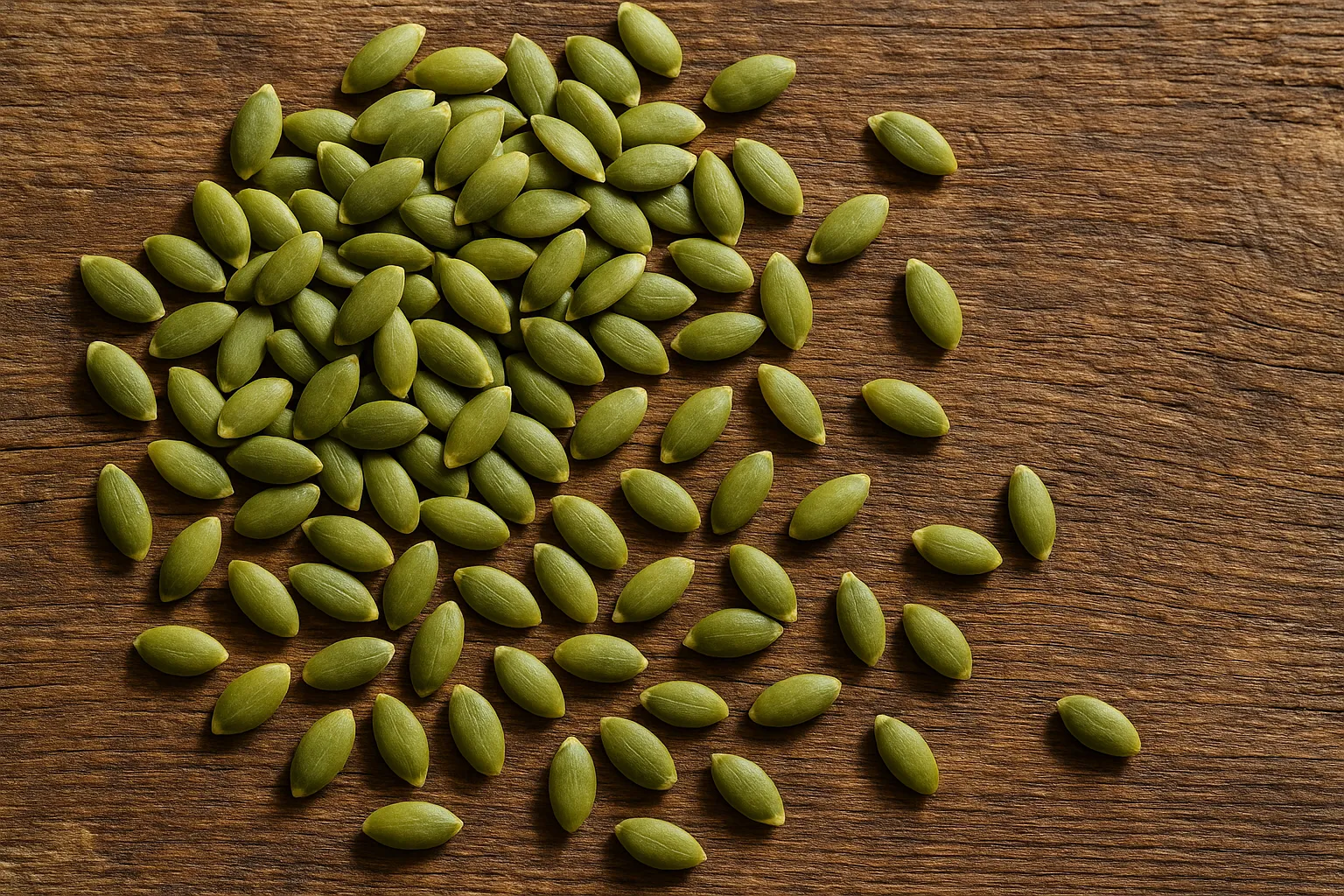
 Pumpkin Seeds: 151 calories, 5 g carbs, 8.5 g protein and 13 g fat per 1 oz / 28g (About 85 Seeds).
Quick Nutrition Facts
Per 1 oz / 28g (About 85 Seeds)
| Nutrient | Amount |
|---|---|
| Calories | 151 kcal |
| Protein | 8.5g |
| Carbohydrates | 5g |
| Fiber | 1.7g |
| Sugars | 0.4g |
| Fat | 13g |
| Magnesium | 156mg |
| Zinc | 2.1mg |
| Iron | 2.3mg |
| Phosphorus | 329mg |
Macronutrient Breakdown
NUTRITIONIST INSIGHT
Pumpkin seeds provide 37% of daily magnesium and 19% of zinc in just 1 oz. Used in PCOS seed cycling (follicular phase days 1-14) to support hormone balance and ovulation.
Myth Busters
MYTH #1: All Seeds Are Equal Nutritionally
TRUTH: Pumpkin seeds stand out with 8.5g protein per oz - 31% more than chia seeds (6.5g) and double sunflower seeds (4.2g). They're the highest protein seed commonly available.
MYTH #2: Seed Cycling for PCOS Has No Scientific Basis
TRUTH: While direct seed cycling studies are limited, pumpkin seeds' zinc and magnesium improve insulin sensitivity and hormone regulation in PCOS. Zinc supports ovulation and progesterone production during the follicular phase.
MYTH #3: Roasted Seeds Lose All Nutrients
TRUTH: Light roasting (under 170°C) preserves most nutrients while improving antioxidant availability. Avoid heavily salted or oil-roasted varieties. Raw or lightly roasted are equally nutritious.
MYTH #4: Pumpkin Seeds Cause Weight Gain
TRUTH: Despite 151 calories and 13g fat per oz, pumpkin seeds increase satiety more than equal-calorie carbs due to 8.5g protein and healthy fats. Weight gain only occurs from unmeasured portions.
MYTH #5: You Must Eat Pumpkin Seeds With Shells
TRUTH: Pepitas (green seeds without white shells) are more digestible and nutrient-dense. Shells provide extra fiber but are tough to digest. Pepitas offer the same magnesium and zinc with better absorption.
MYTH #6: Pumpkin Seeds Don't Affect Blood Sugar
TRUTH: While low-carb (5g), pumpkin seeds actively improve blood sugar control through magnesium. Magnesium deficiency worsens insulin resistance - pumpkin seeds help correct this.
NutriScore by Health Goals
| Health Goal | NutriScore | Why This Score? |
|---|---|---|
| Weight Loss |  | 8.5g protein and low carbs (5g) promote satiety. 151 calories per oz is manageable. Magnesium supports metabolism. Measure portions for best results. |
| Muscle Gain | | 8.5g plant protein per oz plus zinc (2.1mg) for testosterone and muscle recovery. Magnesium (156mg) prevents cramps and supports protein synthesis. |
| Diabetes Management | | Only 5g carbs, magnesium improves insulin sensitivity, zinc supports pancreatic function. Excellent blood sugar control. |
| PCOS Management | | Key food in seed cycling protocol (follicular phase). Zinc aids ovulation, magnesium reduces insulin resistance. 1-2 tbsp daily. |
| Pregnancy Nutrition | | Zinc (2.1mg) crucial for fetal development, iron (2.3mg) prevents anemia, magnesium prevents leg cramps. Safe 1-2 oz daily. |
| Viral/Flu Recovery | | Zinc (2.1mg) shortens cold duration, supports immune cells. Protein aids tissue repair. Antioxidants combat inflammation. |
PERSONALIZED NUTRITION
Track your meals with NutriScan for personalized NutriScores based on your specific health goals and hormonal cycle!
Blood Sugar Response to Pumpkin Seeds
Understanding how pumpkin seeds affect blood glucose shows their exceptional blood sugar control benefits.
Typical Glucose Response Curve
This chart shows typical blood glucose response for general healthy individuals. Individual responses may vary. Not medical advice.
How Pumpkin Seeds Stabilize Blood Sugar
Pumpkin seeds have minimal blood sugar impact due to low carbs (5g), high protein (8.5g), and magnesium that improves insulin sensitivity:
- 🥗 Salad topping - Add to greens for protein and crunch
- 🥣 Yogurt parfait - Protein and probiotics combination
- 🥤 Smoothies - Blend for protein boost
- 🥖 Whole grain toast - Balance carbs with protein and healthy fats
These combinations leverage pumpkin seeds' protein and magnesium for stable energy and blood sugar.
Cultural Significance
Pumpkin seeds have been cultivated in the Americas for over 7,000 years, predating corn and beans.
In Mexico:
- Pepitas integral to mole verde, pipián sauce, and traditional cuisine
- Roasted with lime and chili as popular street snack
- Used in Día de los Muertos offerings
- Oil pressed from seeds for cooking
Global Usage:
- Austria produces Styrian pumpkin oil (dark green, nutty)
- Eastern European tradition of roasting after carving jack-o'-lanterns
- Ayurveda uses for prostate health and parasite elimination
- Native Americans traded pumpkin seeds as valuable commodity
Modern Health Movement:
- PCOS seed cycling protocol popularized 2010s
- Vegan protein source gaining popularity
- Sprouted pumpkin seeds in health food stores
Compare & Substitute
Pumpkin Seeds vs Other Seeds & Nuts (Per 1 oz / 28g)
| Nutrient | 🎃 Pumpkin Seeds | 🌻 Sunflower Seeds | 🌱 Chia Seeds | 🥜 Almonds |
|---|---|---|---|---|
| Calories | 151 kcal | 165 kcal | 138 kcal | 164 kcal |
| Protein | 8.5g | 5.5g | 4.7g | 6g |
| Carbs | 5g | 6.8g | 12g | 6g |
| Fiber | 1.7g | 2.4g | 9.8g | 3.5g |
| Fat | 13g | 14g | 8.6g | 14g |
| Magnesium | 156mg | 91mg | 95mg | 76mg |
| Zinc | 2.1mg | 1.5mg | 1.3mg | 0.9mg |
| Iron | 2.3mg | 1.5mg | 2.2mg | 1.1mg |
| Best For | PCOS, protein, minerals | Vitamin E, selenium | Omega-3s, fiber | Vitamin E, weight loss |
Frequently Asked Questions
Are pumpkin seeds good for weight loss?
Pumpkin seeds support weight loss when portioned correctly. With 8.5g protein per ounce and only 5g carbs, they promote satiety and stable blood sugar.
Best practices: Limit to 1 oz (85 seeds) daily as snack or salad topping, choose unsalted varieties, measure portions to avoid excess calories (151 per oz). The protein-to-calorie ratio makes them more filling than most nuts.
Can diabetics eat pumpkin seeds?
Diabetics benefit significantly from pumpkin seeds. With only 5g carbs per oz and magnesium that improves insulin sensitivity, they actively help blood sugar control.
Tips for diabetics:
- Eat 1-2 oz daily, count minimal carbs
- Zinc supports pancreatic beta cell function
- Add to meals for protein without blood sugar spike
- Choose unsalted, dry-roasted varieties
- Monitor blood sugar - most people see improvement
Research shows magnesium supplementation (abundant in pumpkin seeds) improves glycemic control in Type 2 diabetes.
How many pumpkin seeds should I eat per day?
General Guidelines:
- 1 oz (85 seeds) - Most people (151 calories, 37% magnesium, 19% zinc)
- 2 oz (170 seeds) - Athletes, muscle gain, high protein needs
- 1-2 tbsp ground - PCOS seed cycling (follicular phase days 1-14)
Avoid excess: More than 2 oz provides 300+ calories and excessive zinc (>4mg may interfere with copper absorption). Balance with variety of nuts and seeds.
What are the main health benefits of pumpkin seeds?
Key Benefits:
- Exceptional Magnesium (156mg/oz): Supports 300+ body processes, sleep quality, muscle function
- Zinc (2.1mg/oz): Immune function, wound healing, hormone production
- High Protein (8.5g/oz): Muscle building, satiety, metabolic health
- Heart Health: Antioxidants, healthy fats lower LDL cholesterol
- Prostate Health: Traditional use supported by zinc and antioxidants
- PCOS Support: Seed cycling for hormone balance during follicular phase
How do pumpkin seeds help with PCOS?
Pumpkin seeds support PCOS management through multiple mechanisms, especially in seed cycling protocols:
Seed Cycling Basics:
- Follicular Phase (Days 1-14): 1-2 tbsp ground pumpkin seeds + flaxseeds daily
- Zinc supports FSH (follicle-stimulating hormone) and ovulation
- Magnesium reduces insulin resistance, common in PCOS
- Anti-inflammatory compounds reduce chronic inflammation
Additional PCOS Benefits:
- Low carbs (5g) don't spike blood sugar
- Protein aids weight management
- Zinc regulates testosterone levels
How to Use: Grind fresh seeds daily, store in fridge, mix into smoothies or yogurt. Rotate with sesame/sunflower seeds during luteal phase (days 15-28).
Should I eat pumpkin seeds with or without shells?
Pepitas (shelled green seeds) are recommended for most people:
Benefits of Pepitas:
- Easier to digest and absorb nutrients
- More versatile for recipes
- Same magnesium and zinc content
- Better texture for salads, smoothies
Whole Seeds with Shells:
- Extra fiber (about 5g more per oz)
- Harder to digest - may pass through undigested
- Require more chewing
Recommendation: Choose pepitas for maximum nutrition absorption. If you prefer whole seeds, chew thoroughly or grind them for better digestion and nutrient availability.
Can I eat pumpkin seeds raw or should they be roasted?
Both raw and roasted pumpkin seeds are nutritious - choose based on preference:
Raw Pumpkin Seeds:
- Preserve all heat-sensitive nutrients
- Neutral taste, easier to blend
- Better for sprouting
- Softer texture
Lightly Roasted (Under 170°C):
- Enhanced flavor and crunch
- Improved antioxidant availability
- Easier to digest
- Minimal nutrient loss
Avoid: Heavily salted, oil-roasted, or honey-roasted varieties with added calories and sodium. Dry-roasting at home gives best control over quality.




Similar Nutritious Foods
4505 Chicharrones Classic Chili Salt
7 Eleven Japan Crispy Corn Cheese
Explore More Nutrition Tools & Resources
AI Calorie Counter App - Snap a Photo, Get Macros
AI Nutritionist App That Reads Your Logged Meals
Best Protein Supplements for Women
Bulking Meal Plan App That Sets Your Surplus
ChatGPT Calorie Counter Alternative That Keeps the Total
ChatGPT Diet Plan Alternative That Tracks What You Eat
ChatGPT Weight Loss Coach Alternative With a Food Log
Fast Food Calorie Counter App That Reads the Tray
Free Calorie Tracker App with AI Photo Scans | NutriScan
Indian Diet Plan App With Veg and Non Veg Meals
Indian Food Calorie Calculator - Get Instant Nutrition Facts for Desi Meals — 2026
Intermittent Fasting for Women, Timer and Meal Log App
Intermittent Fasting Tracker App - Free Fasting Timer
Macro Tracker App That Fills the Numbers From a Photo
Mediterranean Diet Meal Plan App That Counts the Oil
Micronutrient Tracker App for Vitamins and Minerals
MyFitnessPal Alternative That Stays Free | NutriScan
NutriScore App: A Free Grade on Every Meal | NutriScan
Nutrition Label Scanner App for the Amount You Ate
Second Trimester Protein Guide
Vegetarian Meal Plan App With a Protein Target
Voice Calorie Counter - Speak to Track Meals Hands-Free
Water and Calorie Tracker App - Free Water Log