Q Mochi Chocolate Calories & Nutrition Facts (80g, 8 pieces)
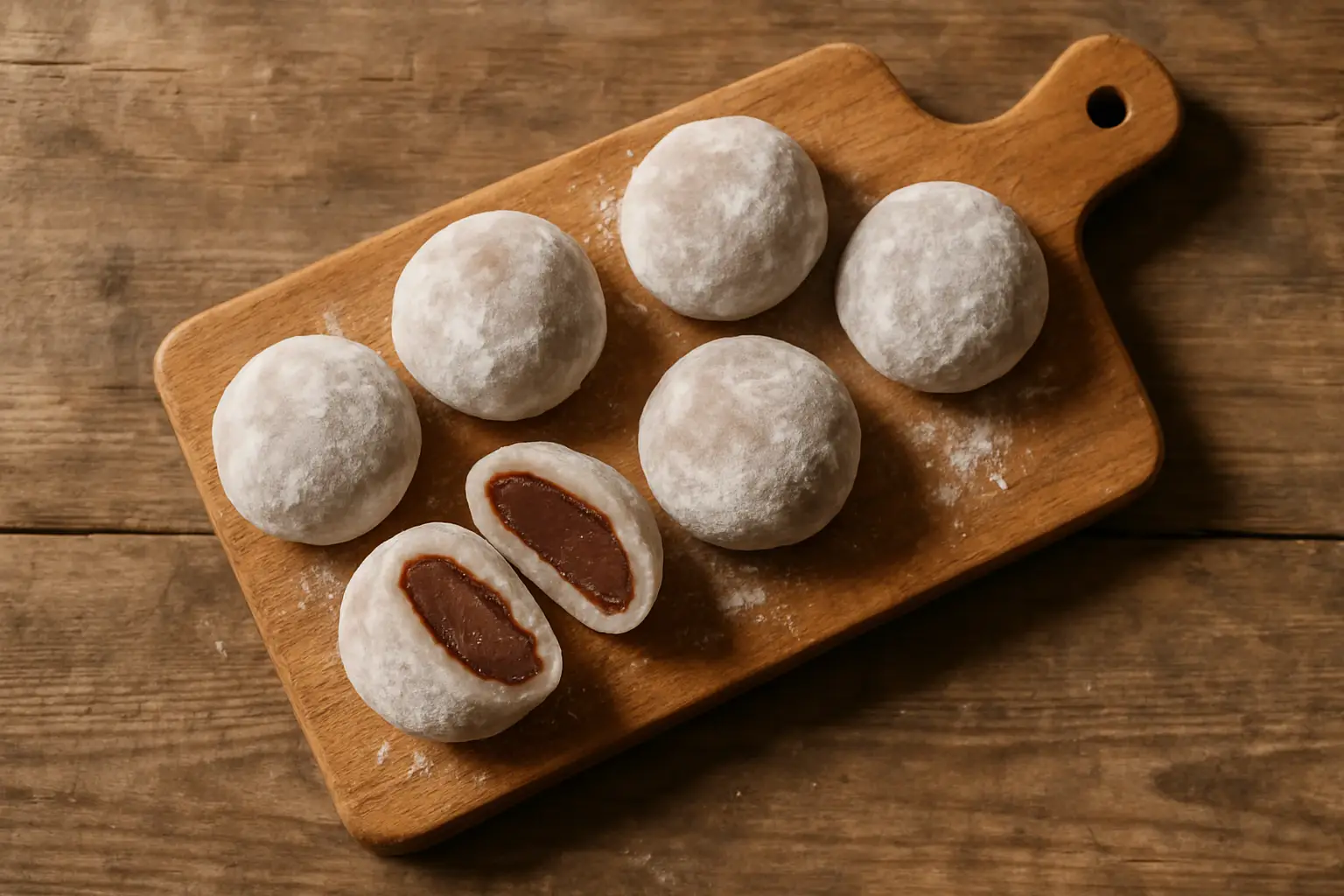
Q Mochi Chocolate is a Japanese-style rice cake snack made by Royal Family Food Co. (Taiwan) and sold in the UK at Tesco. Each 80g pack contains 8 soft, chewy mochi pieces filled with chocolate. Per pack: 301 kcal, 4.8g protein, 51.2g carbs (29.7g sugar), 8.7g fat. A fun occasion treat — high in added sugar and refined carbs, best enjoyed in moderation.
Quick Nutrition Facts
Per 1 pack (80g / 8 pieces)
| Nutrient | Amount |
|---|---|
| Calories | 301 kcal |
| Protein | 4.8g |
| Carbohydrates | 51.2g |
| Fiber | 0.4g |
| Sugars | 29.7g |
| Fat | 8.7g |
| Sodium | 42 mg |
Macronutrient Breakdown
 ChatGPT
  Claude
  AI Mode
  Perplexity
NUTRITIONIST'S INSIGHT
Mochi is made from glutinous rice, which has a high glycaemic index (GI ~70–85 range for plain mochi). The added maltose and sugar in Q Mochi Chocolate push the glycaemic load higher still. With nearly 30g of sugar per pack and minimal fibre, this snack causes a rapid blood-glucose rise. Two pieces (20g, ~75 kcal) is a more mindful portion for those watching blood sugar or calorie intake. The chocolate filling contributes palm oil, so saturated fat should be considered by those with cardiovascular concerns.
Myth Busters
MYTH #1: Mochi is a health food because it's made from rice
TRUTH: Glutinous rice used in mochi is a refined, low-fibre carbohydrate with a high glycaemic index. Q Mochi Chocolate also adds maltose, sugar, and palm oil — making it an ultra-processed confectionery snack rather than a wholefood. USDA FoodData Central — Mochi, rice cake (reference); PubMed — Glycemic index of glutinous rice products (rice cake base)
MYTH #2: Japanese snacks are low in calories
TRUTH: While some Japanese snacks are light, mochi confectionery is calorie-dense. At 376 kcal/100g, Q Mochi Chocolate is comparable to many Western chocolate bars. Portion size is what makes it manageable. Open Food Facts — Cacao Mochi Chocolate Flavour, Royal Family, 80g (barcode 4711931030528)
MYTH #3: The low sodium means it is a healthy snack overall
TRUTH: Low sodium is a positive attribute, but nutrition is multi-dimensional. Q Mochi Chocolate is high in added sugars (37.1g/100g) and contains palm oil. Sodium alone does not make a food healthy or unhealthy. Harvard T.H. Chan School of Public Health — Added Sugar in the Diet
MYTH #4: Each mochi piece has very few calories, so you can eat the whole pack freely
TRUTH: Each piece is only ~38 kcal, but the full 8-piece pack reaches 301 kcal — equivalent to a small meal. Portion awareness matters with snacks sold in shareable sizes. Open Food Facts — Cacao Mochi Chocolate Flavour, Royal Family, 80g (barcode 4711931030528)
NutriScore by Health Goals
| Health Goal | NutriScore | Why This Score? |
|---|---|---|
| Weight Loss |  | High calorie density from maltose and sugar; low satiety due to minimal protein and fibre. Best as an occasional small treat. Open Food Facts — Cacao Mochi Chocolate Flavour, Royal Family, 80g (barcode 4711931030528); Harvard T.H. Chan School of Public Health — Added Sugar in the Diet |
| Muscle Gain | | Only 4.8g protein per 80g pack. Not a useful protein source for muscle-building goals. Open Food Facts — Cacao Mochi Chocolate Flavour, Royal Family, 80g (barcode 4711931030528) |
| Blood Sugar Control | | High GI glutinous rice base combined with 29.7g of sugar per pack causes a rapid blood-glucose spike. Not recommended for diabetics or those with insulin resistance. PubMed — Glycemic index of glutinous rice products (rice cake base); Harvard T.H. Chan School of Public Health — Added Sugar in the Diet |
| Heart Health | 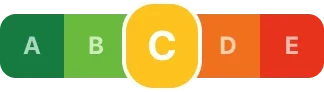 | Low sodium is a plus, but palm oil in the chocolate filling contributes saturated fat (2.8g/pack). Occasional consumption is unlikely to be a concern for most people. Open Food Facts — Cacao Mochi Chocolate Flavour, Royal Family, 80g (barcode 4711931030528) |
| General Balanced Diet | | Fine as a small occasional treat within a varied diet. Does not provide meaningful micronutrients or fibre. Harvard T.H. Chan School of Public Health — Added Sugar in the Diet |
PERSONALIZED NUTRITION
Track your meals with NutriScan for personalized NutriScores based on your specific health goals!
Blood Sugar Response to Q Mochi Chocolate
Understanding how Q Mochi Chocolate affects blood glucose can help with timing and meal pairing. PubMed — Glycemic index of glutinous rice products (rice cake base); Harvard T.H. Chan School of Public Health — Added Sugar in the Diet
Typical Glucose Response Curve
**Not medical advice**
How to flatten the spike
- Keep the portion to the labelled serving and avoid eating straight from the bag or tray.
- Pair it with a protein or fibre source, such as Greek yogurt, eggs, lentils, beans, salad, or edamame, when you want steadier appetite and glucose control.
- Avoid pairing it with sugary drinks; choose water, unsweetened tea, or coffee so the snack does not become a larger sugar load.
Cultural Significance
Mochi (餅) has been a staple of Japanese culinary culture for over 1,000 years, traditionally made by pounding glutinous rice (mochigome) into a smooth, elastic dough. It features prominently in New Year (Oshōgatsu) celebrations and religious rituals. Q Mochi is produced by Royal Family Food Co. (Taiwan, est. 1987), which popularised individually-wrapped filled mochi as a modern convenience snack across Asia. The UK launch via Tesco in 2026 reflects growing British interest in Japanese and East Asian snack culture, driven partly by social media and the global popularity of Japanese cuisine.
Compare & Substitute
Q Mochi Chocolate vs Similar Foods
| Nutrient | Plain rice mochi (unfilled) | Dark chocolate squares (85% cocoa) | Banana with nut butter | Frozen yogurt bites |
|---|---|---|---|---|
| Calories | 120 kcal | 105 kcal | 190 kcal | 160 kcal |
| Protein | 2g | 2g | 5g | 12g |
| Carbohydrates | 27g | 8g | 31g | 20g |
| Fat | 0.5g | 8g | 8g | 3g |
Frequently Asked Questions
How many calories are in one piece of Q Mochi Chocolate?
Each 10g mochi piece contains approximately 38 kcal, 0.6g protein, 6.4g carbs (3.7g sugar), and 1.1g fat.
Is Q Mochi Chocolate suitable for vegans?
No. The chocolate filling contains milk powder and whey powder, making it unsuitable for vegans. It also contains soy lecithin.
Does Q Mochi contain gluten?
The product is made from glutinous rice, which is gluten-free despite the name. However, the packaging states it may contain traces of gluten (cross-contamination), so those with coeliac disease should exercise caution.
What makes mochi chewy?
The distinctive chewy texture comes from the high amylopectin content of glutinous (sticky) rice. The starch gelatinises when cooked, creating a sticky, elastic dough unlike standard rice.
Where can I buy Q Mochi Chocolate in the UK?
Q Mochi Chocolate is sold at Tesco stores and on Tesco.com. The 80g pack (8 pieces) retails at £2.75, or £2.35 with a Tesco Clubcard.




Similar Nutritious Foods
4505 Chicharrones Classic Chili Salt
7 Eleven Japan Crispy Corn Cheese
Explore More Tools
AI Calorie Counter App - Snap a Photo, Get Macros
AI Nutritionist App That Reads Your Logged Meals
Best Protein Supplements for Women
Bulking Meal Plan App That Sets Your Surplus
ChatGPT Calorie Counter Alternative That Keeps the Total
ChatGPT Diet Plan Alternative That Tracks What You Eat
ChatGPT Weight Loss Coach Alternative With a Food Log
Fast Food Calorie Counter App That Reads the Tray
Free Calorie Tracker App with AI Photo Scans | NutriScan
Indian Diet Plan App With Veg and Non Veg Meals
Indian Food Calorie Calculator - Get Instant Nutrition Facts for Desi Meals — 2026
Intermittent Fasting for Women, Timer and Meal Log App
Intermittent Fasting Tracker App - Free Fasting Timer
Macro Tracker App That Fills the Numbers From a Photo
Mediterranean Diet Meal Plan App That Counts the Oil
Micronutrient Tracker App for Vitamins and Minerals
MyFitnessPal Alternative That Stays Free | NutriScan
NutriScore App: A Free Grade on Every Meal | NutriScan
Nutrition Label Scanner App for the Amount You Ate
Second Trimester Protein Guide
Vegetarian Meal Plan App With a Protein Target
Voice Calorie Counter - Speak to Track Meals Hands-Free
Water and Calorie Tracker App - Free Water Log