Tesco Finest Cherrywood Smoked Aberdeen Angus Beef Burger: Calories & Nutrition Facts
Tesco Finest Cherrywood Smoked Aberdeen Angus Beef Burger (170g raw per burger, UK pack of 2 × 340g) contains approximately 467 calories, 35g protein, 34g fat (14g saturated), 0.2g carbs, and 434mg sodium. Made from selected cuts of British Aberdeen Angus beef cold-smoked over cherrywood chips, this is a premium, high-protein, very-low-carb burger patty. Excellent for muscle building and ketogenic diets; high saturated fat and sodium mean moderation is wise for heart health and blood pressure goals.
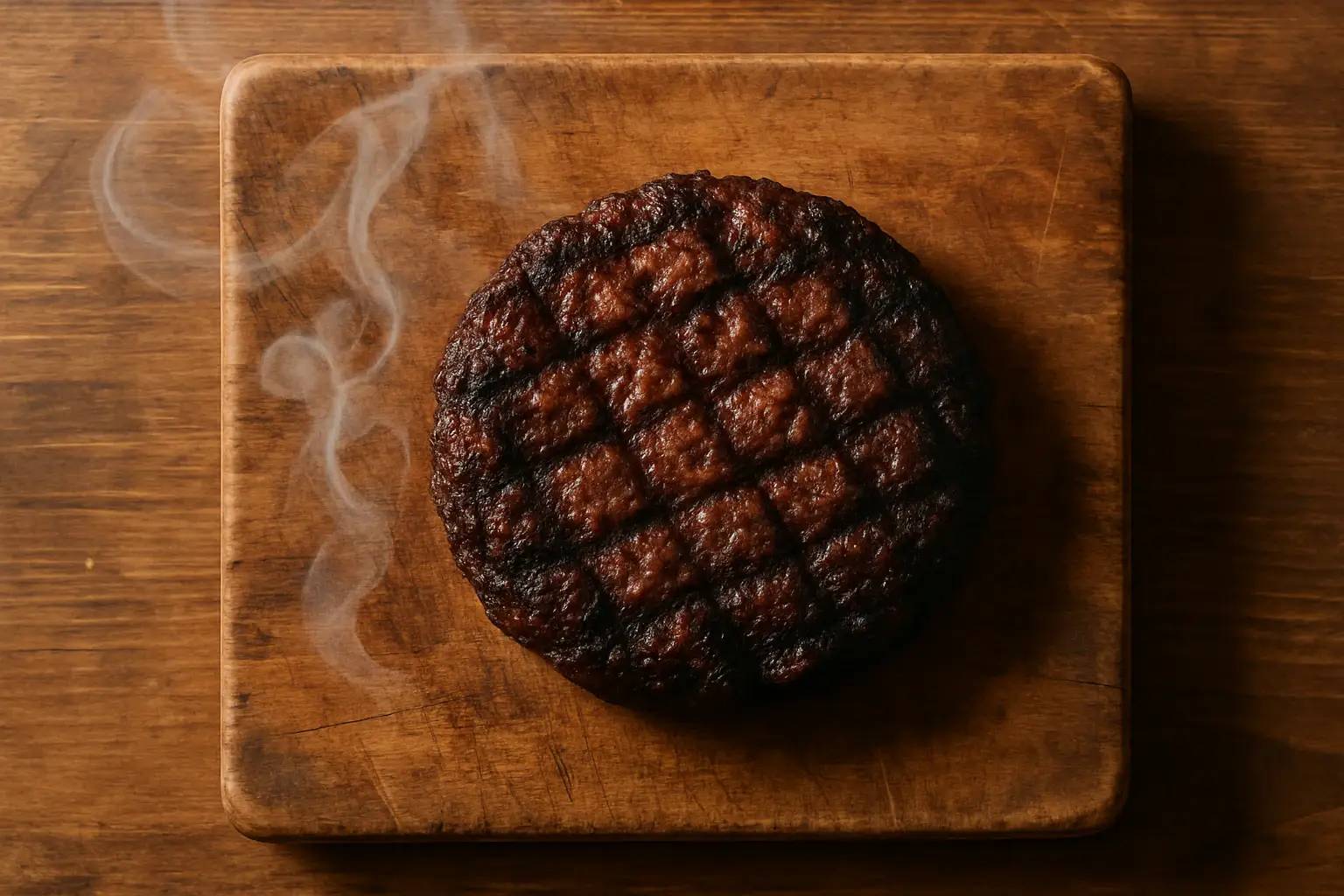
Quick Nutrition Facts
Per 1 burger (170g)
| Nutrient | Amount |
|---|---|
| Calories | 467 kcal |
| Protein | 35g |
| Carbohydrates | 0.2g |
| Fiber | 0g |
| Sugars | 0.2g |
| Fat | 34g |
| Sodium | 434 mg |
Macronutrient Breakdown
 ChatGPT
  Claude
  AI Mode
  Perplexity
NUTRITIONIST'S INSIGHT
The Tesco Finest Cherrywood Smoked Aberdeen Angus Beef Burger is nutritionally dominated by protein and fat, with carbohydrates contributing essentially nothing. At 35g of protein per burger, a single patty covers roughly 60–70% of most adults' daily protein target, making it one of the most protein-dense convenient burger options available in UK supermarkets. The fat profile is typical of Aberdeen Angus beef — well-marbled with a high proportion of saturated fat (~14g per burger). Current UK dietary guidelines recommend keeping saturated fat under 20g per day for women and 30g for men, so a single burger contributes 47–70% of that limit before any accompaniments like cheese or butter are added. The cherrywood smoking process imparts flavour but also introduces small quantities of polycyclic aromatic hydrocarbons (PAHs) — compounds associated with elevated cancer risk when consumed frequently in large amounts. Occasional smoked red meat is well within safe limits for most healthy adults, but daily consumption is inadvisable. For those cooking at home, grilling on a rack and avoiding charring further reduces PAH exposure. The 434mg sodium per raw burger becomes notably higher once seasoned and cooked. Those managing hypertension should count this as a significant sodium source within their daily 1500–2300mg allowance.
Myth Busters
MYTH #1: Aberdeen Angus beef is leaner than regular beef and lower in calories.
TRUTH: Aberdeen Angus cattle are prized for their marbling — intramuscular fat that adds flavour and juiciness. This marbling makes them higher in fat, not lower. Per 100g, Aberdeen Angus beef burgers typically contain 18–22g of fat compared to 15–18g in standard economy beef burgers. The Tesco Finest Cherrywood Smoked version confirms this: 275 kcal per 100g is on the higher end for a beef burger. Tesco Finest Cherrywood Smoked Aberdeen Angus Beef Burgers 340g — Tesco Groceries UK; Beef, ground, 80% lean meat / 20% fat, raw — USDA FoodData Central
MYTH #2: Smoking meat adds calories or sugar to the burger.
TRUTH: Cold-smoking over cherrywood chips imparts flavour through volatile aromatic compounds (guaiacol, syringol, and related phenols) that are absorbed by the meat surface. These compounds are present in trace quantities and contribute no meaningful calories, sugar, or carbohydrates. The Tesco Finest burger has just 0.1g sugar and 0.1g carbs per 100g — consistent with pure beef rather than any added marinade or sugar glaze. Tesco Finest Cherrywood Smoked Aberdeen Angus Beef Burgers 340g — Tesco Groceries UK; Polycyclic aromatic hydrocarbons in smoked and grilled meat — Food Chemistry, 2013
MYTH #3: A high-protein beef burger is automatically a healthy choice for weight loss.
TRUTH: Protein is the most satiating macronutrient and does support weight management, but calorie density matters too. At 467 kcal per 170g raw burger, this patty alone provides roughly 23–31% of a typical adult's daily calorie target (1500–2000 kcal). Adding a bun, cheese, sauce, and fries can easily push a single meal beyond 1000 kcal. High protein is a benefit, but portion context determines whether it supports or undermines a calorie deficit. The role of protein in weight loss and maintenance — American Journal of Clinical Nutrition, 2015; Tesco Finest Cherrywood Smoked Aberdeen Angus Beef Burgers 340g — Tesco Groceries UK
MYTH #4: Red meat is the primary driver of heart disease and should be avoided entirely.
TRUTH: Research links high consumption of processed red meat (bacon, sausages, deli meats) to elevated cardiovascular risk. Unprocessed red meat like Aberdeen Angus beef burgers shows a weaker and less consistent association. The UK BDA recommends limiting red meat to no more than 500g cooked per week rather than eliminating it, as it is a valuable source of iron, zinc, B12, and complete protein. Moderation rather than avoidance is the evidence-based position. Red and processed meat consumption and risk of incident coronary heart disease, stroke, and diabetes — Circulation, 2010; Red Meat and Health — British Dietetic Association Food Fact Sheet; Saturated fat and cardiovascular disease: the discrepancy between the scientific literature and dietary advice — Nutrients, 2017
MYTH #5: Cherrywood smoking makes this burger carcinogenic and unsafe to eat.
TRUTH: Cold-smoking at low temperatures produces significantly fewer polycyclic aromatic hydrocarbons (PAHs) than hot-smoking or charring on a barbecue. The NHS and Food Standards Agency advise reducing exposure to charred and heavily smoked meat but do not classify occasional consumption as a significant health risk. Enjoying smoked burgers a few times per month falls well within the range considered safe by major food safety bodies. Polycyclic aromatic hydrocarbons in smoked and grilled meat — Food Chemistry, 2013; Red Meat and Health — British Dietetic Association Food Fact Sheet
NutriScore by Health Goals
| Health Goal | NutriScore | Why This Score? |
|---|---|---|
| Weight Loss |  | 35g protein per burger is highly satiating and supports lean mass retention during a calorie deficit. However, at 467 kcal for a 170g raw patty, the calorie density is high relative to volume. Best used in a bun-free, salad-based meal and tracked carefully within a daily calorie target. The role of protein in weight loss and maintenance — American Journal of Clinical Nutrition, 2015; Tesco Finest Cherrywood Smoked Aberdeen Angus Beef Burgers 340g — Tesco Groceries UK |
| Muscle Gain |  | 35g complete protein per serving, delivering all essential amino acids including leucine, which directly stimulates muscle protein synthesis. The high calorie content also supports the caloric surplus often needed during a bulking phase. An excellent post-workout protein source. The role of protein in weight loss and maintenance — American Journal of Clinical Nutrition, 2015; Beef, ground, 80% lean meat / 20% fat, raw — USDA FoodData Central |
| Diabetes Management |  | Near-zero carbohydrates (0.2g per burger) means this food has essentially no direct impact on blood glucose. High protein and fat slow gastric emptying, which can further moderate post-meal glycaemic response. The main caution is sodium (434mg per raw burger) and overall saturated fat intake. Tesco Finest Cherrywood Smoked Aberdeen Angus Beef Burgers 340g — Tesco Groceries UK; Beef, ground, 80% lean meat / 20% fat, raw — USDA FoodData Central |
| PCOS Management | | The very-low-carb profile is well-suited to the low-glycaemic dietary patterns often recommended for PCOS, which benefits from minimising insulin spikes. High protein supports satiety and hormonal balance. The high saturated fat content is the one caveat — some evidence links excess saturated fat to worsened insulin resistance; balance with plant-based fats overall. Red and processed meat consumption and risk of incident coronary heart disease, stroke, and diabetes — Circulation, 2010; The role of protein in weight loss and maintenance — American Journal of Clinical Nutrition, 2015 |
| Pregnancy Nutrition | | Aberdeen Angus beef is an excellent source of haem iron, zinc, and B12, all critical for foetal development. However, smoked meats carry a small Listeria risk; pregnant women should ensure the burger is cooked thoroughly to an internal temperature of 75°C. The high saturated fat and sodium content also counsel moderation rather than frequent consumption. Red Meat and Health — British Dietetic Association Food Fact Sheet; Polycyclic aromatic hydrocarbons in smoked and grilled meat — Food Chemistry, 2013 |
| Heart Health | | 14g saturated fat per burger is a significant portion of daily limits (47–70% depending on sex). Regular high saturated fat intake is associated with elevated LDL cholesterol. The sodium level (434mg raw, higher cooked) also contributes to daily intake. A healthy person enjoying this occasionally faces minimal risk; those with existing cardiovascular disease should favour leaner protein sources more often. Saturated fat and cardiovascular disease: the discrepancy between the scientific literature and dietary advice — Nutrients, 2017; Red and processed meat consumption and risk of incident coronary heart disease, stroke, and diabetes — Circulation, 2010; Red Meat and Health — British Dietetic Association Food Fact Sheet |
PERSONALIZED NUTRITION
Track your meals with NutriScan for personalized NutriScores based on your specific health goals!
Blood Sugar Response to Tesco Finest Cherrywood Smoked Aberdeen Angus Beef Burger
Because the Tesco Finest Cherrywood Smoked Aberdeen Angus Beef Burger contains virtually no carbohydrates (0.2g per 170g burger), it produces an exceptionally flat blood glucose response. Protein digestion generates a modest gluconeogenic signal over 2–3 hours, causing a very small, gradual glucose rise. Fat further slows gastric emptying. The simulated curve below reflects eating the burger on its own: near-fasting-level glucose throughout, with a slight gentle rise peaking around 90–95 mg/dL that resolves without any sharp spike or subsequent crash. Beef, ground, 80% lean meat / 20% fat, raw — USDA FoodData Central; Tesco Finest Cherrywood Smoked Aberdeen Angus Beef Burgers 340g — Tesco Groceries UK
Estimated Glucose Response (170g raw burger, plain)
*Estimated curve based on the near-zero carbohydrate content and high protein/fat ratio of Aberdeen Angus beef. Adding a bun (~25g carbs) or sauce (~5–15g sugar) will substantially change this curve. Individual responses vary. Not medical advice.*
How to flatten the spike
- Serve bun-free with salad or low-carb vegetables to preserve the flat glucose response — ideal for diabetes or PCOS management.
- Pair with a source of dietary fibre (e.g. side salad with mixed leaves and avocado) to further support satiety and gut health.
- Cook to an internal temperature of at least 75°C to eliminate food-safety risks, including Listeria from the smoking process.
Cultural Significance
Aberdeen Angus cattle, originally bred in north-east Scotland in the early 19th century, became the gold standard for British beef quality. The Angus breed's exceptional marbling and flavour profile drove demand that spread globally — today Aberdeen Angus is a recognised premium beef designation in the UK, USA, Australia, and beyond. Tesco's Finest tier, launched in the late 1990s as a supermarket premium sub-brand, regularly features Aberdeen Angus beef as its flagship red-meat offering. The addition of cherrywood smoking reflects a broader UK consumer trend towards American-style BBQ flavours: cold-smoking with fruit woods (cherry, apple, maple) became fashionable in UK premium retail from around 2020, moving from craft butchers and artisan food markets into mainstream supermarket ranges. For UK shoppers, Tesco Finest Cherrywood Smoked Aberdeen Angus Beef Burgers represent the intersection of Scottish beef heritage, American BBQ technique, and accessible premium retail — a distinctly modern British food product.
Compare & Substitute
Tesco Finest Cherrywood Smoked Aberdeen Angus Beef Burger vs Similar Foods
| Nutrient | Tesco Finest Dry Aged Aberdeen Angus Beef Burger (UK) | Tesco Finest Chuck Brisket & Bone Marrow Beef Burger (UK) | Turkey Burger Patty (lean, unsmoked) | Portobello Mushroom Burger (vegan alternative) |
|---|---|---|---|---|
| Calories | ~460 kcal per 170g burger | ~480 kcal per 170g burger | ~220 kcal per 170g | ~40 kcal per 170g |
| Protein | ~35g | ~33g | ~35g | ~4g |
| Carbohydrates | ~0g | ~0g | ~0g | ~7g |
| Fat | ~33g | ~36g | ~9g | ~0.5g |
Frequently Asked Questions
How many calories are in a Tesco Finest Cherrywood Smoked Aberdeen Angus Beef Burger?
One 170g raw burger contains approximately 467 calories. This is based on the official Tesco product nutritional data of 275 kcal per 100g. After cooking, the calorie count per gram increases slightly as moisture and fat are lost, but total calories per burger remain similar to the raw figure if fat drippings are discarded.
How much protein is in each burger?
Each 170g raw burger provides approximately 35g of complete protein — all essential amino acids are present. This makes it one of the highest-protein convenience burger options available in UK supermarkets, covering roughly 60–70% of the average adult's daily protein requirement in a single patty.
Is this burger suitable for a ketogenic or low-carb diet?
Yes. With only 0.2g of carbohydrates per burger and a high fat-to-protein ratio, the Tesco Finest Cherrywood Smoked Aberdeen Angus Beef Burger is very well suited to ketogenic and low-carb dietary patterns. Serve bun-free with avocado, leafy greens, or keto-friendly sauce to keep total carbs minimal.
Is the cherrywood smoke safe to eat?
Cold-smoking over cherrywood produces far fewer polycyclic aromatic hydrocarbons (PAHs) than hot-smoking or charring. Major food safety bodies including the UK Food Standards Agency classify occasional consumption of smoked meat as safe for healthy adults. Pregnant women should ensure the burger is thoroughly cooked to 75°C internal temperature as an additional precaution against Listeria.
How does this burger compare nutritionally to a standard supermarket burger?
Aberdeen Angus burgers are generally higher in calories and fat than economy beef burgers due to the breed's natural marbling. A standard Tesco everyday beef burger contains roughly 220–250 kcal per 100g, compared to 275 kcal per 100g for this Finest product. The trade-off is significantly better flavour and a higher proportion of well-marbled cuts, which also tend to be more nutritionally dense in haem iron and zinc.




Similar Nutritious Foods
4505 Chicharrones Classic Chili Salt
7 Eleven Japan Crispy Corn Cheese
Explore More Tools
AI Calorie Counter App - Snap a Photo, Get Macros
AI Nutritionist App That Reads Your Logged Meals
Best Protein Supplements for Women
Bulking Meal Plan App That Sets Your Surplus
ChatGPT Calorie Counter Alternative That Keeps the Total
ChatGPT Diet Plan Alternative That Tracks What You Eat
ChatGPT Weight Loss Coach Alternative With a Food Log
Fast Food Calorie Counter App That Reads the Tray
Free Calorie Tracker App with AI Photo Scans | NutriScan
Indian Diet Plan App With Veg and Non Veg Meals
Indian Food Calorie Calculator - Get Instant Nutrition Facts for Desi Meals — 2026
Intermittent Fasting for Women, Timer and Meal Log App
Intermittent Fasting Tracker App - Free Fasting Timer
Macro Tracker App That Fills the Numbers From a Photo
Mediterranean Diet Meal Plan App That Counts the Oil
Micronutrient Tracker App for Vitamins and Minerals
MyFitnessPal Alternative That Stays Free | NutriScan
NutriScore App: A Free Grade on Every Meal | NutriScan
Nutrition Label Scanner App for the Amount You Ate
Second Trimester Protein Guide
Vegetarian Meal Plan App With a Protein Target
Voice Calorie Counter - Speak to Track Meals Hands-Free
Water and Calorie Tracker App - Free Water Log