Whole Wheat Bread: Calories, Nutrition and Health Benefits
Nutrient-rich whole grain staple packed with fiber, B vitamins, and essential minerals for every health goal.
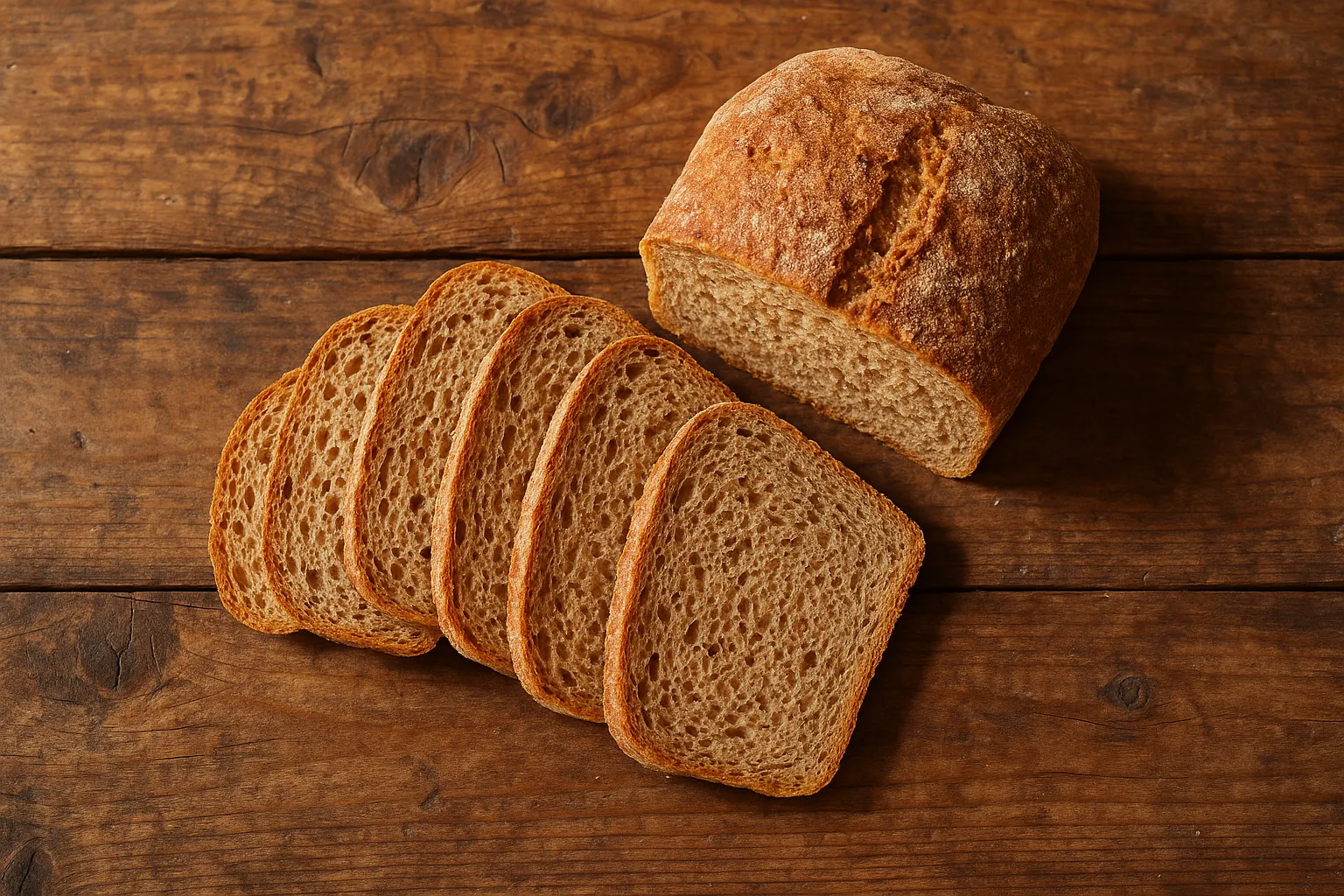
Quick Nutrition Facts
Per 1 Slice (28g)
| Nutrient | Amount |
|---|---|
| Calories | 69 kcal |
| Protein | 3.6g |
| Carbohydrates | 11.6g |
| Fiber | 1.9g |
| Sugars | 1.4g |
| Fat | 1.1g |
| Iron | 0.9mg |
| Magnesium | 23mg |
| Selenium | 10mcg |
| Folate | 14mcg |
Macronutrient Breakdown
 ChatGPT
  Claude
  AI Mode
  Perplexity
NUTRITIONIST INSIGHT
Whole wheat bread retains the bran and germ, providing 3x more fiber than white bread. The fiber and whole grain nutrients support digestive health and blood sugar control.
Myth Busters
MYTH #1: Whole Wheat Bread Causes Weight Gain
TRUTH: One slice has only 69 calories. Studies show switching from refined to whole grains supports weight management. Weight gain happens from excess overall calories, not whole wheat bread. The 1.9g fiber actually promotes fullness.
MYTH #2: Diabetics Should Avoid All Bread
TRUTH: Whole wheat bread has a lower glycemic impact than white bread (GI 74 vs 75-85). Diabetics can include it in moderation - pair with protein or healthy fat, limit to 1-2 slices per meal, and monitor blood sugar response.
MYTH #3: Whole Wheat Bread Tastes Bad
TRUTH: Modern whole wheat bread varieties offer excellent taste and texture. The "cardboard" reputation comes from poorly made versions. Quality whole wheat bread has a nutty flavor and soft texture comparable to refined options.
MYTH #4: "Wheat Bread" Is The Same As Whole Wheat
TRUTH: "Wheat bread" or "multigrain" often contains mostly refined flour. Only "100% whole wheat" or "100% whole grain" guarantees all three parts of the grain. Always check ingredients - whole wheat should be first.
MYTH #5: Gluten-Free Is Healthier Than Whole Wheat
TRUTH: Unless you have celiac disease or gluten sensitivity, whole wheat provides more nutrients than gluten-free alternatives. Gluten-free breads often lack fiber and are made with refined starches.
MYTH #6: Bread Should Be Avoided For Health
TRUTH: Whole grain consumption is linked to 20-30% reduced risk of heart disease, diabetes, and certain cancers. The problem is refined grains, not whole wheat bread. Quality matters more than complete avoidance.
NutriScore by Health Goals
| Health Goal | NutriScore | Why This Score? |
|---|---|---|
| Weight Loss |  | 69 calories per slice, 1.9g fiber promotes fullness, whole grains support metabolism. Limit to 2-3 slices daily. |
| Muscle Gain | | 3.6g protein per slice, complex carbs for sustained energy, B vitamins for muscle recovery. |
| Diabetes Management | | Lower GI than white bread, fiber helps blood sugar control. Pair with protein, limit to 1-2 slices per meal. |
| PCOS Management | | Whole grains improve insulin sensitivity. Choose sprouted whole wheat for lower glycemic impact. |
| Pregnancy Nutrition |  | Rich in folate (14mcg), iron for oxygen transport, B vitamins for fetal development, fiber prevents constipation. |
| Viral/Flu Recovery | | Easy to digest, provides sustained energy, B vitamins support immune function, selenium for antioxidant protection. |
PERSONALIZED NUTRITION
Track your meals with NutriScan for personalized NutriScores based on your specific health goals!
Blood Sugar Response to Whole Wheat Bread
Understanding how whole wheat bread affects your blood glucose can help you make informed decisions about portion sizes and meal pairings.
Typical Glucose Response Curve
*This chart shows typical blood glucose response for healthy individuals. Individual responses may vary. Not medical advice.*
How to Flatten the Spike
Pairing whole wheat bread with protein or healthy fat slows glucose absorption and reduces the peak blood sugar level:
- 🥑 Avocado or hummus - Adds healthy fats and fiber
- 🧀 Cheese or paneer - Provides protein and calcium
- 🥚 Eggs (boiled or scrambled) - Complete protein source
- 🥜 Peanut or almond butter - Healthy fats and protein
This combination not only reduces the glucose spike but also provides balanced nutrition and sustained energy.
Cultural Significance
Bread is one of humanity's oldest prepared foods, with evidence of bread-making dating back 14,000 years to ancient civilizations.
In India:
- Introduced during British colonial period alongside traditional rotis
- Modern whole wheat bread ("brown bread") gaining popularity for health
- Used for sandwiches, toast, and Western-style breakfast
- Increasing health awareness driving demand for whole grain options
Global Impact:
- Staple food for 70% of world population
- Whole wheat varieties gaining market share due to health trends
- Industrial revolution made refined white bread accessible
- 21st century health movement driving return to whole grains
Compare & Substitute
Whole Wheat Bread vs Similar Options (Per 28g slice)
| Nutrient | 🌾 Whole Wheat | ⚪ White Bread | 🌱 Sourdough | 🌾 Multigrain |
|---|---|---|---|---|
| Calories | 69 kcal | 75 kcal | 73 kcal | 72 kcal |
| Carbs | 11.6g | 14g | 13g | 12g |
| Fiber | 1.9g | 0.6g | 0.8g | 1.7g |
| Protein | 3.6g | 2.4g | 2.8g | 3.2g |
| Fat | 1.1g | 1g | 0.5g | 1.2g |
| Iron | 0.9mg | 0.9mg (enriched) | 0.6mg | 1mg |
| Magnesium | 23mg | 5mg | 8mg | 20mg |
| GI | 74 | 75-85 | 52-65 | 68-72 |
| Best For | Overall health, fiber, weight | Budget, texture preference | Blood sugar control, digestion | Variety, texture, nutrients |
Frequently Asked Questions
Is whole wheat bread good for weight loss?
Yes, whole wheat bread supports weight loss better than white bread. One slice has 69 calories and 1.9g fiber that promotes fullness and reduces overall calorie intake.
Best practices: Limit to 2-3 slices daily, choose morning or lunch (avoid dinner), pair with protein (eggs, cheese, lean meat), use for sandwiches with vegetables and lean protein.
Can diabetics eat whole wheat bread?
Yes, whole wheat bread is better for diabetics than white bread. It has a lower glycemic index (GI 74 vs 75-85 for white) and more fiber for blood sugar control.
Tips for diabetics:
- Limit to 1-2 slices per meal (11-23g carbs)
- Always pair with protein or healthy fat
- Best timing: breakfast or lunch, not alone as snack
- Monitor blood sugar 2 hours after eating
The fiber in whole wheat bread slows digestion and prevents sharp blood sugar spikes. Always consult your healthcare provider.
How much protein is in whole wheat bread?
One slice contains 3.6g of protein. While not a complete protein source, two slices provide 7.2g protein plus essential amino acids for muscle maintenance and repair.
For muscle gain or high-protein diets, combine whole wheat bread with protein-rich foods like eggs, cheese, lean meats, or nut butter for optimal nutrition.
What are the main health benefits of whole wheat bread?
Key Benefits:
- Digestive Health: 1.9g fiber per slice supports regular bowel movements and gut bacteria
- Heart Health: Whole grains linked to 20-30% reduced heart disease risk
- Blood Sugar Control: Lower glycemic impact than white bread
- Nutrient Dense: B vitamins for energy, iron for oxygen transport, magnesium for muscle function
- Weight Management: Fiber promotes satiety and reduces overeating
- Disease Prevention: Whole grain consumption reduces diabetes and certain cancer risks
When is the best time to eat whole wheat bread?
Depends on your goal:
- Weight Loss: Breakfast or lunch (avoid dinner). Provides sustained morning energy.
- Muscle Gain: Post-workout (within 2 hours) or breakfast. Supports recovery.
- Diabetes: Any meal paired with protein and vegetables. Better blood sugar control earlier in day.
- Energy: Breakfast or pre-workout (60-90 minutes before). Sustained carbohydrate energy.
IMPORTANT NOTE
Avoid eating bread alone without protein or vegetables - pair for balanced nutrition and better blood sugar control.
Is whole wheat bread healthier than white bread?
Yes, whole wheat bread is significantly healthier than white bread in multiple ways:
Whole Wheat Bread Advantages:
- 3x more fiber (1.9g vs 0.6g per slice)
- More vitamins and minerals (especially B vitamins, iron, magnesium)
- Contains antioxidants and phytochemicals
- Lower glycemic impact for better blood sugar
- Retains bran and germ with beneficial nutrients
Research Evidence: Studies show whole grain consumption reduces diabetes risk by 20-30%, supports better weight management, and provides superior nutrient density.
Recommendation: Always choose "100% whole wheat" for maximum health benefits.
How many slices of whole wheat bread should I eat per day?
General Guidelines:
- 2-3 slices daily - Most people (138-207 calories, 3.8-5.7g fiber)
- 1-2 slices daily - Diabetes, strict weight loss, or low-carb diets
- 3-4 slices daily - Athletes, muscle gain, high activity levels
Avoid excess: More than 4-5 slices daily can provide too many calories and carbohydrates for most sedentary individuals.
Track your meals with NutriScan app to see how whole wheat bread fits your personal nutrition goals.
Can I eat whole wheat bread on a low-carb diet?
Generally limited on strict low-carb or keto diets - one slice has 11.6g carbs (net 9.7g after fiber).
Consider if:
- Moderate Low-Carb (50-100g carbs daily): 1-2 slices may fit
- Strict Keto (<20g carbs daily): Not recommended
- Carb Cycling: Can include on higher-carb days
Better approach: If including bread, choose whole wheat over white for fiber benefits, pair with protein and fat, track total daily carbs carefully.




Similar Nutritious Foods
4505 Chicharrones Classic Chili Salt
7 Eleven Japan Crispy Corn Cheese
Explore More Nutrition Tools & Resources
AI Calorie Counter App - Snap a Photo, Get Macros
AI Nutritionist App That Reads Your Logged Meals
Best Protein Supplements for Women
Bulking Meal Plan App That Sets Your Surplus
ChatGPT Calorie Counter Alternative That Keeps the Total
ChatGPT Diet Plan Alternative That Tracks What You Eat
ChatGPT Weight Loss Coach Alternative With a Food Log
Fast Food Calorie Counter App That Reads the Tray
Free Calorie Tracker App with AI Photo Scans | NutriScan
Indian Diet Plan App With Veg and Non Veg Meals
Indian Food Calorie Calculator - Get Instant Nutrition Facts for Desi Meals — 2026
Intermittent Fasting for Women, Timer and Meal Log App
Intermittent Fasting Tracker App - Free Fasting Timer
Macro Tracker App That Fills the Numbers From a Photo
Mediterranean Diet Meal Plan App That Counts the Oil
Micronutrient Tracker App for Vitamins and Minerals
MyFitnessPal Alternative That Stays Free | NutriScan
NutriScore App: A Free Grade on Every Meal | NutriScan
Nutrition Label Scanner App for the Amount You Ate
Second Trimester Protein Guide
Vegetarian Meal Plan App With a Protein Target
Voice Calorie Counter - Speak to Track Meals Hands-Free
Water and Calorie Tracker App - Free Water Log