Aloo Masala: Calories, Nutrition and Health Benefits
A comforting Indian potato curry rich in spices, vitamins, and essential nutrients for balanced nutrition.
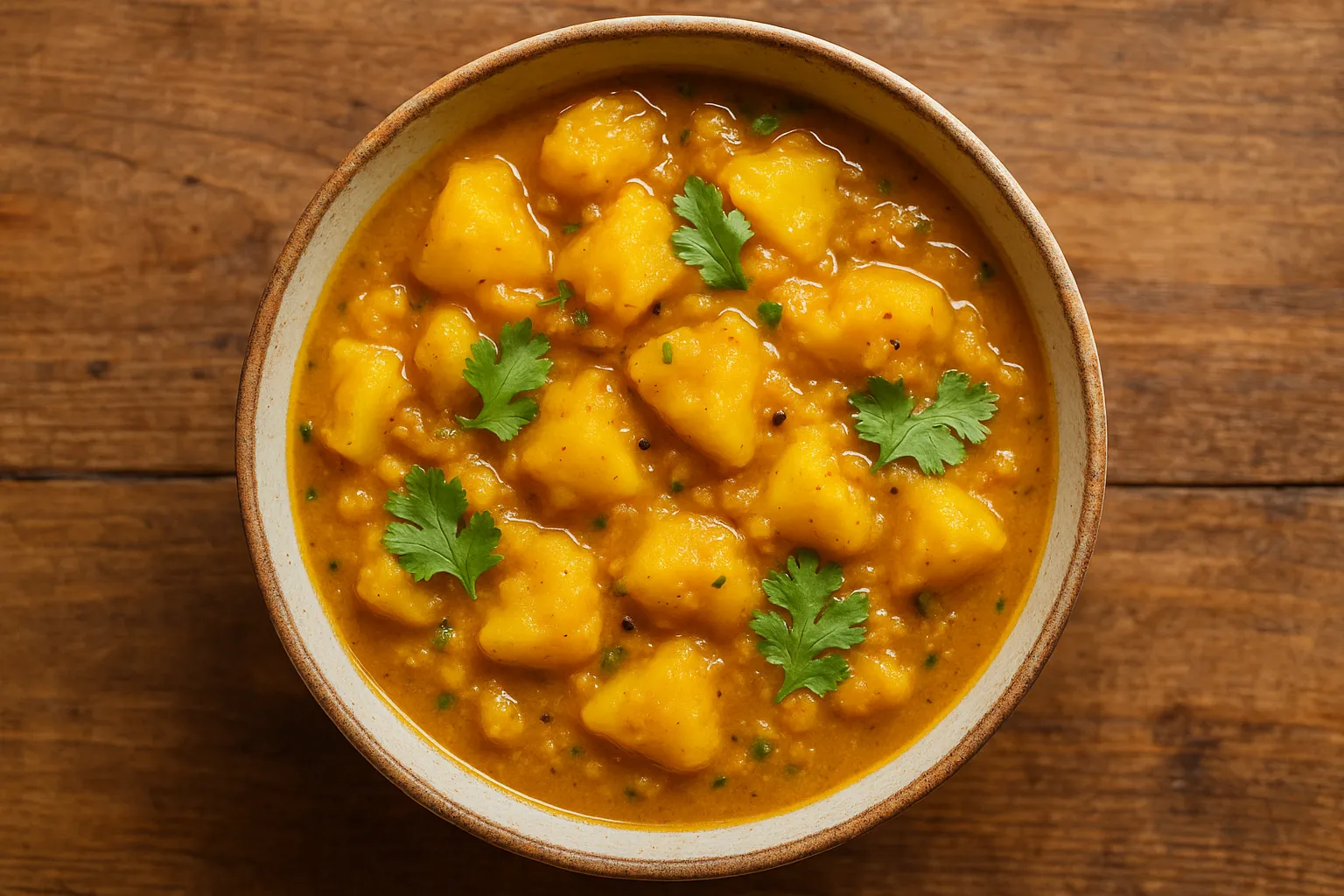
Quick Nutrition Facts
Per 1 Cup Serving (195g)
| Nutrient | Amount |
|---|---|
| Calories | 175 kcal |
| Protein | 4g |
| Carbohydrates | 25g |
| Fiber | 3.5g |
| Sugars | 2.5g |
| Fat | 6g |
| Potassium | 620mg |
| Vitamin C | 18mg |
| Vitamin B6 | 0.3mg |
| Iron | 1.2mg |
Macronutrient Breakdown
 ChatGPT
  Claude
  AI Mode
  Perplexity
NUTRITIONIST INSIGHT
Aloo masala provides 18% of daily vitamin C needs and 17% potassium in one serving. Choose preparation methods with minimal oil and add vegetables for enhanced nutrition and lower calorie density.
Myth Busters
MYTH #1: Potatoes Always Cause Weight Gain
TRUTH: Weight gain comes from excess calories and preparation method, not potatoes themselves. Boiled or steamed potatoes are nutrient-dense with only 77 calories per 100g. Control oil quantity in aloo masala to keep it weight-loss friendly.
MYTH #2: Diabetics Should Never Eat Potatoes
TRUTH: Diabetics can include potatoes in moderation. Cooling cooked potatoes increases resistant starch, which lowers glycemic impact. Pair with protein, limit portions to 1/2 cup, and choose boiled over fried.
MYTH #3: Aloo Masala Has No Nutritional Value
TRUTH: Aloo masala is rich in vitamin C (18mg), potassium (620mg), and B vitamins. Turmeric provides curcumin with anti-inflammatory properties. The key is balanced preparation with minimal oil and added vegetables.
MYTH #4: Indian Food Is Always Unhealthy
TRUTH: Traditional Indian curries like aloo masala use healing spices—turmeric, cumin, coriander—with proven health benefits. When prepared with controlled oil and balanced ingredients, they support overall nutrition and cultural food diversity.
MYTH #5: Reheated Potatoes Lose All Nutrients
TRUTH: Reheating potatoes after cooling actually maintains resistant starch content, which benefits blood sugar control and gut health. Vitamin C may reduce slightly, but minerals and fiber remain intact.
MYTH #6: Potatoes Are Just Empty Carbs
TRUTH: Potatoes provide more than carbs—they're rich in potassium (more than bananas per serving), vitamin C, B vitamins, and fiber. They're a whole food that supports energy, immunity, and mineral balance when prepared healthfully.
NutriScore by Health Goals
| Health Goal | NutriScore | Why This Score? |
|---|---|---|
| Weight Loss |  | 175 calories per cup; 3.5g fiber aids fullness. Prepare with 1-2 tsp oil max, add vegetables to reduce calorie density. Limit to 1/2-3/4 cup serving. |
| Muscle Gain |  | Provides 25g carbs for post-workout glycogen replenishment, 620mg potassium prevents cramps. Add paneer or chicken for complete protein. |
| Diabetes Management | | Medium-high GI (65-80). Cool cooked potatoes to increase resistant starch, limit to 1/2 cup, pair with protein and vegetables. |
| PCOS Management | | Moderate carb content affects insulin. Limit to 1/2 cup 2-3x weekly, choose fiber-rich preparation, combine with high-protein foods. |
| Pregnancy Nutrition | | Vitamin B6 reduces nausea, vitamin C supports immunity, potassium prevents leg cramps. Safe when prepared hygienically. |
| Viral/Flu Recovery | | Easy to digest, provides quick energy, vitamin C boosts immunity, warm spices (turmeric, ginger) have anti-inflammatory effects. |
PERSONALIZED NUTRITION
Track your meals with NutriScan for personalized NutriScores based on your specific health goals!
Blood Sugar Response to Aloo Masala
Understanding how aloo masala affects your blood glucose helps you make informed decisions about portions and meal pairing.
Typical Glucose Response Curve
*This chart shows typical blood glucose response for general healthy individuals. Individual responses may vary. Not medical advice.*
How to Flatten the Spike
Pairing aloo masala with protein or fiber slows glucose absorption and reduces peak blood sugar:
- 🥘 Dal (Lentils) - Adds protein and fiber, slows digestion
- 🥬 Spinach or mixed vegetables - Increases fiber and volume
- 🍗 Chicken or paneer - Complete protein sources
- 🥒 Raita (yogurt-cucumber) - Provides probiotics and protein
This combination extends energy release and improves satiety for 3-4 hours.
Cultural Significance
Aloo masala is a cornerstone of Indian cuisine, representing comfort food across diverse regions.
In India:
- Regional variations: Karnataka (for masala dosa), North India (dry sabzi), Kerala (with coconut)
- Street food staple: filling for dosa, puri, and sandwiches
- Home cooking essential: quick, affordable, family-friendly meal
- Festival food: prepared during religious occasions and celebrations
Global Impact:
- Adapted worldwide in Indian restaurants and fusion cuisine
- Budget-friendly protein-sparing meal option
- Showcases Indian spice blend traditions (garam masala, turmeric, cumin)
- Vegan-friendly when prepared without ghee
Compare & Substitute
Aloo Masala vs Similar Indian Curries (Per 100g)
| Nutrient | 🥔 Aloo Masala | 🥔 Aloo Gobi | 🍛 Chana Masala | 🥕 Mixed Veg Curry |
|---|---|---|---|---|
| Calories | 90 kcal | 65 kcal | 120 kcal | 75 kcal |
| Carbs | 13g | 9g | 18g | 11g |
| Fiber | 1.8g | 2.3g | 4g | 2.5g |
| Protein | 2g | 2.5g | 6g | 2.5g |
| Fat | 3g | 2.5g | 3.5g | 3g |
| Potassium | 320mg | 280mg | 290mg | 310mg |
| Vitamin C | 9mg | 15mg | 4mg | 12mg |
| Best For | Quick energy | Lower calorie | High protein | Nutrient variety |
Frequently Asked Questions
Is aloo masala good for weight loss?
Aloo masala can support weight loss when prepared with minimal oil and controlled portions. A 1-cup serving has 175 calories and 3.5g fiber for satiety.
Weight loss tips: Use 1-2 tsp oil per serving; steam or boil potatoes instead of frying; add spinach, peas, or bell peppers to increase volume; limit to 3/4 cup serving; pair with protein (dal, paneer).
Can diabetics eat aloo masala?
Diabetics can include aloo masala in moderation with smart preparation. Potatoes have a medium-high glycemic index (65-85).
Diabetes-friendly preparation: Limit to 1/2 cup portion; cool cooked potatoes before eating to increase resistant starch; pair with protein (chickpeas, chicken) and fiber (vegetables); monitor blood sugar 2 hours after eating; choose lunch over dinner.
Green plantains or cauliflower can substitute for lower glycemic impact.
How much protein is in aloo masala?
A 1-cup serving contains 4g of protein. While not a significant protein source, aloo masala is valued for carbohydrates (25g) for energy and minerals like potassium.
To increase protein: add paneer cubes (7g protein per 30g); stir in chickpeas (6g per 1/2 cup); serve with dal (7-9g per 1/2 cup); pair with chicken curry.
What are the main health benefits of aloo masala?
Key Benefits:
- Vitamin C: 18mg per serving supports immunity and collagen production
- Potassium: 620mg maintains healthy blood pressure and muscle function
- Vitamin B6: Supports brain health and neurotransmitter production
- Fiber: 3.5g aids digestive health and blood sugar control
- Anti-inflammatory Spices: Turmeric (curcumin), ginger, and cumin reduce inflammation
- Energy: Complex carbohydrates provide sustained energy for daily activities
When is the best time to eat aloo masala?
Depends on your goal:
- Weight Loss: Lunch (12-2 PM) when metabolism is higher. Avoid dinner; carbs digest slower at night.
- Muscle Gain: Post-workout lunch for glycogen replenishment.
- Diabetes: Lunch paired with dal and vegetables. Skip if blood sugar already elevated.
- Energy Needs: Lunch before afternoon activities for sustained energy.
IMPORTANT NOTE
Avoid aloo masala late at night if you have acid reflux or slow digestion.
Is aloo masala healthy?
Aloo masala can be healthy when prepared mindfully:
Healthy Preparation:
- Use 1-2 tsp oil per serving (not deep-fried)
- Add vegetables (peas, carrots, beans) for fiber
- Include anti-inflammatory spices (turmeric, cumin, coriander)
- Boil or steam potatoes instead of frying
- Limit salt to 1/4 tsp per serving
Less Healthy Versions:
- Deep-fried potatoes (adds 100+ calories)
- Excessive oil (3+ tbsp per serving)
- High sodium (1+ tsp salt)
- Refined flour accompaniments (white bread, maida pooris)
Track preparation method with NutriScan app for accurate calorie and nutrition data.
How can I make aloo masala healthier?
Healthier Modifications:
- Reduce Oil: Use 1 tsp for tempering; steam potatoes instead of sautéing
- Increase Vegetables: Add peas, carrots, beans, or spinach (50% potatoes, 50% vegetables)
- Cool Before Eating: Increases resistant starch for better blood sugar control
- Smart Pairings: Serve with dal, vegetable raita, and whole wheat roti
- Portion Control: Limit to 3/4 cup and fill rest of plate with vegetables and protein
- Skin-On Potatoes: Increases fiber and nutrient density
These changes reduce calories by 30-40% while improving nutritional value.
Can I eat aloo masala during pregnancy?
Generally safe when prepared hygienically with fresh ingredients.
Pregnancy Benefits:
- Vitamin B6: Reduces morning sickness
- Folate: Supports fetal neural development (when using fortified potatoes)
- Potassium: Prevents leg cramps and maintains blood pressure
- Energy: Provides sustained energy for increased metabolic needs
Precautions: Ensure thorough cooking; avoid raw or undercooked potatoes; limit oil; pair with protein; track sodium intake if you have pregnancy-induced hypertension.




Similar Nutritious Foods
4505 Chicharrones Classic Chili Salt
7 Eleven Japan Crispy Corn Cheese
Explore More Nutrition Tools & Resources
AI Calorie Counter App - Snap a Photo, Get Macros
AI Nutritionist App That Reads Your Logged Meals
Best Protein Supplements for Women
Bulking Meal Plan App That Sets Your Surplus
ChatGPT Calorie Counter Alternative That Keeps the Total
ChatGPT Diet Plan Alternative That Tracks What You Eat
ChatGPT Weight Loss Coach Alternative With a Food Log
Fast Food Calorie Counter App That Reads the Tray
Free Calorie Tracker App with AI Photo Scans | NutriScan
Indian Diet Plan App With Veg and Non Veg Meals
Indian Food Calorie Calculator - Get Instant Nutrition Facts for Desi Meals — 2026
Intermittent Fasting for Women, Timer and Meal Log App
Intermittent Fasting Tracker App - Free Fasting Timer
Macro Tracker App That Fills the Numbers From a Photo
Mediterranean Diet Meal Plan App That Counts the Oil
Micronutrient Tracker App for Vitamins and Minerals
MyFitnessPal Alternative That Stays Free | NutriScan
NutriScore App: A Free Grade on Every Meal | NutriScan
Nutrition Label Scanner App for the Amount You Ate
Second Trimester Protein Guide
Vegetarian Meal Plan App With a Protein Target
Voice Calorie Counter - Speak to Track Meals Hands-Free
Water and Calorie Tracker App - Free Water Log