Aloo Gobi: Calories, Nutrition and Health Benefits
Classic North Indian comfort food combining cauliflower and potatoes with aromatic spices - nutritious, satisfying, and perfect for every health goal.
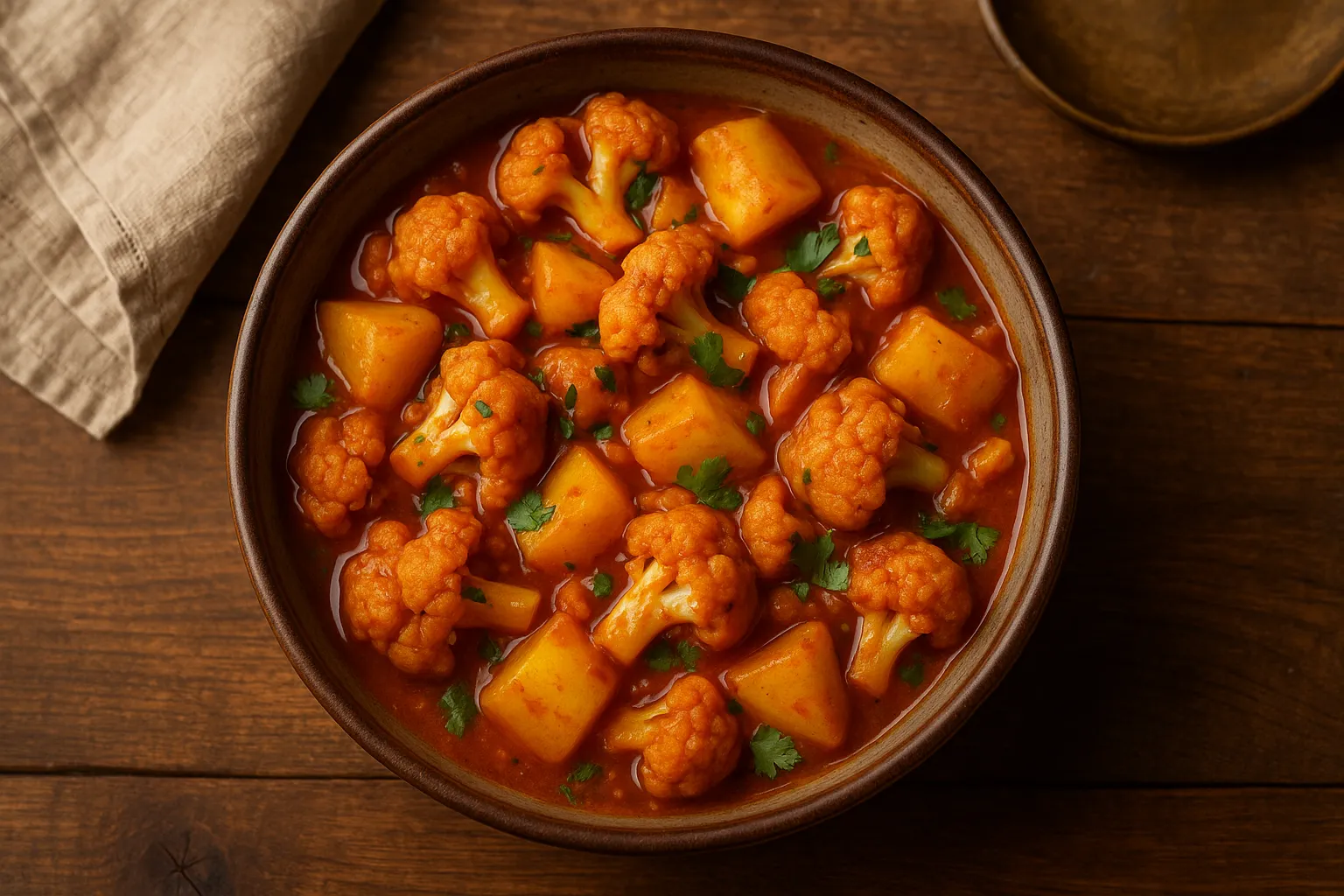
Quick Nutrition Facts
Per 1 Cup Serving (200g)
| Nutrient | Amount |
|---|---|
| Calories | 140 kcal |
| Protein | 5g |
| Carbohydrates | 24g |
| Fiber | 6g |
| Sugars | 4g |
| Fat | 4g |
| Vitamin C | 80mg |
| Potassium | 600mg |
| Iron | 1.8mg |
| Calcium | 60mg |
Macronutrient Breakdown
 ChatGPT
  Claude
  AI Mode
  Perplexity
NUTRITIONIST INSIGHT
Aloo gobi provides 89% of daily vitamin C needs in one cup. The combination of cauliflower's antioxidants and turmeric's anti-inflammatory compounds makes this dish particularly beneficial for immune health and inflammation management.
Myth Busters
MYTH #1: Aloo Gobi Is Too High in Carbs for Weight Loss
TRUTH: One cup has only 140 calories with 6g filling fiber. The high fiber content promotes satiety and aids weight management. The key is using minimal oil (1-2 tbsp) and controlling portion size.
MYTH #2: Diabetics Should Avoid Aloo Gobi Due to Potatoes
TRUTH: The cauliflower provides fiber that slows carb absorption. Diabetics can enjoy aloo gobi by increasing the cauliflower-to-potato ratio (2:1) and pairing with protein-rich dal or paneer.
MYTH #3: Aloo Gobi Has No Protein
TRUTH: One cup provides 5g protein from potatoes and cauliflower. While not a primary protein source, it contributes to daily protein needs. Pair with dal (lentils) or paneer for a complete protein meal.
MYTH #4: Aloo Gobi Is Unhealthy Because It's Fried
TRUTH: Traditional aloo gobi is sautéed, not deep-fried. Using minimal oil (1-2 tbsp) keeps it healthy. Air-frying or steaming further reduces calories while maintaining flavor and nutrition.
MYTH #5: Store-Bought Aloo Gobi Is As Healthy As Homemade
TRUTH: Restaurant and packaged versions often contain 3-4x more oil and sodium. Homemade aloo gobi allows control over ingredients, oil quantity, and spice levels for optimal nutrition.
MYTH #6: Aloo Gobi Loses Nutrients When Cooked
TRUTH: While some vitamin C is lost during cooking, turmeric and other spices enhance bioavailability of antioxidants. Steaming or covered cooking preserves more nutrients than boiling.
NutriScore by Health Goals
| Health Goal | NutriScore | Why This Score? |
|---|---|---|
| Weight Loss |  | 140 calories per cup, 6g fiber promotes fullness. Prepare with minimal oil (1-2 tbsp) for best results. |
| Muscle Gain |  | Provides 5g protein and carbs for energy. Best paired with high-protein foods like dal, paneer, or chicken for muscle recovery. |
| Diabetes Management | | Moderate GI due to potatoes. Increase cauliflower ratio, use small portions (1/2 cup), pair with protein and fiber-rich foods. |
| PCOS Management | | High fiber and anti-inflammatory turmeric support hormone balance. Limit to 1 cup, increase cauliflower proportion. |
| Pregnancy Nutrition |  | Rich in folate from cauliflower, vitamin C for iron absorption, potassium prevents cramps. |
| Viral/Flu Recovery | | 80mg vitamin C (89% DV) boosts immunity, easy to digest, turmeric provides anti-inflammatory benefits, warm and comforting. |
PERSONALIZED NUTRITION
Track your meals with NutriScan for personalized NutriScores based on your specific health goals!
Blood Sugar Response to Aloo Gobi
Understanding how aloo gobi affects blood glucose helps you optimize timing and pairings for stable energy.
Typical Glucose Response Curve
This chart shows typical blood glucose response for general healthy individuals. Individual responses may vary. Not medical advice.
How to Flatten the Spike
Pairing aloo gobi with protein or additional fiber reduces the glucose peak and provides sustained energy:
- 🥘 Dal (lentils) - Adds protein and additional fiber
- 🧀 Paneer - Provides complete protein and healthy fats
- 🥗 Raita (yogurt) - Probiotics and protein slow digestion
- 🫓 Whole wheat roti - Additional fiber compared to white bread
This combination creates a balanced meal that stabilizes blood sugar while maximizing nutrition and satisfaction.
Cultural Significance
Aloo gobi is one of North India's most beloved vegetarian dishes, with roots in Punjabi and Mughlai cuisines dating back centuries.
In India:
- Staple dish in North Indian households, especially Punjab and Delhi
- Featured in Indian restaurants worldwide as a vegetarian signature dish
- Often prepared during festivals and family gatherings
- Symbolic of simple, wholesome home cooking
- Variations exist across regions: some add tomatoes, peas, or cashews
Ayurvedic Perspective:
- Turmeric provides anti-inflammatory and digestive benefits
- Cauliflower balances all three doshas (Vata, Pitta, Kapha)
- Cumin and coriander seeds aid digestion
- Considered a sattvic (pure) food when prepared fresh
Global Impact:
- Popular in vegetarian and vegan menus worldwide
- Adapted in fusion cuisines (tacos, wraps, bowls)
- Key dish in Indian diaspora communities maintaining food traditions
Compare & Substitute
Aloo Gobi vs Similar Curries (Per 100g)
| Nutrient | 🍛 Aloo Gobi | 🌶️ Bhindi Sabzi | 🧀 Paneer Curry | 🥘 Mixed Veg Curry |
|---|---|---|---|---|
| Calories | 70 kcal | 58 kcal | 135 kcal | 65 kcal |
| Carbs | 12g | 9g | 6g | 11g |
| Fiber | 3g | 3.5g | 1.5g | 3.2g |
| Protein | 2.5g | 2.2g | 7.5g | 2.8g |
| Fat | 2g | 1.5g | 10g | 2.5g |
| Vitamin C | 40mg | 18mg | 2mg | 35mg |
| Calcium | 30mg | 82mg | 180mg | 45mg |
| Best For | Balanced nutrition | Low-calorie | High protein, PCOS | Vitamin variety |
Frequently Asked Questions
Is aloo gobi good for weight loss?
Yes, aloo gobi supports weight loss when prepared with minimal oil. One cup provides only 140 calories with 6g of fiber that promotes fullness and controls appetite.
Best practices: Use 1-2 tbsp oil maximum; increase cauliflower-to-potato ratio (2:1); steam or air-fry instead of sautéing; pair with dal for protein; limit to 1 cup per meal.
Can diabetics eat aloo gobi?
Diabetics can eat aloo gobi with modifications. The potatoes raise blood sugar, but cauliflower's fiber helps slow absorption.
Tips for diabetics: Increase cauliflower proportion (use 2:1 cauliflower to potato); limit portion to 1/2-3/4 cup; always pair with protein (dal, paneer, chicken); eat mid-day rather than at night; monitor blood sugar 2 hours after eating.
How many calories are in aloo gobi?
Calories depend on preparation:
- Homemade (minimal oil): 140 calories per cup (70 per 100g)
- Restaurant style: 220-280 calories per cup
- Steamed/Air-fried: 100-120 calories per cup
For weight management, prepare at home with 1-2 tbsp oil and use air-frying or steaming methods.
What are the main health benefits of aloo gobi?
Key Benefits:
- Immune Support: 80mg vitamin C (89% daily value) boosts immunity
- Digestive Health: 6g fiber supports regular bowel movements and gut health
- Anti-Inflammatory: Turmeric's curcumin reduces inflammation
- Heart Health: Potassium (600mg) and fiber support cardiovascular function
- Antioxidants: Cauliflower provides sulforaphane and other protective compounds
- Cancer Prevention: Cruciferous vegetables may reduce cancer risk
Is aloo gobi healthier than other Indian curries?
Aloo gobi ranks among the healthier Indian curries when prepared properly:
Healthier than: Paneer butter masala, korma, malai kofta (all cream-based, high-calorie) Similar to: Bhindi masala, mixed vegetable curry, dal Less protein than: Paneer curry, chicken curry, chole (chickpea curry)
Make it healthier: Use minimal oil, increase vegetables, add protein source, avoid cream or cashew paste.
How can I make aloo gobi healthier?
Healthier Cooking Methods:
- Reduce oil: Use 1-2 tbsp instead of 4-6 tbsp
- Air-fry: Toss vegetables in 1 tsp oil and air-fry at 375°F for 15-20 minutes
- Steam first: Steam vegetables until 80% done, then quick-sauté with spices
- Increase cauliflower: Use 2:1 cauliflower-to-potato ratio
- Add protein: Mix in chickpeas or pair with dal
- Extra veggies: Add peas, carrots, or green beans for more nutrients
What is the best time to eat aloo gobi?
Depends on your goal:
- Weight Loss: Lunch (better metabolism during day); avoid dinner
- Diabetes: Lunch, paired with dal and salad; not on empty stomach
- Pregnancy: Any time, especially lunch for sustained energy
- Athletic Performance: Post-workout lunch for carb replenishment
IMPORTANT NOTE
Avoid eating aloo gobi late at night - the carbs and spices may interfere with sleep quality.
Can I eat aloo gobi on a low-carb diet?
Modified versions work for low-carb diets:
Traditional recipe: 24g carbs per cup (not suitable) Low-carb modification:
- Replace half the potato with cauliflower only (12g carbs)
- Replace all potato with turnips or radish (8g carbs)
- Add paneer for protein and fat to increase satiety
Track with NutriScan app to see how aloo gobi fits your specific carb targets.


Similar Nutritious Foods
4505 Chicharrones Classic Chili Salt
7 Eleven Japan Crispy Corn Cheese
Explore More Nutrition Tools & Resources
AI Calorie Counter App - Snap a Photo, Get Macros
AI Nutritionist App That Reads Your Logged Meals
Best Protein Supplements for Women
Bulking Meal Plan App That Sets Your Surplus
ChatGPT Calorie Counter Alternative That Keeps the Total
ChatGPT Diet Plan Alternative That Tracks What You Eat
ChatGPT Weight Loss Coach Alternative With a Food Log
Fast Food Calorie Counter App That Reads the Tray
Free Calorie Tracker App with AI Photo Scans | NutriScan
Indian Diet Plan App With Veg and Non Veg Meals
Indian Food Calorie Calculator - Get Instant Nutrition Facts for Desi Meals — 2026
Intermittent Fasting for Women, Timer and Meal Log App
Intermittent Fasting Tracker App - Free Fasting Timer
Macro Tracker App That Fills the Numbers From a Photo
Mediterranean Diet Meal Plan App That Counts the Oil
Micronutrient Tracker App for Vitamins and Minerals
MyFitnessPal Alternative That Stays Free | NutriScan
NutriScore App: A Free Grade on Every Meal | NutriScan
Nutrition Label Scanner App for the Amount You Ate
Second Trimester Protein Guide
Vegetarian Meal Plan App With a Protein Target
Voice Calorie Counter - Speak to Track Meals Hands-Free
Water and Calorie Tracker App - Free Water Log