Aloo Bhujia: Calories, Nutrition and Health Facts
Popular Indian savory snack made from potato and chickpea flour, deep-fried until crispy - extremely calorie-dense and high in fat.
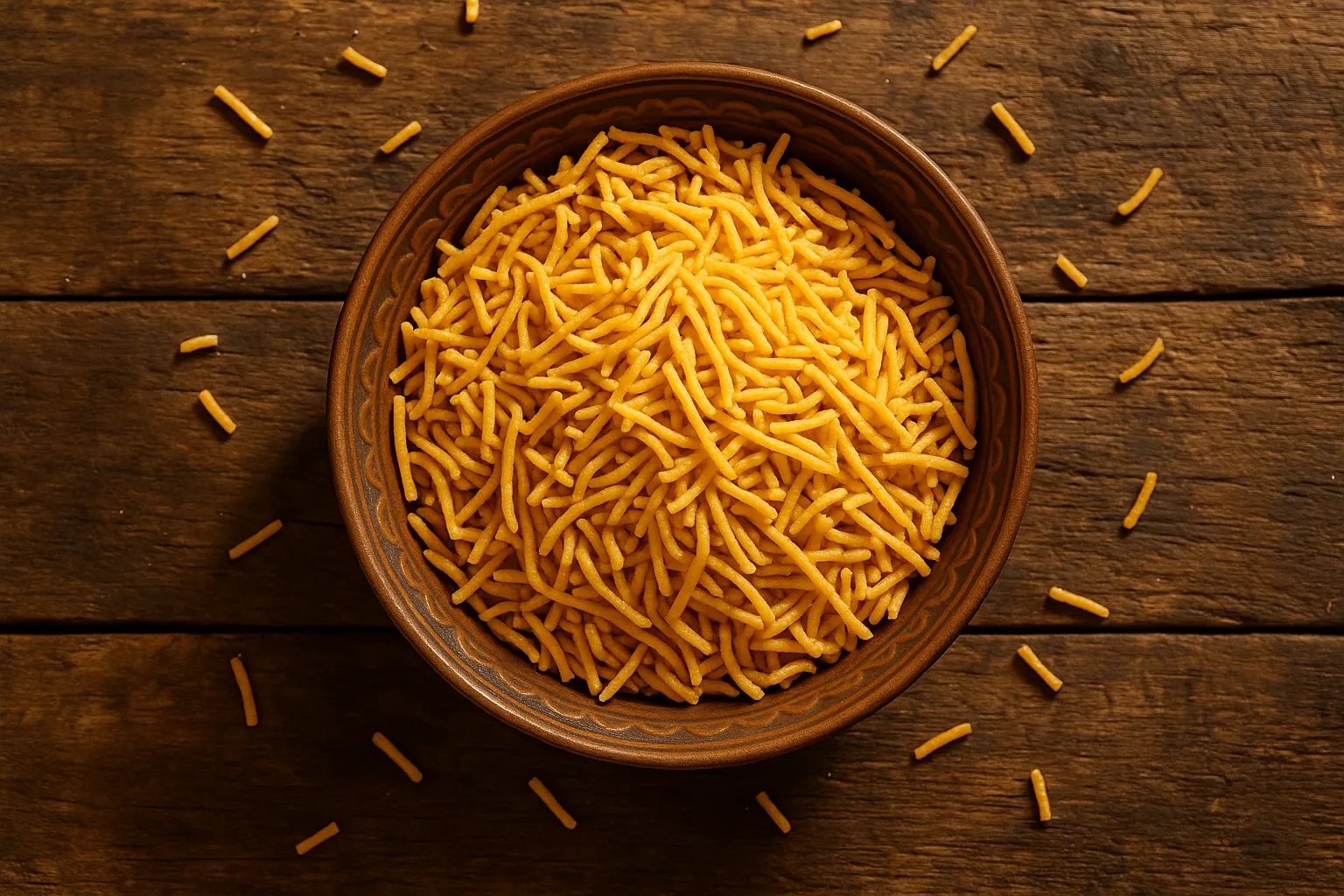
Quick Nutrition Facts
Per 100g Aloo Bhujia
| Nutrient | Amount |
|---|---|
| Calories | 562 kcal |
| Protein | 8g |
| Carbohydrates | 42g |
| Fiber | 3g |
| Sugars | 0.5g |
| Fat | 42g |
| Saturated Fat | 12g |
| Sodium | 850mg |
| Iron | 3.2mg |
| Potassium | 180mg |
Macronutrient Breakdown
 ChatGPT
  Claude
  AI Mode
  Perplexity
NUTRITIONIST INSIGHT
Aloo Bhujia is an ultra-processed, deep-fried snack with 562 calories per 100g - nearly 1/4 of daily calorie needs in a small handful. The high sodium content (850mg per 100g) also poses cardiovascular risks with regular consumption.
Myth Busters
MYTH #1: Aloo Bhujia is Just a Light Snack
TRUTH: A 100g serving has 562 calories and 42g fat - equivalent to eating 5 medium bananas or 2 McDonald's hamburgers. A "light handful" (50g) still contains 281 calories, making it one of the most calorie-dense snacks.
MYTH #2: Homemade Aloo Bhujia is Healthy
TRUTH: Even homemade versions require deep frying in oil, resulting in similarly high fat content. While you control ingredients and avoid preservatives, the calorie density remains 450-500 kcal per 100g. Baking or air-frying can reduce fat by 40-50%.
MYTH #3: Aloo Bhujia Provides Good Protein
TRUTH: Despite 8g protein per 100g from besan (chickpea flour), you consume 42g fat and 562 calories to get that protein. Better protein sources: 100g chicken breast (165 cal, 31g protein, 3.6g fat) or Greek yogurt (59 cal, 10g protein, 0.4g fat).
MYTH #4: You Can Eat Aloo Bhujia Daily in Moderation
TRUTH: The high sodium content (850mg per 100g) - nearly 40% of daily limit in just 100g - makes daily consumption problematic. Regular intake increases blood pressure and cardiovascular disease risk, especially for those with hypertension.
MYTH #5: Aloo Bhujia Satisfies Hunger
TRUTH: High-fat, low-fiber processed snacks trigger dopamine release but don't provide satiety. Most people consume an entire packet (200g = 1,124 calories) and still feel hungry within 1-2 hours due to lack of protein and fiber.
MYTH #6: Baked/Roasted Bhujia is Much Healthier
TRUTH: Baked versions reduce fat by 40-50% (from 42g to 20-25g per 100g) but still remain calorie-dense at 350-400 kcal per 100g. While better than fried, they're not "healthy" - just less unhealthy.
NutriScore by Health Goals
| Health Goal | NutriScore | Why This Score? |
|---|---|---|
| Weight Loss |  | Extremely calorie-dense (562 kcal/100g), high fat (42g), low satiety. A small 50g serving = 281 calories. Avoid completely for weight loss goals. |
| Muscle Gain |  | Poor protein-to-fat ratio (8g protein, 42g fat). You get excessive calories and fat for minimal protein. Choose lean meats, dairy, or legumes instead. |
| Diabetes Management | | High refined carbs (42g), deep-fried in oils, high sodium (850mg). Worsens insulin resistance and increases cardiovascular risk. Diabetics should avoid. |
| PCOS Management | | High refined carbs and inflammatory oils worsen insulin resistance and hormonal imbalance. High sodium increases fluid retention. Not recommended for PCOS. |
| Pregnancy Nutrition | | Lacks essential pregnancy nutrients (folate, iron, calcium). High sodium increases swelling and blood pressure risks. Occasional treat only. |
| Viral/Flu Recovery | | Heavy, difficult to digest, provides empty calories without immune-supporting vitamins. Choose nutrient-dense foods like fruits, soups, and whole grains during recovery. |
PERSONALIZED NUTRITION
Track your meals with NutriScan for personalized NutriScores based on your specific health goals!
Blood Sugar Response to Aloo Bhujia
Understanding the glycemic impact of this deep-fried snack helps explain why it's problematic for metabolic health.
Typical Glucose Response Curve
*This chart shows typical blood glucose response for general healthy individuals. Individual responses may vary. Not medical advice.*
Why Blood Sugar Management is Difficult
The refined flour (maida) and potato starch in Aloo Bhujia cause rapid blood sugar elevation, while the high fat content slows insulin response, creating a prolonged elevated glucose state.
If you must consume:
- Limit to 25-30g maximum (about 2 tablespoons)
- Pair with protein - handful of raw almonds or paneer
- Add fiber - serve with cucumber or carrot sticks
- Timing matters - never on empty stomach or at night
Better alternatives: Roasted chickpeas, air-popped popcorn, roasted makhana (fox nuts), or baked vegetable chips provide crunch without the metabolic impact.
Cultural Significance
Aloo Bhujia, particularly popularized by Haldiram's brand, has become an iconic Indian snack with deep cultural roots.
In India:
- Originated in Bikaner, Rajasthan in early 20th century
- Haldiram's Aloo Bhujia became a household name across India
- Traditional tea-time snack, often served with chai
- Popular during festivals, train journeys, and family gatherings
- Available in virtually every Indian grocery store worldwide
- Part of Indian "namkeen" (savory snack) culture
Commercial Impact:
- Haldiram's is one of India's largest FMCG companies
- Aloo Bhujia accounts for significant portion of savory snack market
- Exported globally to Indian diaspora communities
- Variants include Moong Dal, Sev, Mixture, all following similar preparation
Modern Context:
Rising health consciousness has led to baked and air-fried versions, though traditional deep-fried varieties remain most popular despite health concerns.
Compare & Substitute
Aloo Bhujia vs Healthier Snack Alternatives (Per 100g)
| Nutrient | 🥔 Aloo Bhujia | 🥜 Roasted Chickpeas | 🍿 Air-Popped Popcorn (per cup) | 🌰 Roasted Makhana | 🍎 Apple Slices |
|---|---|---|---|---|---|
| Calories | 562 kcal | 164 kcal | 31 kcal | 347 kcal | 52 kcal |
| Carbs | 42g | 27g | 6g | 77g | 14g |
| Fiber | 3g | 8g | 1.2g | 14g | 2.4g |
| Protein | 8g | 9g | 1g | 10g | 0.3g |
| Fat | 42g | 2.6g | 0.4g | 0.5g | 0.2g |
| Sodium | 850mg | 10mg | 2mg | 5mg | 1mg |
| Best For | Occasional treat only | Weight loss, protein snack | Low-calorie snacking, weight loss | Gluten-free, low-fat snacking | Weight loss, hydration |
Frequently Asked Questions
Is Aloo Bhujia good for weight loss?
No, Aloo Bhujia is one of the worst foods for weight loss. With 562 calories per 100g and 42g fat, it's extremely calorie-dense. A typical small serving (50g) contains 281 calories - equivalent to a meal's worth of calories in a few bites.
Why it sabotages weight loss:
- High calorie density with low satiety
- Lacks fiber and protein to keep you full
- Easy to overeat (crunchy, salty foods are addictive)
- High sodium causes water retention and bloating
Better alternatives: Roasted chickpeas (164 cal/100g, 8g fiber), air-popped popcorn (31 cal/cup), or apple slices with almond butter.
Can diabetics eat Aloo Bhujia?
Diabetics should avoid Aloo Bhujia. The combination of refined flour, potato starch, and deep-fried preparation creates multiple problems:
Why it's problematic:
- Refined carbohydrates (42g per 100g) cause blood sugar spikes
- High fat (42g) slows insulin response, prolonging elevated glucose
- High sodium (850mg) increases cardiovascular risk
- Zero dietary fiber to slow glucose absorption
Better snack options for diabetics: Roasted chickpeas, cucumber with hummus, handful of almonds, or Greek yogurt with berries.
How many calories in a small pack of Aloo Bhujia?
Typical pack sizes and calories:
- Small pack (50g): 281 calories, 21g fat, 21g carbs
- Medium pack (100g): 562 calories, 42g fat, 42g carbs
- Large pack (200g): 1,124 calories, 84g fat, 84g carbs
A standard 200g pack contains more than half of an average adult's daily calorie requirement (2,000 kcal). Most people underestimate serving sizes and consume entire packs in one sitting.
What are healthier alternatives to Aloo Bhujia?
Better crunchy snack alternatives:
- Roasted Chickpeas - 164 cal/100g, high fiber (8g), good protein (9g)
- Air-Popped Popcorn - 31 cal/cup, whole grain, satisfying crunch
- Roasted Makhana (Fox Nuts) - 347 cal/100g, low fat, high fiber (14g)
- Baked Vegetable Chips - 150-200 cal/100g (homemade with minimal oil)
- Mixed Nuts - Controlled portions (15-20 almonds = 100 cal, healthy fats)
- Cucumber with Hummus - Low calorie, hydrating, protein from chickpeas
Homemade tip: Make baked or air-fried bhujia at home to reduce fat content by 40-50%.
Is Aloo Bhujia unhealthy?
Yes, Aloo Bhujia is considered unhealthy for regular consumption due to multiple factors:
Health concerns:
- Very high calorie density: 562 kcal/100g makes portion control difficult
- Deep-fried in refined oils: Creates trans fats and inflammatory compounds
- High sodium content: 850mg per 100g (40% of daily limit in small serving)
- Refined flour and starches: Rapid blood sugar spikes
- Minimal micronutrients: Empty calories without vitamins or minerals
- Ultra-processed: Contains preservatives, artificial flavors, and additives
Occasional consumption: Healthy individuals can enjoy 25-30g occasionally (once a week) as a treat, but it should never be a regular snack.
How much Aloo Bhujia can I eat per day?
Recommendations by health status:
Healthy adults:
- Maximum 25-30g (about 2-3 tablespoons) = 140-170 calories
- Frequency: 1-2 times per week maximum, not daily
- Always count it as part of daily calorie budget
Weight loss goals:
- Avoid completely or limit to 15g once every 2 weeks
- Better to choose lower-calorie alternatives
Diabetes/PCOS/Heart disease:
- Avoid completely due to refined carbs, high sodium, and fat content
Pregnancy:
- Occasional treat (25g) acceptable, but not recommended due to high sodium and lack of nutrients
Track your intake with NutriScan app to see how it fits your daily calorie and sodium limits.
Does Aloo Bhujia have any nutritional benefits?
Very minimal benefits compared to health risks:
Minor positives:
- Some protein (8g/100g) from chickpea flour (besan), but comes with 42g fat
- Iron (3.2mg/100g), though not bioavailable due to phytates in flour
- Small amount of fiber (3g/100g) from chickpea flour
Reality check: The high calorie, fat, and sodium content far outweigh these minimal benefits. You can get protein, iron, and fiber from much healthier sources like legumes, nuts, whole grains, and leafy greens without the metabolic damage.
Verdict: Aloo Bhujia is a treat food with no significant nutritional value. It provides taste pleasure but not health benefits.
Can I make healthier Aloo Bhujia at home?
Yes, homemade versions can be 30-50% healthier using these modifications:
Healthier preparation methods:
- Air fryer method - Reduces fat by 60% (from 42g to ~17g per 100g)
- Baking - Use minimal oil spray, results in 350-400 cal/100g instead of 562
- Use healthier flours - Mix in whole wheat flour, oat flour, or quinoa flour
- Control sodium - Use only 1/4 teaspoon salt per 100g flour
- Skip preservatives - No artificial flavors or colors
Realistic expectations:
- Homemade air-fried version: ~350-400 cal/100g vs 562 cal (commercial)
- Still calorie-dense; portion control essential
- Better than store-bought but not a "health food"
Recipe tip: Make small batches (100-150g) to avoid overeating. Store in small containers with pre-measured 25g portions.




Similar Nutritious Foods
4505 Chicharrones Classic Chili Salt
7 Eleven Japan Crispy Corn Cheese
Explore More Nutrition Tools & Resources
AI Calorie Counter App - Snap a Photo, Get Macros
AI Nutritionist App That Reads Your Logged Meals
Best Protein Supplements for Women
Bulking Meal Plan App That Sets Your Surplus
ChatGPT Calorie Counter Alternative That Keeps the Total
ChatGPT Diet Plan Alternative That Tracks What You Eat
ChatGPT Weight Loss Coach Alternative With a Food Log
Fast Food Calorie Counter App That Reads the Tray
Free Calorie Tracker App with AI Photo Scans | NutriScan
Indian Diet Plan App With Veg and Non Veg Meals
Indian Food Calorie Calculator - Get Instant Nutrition Facts for Desi Meals — 2026
Intermittent Fasting for Women, Timer and Meal Log App
Intermittent Fasting Tracker App - Free Fasting Timer
Macro Tracker App That Fills the Numbers From a Photo
Mediterranean Diet Meal Plan App That Counts the Oil
Micronutrient Tracker App for Vitamins and Minerals
MyFitnessPal Alternative That Stays Free | NutriScan
NutriScore App: A Free Grade on Every Meal | NutriScan
Nutrition Label Scanner App for the Amount You Ate
Second Trimester Protein Guide
Vegetarian Meal Plan App With a Protein Target
Voice Calorie Counter - Speak to Track Meals Hands-Free
Water and Calorie Tracker App - Free Water Log