Aloo Paratha: Calories, Nutrition and Health Benefits
Traditional Indian stuffed flatbread combining whole wheat and spiced potato filling - a breakfast staple offering sustained energy and cultural comfort.
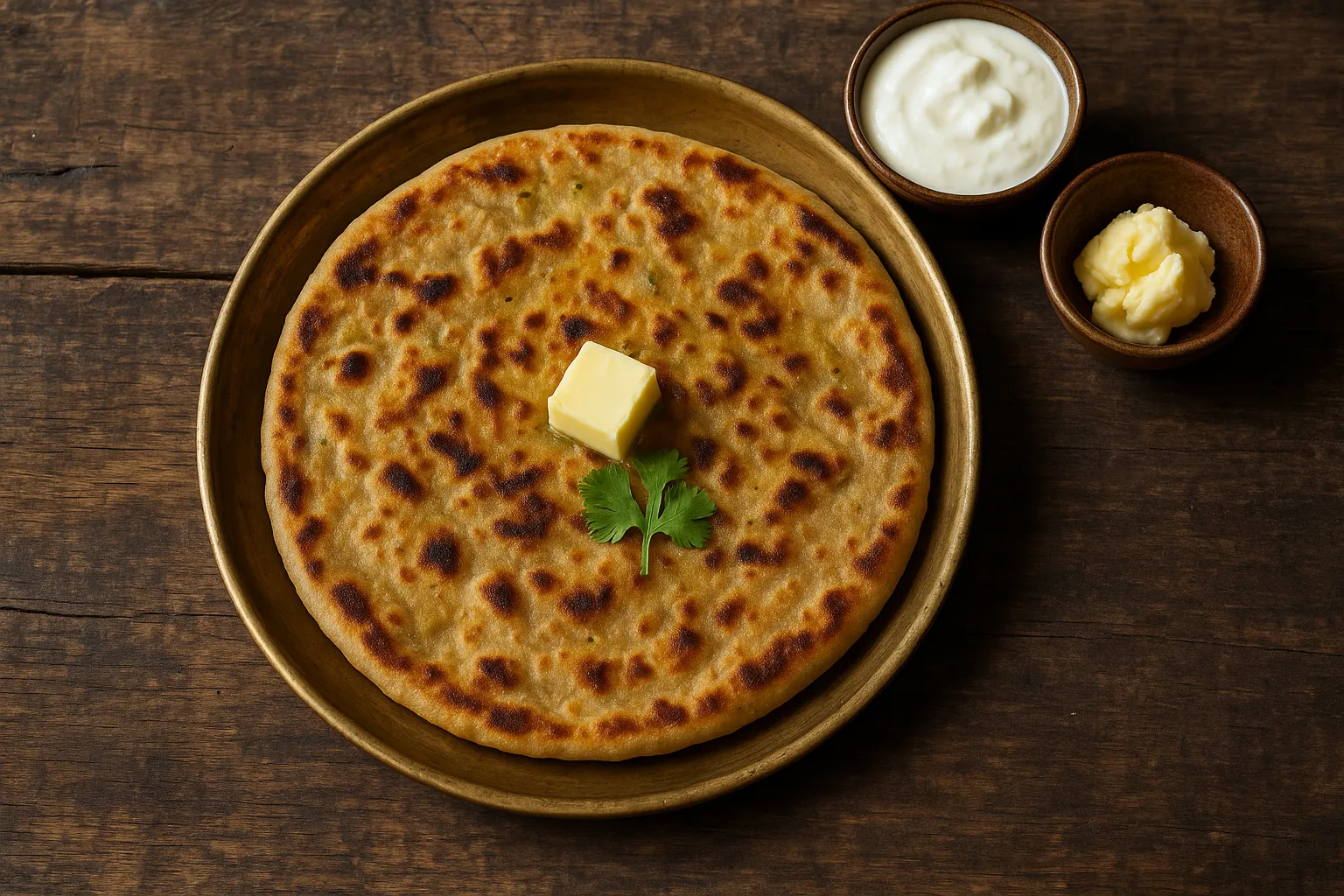
Quick Nutrition Facts
Per 1 Medium Paratha (131g)
| Nutrient | Amount |
|---|---|
| Calories | 300 kcal |
| Protein | 6.1g |
| Carbohydrates | 46g |
| Fiber | 8.7g |
| Sugars | 2g |
| Fat | 11g |
| Sodium | 520mg |
| Potassium | 340mg |
| Iron | 2.4mg |
| Calcium | 35mg |
Macronutrient Breakdown
 ChatGPT
  Claude
  AI Mode
  Perplexity
NUTRITIONIST INSIGHT
Aloo paratha provides 29% of daily fiber needs in one serving. Choosing whole wheat flour over maida reduces the glycemic impact and adds essential B vitamins for sustained energy throughout the morning.
Myth Busters
MYTH #1: Aloo Paratha Always Causes Weight Gain
TRUTH: Weight depends on portion size and preparation. One medium paratha (300 calories) fits balanced diets. High fiber content (8.7g) promotes satiety and appetite control. Use minimal oil/ghee and pair with vegetables.
MYTH #2: Diabetics Must Never Eat Aloo Paratha
TRUTH: Diabetics can eat aloo paratha with modifications. Use whole wheat flour, add vegetables like cauliflower or spinach to reduce potato proportion, eat half portion with protein, and monitor blood sugar response carefully.
MYTH #3: Aloo Paratha Has No Nutritional Value
TRUTH: One paratha provides 29% daily fiber, iron for blood health, potassium from potatoes, B vitamins from wheat, and sustained energy from complex carbohydrates. It's nutritionally complete when paired with yogurt or vegetables.
MYTH #4: Only Maida Makes Soft Parathas
TRUTH: Whole wheat makes equally soft parathas with proper kneading and resting. Whole wheat adds more fiber (3-4g extra), nutrients, and has lower glycemic impact than refined maida versions.
MYTH #5: Aloo Paratha Is Only for Breakfast
TRUTH: While traditionally breakfast food, aloo paratha works for lunch when paired with vegetables. Avoid for dinner due to high carb content that may affect sleep and increase fat storage when metabolism slows.
MYTH #6: All Aloo Parathas Are High in Calories
TRUTH: Calories vary by size (small: 200, medium: 300, large: 400) and oil used. Tawa cooking with minimal oil (1 tsp) has fewer calories than deep-fried versions. Control portions and cooking method.
NutriScore by Health Goals
| Health Goal | NutriScore | Why This Score? |
|---|---|---|
| Weight Loss |  | 300 calories per paratha, high fiber promotes fullness. Limit to 1 for breakfast, use minimal oil. |
| Muscle Gain |  | Good carbs (46g) for energy and glycogen storage, 6g protein. Add paneer filling or pair with eggs for complete nutrition. |
| Diabetes Management |  | High GI from potato and flour. Choose whole wheat, reduce potato, add vegetables, eat half portion with protein. |
| PCOS Management | | High carbs affect insulin sensitivity. Limit to occasional breakfast, use whole wheat, add vegetables, pair with protein. |
| Pregnancy Nutrition | | Iron (2.4mg) prevents anemia, fiber prevents constipation, carbs provide energy. 1-2 per day. |
| Viral/Flu Recovery | | Easy to digest, provides sustained energy, comfort food improves appetite. Avoid heavy oil, pair with yogurt for probiotics. |
PERSONALIZED NUTRITION
Track your meals with NutriScan for personalized NutriScores based on your specific health goals!
Blood Sugar Response to Aloo Paratha
Understanding how aloo paratha affects blood glucose helps you make informed decisions about portion size and meal combinations.
Typical Glucose Response Curve
This chart shows typical blood glucose response for general healthy individuals. Individual responses may vary. Not medical advice.
How to Flatten the Spike
Pairing aloo paratha with protein or fiber slows glucose absorption and reduces peak blood sugar:
- 🥄 Dahi (yogurt) - Provides protein and probiotics for gut health
- 🥚 Boiled or scrambled eggs - Complete protein source
- 🥗 Mixed vegetable salad - Adds fiber and micronutrients
- 🥣 Dal (lentils) - Plant protein and additional fiber
This combination extends energy release, improves satiety, and prevents mid-morning crashes.
Cultural Significance
Aloo paratha is deeply rooted in North Indian cuisine, particularly Punjab, where it originated as a farmer's breakfast providing sustained energy for agricultural work.
In India:
- Breakfast staple in North India, especially Punjab, Haryana, Delhi
- Served with butter, pickle, curd (dahi), or fresh yogurt
- Integral part of celebrations and family gatherings
- Variations include paneer, mooli (radish), gobi (cauliflower) parathas
- Roadside dhabas serve as cultural landmarks for travelers
Global Spread:
- Popular in Pakistani, Bangladeshi, and diaspora communities worldwide
- Adapted with local ingredients (sweet potato, quinoa flour versions)
- Featured in international fusion cuisines and food blogs
- Symbol of Indian comfort food and home cooking
Compare & Substitute
Aloo Paratha vs Similar Foods (Per 100g)
| Nutrient | 🥔 Aloo Paratha | 🌾 Whole Wheat Roti | 🫓 Plain Paratha | 🍞 White Bread |
|---|---|---|---|---|
| Calories | 230 kcal | 106 kcal | 320 kcal | 265 kcal |
| Carbs | 37g | 21g | 40g | 49g |
| Fiber | 6.6g | 3.5g | 2.8g | 2.4g |
| Protein | 4.7g | 3.6g | 7g | 9g |
| Fat | 8.4g | 1.2g | 15g | 3.3g |
| Sodium | 397mg | 160mg | 520mg | 491mg |
| Iron | 1.8mg | 1.4mg | 2.5mg | 1.5mg |
| Best For | Hearty breakfast, filling | Weight loss, everyday meals | High energy needs, athletes | Quick toast, sandwiches |
Frequently Asked Questions
Is aloo paratha good for weight loss?
Aloo paratha can fit into a weight loss diet with portion control and smart preparation. One medium paratha (300 calories) with 8.7g fiber provides good satiety.
Best practices: Limit to 1 per day for breakfast; use minimal oil (1 tsp instead of 2-3 tbsp); pair with yogurt or vegetables; avoid butter/ghee toppings; choose whole wheat over maida.
For better weight loss results, substitute half the potato with cauliflower or spinach to reduce calories while maintaining volume and fiber.
Can diabetics eat aloo paratha?
Diabetics should limit aloo paratha due to high glycemic impact from potato and refined flour. However, modifications allow occasional consumption.
Diabetic-friendly tips: Use 100% whole wheat or mixed grain flour; reduce potato filling by 50%, add vegetables (cauliflower, spinach, methi); eat half paratha with protein (eggs, paneer); pair with fiber-rich salad; monitor blood sugar 2 hours after eating.
Always consult your healthcare provider and dietitian for personalized advice.
How much protein is in aloo paratha?
One medium aloo paratha contains 6.1g protein from wheat flour. This is moderate protein for a meal.
To boost protein: Add grated paneer (cottage cheese) to potato filling (+8g protein); serve with Greek yogurt or dahi (+10g protein); pair with scrambled eggs (+12g protein); add moong dal to dough (+5g protein).
For muscle gain or high-protein diets, these combinations provide 20-25g protein per meal.
What are the main health benefits of aloo paratha?
Key Benefits:
- Sustained Energy: Complex carbs (46g) provide 3-4 hours of steady energy
- Digestive Health: 8.7g fiber supports gut health and regular bowel movements
- Iron Source: 2.4mg iron prevents anemia, especially important for women
- Potassium: 340mg supports muscle function and blood pressure regulation
- B Vitamins: Whole wheat provides thiamine, niacin for metabolism
- Cultural Comfort: Emotional wellbeing from traditional comfort food
When is the best time to eat aloo paratha?
Timing depends on your goal:
- General Health: Breakfast or lunch (before 2 PM) when metabolism is higher
- Weight Loss: Breakfast only (8-10 AM), avoid after 12 PM
- Muscle Gain: Breakfast or post-workout lunch within 2 hours of exercise
- Diabetes: Mid-morning (10-11 AM) with protein, not on empty stomach
- Avoid: Dinner or late night (high carbs affect sleep and fat storage)
Pre-workout consumption (2-3 hours before) provides sustained energy for endurance activities.
Is whole wheat aloo paratha healthier than plain flour (maida)?
Yes, whole wheat aloo paratha is significantly healthier:
Whole Wheat Advantages:
- More fiber: 6.6g vs 3g (per 100g) - better satiety and gut health
- Lower GI: 55-60 vs 75-80 - better blood sugar control
- More nutrients: B vitamins, magnesium, zinc retained in whole grain
- Slower digestion: Sustained energy, reduced cravings
Recommendation: Always choose whole wheat (atta) over maida. For even better nutrition, use mixed grain flour (wheat + oats + ragi) for additional fiber and protein.
How many aloo parathas should I eat per day?
General Guidelines:
- 1 medium paratha - Most people for breakfast (300 calories, adequate energy)
- 1/2 paratha - Diabetes, PCOS, strict weight loss (150 calories)
- 1-2 parathas - Athletes, muscle gain, physically demanding jobs (600 calories)
- Occasional (1-2 per week) - Strict low-carb, keto diets
Avoid excess: More than 2 per day provides excessive carbs (90g+), sodium (1000mg+), and calories (600+) leading to weight gain and blood sugar issues.
Track with NutriScan app to see how aloo paratha fits your personal nutrition goals.
Can I eat aloo paratha if I have high blood pressure?
Yes, with precautions due to sodium content (520mg per paratha, 23% daily limit).
BP-friendly tips: Reduce salt in dough and filling by 50%; use low-sodium spices (cumin, coriander, garam masala for flavor); avoid pickles and salted lassi; pair with fresh vegetables; limit to 1 paratha; monitor sodium from other meals.
Potassium (340mg) in aloo paratha helps balance sodium effects. Consider adding spinach or methi to filling for extra potassium.


Similar Nutritious Foods
4505 Chicharrones Classic Chili Salt
7 Eleven Japan Crispy Corn Cheese
Explore More Nutrition Tools & Resources
AI Calorie Counter App - Snap a Photo, Get Macros
AI Nutritionist App That Reads Your Logged Meals
Best Protein Supplements for Women
Bulking Meal Plan App That Sets Your Surplus
ChatGPT Calorie Counter Alternative That Keeps the Total
ChatGPT Diet Plan Alternative That Tracks What You Eat
ChatGPT Weight Loss Coach Alternative With a Food Log
Fast Food Calorie Counter App That Reads the Tray
Free Calorie Tracker App with AI Photo Scans | NutriScan
Indian Diet Plan App With Veg and Non Veg Meals
Indian Food Calorie Calculator - Get Instant Nutrition Facts for Desi Meals — 2026
Intermittent Fasting for Women, Timer and Meal Log App
Intermittent Fasting Tracker App - Free Fasting Timer
Macro Tracker App That Fills the Numbers From a Photo
Mediterranean Diet Meal Plan App That Counts the Oil
Micronutrient Tracker App for Vitamins and Minerals
MyFitnessPal Alternative That Stays Free | NutriScan
NutriScore App: A Free Grade on Every Meal | NutriScan
Nutrition Label Scanner App for the Amount You Ate
Second Trimester Protein Guide
Vegetarian Meal Plan App With a Protein Target
Voice Calorie Counter - Speak to Track Meals Hands-Free
Water and Calorie Tracker App - Free Water Log