Balaji Punjabi Tadka: Calories, Nutrition and Health Facts
A popular spiced Indian namkeen snack mix combining crunchy peanuts, sev, and aromatic Punjabi masala flavors.
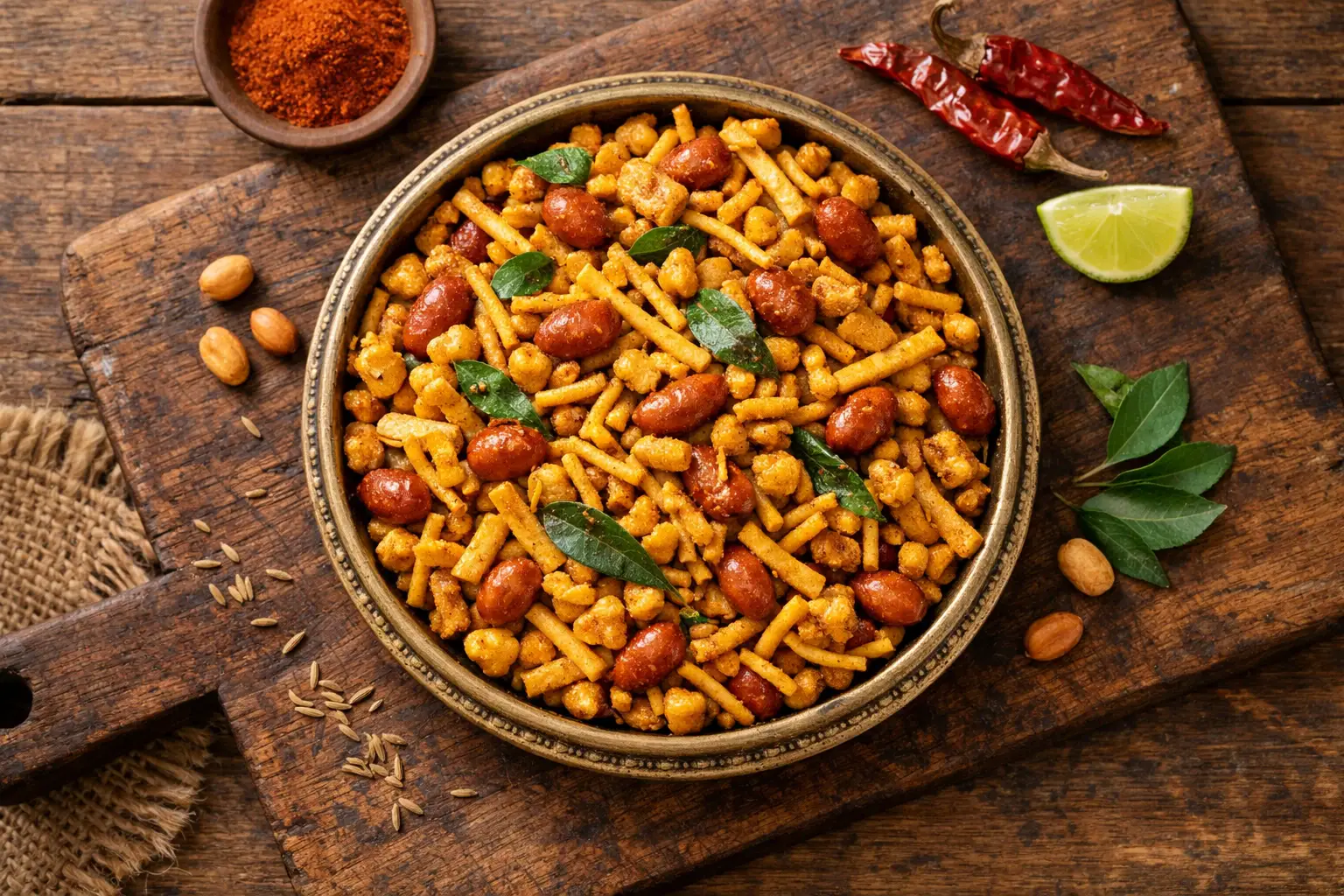
Quick Nutrition Facts
Per 100g Serving
| Nutrient | Amount |
|---|---|
| Calories | 598 kcal |
| Protein | 8.9g |
| Carbohydrates | 46g |
| Fiber | 3g |
| Sugars | 1.2g |
| Fat | 42g |
| Trans Fat | 0.2g |
| Saturated Fat | ~10g |
| Sodium | ~400mg |
Macronutrient Breakdown
 ChatGPT
  Claude
  AI Mode
  Perplexity
NUTRITIONIST INSIGHT
Balaji Punjabi Tadka delivers 598 calories per 100g with 63% from fat. The peanuts provide 8.9g protein, but high sodium (~400mg) and deep-frying make portion control essential. Limit to 25-30g servings.
Myth Busters
MYTH #1: Namkeen Snacks Are a Good Protein Source
TRUTH: While Punjabi Tadka has 8.9g protein per 100g from peanuts, the 42g fat delivers most calories (63%). Better protein sources exist without the high fat load.
MYTH #2: Traditional Snacks Are Healthier Than Western Snacks
TRUTH: Ultra-processed foods including packaged namkeen often contain high salt, unhealthy fats, and additives. Both require moderation regardless of cultural origin.
MYTH #3: A Small Handful Won't Affect Your Diet
TRUTH: Even 30g of Punjabi Tadka provides ~180 calories and 12.6g fat. Mindless snacking easily leads to 100g+ consumption (598 calories). Portion into small bowls to control intake.
MYTH #4: Deep-Fried Snacks Provide Sustained Energy
TRUTH: High-fat, high-glycemic foods can impair glucose homeostasis. The quick energy spike from carbs is followed by a crash, not sustained energy.
MYTH #5: Peanuts in the Mix Make It Heart-Healthy
TRUTH: While peanuts alone offer heart benefits, deep-frying in refined oil and high sodium content can negatively impact blood pressure and cardiovascular health.
NutriScore by Health Goals
| Health Goal | NutriScore | Why This Score? |
|---|---|---|
| Weight Loss |  | 598 cal/100g is calorie-dense. High fat content promotes weight gain. Avoid or limit to 15g portions. |
| Muscle Gain |  | Moderate protein (8.9g) but excessive fat. Better post-workout options exist. Use sparingly as flavor addition. |
| Diabetes Management | | High-fat, high-glycemic foods impair glucose homeostasis. High carbs (46g) cause blood sugar spikes. Avoid or limit strictly. |
| PCOS Management | | High refined carbs and inflammatory fats can worsen insulin resistance. Better to avoid. |
| Pregnancy Nutrition | | Processed foods high in sodium should be limited during pregnancy. Choose whole food snacks instead. |
| Viral/Flu Recovery | | Provides quick calories when appetite is low, but sodium may cause dehydration. Choose smaller portions. |
PERSONALIZED NUTRITION
Track your meals with NutriScan for personalized NutriScores based on your specific health goals!
Blood Sugar Response to Balaji Punjabi Tadka
Understanding how this high-fat, high-carb snack affects blood glucose helps make informed snacking decisions.
Typical Glucose Response Curve
This chart shows typical blood glucose response for general healthy individuals. Individual responses may vary. Not medical advice.
How to Minimize the Spike
Adding fiber and protein to meals can help moderate glucose absorption:
- 🥗 Pair with fresh vegetables - Cucumber, carrot sticks add fiber
- 🍵 Drink green tea - May help moderate blood sugar response
- ⏱️ Don't eat on empty stomach - Have after a balanced meal
- 📏 Strict portion control - Measure 25g into a small bowl
The high fat content actually slows glucose absorption, but the overall metabolic impact remains unfavorable for regular consumption.
Cultural Significance
Punjabi Tadka represents the vibrant snacking culture of North India, where namkeen (savory snacks) are an integral part of daily life.
In India:
- Gujarat's Balaji brand pioneered mass-market namkeen since 1974
- "Tadka" refers to the tempering technique with cumin, curry leaves, and spices
- Essential accompaniment with chai (tea) across households
- Popular during festivals like Diwali, Holi, and family gatherings
Regional Variations:
- Different states have unique namkeen traditions (Rajasthan's Bikaneri, Maharashtra's chivda)
- Homemade versions often use less oil and fresher ingredients
- Modern brands add preservatives for shelf stability
Compare & Substitute
Punjabi Tadka vs Similar Snacks (Per 100g)
| Nutrient | Balaji Punjabi Tadka | Haldirams Navratan | Roasted Peanuts | Air-Popped Popcorn |
|---|---|---|---|---|
| Calories | 598 kcal | 523 kcal | 567 kcal | 387 kcal |
| Carbs | 46g | 52g | 16g | 78g |
| Fiber | 3g | 4g | 8.5g | 15g |
| Protein | 8.9g | 12g | 26g | 13g |
| Fat | 42g | 27g | 49g | 4g |
| Sodium | ~400mg | ~450mg | 5mg | 8mg |
| Best For | Occasional treat | Occasional treat | Protein snack | Low-cal snacking |
Frequently Asked Questions
How many calories are in Balaji Punjabi Tadka?
598 calories per 100g, with 63% from fat, 31% from carbs, and 6% from protein. A 30g serving provides approximately 180 calories.
Portion guidance: Limit to 25-30g per sitting to keep calories under 200.
Is Balaji Punjabi Tadka healthy?
No, it's a high-calorie, high-fat processed snack best consumed occasionally. The deep-frying and high sodium content make it unsuitable for regular consumption.
Healthier alternatives: Roasted makhana (fox nuts), roasted chana, or homemade trail mix with raw nuts.
Can diabetics eat Balaji Punjabi Tadka?
Diabetics should strictly limit or avoid this snack. The 46g carbs per 100g combined with high fat can spike blood sugar and impair insulin sensitivity.
If consuming: Maximum 15-20g portion, paired with fiber-rich vegetables, and monitor blood sugar 2 hours after eating.
What ingredients are in Punjabi Tadka?
Typical ingredients include peanuts, chickpea flour (besan) sev, flattened rice (poha), curry leaves, mustard seeds, cumin, turmeric, red chili powder, salt, and vegetable oil.
How much sodium is in Balaji Punjabi Tadka?
Approximately 400mg sodium per 100g (17% of daily recommended intake). High sodium contributes to water retention and can raise blood pressure.
What is the best time to eat Punjabi Tadka?
If consuming, have it as an afternoon snack with chai rather than late evening. Never on an empty stomach due to high fat content. Pair with vegetables or as part of a balanced meal.


Similar Nutritious Foods
4505 Chicharrones Classic Chili Salt
7 Eleven Japan Crispy Corn Cheese
Explore More Nutrition Tools & Resources
AI Calorie Counter App - Snap a Photo, Get Macros
AI Nutritionist App That Reads Your Logged Meals
Best Protein Supplements for Women
Bulking Meal Plan App That Sets Your Surplus
ChatGPT Calorie Counter Alternative That Keeps the Total
ChatGPT Diet Plan Alternative That Tracks What You Eat
ChatGPT Weight Loss Coach Alternative With a Food Log
Fast Food Calorie Counter App That Reads the Tray
Free Calorie Tracker App with AI Photo Scans | NutriScan
Indian Diet Plan App With Veg and Non Veg Meals
Indian Food Calorie Calculator - Get Instant Nutrition Facts for Desi Meals — 2026
Intermittent Fasting for Women, Timer and Meal Log App
Intermittent Fasting Tracker App - Free Fasting Timer
Macro Tracker App That Fills the Numbers From a Photo
Mediterranean Diet Meal Plan App That Counts the Oil
Micronutrient Tracker App for Vitamins and Minerals
MyFitnessPal Alternative That Stays Free | NutriScan
NutriScore App: A Free Grade on Every Meal | NutriScan
Nutrition Label Scanner App for the Amount You Ate
Second Trimester Protein Guide
Vegetarian Meal Plan App With a Protein Target
Voice Calorie Counter - Speak to Track Meals Hands-Free
Water and Calorie Tracker App - Free Water Log