BEAST LIFE Peanut Butter (High Protein): Calories, Nutrition & Facts
Protein-enriched peanut butter with 10g protein per serving - convenient muscle-building spread requiring portion control.
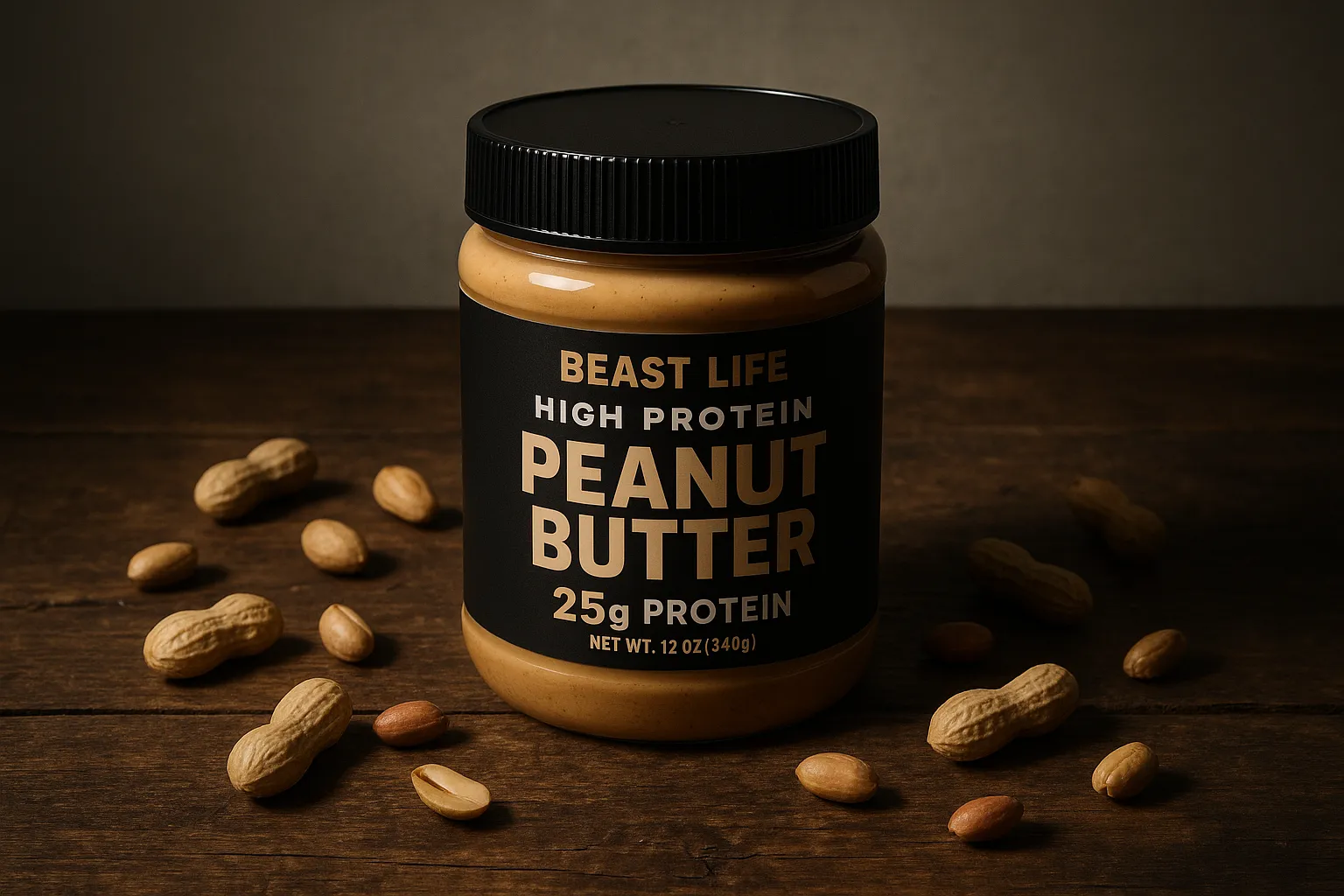
Quick Nutrition Facts
Per 2 Tablespoons (32g)
| Nutrient | Amount |
|---|---|
| Calories | 190 kcal |
| Protein | 10g |
| Carbohydrates | 7g |
| Fiber | 2g |
| Sugars | 2g |
| Fat | 14g |
| Saturated Fat | 2.5g |
| Sodium | 150mg |
| Potassium | 200mg |
Macronutrient Breakdown
 ChatGPT
  Claude
  AI Mode
  Perplexity
NUTRITIONIST INSIGHT
Protein peanut butter packs 40% more protein than regular versions (10g vs 7g per 2 tbsp). The enriched formula supports muscle recovery but remains calorie-dense at 190 calories per serving. Always measure portions - "eyeballing" typically triples actual intake.
Myth Busters
MYTH #1: Protein Peanut Butter Is Low-Calorie
TRUTH: At 180-200 calories per 2 tablespoons, it's as calorie-dense as regular peanut butter. The "high protein" refers to protein content (10g vs 7g), not reduced calories. Portion control remains critical for weight management.
MYTH #2: You Can Eat Unlimited Protein Peanut Butter for Muscle Gain
TRUTH: While 10g protein per serving supports muscle synthesis, the 14g fat and 190 calories add up quickly. Excess calories from any source lead to fat gain, not muscle. Stick to 2-4 tbsp daily maximum.
MYTH #3: High Protein Means High Quality Protein
TRUTH: Peanut butter is plant-based and lacks some essential amino acids (incomplete protein). While protein-enriched, it doesn't match whey or animal proteins for muscle building. Combine with other protein sources throughout the day.
MYTH #4: Fat Content Makes It Unhealthy
TRUTH: The 14g fat per serving is primarily monounsaturated (heart-healthy). Studies show peanut consumption improves cholesterol profiles when replacing saturated fats. The issue is overconsumption, not the fat itself.
MYTH #5: Sugar-Free Versions Are Always Better
TRUTH: "Sugar-free" often means added sugar alcohols or artificial sweeteners that can cause digestive discomfort. Natural peanut butter with 2-3g sugar from peanuts is fine. Check ingredient lists for hidden additives.
MYTH #6: Protein Peanut Butter Prevents Hunger All Day
TRUTH: While protein and fat promote satiety, 2 tbsp alone won't sustain you for hours. Pair with fiber-rich foods (whole grain bread, apple slices) for lasting fullness. Satiety duration depends on total meal composition.
NutriScore by Health Goals
| Health Goal | NutriScore | Why This Score? |
|---|---|---|
| Weight Loss |  | High satiety from 10g protein, but 190 calories per 2 tbsp requires strict portion control. Best limited to 1-2 tbsp daily. |
| Muscle Gain |  | 10g protein supports muscle synthesis, healthy fats aid hormone production. Convenient post-workout option or snack. Consume 2-4 tbsp daily. |
| Diabetes Management | | Protein and fat slow glucose absorption, stabilizing blood sugar. Choose unsweetened versions, limit to 2 tbsp per meal. |
| PCOS Management | | Protein and healthy fats improve insulin sensitivity. Monitor calories carefully; excess intake can worsen weight gain. Stick to 1-2 tbsp daily. |
| Pregnancy Nutrition | | Provides protein, folate, and healthy fats for fetal development. Avoid if allergic; peanut allergy risk in pregnancy is debated. Consult healthcare provider. |
| Viral/Flu Recovery | | Calorie-dense energy source, but heavy for upset stomachs. Better options exist (bone broth, bananas). Use only if appetite is strong. |
PERSONALIZED NUTRITION
Track your meals with NutriScan for personalized NutriScores based on your specific health goals!
Blood Sugar Response to Protein Peanut Butter
Understanding how protein peanut butter affects blood glucose helps optimize timing and pairing strategies.
Typical Glucose Response Curve
This chart shows typical blood glucose response for general healthy individuals. Individual responses may vary. Not medical advice.
How to Optimize Blood Sugar Control
Combining protein peanut butter with fiber-rich foods further stabilizes glucose and extends satiety:
- 🍎 Apple slices or celery - Adds fiber and volume without many calories
- 🍞 Whole grain toast - Provides complex carbs and additional fiber
- 🥣 Oatmeal - Combines soluble fiber with slow-digesting carbs
- 🍌 Banana (half) - Natural sweetness plus potassium and fiber
This combination reduces glucose spikes, improves nutrient absorption, and creates balanced macronutrient profiles for sustained energy.
Cultural Significance
Peanut butter originated in the late 19th century as a protein-rich food for those unable to chew meat. It became an American dietary staple during World Wars due to shelf stability.
In India:
- Relatively new introduction (1990s-2000s), gaining popularity among fitness enthusiasts
- Used in protein shakes, smoothies, and post-workout snacks
- Local brands like BEAST LIFE cater to Indian palates with high-protein formulations
- Growing acceptance as a convenient protein source replacing traditional paneer/dal
Global Impact:
- Consumed in 90+ countries, with USA leading at 700 million pounds annually
- Plant-based protein alternative supporting vegetarian/vegan diets
- Sustainable crop: peanuts fix nitrogen, improving soil health
- Emerging markets see protein peanut butter as affordable muscle-building food
Compare & Substitute
Protein Peanut Butter vs Similar Spreads (Per 2 tbsp / ~32g)
| Nutrient | 🥜 BEAST LIFE Protein PB | 🥜 Regular Peanut Butter | 🌰 Almond Butter | 🥥 Coconut Oil |
|---|---|---|---|---|
| Calories | 190 kcal | 200 kcal | 196 kcal | 240 kcal |
| Carbs | 7g | 7g | 6g | 0g |
| Fiber | 2g | 2g | 3g | 0g |
| Protein | 10g | 7g | 7g | 0g |
| Fat | 14g | 16g | 18g | 28g |
| Sodium | 150mg | 140mg | 0mg (unsalted) | 0mg |
| Best For | Muscle building | Budget-friendly protein | Micronutrient density | Keto, cooking fat |
Frequently Asked Questions
Is high protein peanut butter good for weight loss?
Yes, when portion-controlled. The 10g protein per 2 tbsp serving promotes satiety and preserves muscle during calorie deficits, but 190 calories add up quickly. Best practices: measure servings with a tablespoon (not a spoon from your drawer); limit to 2 tbsp daily; pair with low-calorie foods like apple slices or celery. Avoid eating directly from the jar.
How much protein is in BEAST LIFE peanut butter?
BEAST LIFE High Protein Peanut Butter contains 10 grams of protein per 2 tablespoon (32g) serving - approximately 40% more than regular peanut butter (6-7g). This makes it a convenient post-workout snack or protein boost for smoothies. For muscle gain, aim for 2-4 tablespoons daily as part of your total protein intake.
Can diabetics eat high protein peanut butter?
Yes, in moderation. The protein (10g) and healthy fats (14g) slow glucose absorption, preventing blood sugar spikes. Tips for diabetics: limit to 1-2 tbsp per serving; choose unsweetened varieties (check labels for added sugars); pair with low-GI foods like whole grain bread or vegetables; monitor blood sugar 2 hours after eating. Always consult your healthcare provider for personalized advice.
What is the fat to protein ratio in protein peanut butter?
BEAST LIFE protein peanut butter has approximately 14g fat to 10g protein (1.4:1 ratio), which is better than regular peanut butter (16g fat to 7g protein, 2.3:1 ratio). While improved, it's still calorie-dense at 190 calories per serving. The majority of fat is heart-healthy monounsaturated fat, supporting hormone production and nutrient absorption.
When is the best time to eat protein peanut butter?
Depends on your goal: For muscle gain: post-workout within 1 hour (pairs well with banana or protein shake); for weight loss: breakfast or mid-morning snack (controls hunger until lunch); for diabetes: paired with low-GI meals (whole grain toast, oatmeal). Avoid late-night consumption due to calorie density unless you need extra calories for muscle gain.
How does protein peanut butter compare to regular peanut butter?
Protein peanut butter has 40% more protein (10g vs 7g per 2 tbsp), slightly fewer calories (190 vs 200), and a better fat-to-protein ratio. Regular peanut butter is cheaper and has a more traditional flavor. Both are calorie-dense; portion control is essential for both types. Choose protein-enriched for muscle building; regular for cost-effectiveness and versatility.
Can I eat protein peanut butter every day?
Yes, 1-2 tablespoons daily fits most diets. Daily consumption provides consistent protein intake, healthy fats, and micronutrients like vitamin E and magnesium. Potential concerns: calorie overconsumption if portions aren't measured; monotony in diet (vary protein sources); possible peanut allergy development (consult allergist if family history exists). Rotate with almond butter, sunflower seed butter, or other nut butters for nutrient diversity.


Similar Nutritious Protein Sources
4505 Chicharrones Classic Chili Salt
7 Eleven Japan Crispy Corn Cheese
Explore More Nutrition Tools & Resources
AI Calorie Counter App - Snap a Photo, Get Macros
AI Nutritionist App That Reads Your Logged Meals
Best Protein Supplements for Women
Bulking Meal Plan App That Sets Your Surplus
ChatGPT Calorie Counter Alternative That Keeps the Total
ChatGPT Diet Plan Alternative That Tracks What You Eat
ChatGPT Weight Loss Coach Alternative With a Food Log
Fast Food Calorie Counter App That Reads the Tray
Free Calorie Tracker App with AI Photo Scans | NutriScan
Indian Diet Plan App With Veg and Non Veg Meals
Indian Food Calorie Calculator - Get Instant Nutrition Facts for Desi Meals — 2026
Intermittent Fasting for Women, Timer and Meal Log App
Intermittent Fasting Tracker App - Free Fasting Timer
Macro Tracker App That Fills the Numbers From a Photo
Mediterranean Diet Meal Plan App That Counts the Oil
Micronutrient Tracker App for Vitamins and Minerals
MyFitnessPal Alternative That Stays Free | NutriScan
NutriScore App: A Free Grade on Every Meal | NutriScan
Nutrition Label Scanner App for the Amount You Ate
Second Trimester Protein Guide
Vegetarian Meal Plan App With a Protein Target
Voice Calorie Counter - Speak to Track Meals Hands-Free
Water and Calorie Tracker App - Free Water Log