Bhindi Sabji: Calories, Nutrition and Health Benefits
A nutrient-dense Indian vegetable packed with fiber, vitamin C, and powerful antioxidants for optimal health and weight management.
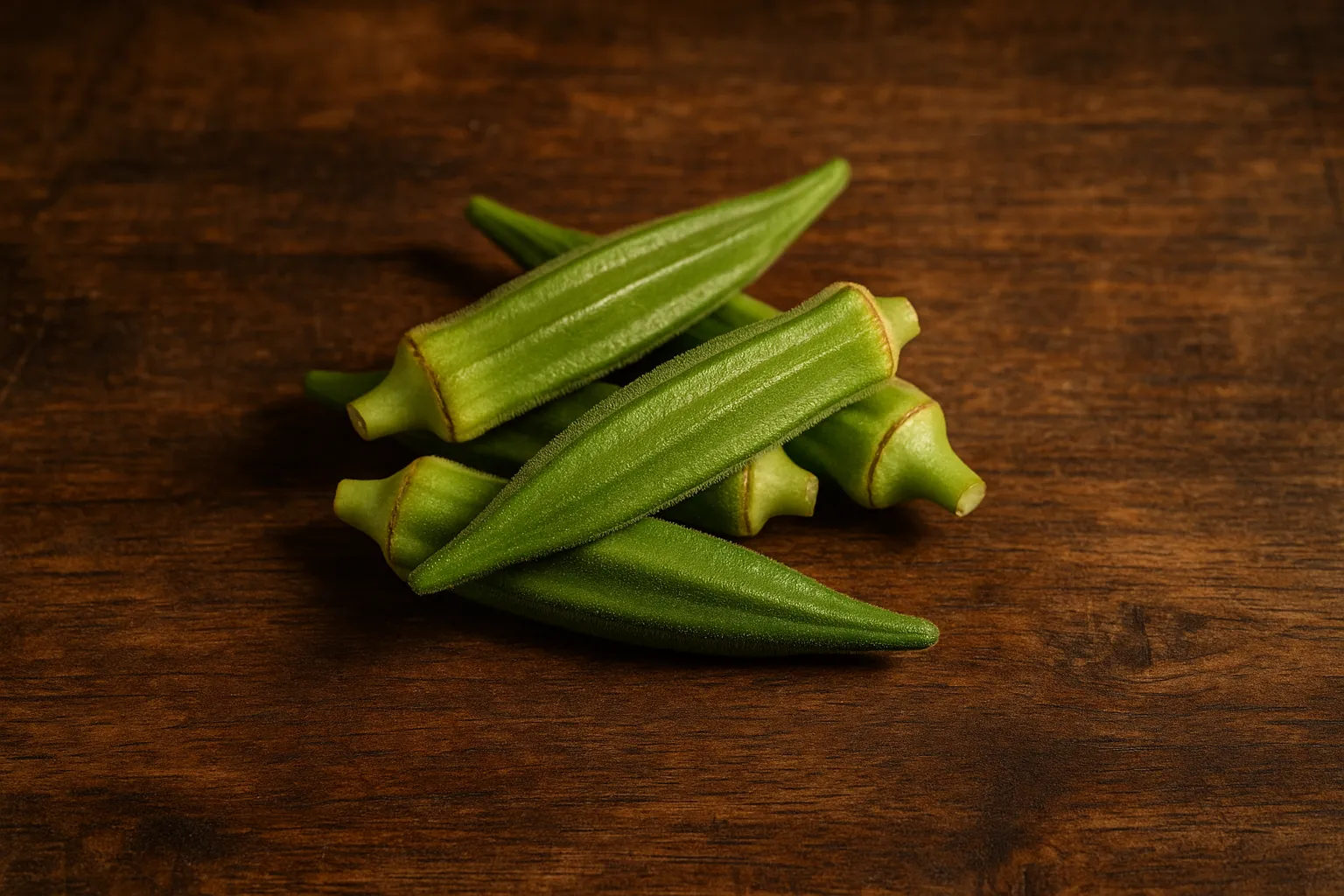
Quick Nutrition Facts
Per 100g Cooked Bhindi
| Nutrient | Amount |
|---|---|
| Calories | 33 kcal |
| Protein | 2g |
| Carbohydrates | 7.5g |
| Fiber | 2.4g |
| Sugars | 1.2g |
| Fat | 0.2g |
| Vitamin C | 13mg |
| Vitamin K | 31mcg |
| Manganese | 0.2mg |
| Folate | 37mcg |
Macronutrient Breakdown
 ChatGPT
  Claude
  AI Mode
  Perplexity
NUTRITIONIST INSIGHT
Bhindi contains unique mucilaginous fiber that slows digestion and nutrient absorption, promoting sustained energy and blood sugar stability. Its high vitamin K content supports bone density, making it especially valuable for aging populations and post-menopausal women.
Myth Busters
MYTH #1: Bhindi is Slimy and Unhealthy
TRUTH: The sliminess comes from soluble fiber and polysaccharides that are highly beneficial for digestion and blood sugar control. Dry roasting before cooking reduces this texture while preserving nutrients.
MYTH #2: Bhindi is Low in Nutrients
TRUTH: Bhindi is nutrient-dense despite low calories. It provides 13mg vitamin C (15% DV), 31mcg vitamin K, manganese, and powerful antioxidants that reduce inflammation.
MYTH #3: Bhindi Spikes Blood Sugar
TRUTH: Bhindi has an extremely low glycemic index (below 15) due to high fiber and minimal simple sugars. The soluble fiber slows carbohydrate absorption, making it ideal for diabetics and blood sugar management.
MYTH #4: Only Young Bhindi is Edible
TRUTH: While young pods are tender, mature bhindi is equally nutritious and can be cooked until soft. Choosing based on preference is fine; nutritional value remains consistent across ripeness stages.
MYTH #5: Cooking Destroys All Bhindi Nutrients
TRUTH: Light cooking (5-7 minutes) preserves most nutrients while improving bioavailability. Avoid boiling for extended periods; stir-frying or steaming maintains vitamin C and antioxidant content better.
NutriScore by Health Goals
| Health Goal | NutriScore | Why This Score? |
|---|---|---|
| Weight Loss |  | Only 33 calories, 2.4g fiber promotes fullness, minimal fat (0.2g), zero cholesterol. Perfect for calorie-deficit diets. |
| Muscle Gain |  | Provides 2g protein per 100g plus micronutrients. Pair with legumes or paneer for complete amino acid profile. |
| Diabetes Management | | Extremely low glycemic index (GI <15), high soluble fiber slows glucose absorption. Recommended vegetable for blood sugar control. |
| PCOS Management | | Anti-inflammatory compounds, low glycemic load, and inositol support insulin sensitivity in PCOS patients. Unlimited consumption recommended. |
| Pregnancy Nutrition | | Rich in folate (37mcg), vitamin K for bone development, and fiber for digestive health. Safe in all trimesters when properly cooked. |
| Viral/Flu Recovery | | High vitamin C boosts immunity, easy to digest when cooked, gentle on stomach, provides essential electrolytes for hydration. |
PERSONALIZED NUTRITION
Track your meals with NutriScan for personalized NutriScores based on your specific health goals!
Blood Sugar Response to Bhindi
Understanding bhindi's minimal impact on blood glucose helps you include it freely in diabetes and weight management plans.
Typical Glucose Response Curve
This chart shows typical blood glucose response for general healthy individuals. Individual responses may vary. Not medical advice.
Why Bhindi Keeps Blood Sugar Stable
Bhindi's mucilaginous fiber forms a gel-like barrier in the digestive tract, slowing glucose absorption and preventing sharp spikes. This makes it one of the safest vegetables for diabetics and prediabetics.
Best Pairing Practices:
- With grains: Bhindi + rice/roti slows carbohydrate digestion
- With protein: Bhindi + dal/paneer/chicken stabilizes glucose and extends satiety
- With fat: Bhindi + coconut oil or ghee enhances vitamin absorption
- Preparation: Dry roast before cooking to reduce sliminess and improve texture
Cultural Significance
Bhindi (okra) holds deep roots in Indian cuisine, though it originated in Africa and became integrated into South Asian cooking centuries ago.
In India:
- Essential in Maharashtrian, Gujarati, and South Indian cuisines
- Traditional preparation: dry roasted with minimal spices to reduce sliminess
- Often served with rotli, bajra, or rice as a nutritious side dish
- Considered a monsoon vegetable in parts of India
- Ayurveda values bhindi for its digestive and cooling properties (Pitta-balancing)
Global Impact:
- Popular in Middle Eastern, African, and Southeast Asian cuisines
- Increasingly recognized in Western nutrition as a superfood
- Growing cultivation in organic and sustainable farming communities
- Featured in Caribbean and southern United States cooking traditions
Compare & Substitute
Bhindi vs Similar Low-Calorie Vegetables (Per 100g)
| Nutrient | 🫓 Bhindi (Cooked) | 🥦 Broccoli (Cooked) | 🥬 Spinach (Cooked) | 🥒 Cucumber (Raw) |
|---|---|---|---|---|
| Calories | 33 kcal | 34 kcal | 23 kcal | 16 kcal |
| Carbs | 7.5g | 7g | 3.6g | 3.6g |
| Fiber | 2.4g | 2.4g | 2.2g | 0.5g |
| Protein | 2g | 2.8g | 2.9g | 0.7g |
| Fat | 0.2g | 0.4g | 0.4g | 0.2g |
| Vitamin C | 13mg | 89mg | 10mg | 3mg |
| Vitamin K | 31mcg | 102mcg | 483mcg | 16mcg |
| Best For | Fiber, stable glucose | Vitamin C, muscle protein | Vitamin K, minerals | Hydration, minimal calories |
Frequently Asked Questions
Is bhindi good for weight loss?
Yes. At 33 calories per 100g with 2.4g fiber, bhindi promotes fullness while being virtually calorie-free. The mucilaginous fiber slows gastric emptying, reducing hunger between meals and supporting calorie-deficit diets.
Can diabetics eat bhindi?
Absolutely. Bhindi has one of the lowest glycemic indexes among vegetables (below 15). The soluble fiber slows carbohydrate absorption, preventing blood sugar spikes. Studies confirm regular bhindi consumption improves fasting glucose in diabetic patients.
How much protein is in bhindi?
Cooked bhindi provides 2g protein per 100g. While not substantial, it complements plant-based and vegetarian diets when paired with legumes (dal, chickpeas), grains (rice, roti), or paneer. Combined with lentils, bhindi creates a nutritionally complete meal.
What are the health benefits of bhindi?
Bhindi delivers vitamin C for immune support, vitamin K for bone health, manganese for enzyme function, and unique antioxidants (catechins, epicatechins) that reduce inflammation. Its fiber aids digestion, supports heart health, and helps manage cholesterol levels.
When is the best time to eat bhindi?
For weight loss: lunch or dinner as a low-calorie, high-fiber side. For diabetes: with main meals to moderate glucose absorption. For muscle recovery: post-workout with protein sources. Best consumed fresh, lightly cooked to preserve nutrients.
How should bhindi be cooked for maximum nutrition?
Cook bhindi for 5-7 minutes to preserve vitamin C; avoid boiling or overcooking. Dry roast on a tawa before stir-frying to reduce sliminess. Minimal oil (1 teaspoon per serving) preserves the vegetable's benefits. Steam or pressure-cook as alternative methods that retain nutrients.
Can I eat bhindi every day?
Yes, bhindi is safe for daily consumption. Its low calorie and nutrient density make it an ideal daily vegetable. No reported adverse effects from regular consumption; it's a staple in many Indian households eaten 4-6 times weekly.
Does cooking bhindi destroy nutrients?
Light cooking actually improves bioavailability of certain nutrients (lycopene, beta-carotene). Vitamin C decreases slightly with cooking, but the overall antioxidant profile remains strong. Steaming and stir-frying (5-7 minutes) preserve 70-80% of heat-sensitive nutrients.


Similar Nutritious Vegetables
4505 Chicharrones Classic Chili Salt
7 Eleven Japan Crispy Corn Cheese
Explore More Nutrition Tools & Resources
AI Calorie Counter App - Snap a Photo, Get Macros
AI Nutritionist App That Reads Your Logged Meals
Best Protein Supplements for Women
Bulking Meal Plan App That Sets Your Surplus
ChatGPT Calorie Counter Alternative That Keeps the Total
ChatGPT Diet Plan Alternative That Tracks What You Eat
ChatGPT Weight Loss Coach Alternative With a Food Log
Fast Food Calorie Counter App That Reads the Tray
Free Calorie Tracker App with AI Photo Scans | NutriScan
Indian Diet Plan App With Veg and Non Veg Meals
Indian Food Calorie Calculator - Get Instant Nutrition Facts for Desi Meals — 2026
Intermittent Fasting for Women, Timer and Meal Log App
Intermittent Fasting Tracker App - Free Fasting Timer
Macro Tracker App That Fills the Numbers From a Photo
Mediterranean Diet Meal Plan App That Counts the Oil
Micronutrient Tracker App for Vitamins and Minerals
MyFitnessPal Alternative That Stays Free | NutriScan
NutriScore App: A Free Grade on Every Meal | NutriScan
Nutrition Label Scanner App for the Amount You Ate
Second Trimester Protein Guide
Vegetarian Meal Plan App With a Protein Target
Voice Calorie Counter - Speak to Track Meals Hands-Free
Water and Calorie Tracker App - Free Water Log