Black Currant Jam: Calories, Nutrition and Health Benefits
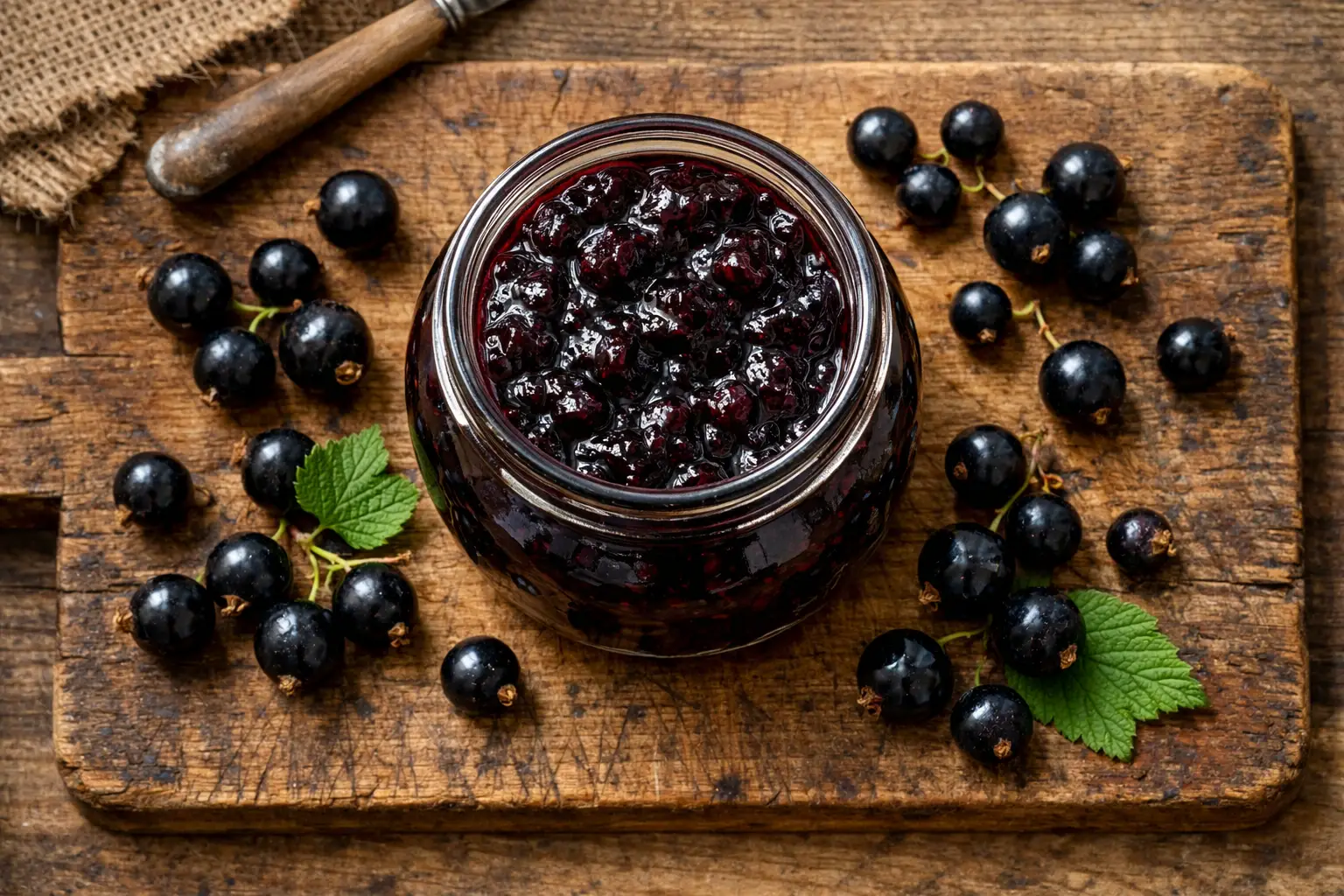
A rich, antioxidant-packed preserve made from black currants, delivering intense flavor and anthocyanins in every spoonful.
Quick Nutrition Facts
Per 1 Tablespoon (20g)
| Nutrient | Amount |
|---|---|
| Calories | 50 kcal |
| Protein | 0.1g |
| Carbohydrates | 13g |
| Fiber | 0.4g |
| Sugars | 12g |
| Fat | 0g |
| Vitamin C | 5.2mg |
| Potassium | 15mg |
| Iron | 0.2mg |
| Anthocyanins | 8-12mg |
Macronutrient Breakdown
 ChatGPT
  Claude
  AI Mode
  Perplexity
NUTRITIONIST INSIGHT
Black currant jam retains significant anthocyanin content from fresh berries, giving it more antioxidant power than most fruit preserves. Choose reduced-sugar versions to maximize the benefit-to-calorie ratio, and pair with whole grain toast for sustained energy.
Myth Busters
MYTH #1: Black Currant Jam Is Just Empty Sugar Calories
TRUTH: While high in sugar, black currant jam retains anthocyanins and polyphenols from fresh berries that provide antioxidant and anti-inflammatory benefits not found in plain sugar or most other jams.
MYTH #2: All Jams Have the Same Nutrition
TRUTH: Black currant jam contains significantly more vitamin C and anthocyanins than strawberry, grape, or apricot jam. Fresh black currants have 4x more vitamin C than oranges, and the jam retains a meaningful portion of these nutrients.
MYTH #3: Diabetics Must Completely Avoid Black Currant Jam
TRUTH: Sugar-free or reduced-sugar black currant jam can fit a diabetic diet. Research shows black currant anthocyanins may help improve glucose tolerance and support insulin sensitivity when consumed in controlled amounts.
MYTH #4: Cooking Destroys All the Antioxidants in Black Currant Jam
TRUTH: While cooking does reduce vitamin C content, anthocyanins in black currants show notable heat stability. Studies confirm processed black currant products retain significant antioxidant activity compared to fresh berries.
MYTH #5: Black Currant Jam Causes Weight Gain
TRUTH: A tablespoon of black currant jam has only 50 calories. Weight gain comes from overall calorie surplus, not a measured serving of jam. Used in moderation on whole grain bread, it adds flavor with minimal calorie impact.
NutriScore by Health Goals
| Health Goal | NutriScore | Why This Score? |
|---|---|---|
| Weight Loss | 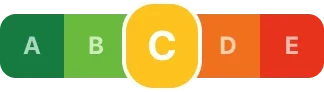 | 50 cal per tbsp is manageable, but sugar content requires portion control. Limit to 1 tbsp daily. |
| Muscle Gain | | Quick carbs for post-workout toast, but low protein. Pair with peanut butter for a better macro balance. |
| Diabetes Management |  | High sugar (12g per tbsp). Choose sugar-free versions. Black currant anthocyanins may support glucose control, but sugar content offsets benefits. |
| PCOS Management | | High sugar affects insulin sensitivity. Use sugar-free versions only, max 1 tsp daily. |
| Pregnancy Nutrition |  | Provides vitamin C for iron absorption, safe in moderation. Choose low-sugar options, limit to 1-2 tbsp daily. |
| Viral/Flu Recovery | | Vitamin C and anthocyanins support immunity. Easy to consume when appetite is low. Gentle on stomach. |
PERSONALIZED NUTRITION
Track your meals with NutriScan for personalized NutriScores based on your specific health goals!
Blood Sugar Response to Black Currant Jam
Understanding how black currant jam affects your blood glucose can help you make smarter choices about portions and pairings.
Typical Glucose Response Curve
This chart shows typical blood glucose response for general healthy individuals. Individual responses may vary. Not medical advice.
How to Flatten the Spike
Pairing high-sugar foods with protein or fat slows glucose absorption and reduces the peak blood sugar level:
- 🧀 Cheese on toast - Protein and fat slow sugar absorption significantly
- 🥜 Peanut butter and jam sandwich - Healthy fats and protein create a balanced meal
- 🥛 Greek yogurt with jam swirl - Probiotics plus protein for a satisfying snack
- 🌰 Whole grain bread base - Fiber in whole grains reduces glycemic response
Cultural Significance
Black currant jam holds deep cultural roots across Europe and is gaining global appreciation as McCormick's 2026 Flavor of the Year spotlight brings renewed attention to this berry.
In Europe:
- Britain's most popular jam flavor, deeply tied to afternoon tea culture
- French "cassis" preserves are a culinary staple since the 16th century
- Scandinavian countries use black currant jam as a traditional accompaniment to meats and pancakes
- Russian and Eastern European cuisines feature it in pastries and as a medicinal remedy
Global Impact:
- Black currants were banned in the US from 1911-2003 due to white pine blister rust concerns
- New Zealand is a leading producer, with the berry central to Maori food traditions
- Rich in GLA (gamma-linolenic acid), black currant seed oil is used in natural medicine worldwide
Compare & Substitute
Black Currant Jam vs Other Spreads (Per 100g)
| Nutrient | Black Currant Jam | Strawberry Jam | Honey | Marmalade |
|---|---|---|---|---|
| Calories | 250 kcal | 250 kcal | 304 kcal | 246 kcal |
| Carbs | 65g | 63g | 82g | 67g |
| Fiber | 1.2g | 0.9g | 0.2g | 0.3g |
| Protein | 0.4g | 0.4g | 0.3g | 0.1g |
| Fat | 0.1g | 0.1g | 0g | 0g |
| Vitamin C | 26mg | 12mg | 0.5mg | 8mg |
| Sugar | 49g | 49g | 82g | 60g |
| Best For | Antioxidants, immunity | Classic flavor, baking | Natural sweetener | Citrus flavor, low cal |
Frequently Asked Questions
How many calories are in black currant jam?
Black currant jam contains approximately 250 calories per 100g. A single tablespoon (20g) has about 50 calories, with 13g of carbohydrates and 12g of sugar. It is virtually fat-free with negligible protein.
Per serving size comparison: 1 tsp (7g) = 17 calories, 1 tbsp (20g) = 50 calories, 2 tbsp (40g) = 100 calories.
Is black currant jam healthy?
Black currant jam provides more antioxidants and vitamin C than most other jams. The anthocyanins from black currants survive the cooking process and offer anti-inflammatory benefits.
To maximize health benefits: Choose reduced-sugar or no-added-sugar versions, limit to 1-2 tablespoons daily, and pair with whole grain bread or protein-rich foods.
Can diabetics eat black currant jam?
Standard black currant jam is high in sugar (49g per 100g) and should be limited. Sugar-free versions made with alternative sweeteners are a better option.
Tips for diabetics: Use sugar-free black currant jam, limit to 1 teaspoon per serving, always pair with protein or healthy fat, and monitor blood sugar 2 hours after eating.
Is black currant jam safe during pregnancy?
Black currant jam is safe during pregnancy in moderation. It provides vitamin C that aids iron absorption, which is particularly important during pregnancy.
Recommendations: Choose low-sugar options, limit to 1-2 tablespoons daily, pair with iron-rich foods like fortified cereals. Consult your healthcare provider for personalized guidance.
What makes black currant jam different from other jams?
Black currant jam stands out for its exceptionally high anthocyanin content and vitamin C levels. Fresh black currants contain 4x more vitamin C than oranges, and the jam retains significant antioxidant activity after cooking.
Key advantages: Higher antioxidant content, more vitamin C, distinct tart-sweet flavor profile, and potential anti-inflammatory benefits from polyphenols.
How much black currant jam should I eat per day?
1-2 tablespoons (20-40g) daily for most adults. This provides 50-100 calories and keeps added sugar intake manageable.
By health goal: Weight loss: 1 tsp sugar-free. Diabetes: 1 tsp sugar-free only. Athletes: up to 2 tbsp for quick energy. General wellness: 1 tbsp on whole grain toast.
Track your meals with NutriScan app to see how black currant jam fits your personal nutrition goals.


Similar Nutritious Foods
4505 Chicharrones Classic Chili Salt
7 Eleven Japan Crispy Corn Cheese
Explore More Nutrition Tools & Resources
AI Calorie Counter App - Snap a Photo, Get Macros
AI Nutritionist App That Reads Your Logged Meals
Best Protein Supplements for Women
Bulking Meal Plan App That Sets Your Surplus
ChatGPT Calorie Counter Alternative That Keeps the Total
ChatGPT Diet Plan Alternative That Tracks What You Eat
ChatGPT Weight Loss Coach Alternative With a Food Log
Fast Food Calorie Counter App That Reads the Tray
Free Calorie Tracker App with AI Photo Scans | NutriScan
Indian Diet Plan App With Veg and Non Veg Meals
Indian Food Calorie Calculator - Get Instant Nutrition Facts for Desi Meals — 2026
Intermittent Fasting for Women, Timer and Meal Log App
Intermittent Fasting Tracker App - Free Fasting Timer
Macro Tracker App That Fills the Numbers From a Photo
Mediterranean Diet Meal Plan App That Counts the Oil
Micronutrient Tracker App for Vitamins and Minerals
MyFitnessPal Alternative That Stays Free | NutriScan
NutriScore App: A Free Grade on Every Meal | NutriScan
Nutrition Label Scanner App for the Amount You Ate
Second Trimester Protein Guide
Vegetarian Meal Plan App With a Protein Target
Voice Calorie Counter - Speak to Track Meals Hands-Free
Water and Calorie Tracker App - Free Water Log