Bubbies Spicy Dill Pickles: Calories, Nutrition and Health Benefits
Naturally fermented spicy pickles packed with live probiotics, zero calories, and a bold kick of heat for every health goal.
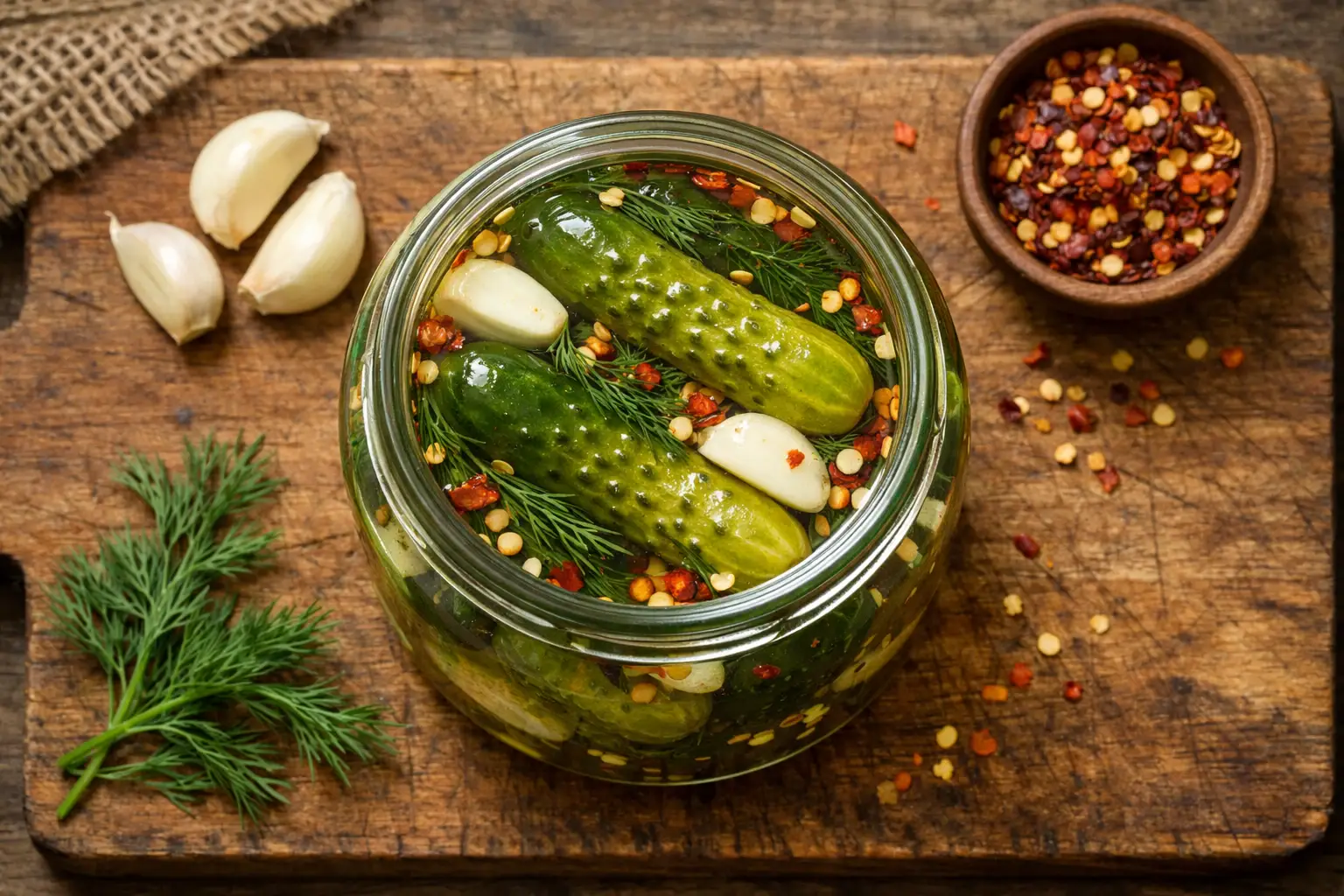
Quick Nutrition Facts
Per 1 Pickle (28g)
| Nutrient | Amount |
|---|---|
| Calories | 0 kcal |
| Protein | 0g |
| Carbohydrates | <1g |
| Fiber | 0g |
| Sugars | 0g |
| Fat | 0g |
| Sodium | 230mg |
| Vitamin K | 4.8mcg |
| Potassium | 26mg |
| Calcium | 4mg |
Macronutrient Breakdown
 ChatGPT
  Claude
  AI Mode
  Perplexity
NUTRITIONIST INSIGHT
Bubbies Spicy Dill Pickles are one of the rare zero-calorie snacks that actually deliver gut health benefits. As naturally fermented pickles (no vinegar), they contain live Lactobacillus cultures that support your microbiome. The capsaicin from the spicy peppers may boost metabolism, while the electrolytes in the brine help with hydration.
Myth Busters
MYTH #1: All Pickles Are the Same
TRUTH: Most store-bought pickles are made with vinegar and contain no probiotics. Bubbies uses traditional lacto-fermentation with salt brine, which creates live probiotic cultures that improve gut microbiota diversity. Only naturally fermented pickles offer these benefits.
MYTH #2: Pickles Are Unhealthy Because of High Sodium
TRUTH: While pickles are high in sodium (230mg per pickle), moderate consumption of 1-2 pickles daily is safe for most people. The fermentation process creates beneficial compounds like short-chain fatty acids that outweigh sodium concerns for those without hypertension.
MYTH #3: Spicy Pickles Damage Your Stomach
TRUTH: Capsaicin in spicy pickles actually has anti-inflammatory properties and may protect the stomach lining. The lactic acid from fermentation supports digestive health. Only those with active gastritis or ulcers should exercise caution.
MYTH #4: Pickles Have No Nutritional Value
TRUTH: While low in macronutrients, fermented pickles provide probiotics, vitamin K, electrolytes, and antioxidants from dill and spices. Regular consumption of fermented vegetables reduces diabetes risk by up to 63%.
MYTH #5: Pickle Brine Is Just Salty Water
TRUTH: Fermented pickle brine contains Lactobacillus bacteria, electrolytes (sodium, potassium), and organic acids. Athletes use pickle juice to prevent muscle cramps. The brine from Bubbies is a concentrated source of probiotics.
NutriScore by Health Goals
| Health Goal | NutriScore | Why This Score? |
|---|---|---|
| Weight Loss |  | 0 calories makes these an ideal snack. Satisfies cravings without adding calories. Probiotics may support healthy weight management. |
| Muscle Gain |  | No protein or carbs for muscle building, but electrolytes prevent cramps. Best as a side, not a primary food. |
| Diabetes Management | | Near-zero glycemic impact. Fermented vegetables reduce diabetes risk by up to 63%. Monitor sodium if you have related hypertension. |
| PCOS Management |  | Zero sugar, zero calories. Probiotics support hormonal balance. Watch sodium intake as PCOS can involve water retention. |
| Pregnancy Nutrition | | Can help with morning sickness cravings. However, high sodium may worsen preeclampsia risk. Limit to 1-2 pickles daily. |
| Viral/Flu Recovery | | Electrolytes in brine aid hydration. Probiotics support immune function. Capsaicin helps clear congestion. |
PERSONALIZED NUTRITION
Track your meals with NutriScan for personalized NutriScores based on your specific health goals!
Blood Sugar Response to Bubbies Spicy Dill Pickles
Fermented pickles have virtually no impact on blood sugar, making them one of the safest foods for blood glucose management.
Typical Glucose Response Curve
This chart shows typical blood glucose response for general healthy individuals. Individual responses may vary. Not medical advice.
How to Flatten the Spike
Pickles themselves cause almost no glucose spike. In fact, adding fermented pickles to a meal can lower the glycemic response of other foods:
- 🍞 Pair with bread or crackers - The acetic acid in brine slows starch digestion
- 🥗 Add to salads - Complements vegetables while adding probiotics
- 🥪 Include in sandwiches - Reduces the glycemic impact of bread
- 🧀 Serve with cheese and protein - Creates a balanced, low-GI snack
This makes Bubbies Spicy Dill Pickles a strategic addition to any meal for better blood sugar control.
Cultural Significance
Pickling is one of humanity's oldest food preservation methods, dating back over 4,000 years to ancient Mesopotamia.
In America:
- Bubbies represents the Jewish-American deli pickle tradition
- New York City's Lower East Side was the historic center of American pickle culture
- Fermented kosher dill pickles are a staple of Ashkenazi Jewish cuisine
- The name "pickle" comes from Dutch "pekel" meaning brine
Global Impact:
- India's "achaar" tradition includes thousands of pickle varieties using oil and spice preservation
- Korean kimchi, Japanese tsukemono, and German sauerkraut are all fermented vegetable cousins
- Fermentation was essential before refrigeration for preserving vegetables through winter
- 400+ varieties of pickled vegetables exist worldwide across cultures
Compare & Substitute
Bubbies Spicy Dill Pickles vs Similar Fermented Foods (Per 100g)
| Nutrient | 🥒 Bubbies Spicy Dill | 🥬 Sauerkraut | 🌶 Kimchi | 🫒 Olives (green) |
|---|---|---|---|---|
| Calories | 5 kcal | 19 kcal | 23 kcal | 145 kcal |
| Carbs | 1g | 4g | 4g | 4g |
| Fiber | 0.5g | 2.9g | 2.4g | 3.3g |
| Protein | 0.3g | 0.9g | 1.6g | 1g |
| Fat | 0.1g | 0.1g | 0.5g | 15g |
| Sodium | 809mg | 661mg | 498mg | 1556mg |
| Vitamin K | 17.3mcg | 13mcg | 43.6mcg | 1.4mcg |
| Best For | Zero-cal probiotic snack | Fiber + probiotics | Spicy probiotic kick | Healthy fats + flavor |
Frequently Asked Questions
How many calories are in Bubbies Spicy Dill Pickles?
0 calories per pickle (28g). Even eating 3-4 pickles adds virtually no calories to your diet. Per 100g, dill pickles contain approximately 5 calories, all from trace carbohydrates.
Are Bubbies pickles actually probiotic?
Yes. Bubbies uses traditional lacto-fermentation with salt brine, not vinegar. This allows Lactobacillus bacteria to develop naturally during the fermentation process. Look for "naturally fermented" on the label and keep them refrigerated to maintain live cultures.
How much sodium is in Bubbies Spicy Dill Pickles?
230mg per pickle (10% Daily Value). Per 100g, dill pickles contain approximately 809mg sodium. The American Heart Association recommends no more than 2,300mg sodium daily. Limit to 2-3 pickles per day if watching sodium intake.
Can diabetics eat Bubbies Spicy Dill Pickles?
Yes, these are excellent for diabetics. With 0 calories and less than 1g carbs per pickle, the glycemic impact is essentially zero. Research shows regular consumption of fermented vegetables may reduce diabetes risk by up to 63%.
Tips for diabetics: Enjoy freely as a snack, add to meals to lower overall glycemic response, choose fermented (not vinegar) varieties for maximum benefit. Always consult your healthcare provider about sodium intake.
Can pregnant women eat Bubbies Spicy Dill Pickles?
Pickles are generally safe during pregnancy and may help with morning sickness cravings. However, limit intake to 1-2 pickles daily because of sodium content. Women with preeclampsia, gestational hypertension, or excessive swelling should consult their OB-GYN before consuming high-sodium foods.
What is the difference between fermented and vinegar pickles?
Fermented pickles (like Bubbies) use salt brine and natural Lactobacillus bacteria, producing live probiotics, complex flavor, and organic acids. Vinegar pickles use acetic acid for preservation, kill beneficial bacteria, and offer no probiotic benefits. Check the label: if vinegar is listed, they are not truly fermented.
Track your meals with NutriScan app to see how Bubbies Spicy Dill Pickles fit your personal nutrition goals.


Similar Nutritious Foods
4505 Chicharrones Classic Chili Salt
7 Eleven Japan Crispy Corn Cheese
Explore More Nutrition Tools & Resources
AI Calorie Counter App - Snap a Photo, Get Macros
AI Nutritionist App That Reads Your Logged Meals
Best Protein Supplements for Women
Bulking Meal Plan App That Sets Your Surplus
ChatGPT Calorie Counter Alternative That Keeps the Total
ChatGPT Diet Plan Alternative That Tracks What You Eat
ChatGPT Weight Loss Coach Alternative With a Food Log
Fast Food Calorie Counter App That Reads the Tray
Free Calorie Tracker App with AI Photo Scans | NutriScan
Indian Diet Plan App With Veg and Non Veg Meals
Indian Food Calorie Calculator - Get Instant Nutrition Facts for Desi Meals — 2026
Intermittent Fasting for Women, Timer and Meal Log App
Intermittent Fasting Tracker App - Free Fasting Timer
Macro Tracker App That Fills the Numbers From a Photo
Mediterranean Diet Meal Plan App That Counts the Oil
Micronutrient Tracker App for Vitamins and Minerals
MyFitnessPal Alternative That Stays Free | NutriScan
NutriScore App: A Free Grade on Every Meal | NutriScan
Nutrition Label Scanner App for the Amount You Ate
Second Trimester Protein Guide
Vegetarian Meal Plan App With a Protein Target
Voice Calorie Counter - Speak to Track Meals Hands-Free
Water and Calorie Tracker App - Free Water Log