Cabbage Boil: Calories, Nutrition and Health Benefits
A hearty Southern-style dish combining tender cabbage with Cajun spices and butter, delivering satisfying flavor with impressive nutritional benefits.
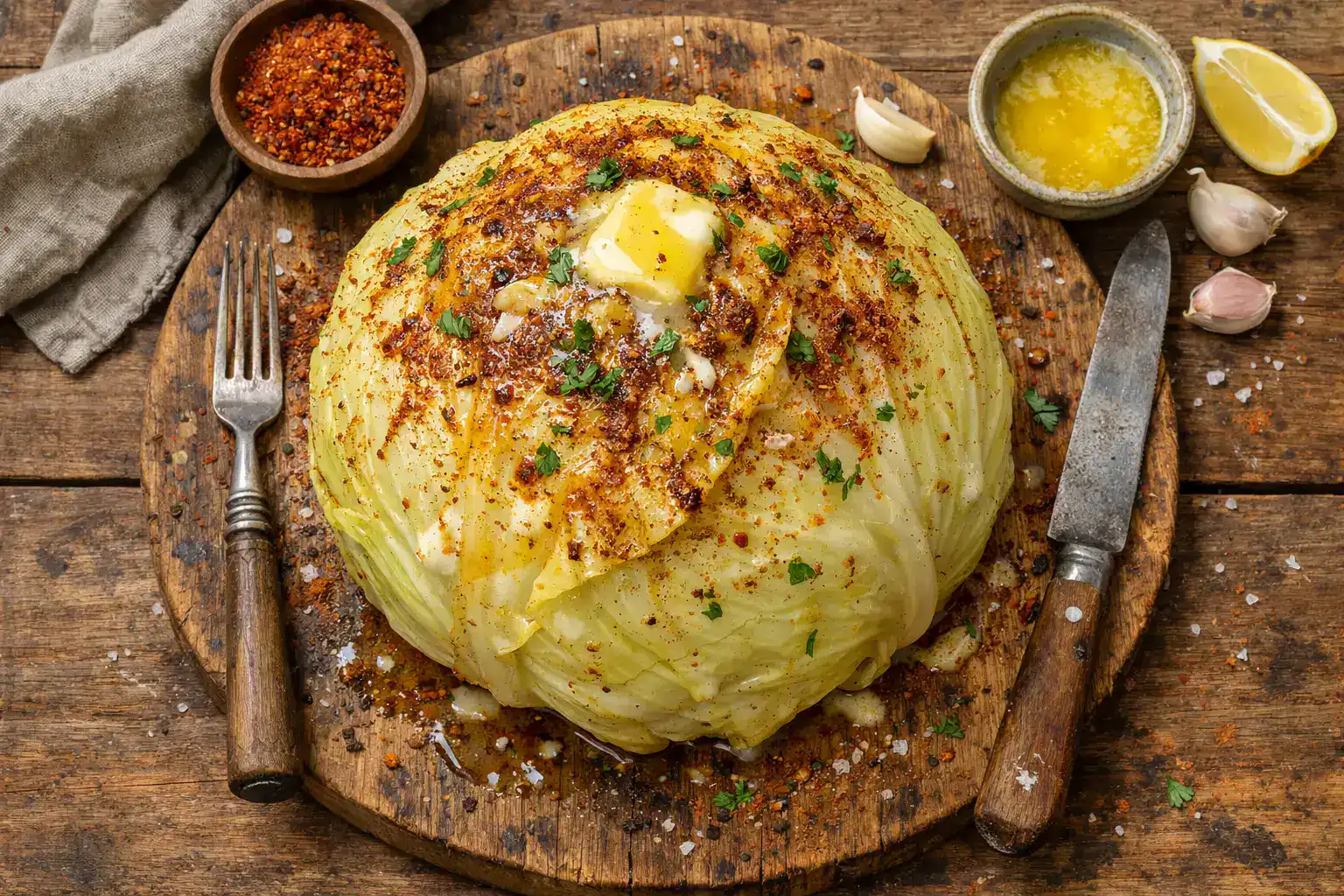
Quick Nutrition Facts
Per 1 Serving (~200g)
| Nutrient | Amount |
|---|---|
| Calories | 180 kcal |
| Protein | 5g |
| Carbohydrates | 16g |
| Fiber | 4g |
| Sugars | 8g |
| Fat | 12g |
| Vitamin C | 56mg |
| Vitamin K | 163mcg |
| Potassium | 294mg |
| Folate | 45mcg |
Macronutrient Breakdown
 ChatGPT
  Claude
  AI Mode
  Perplexity
NUTRITIONIST INSIGHT
Cabbage boil delivers 63% of your daily vitamin C and 136% of vitamin K in one serving. The cruciferous vegetable base provides sulforaphane and other compounds linked to reduced inflammation and cancer risk.
Myth Busters
MYTH #1: Cabbage Boil Is Too High in Fat
TRUTH: While butter adds fat, you control the amount. A moderate serving has 12g fat, mostly from butter. Using olive oil instead reduces saturated fat while keeping flavor. The cabbage itself has virtually zero fat.
MYTH #2: Cooking Destroys All Nutrients in Cabbage
TRUTH: While some vitamin C is lost during cooking, boiled cabbage retains significant nutrients including fiber, vitamin K, and antioxidants. The cooking liquid also contains water-soluble nutrients that can be consumed.
MYTH #3: Cabbage Causes Bloating for Everyone
TRUTH: Cabbage contains raffinose, which can cause gas in some people. However, cooking cabbage breaks down these compounds, making it easier to digest than raw cabbage. Start with small portions if sensitive.
MYTH #4: Cajun Spices Make It Unhealthy
TRUTH: Traditional Cajun seasoning contains paprika, garlic, and cayenne with minimal added sodium when homemade. These spices provide antioxidants and capsaicin, which may boost metabolism and reduce inflammation.
MYTH #5: Cabbage Boil Has No Protein
TRUTH: A serving provides 5g protein from the cabbage itself. While not a complete protein source, cabbage contains all essential amino acids. Pair with chicken, sausage, or beans for a complete protein meal.
NutriScore by Health Goals
| Health Goal | NutriScore | Why This Score? |
|---|---|---|
| Weight Loss |  | Only 180 calories per large serving with 4g fiber for satiety. High water content promotes fullness without excess calories. |
| Muscle Gain |  | Moderate protein (5g). Best paired with chicken or sausage for complete amino acids. Good post-workout carb source. |
| Diabetes Management | | Very low glycemic index (10-15). Eating vegetables before carbohydrates significantly reduces postprandial glucose spikes. |
| PCOS Management |  | Low-carb, high-fiber profile supports insulin sensitivity. Cruciferous vegetables may help balance hormones. |
| Pregnancy Nutrition | | Rich in folate (45mcg) essential for fetal development, vitamin C for iron absorption, and vitamin K for blood clotting. |
| Viral/Flu Recovery | | 63% daily vitamin C supports immune function. Easy to digest, provides hydration and gentle nutrients during illness. |
PERSONALIZED NUTRITION
Track your meals with NutriScan for personalized NutriScores based on your specific health goals!
Blood Sugar Response to Cabbage Boil
Understanding how cabbage boil affects your blood glucose can help you make informed decisions about when and how to eat it.
Typical Glucose Response Curve
This chart shows typical blood glucose response for general healthy individuals. Individual responses may vary. Not medical advice.
How to Flatten the Spike
Eating vegetables before carbohydrates significantly reduces postprandial glucose levels:
- Add protein - Include chicken, sausage, or eggs to slow digestion
- Use healthy fats - Olive oil instead of butter adds omega-3s
- Include vinegar - Apple cider vinegar with meals may reduce glucose spikes
- Eat cabbage first - Starting with vegetables before any starches minimizes blood sugar impact
This combination not only reduces the glucose spike but also extends energy release, keeping you fuller for longer.
Cultural Significance
Cabbage boil represents the fusion of Southern comfort food with Cajun culinary traditions from Louisiana.
In the American South:
- A staple "low country boil" variation using cabbage instead of seafood
- Popular during fall harvest when cabbage is plentiful and affordable
- Often served at family gatherings and community events
- Represents economical, filling meals during hard times
Cajun Influence:
- Cajun seasoning blends originated with French Acadians in Louisiana
- Paprika, garlic, cayenne, and herbs create signature flavor profile
- Butter-based preparations reflect French culinary heritage
- Modern variations include adding andouille sausage or shrimp
Global Cabbage Traditions:
- Germany: Sauerkraut and braised cabbage dishes
- Ireland: Colcannon and cabbage with bacon
- Korea: Kimchi fermented cabbage
- Poland: Bigos (hunter's stew) with cabbage
Compare & Substitute
Cabbage Boil vs Similar Dishes (Per Serving)
| Nutrient | Cabbage Boil | Coleslaw | Sauerkraut | Roasted Brussels Sprouts |
|---|---|---|---|---|
| Calories | 180 kcal | 150 kcal | 27 kcal | 88 kcal |
| Carbs | 16g | 13g | 6g | 17g |
| Fiber | 4g | 2g | 4g | 4g |
| Protein | 5g | 1g | 1g | 4g |
| Fat | 12g | 9g | 0.2g | 3g |
| Vitamin C | 56mg | 23mg | 15mg | 85mg |
| Vitamin K | 163mcg | 57mcg | 13mcg | 219mcg |
| Best For | Hearty main dish, comfort food | Side dish, cookouts | Gut health, probiotics | Roasted side, holiday meals |
Frequently Asked Questions
Is cabbage boil good for weight loss?
Yes, cabbage boil supports weight loss effectively. At 180 calories per serving with 4g fiber and high water content (over 90%), it promotes satiety without calorie overload.
Best practices: Use minimal butter, add lean protein like chicken breast, and make it a main dish rather than a side for portion control.
Can diabetics eat cabbage boil?
Diabetics can safely enjoy cabbage boil. Cabbage has an extremely low glycemic index of 10-15, one of the lowest among vegetables.
Tips for diabetics:
- Monitor butter amounts to control saturated fat intake
- Choose low-sodium Cajun seasoning or make your own
- Eat cabbage before any starchy sides to minimize glucose spikes
- Pair with protein for balanced blood sugar response
The fiber content helps slow glucose absorption, making this an excellent choice for blood sugar management.
How much protein is in cabbage boil?
A serving of cabbage boil contains 5 grams of protein. While not a high-protein dish on its own, it provides complete amino acid profiles when paired with:
- Grilled chicken (add 25g protein)
- Andouille sausage (add 14g protein)
- Boiled eggs (add 6g protein per egg)
What are the main health benefits of cabbage boil?
Key Benefits:
- Immune Support: 63% daily vitamin C boosts immunity and collagen production
- Bone Health: 136% vitamin K supports calcium absorption and bone strength
- Digestive Health: 4g fiber promotes regular bowel movements and gut bacteria
- Anti-Cancer Properties: Sulforaphane and glucosinolates may reduce cancer risk
- Heart Health: Low sodium (when homemade), high potassium, and antioxidants support cardiovascular function
- Anti-Inflammatory: Cajun spices like cayenne contain capsaicin with anti-inflammatory properties
Is cabbage boil keto-friendly?
Yes, cabbage boil is excellent for keto diets with only 16g total carbs and 12g net carbs per serving. The butter adds healthy fats that fit keto macros.
Keto optimization:
- Increase butter to boost fat content
- Add bacon or fatty sausage
- Skip any added potatoes or corn
- Season generously with Cajun spices
How do I make cabbage boil healthier?
Healthier variations:
- Substitute butter with olive oil for heart-healthy fats
- Make homemade Cajun seasoning to control sodium (store-bought can have 500mg+ per teaspoon)
- Add more vegetables like carrots, celery, or bell peppers
- Use cooking spray instead of butter for the lowest-calorie version
- Steam instead of boiling to retain more nutrients
Can I eat cabbage boil every day?
Daily consumption is safe for most people. Cabbage is nutrient-dense and low-calorie, making it suitable for frequent consumption.
Considerations:
- Those on blood thinners should monitor vitamin K intake (very high in cabbage)
- Start gradually if prone to digestive issues from cruciferous vegetables
- Vary your vegetable intake for nutritional diversity
Track your meals with NutriScan app to ensure cabbage boil fits your daily nutrition goals.
Does cabbage boil cause gas?
Cooked cabbage causes less gas than raw cabbage. Cooking breaks down raffinose and other fermentable carbohydrates that cause digestive discomfort.
Minimize gas:
- Cook cabbage thoroughly until tender
- Start with small portions and increase gradually
- Add digestive spices like ginger or fennel
- Chew thoroughly to aid digestion


Similar Nutritious Foods
4505 Chicharrones Classic Chili Salt
7 Eleven Japan Crispy Corn Cheese
Explore More Nutrition Tools & Resources
AI Calorie Counter App - Snap a Photo, Get Macros
AI Nutritionist App That Reads Your Logged Meals
Best Protein Supplements for Women
Bulking Meal Plan App That Sets Your Surplus
ChatGPT Calorie Counter Alternative That Keeps the Total
ChatGPT Diet Plan Alternative That Tracks What You Eat
ChatGPT Weight Loss Coach Alternative With a Food Log
Fast Food Calorie Counter App That Reads the Tray
Free Calorie Tracker App with AI Photo Scans | NutriScan
Indian Diet Plan App With Veg and Non Veg Meals
Indian Food Calorie Calculator - Get Instant Nutrition Facts for Desi Meals — 2026
Intermittent Fasting for Women, Timer and Meal Log App
Intermittent Fasting Tracker App - Free Fasting Timer
Macro Tracker App That Fills the Numbers From a Photo
Mediterranean Diet Meal Plan App That Counts the Oil
Micronutrient Tracker App for Vitamins and Minerals
MyFitnessPal Alternative That Stays Free | NutriScan
NutriScore App: A Free Grade on Every Meal | NutriScan
Nutrition Label Scanner App for the Amount You Ate
Second Trimester Protein Guide
Vegetarian Meal Plan App With a Protein Target
Voice Calorie Counter - Speak to Track Meals Hands-Free
Water and Calorie Tracker App - Free Water Log