Carlin Peas: Calories, Nutrition and Health Benefits
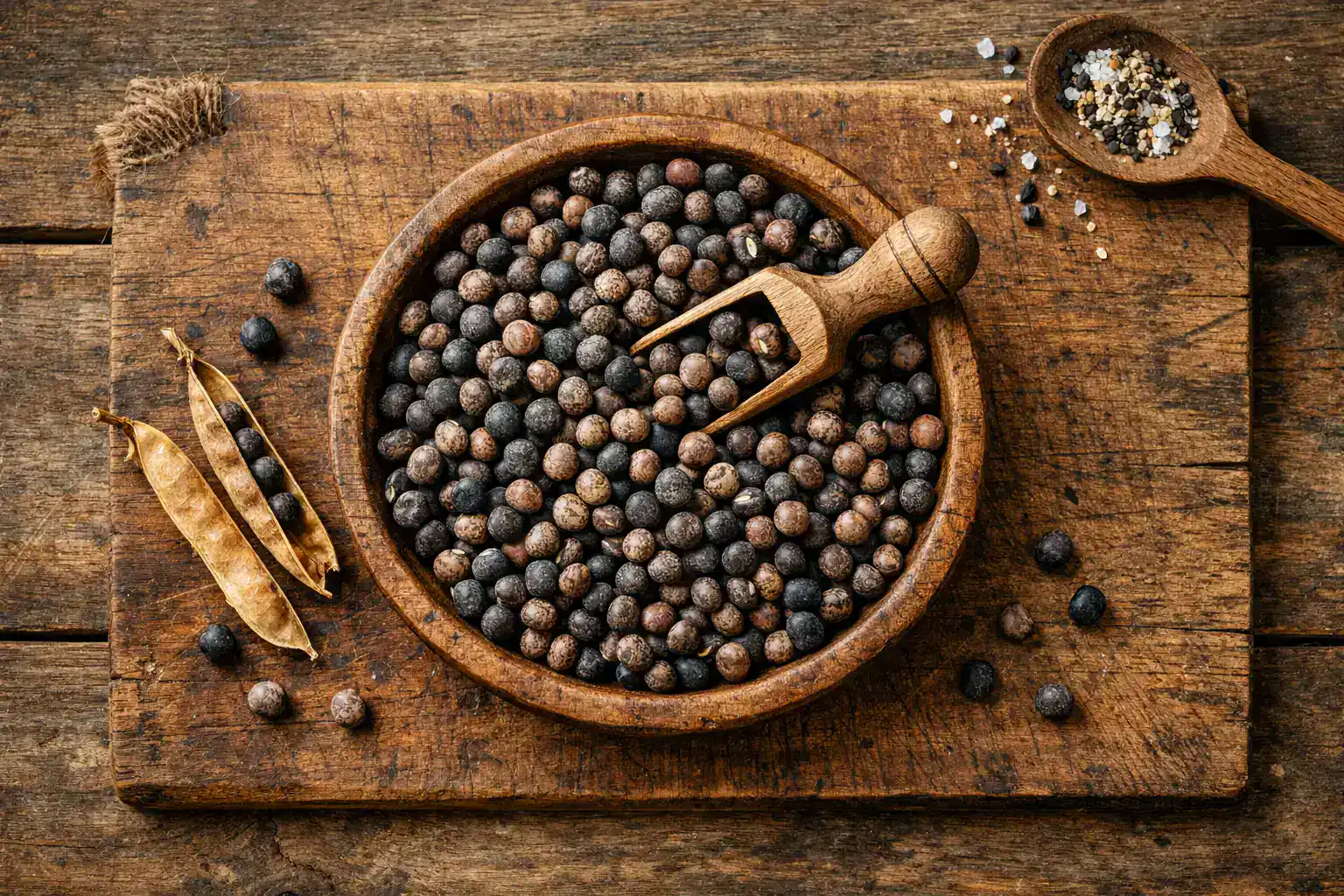
A heritage UK legume dating back to the 12th century, packed with plant protein, fiber, and essential nutrients for sustained energy.
Quick Nutrition Facts
Per 100g Cooked Carlin Peas
| Nutrient | Amount |
|---|---|
| Calories | 120 kcal |
| Protein | 8g |
| Carbohydrates | 18g |
| Fiber | 6g |
| Sugars | 2g |
| Fat | 1g |
| Iron | 1.5mg |
| Potassium | 270mg |
| Folate | 65mcg |
| Magnesium | 36mg |
Macronutrient Breakdown
 ChatGPT
  Claude
  AI Mode
  Perplexity
NUTRITIONIST INSIGHT
Carlin peas provide about 25% protein by dry weight, making them one of the most protein-rich heritage legumes. Their combination of slow-release carbohydrates and fiber keeps blood sugar stable for hours after eating.
Myth Busters
MYTH #1: Carlin Peas Are Just Regular Peas
TRUTH: Carlin peas are a distinct heritage variety dating back to the 12th century. They have a nuttier, earthier flavor than green peas and contain higher protein and fiber content typical of dried legumes.
MYTH #2: Legumes Cause Blood Sugar Spikes
TRUTH: Carlin peas have a low glycemic index of 22. Studies show dried peas significantly reduce glycemic response compared to high-GI foods, making them excellent for blood sugar management.
MYTH #3: Plant Protein Is Incomplete
TRUTH: While individual legumes may lack some amino acids, combining carlin peas with grains (rice, bread) creates a complete protein profile. Most people naturally combine foods throughout the day.
MYTH #4: Dried Peas Are Hard to Digest
TRUTH: Proper soaking and cooking breaks down complex sugars that cause digestive discomfort. Soaked carlin peas are easier to digest than many processed foods and provide gut-healthy prebiotic fiber.
MYTH #5: Heritage Legumes Are Less Nutritious
TRUTH: Heritage varieties like carlin peas often have equal or superior nutrition to modern cultivars. They've been selected over centuries for both flavor and nutritional density, with approximately 25% protein content.
NutriScore by Health Goals
| Health Goal | NutriScore | Why This Score? |
|---|---|---|
| Weight Loss |  | Only 120 calories per 100g with 8g protein and 6g fiber. High satiety prevents overeating. |
| Muscle Gain |  | 8g plant protein per serving. Combine with grains for complete amino acid profile. Good post-workout carbs. |
| Diabetes Management | | Very low GI (22). Dried peas improve glycemic control vs high-GI foods. Excellent fiber content. |
| PCOS Management | | Low glycemic impact supports insulin sensitivity. High fiber aids hormone balance. |
| Pregnancy Nutrition | | Rich in folate (65mcg) and iron. Legumes are recommended pregnancy foods for naturally occurring folate. |
| Viral/Flu Recovery | | Gentle on digestion, provides sustained energy, iron supports immune function. |
PERSONALIZED NUTRITION
Track your meals with NutriScan for personalized NutriScores based on your specific health goals!
Blood Sugar Response to Carlin Peas
Understanding how carlin peas affect your blood glucose can help you make informed decisions about when and how to eat them.
Typical Glucose Response Curve
This chart shows typical blood glucose response for general healthy individuals. Individual responses may vary. Not medical advice.
How to Flatten the Spike
Combining legumes with fiber, protein, or fat slows glucose absorption and provides balanced nutrition:
- 🥬 Leafy greens - Add fiber and micronutrients
- 🫒 Olive oil drizzle - Healthy fats slow digestion
- 🧅 Onions and garlic - Prebiotic fiber supports gut health
- 🍚 Brown rice or whole grains - Complete protein when combined
Carlin peas already have a low glycemic response, but these combinations optimize sustained energy release.
Cultural Significance
Carlin peas are one of Britain's most historic legumes, with cultivation dating back to the 12th century.
In the United Kingdom:
- Traditionally eaten on Carling Sunday (fifth Sunday of Lent) in Northern England
- Also known as black badger peas, maple peas, or pigeon peas
- Historically served with butter, salt, and malt vinegar
- Part of the "forgotten vegetables" revival movement
Global Context:
- Related varieties grown across Europe and Asia
- Part of sustainable agriculture movements promoting heritage crops
- High protein content (25%) makes them valuable for plant-based diets
- Drought-resistant and nitrogen-fixing, improving soil health
Compare & Substitute
Carlin Peas vs Similar Legumes (Per 100g Cooked)
| Nutrient | Carlin Peas | Green Peas | Lentils | Chickpeas |
|---|---|---|---|---|
| Calories | 120 kcal | 81 kcal | 116 kcal | 164 kcal |
| Carbs | 18g | 14g | 20g | 27g |
| Fiber | 6g | 5g | 8g | 8g |
| Protein | 8g | 5g | 9g | 9g |
| Fat | 1g | 0.4g | 0.4g | 2.6g |
| Iron | 1.5mg | 1.5mg | 3.3mg | 2.9mg |
| GI | 22 | 51 | 29 | 28 |
| Best For | Low-GI meals, UK tradition | Quick cooking, bright flavor | Soups, high iron needs | Hummus, roasted snacks |
Frequently Asked Questions
What are carlin peas?
Carlin peas are a heritage UK legume also known as black badger peas, maple peas, or pigeon peas. They have been cultivated in Britain since the 12th century and are traditionally eaten on Carling Sunday in Northern England.
Key characteristics:
- Nutty, earthy flavor
- Firm texture when cooked
- Brown/grey speckled appearance
- About 25% protein by dry weight
Are carlin peas good for weight loss?
Yes, carlin peas are excellent for weight loss. With only 120 calories per 100g cooked, 8g protein, and 6g fiber, they provide substantial satiety for minimal calories. The low glycemic index (22) prevents blood sugar spikes that trigger hunger.
Best practices: Include in salads, soups, or as a side dish. The high fiber content keeps you full for hours.
Can diabetics eat carlin peas?
Carlin peas are highly beneficial for diabetics. Their very low glycemic index (22) means minimal blood sugar impact. Studies show dried peas significantly improve glycemic response compared to high-GI foods like potatoes.
Tips for diabetics:
- Enjoy generous portions (100-150g) without concern
- No need to pair with protein as already balanced
- Excellent replacement for rice or potatoes
- Monitor individual response as always
How much protein is in carlin peas?
Cooked carlin peas contain 8g of protein per 100g. Dried carlin peas contain approximately 25% protein by weight, making them one of the most protein-rich legumes.
For complete protein, combine with grains like rice, bread, or pasta throughout the day.
How do you cook carlin peas?
Basic cooking method:
- Soak dried peas overnight in cold water (8-12 hours)
- Drain and rinse thoroughly
- Cover with fresh water and bring to boil
- Reduce heat and simmer 45-60 minutes until tender
- Season with butter, salt, and malt vinegar (traditional)
Serving ideas: Add to stews, curries, salads, or serve as a protein-rich side dish.
What are the main health benefits of carlin peas?
Key Benefits:
- Blood Sugar Control: Very low GI (22) supports stable glucose levels
- Digestive Health: 6g fiber per 100g promotes gut health
- Plant Protein: 8g protein supports muscle and tissue repair
- Heart Health: Fiber and potassium support cardiovascular function
- Pregnancy Support: Folate and iron essential for fetal development
- Sustainable Nutrition: Nitrogen-fixing crop with low environmental impact
How long do dried carlin peas last?
Properly stored dried carlin peas last 2-3 years in a cool, dry place in an airtight container. Cooked peas refrigerate for 4-5 days or freeze for up to 3 months.


Similar Nutritious Foods
4505 Chicharrones Classic Chili Salt
7 Eleven Japan Crispy Corn Cheese
Explore More Nutrition Tools & Resources
AI Calorie Counter App - Snap a Photo, Get Macros
AI Nutritionist App That Reads Your Logged Meals
Best Protein Supplements for Women
Bulking Meal Plan App That Sets Your Surplus
ChatGPT Calorie Counter Alternative That Keeps the Total
ChatGPT Diet Plan Alternative That Tracks What You Eat
ChatGPT Weight Loss Coach Alternative With a Food Log
Fast Food Calorie Counter App That Reads the Tray
Free Calorie Tracker App with AI Photo Scans | NutriScan
Indian Diet Plan App With Veg and Non Veg Meals
Indian Food Calorie Calculator - Get Instant Nutrition Facts for Desi Meals — 2026
Intermittent Fasting for Women, Timer and Meal Log App
Intermittent Fasting Tracker App - Free Fasting Timer
Macro Tracker App That Fills the Numbers From a Photo
Mediterranean Diet Meal Plan App That Counts the Oil
Micronutrient Tracker App for Vitamins and Minerals
MyFitnessPal Alternative That Stays Free | NutriScan
NutriScore App: A Free Grade on Every Meal | NutriScan
Nutrition Label Scanner App for the Amount You Ate
Second Trimester Protein Guide
Vegetarian Meal Plan App With a Protein Target
Voice Calorie Counter - Speak to Track Meals Hands-Free
Water and Calorie Tracker App - Free Water Log