Chicken Chettinad: Calories, Nutrition and Health Benefits
A protein-packed South Indian classic loaded with aromatic spices that support digestion, reduce inflammation, and enhance nutrient absorption for optimal muscle and metabolic health.
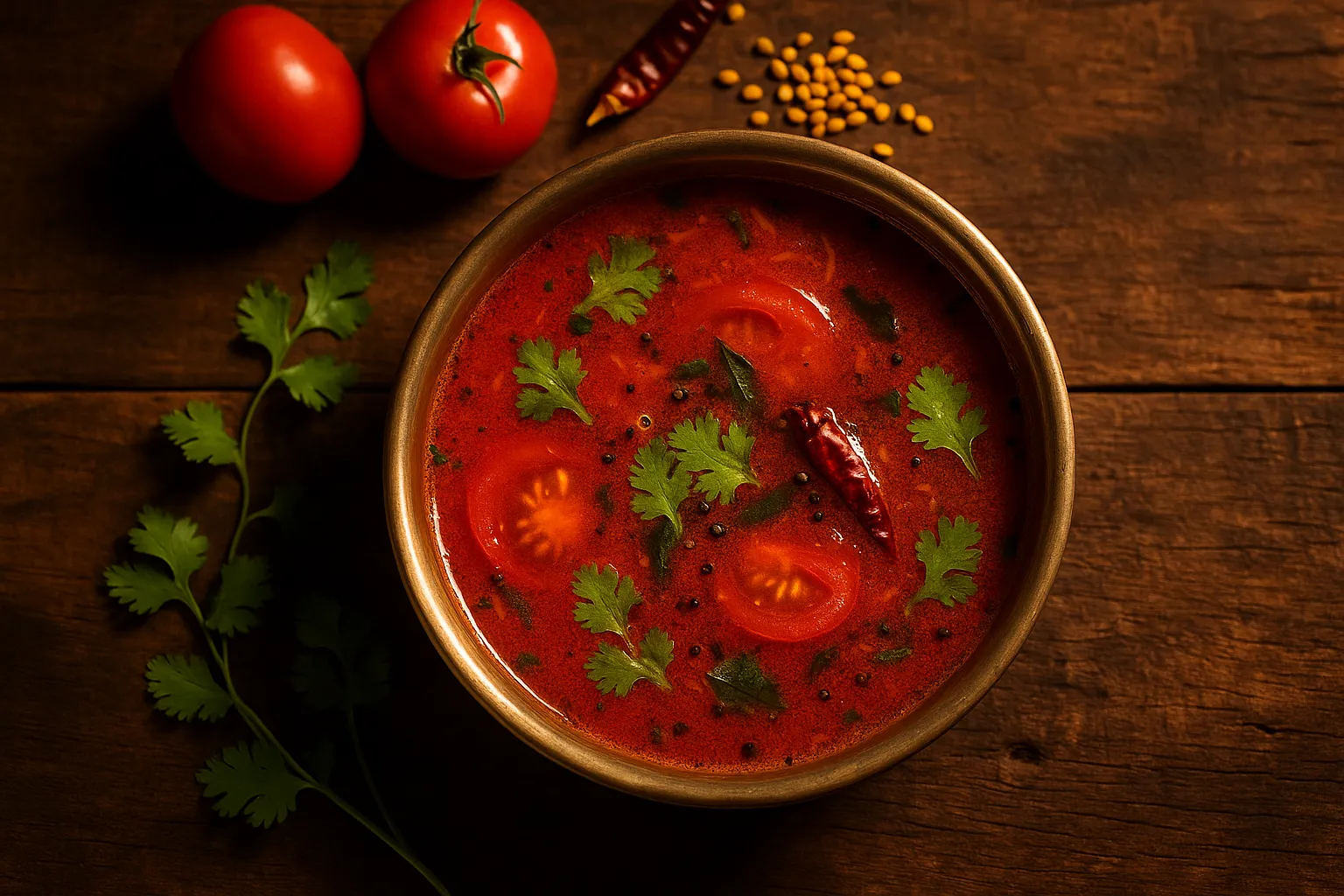
Quick Nutrition Facts
Per 1 Serving (150g cooked)
| Nutrient | Amount |
|---|---|
| Calories | 165 kcal |
| Protein | 25g |
| Carbohydrates | 4g |
| Fiber | 0.5g |
| Sugars | 0.5g |
| Fat | 6g |
| Saturated Fat | 1.8g |
| Iron | 1.8mg |
| Selenium | 32mcg |
| Vitamin B6 | 0.7mg |
Macronutrient Breakdown
 ChatGPT
  Claude
  AI Mode
  Perplexity
NUTRITIONIST INSIGHT
Chicken Chettinad delivers exceptional protein density (25g per 150g) with anti-inflammatory spices (cinnamon, cardamom, clove) that enhance digestion and nutrient absorption. The traditional preparation style with coconut and spice paste creates a bioavailable, satiating meal ideal for muscle gain and metabolic health.
Myth Busters
MYTH #1: Curry Dishes Are Too High in Calories for Weight Loss
TRUTH: Chicken Chettinad provides only 165 calories with 25g protein—significantly lower than most meat dishes. Spices like pepper enhance metabolism by 3-5%, and the protein content promotes satiety, making it ideal for weight management.
MYTH #2: Spicy Food Causes Digestive Problems
TRUTH: Chili peppers and spices in Chettinad actually enhance digestion by stimulating gastric juices and improving nutrient absorption. Traditional Ayurvedic use confirms rasam and Chettinad as digestive aids for centuries, especially when served with yogurt.
MYTH #3: Coconut in Curry Makes It High in Saturated Fat
TRUTH: Traditional chicken Chettinad uses coconut paste primarily for flavor, not as a fat source (only 6g total fat per serving). Medium-chain triglycerides in coconut support metabolism and ketone production without excessive calorie load.
MYTH #4: All Curries Cause Blood Sugar Spikes
TRUTH: Chicken Chettinad contains only 4g carbs per serving with negligible glycemic impact. Studies show that spices reduce postprandial glucose response by up to 20%, making it particularly beneficial for diabetics.
MYTH #5: Chicken Curry Lacks Micronutrients
TRUTH: Chicken Chettinad is rich in B vitamins (B6: 0.7mg, B12: 0.3mcg), selenium (32mcg—45% DV), iron (1.8mg), and spice-derived antioxidants. Turmeric provides curcumin with documented anti-inflammatory effects, making it a micronutrient powerhouse.
MYTH #6: Protein-Only Dishes Are Boring and Unsustainable
TRUTH: The aromatic spice profile of Chettinad makes it genuinely satisfying and crave-worthy for long-term diet adherence. The flavor complexity (cinnamon, pepper, cardamom, clove) triggers pleasure hormones, supporting sustainability of muscle-building diets.
NutriScore by Health Goals
| Health Goal | NutriScore | Why This Score? |
|---|---|---|
| Weight Loss |  | 165 calories, 25g protein for satiety, only 6g fat. Monitor oil in preparation. Serve with vegetable sides for volume. Ideal as protein base for mixed meals. |
| Muscle Gain |  | 25g complete protein with all amino acids, low carbs, anti-inflammatory spices support recovery. Perfect post-workout or as main protein source for lean muscle development. |
| Diabetes Management | | Only 4g carbs per serving with minimal GI impact, spices reduce postprandial glucose response, selenium supports pancreatic health. |
| PCOS Management | | High protein supports hormonal balance, low carbs aid insulin sensitivity, anti-inflammatory spices reduce androgen excess, healthy fat content supports vitamin absorption. |
| Pregnancy Nutrition | | 25g protein supports fetal growth and maternal lean mass, B6 reduces morning sickness, iron prevents pregnancy anemia. |
| Viral/Flu Recovery | | High protein aids immune cell recovery, B vitamins support energy restoration, spices have antimicrobial properties. May need lighter spicing during acute illness phases. |
PERSONALIZED NUTRITION
Track your meals with NutriScan for personalized NutriScores based on your specific health goals!
Blood Sugar Response to Chicken Chettinad
Understanding how chicken Chettinad affects blood glucose helps optimize meal timing and pairing strategies.
Typical Glucose Response Curve
This chart shows typical blood glucose response for general healthy individuals. Individual responses may vary. Not medical advice.
How to Maximize Metabolic Benefits
Pairing chicken Chettinad with fiber-rich carbohydrates optimizes blood sugar stability and extends satiety:
- 🥬 Serve with leafy green salad - Fiber and micronutrients with minimal carbs
- 🥔 Pair with sweet potato or brown rice - Resistant starch provides slow energy
- 🥒 Add fermented vegetables - Probiotics enhance protein digestion
- 🌱 Serve with whole-grain bread or roti - Sustained carbohydrate absorption
This combination maximizes muscle-building potential while maintaining stable energy and blood glucose throughout the day.
Cultural Significance
Chicken Chettinad originates from the Chettinad region of Tamil Nadu, historically the heartland of Chettiar merchants whose culinary traditions emphasized bold spice blending and slow-cooked flavors.
In India:
- Traditional preparation passed through generations, with family recipes varying by household
- Chettinad spice blend (black pepper, cinnamon, cardamom, clove, bay leaves) marks culinary identity
- Served at weddings, festivals, and special occasions as a celebratory meat dish
- Regional significance in South Indian fine dining and temple cuisine traditions
- Ayurvedic perspective: warming spices support agni and protein digestion
Global Impact:
- Increasingly featured in Indian restaurants worldwide for its authentic flavor complexity
- Recognition as a nutrient-dense, spice-forward protein option in functional nutrition circles
- Growing demand for traditional slow-cooked preparations vs. quick curries
Compare & Substitute
Chicken Chettinad vs Similar High-Protein Dishes (Per 150g Serving)
| Nutrient | 🍗 Chicken Chettinad | 🐟 Grilled Fish | 🧀 Paneer Curry | 🥩 Lamb Curry |
|---|---|---|---|---|
| Calories | 165 kcal | 180 kcal | 220 kcal | 240 kcal |
| Protein | 25g | 26g | 15g | 22g |
| Carbs | 4g | 0g | 6g | 5g |
| Fat | 6g | 9g | 15g | 16g |
| Fiber | 0.5g | 0g | 0.5g | 0.5g |
| Iron | 1.8mg (10% DV) | 0.8mg (4% DV) | 2.5mg (14% DV) | 2.5mg (14% DV) |
| Best For | Lean muscle gain | Omega-3s, heart health | Vegetarian protein | Iron-rich diets |
Frequently Asked Questions
Is chicken Chettinad good for muscle building?
Yes, chicken Chettinad is one of the best muscle-building foods. At 25g complete protein per 150g serving with low carbs and fat, it provides essential amino acids for muscle protein synthesis without excess calories. The anti-inflammatory spices support post-workout recovery.
Best practices: Consume post-workout within 2 hours, pair with whole grains for glycogen replenishment, maintain 1.6-2.2g protein per kg body weight daily.
How much oil should be used in chicken Chettinad?
Traditional preparation uses 1.5-2 teaspoons coconut oil per serving (150g). This maintains authentic flavor while keeping fat content to 6g per serving. For weight loss, reduce to 1 teaspoon; for PCOS/hormonal support, use quality ghee or coconut oil rather than vegetable oil.
Can I eat chicken Chettinad every day?
Yes, chicken Chettinad can be consumed daily as a protein source. Rotate with other proteins (fish, lentils, paneer) to ensure micronutrient diversity. The spice blend is safe for daily consumption and actually aids digestion when eaten regularly.
Is chicken Chettinad spicy for sensitive stomachs?
Chicken Chettinad is mildly spiced compared to some curries, though sensitivity varies. For sensitive digestion, reduce red chili powder and serve with plain yogurt or raita. The warming spices actually support digestive health when tolerated.
How does chicken Chettinad compare to grilled chicken?
Chicken Chettinad (165 cal, 6g fat) vs grilled plain chicken (165 cal, 3.6g fat) differs mainly in spice bioavailability. The spices add zero calories while enhancing nutrient absorption and providing anti-inflammatory benefits. Chettinad offers superior sensory experience while maintaining comparable nutrition.
Can I meal prep chicken Chettinad?
Yes, chicken Chettinad stores excellently. Prepare in bulk, divide into 150g portions, refrigerate up to 4 days, or freeze up to 3 months. Flavor actually improves slightly as spices infuse overnight. Reheat gently on stovetop to preserve nutrient integrity.
Is chicken Chettinad high in sodium?
Traditional homemade Chettinad is moderate in sodium (300-400mg per serving). Store-bought versions vary widely (400-700mg). For blood pressure management, prepare homemade with minimal added salt, relying on spices for flavor intensity.


Similar Nutritious Dishes
4505 Chicharrones Classic Chili Salt
7 Eleven Japan Crispy Corn Cheese
Explore More Nutrition Tools & Resources
AI Calorie Counter App - Snap a Photo, Get Macros
AI Nutritionist App That Reads Your Logged Meals
Best Protein Supplements for Women
Bulking Meal Plan App That Sets Your Surplus
ChatGPT Calorie Counter Alternative That Keeps the Total
ChatGPT Diet Plan Alternative That Tracks What You Eat
ChatGPT Weight Loss Coach Alternative With a Food Log
Fast Food Calorie Counter App That Reads the Tray
Free Calorie Tracker App with AI Photo Scans | NutriScan
Indian Diet Plan App With Veg and Non Veg Meals
Indian Food Calorie Calculator - Get Instant Nutrition Facts for Desi Meals — 2026
Intermittent Fasting for Women, Timer and Meal Log App
Intermittent Fasting Tracker App - Free Fasting Timer
Macro Tracker App That Fills the Numbers From a Photo
Mediterranean Diet Meal Plan App That Counts the Oil
Micronutrient Tracker App for Vitamins and Minerals
MyFitnessPal Alternative That Stays Free | NutriScan
NutriScore App: A Free Grade on Every Meal | NutriScan
Nutrition Label Scanner App for the Amount You Ate
Second Trimester Protein Guide
Vegetarian Meal Plan App With a Protein Target
Voice Calorie Counter - Speak to Track Meals Hands-Free
Water and Calorie Tracker App - Free Water Log