Cilantro: Calories, Nutrition and Health Benefits
Powerhouse herb packed with antioxidants, vitamin K, and anti-inflammatory compounds—virtually calorie-free superfood.
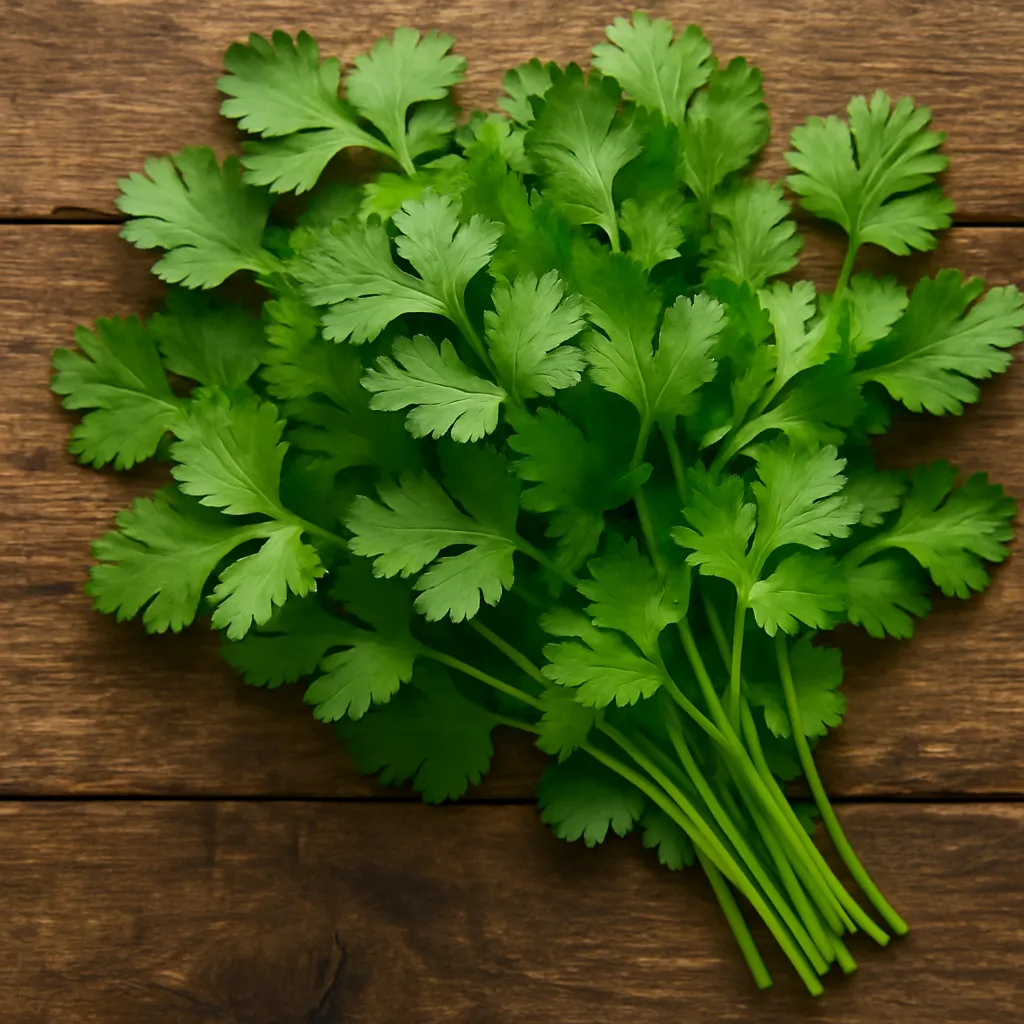
Quick Nutrition Facts
Per 1/4 Cup Fresh Cilantro (4g)
| Nutrient | Amount |
|---|---|
| Calories | 1 kcal |
| Protein | 0.1g |
| Carbohydrates | 0.1g |
| Fiber | 0.1g |
| Sugars | 0g |
| Fat | 0g |
| Vitamin K | 12mcg |
| Vitamin A | 2.7mcg |
| Vitamin C | 0.2mg |
| Iron | 0.02mg |
Macronutrient Breakdown
 ChatGPT
  Claude
  AI Mode
  Perplexity
NUTRITIONIST INSIGHT
Cilantro is a nutritional powerhouse despite minimal calories. Its concentrated antioxidants and phytonutrients deliver disproportionate health benefits. Fresh cilantro retains more volatile oils (responsible for aroma and antimicrobial action) than dried. Use liberally in salads, salsas, curries, and chutneys to enhance flavor while adding zero meaningful calories.
Myth Busters
MYTH #1: Cilantro "Detoxes" Heavy Metals (Complete Removal)
TRUTH: Cilantro contains compounds that bind to certain metals, but claiming complete detoxification is overblown. What's real: cilantro provides potent antioxidants and anti-inflammatory compounds that support overall health. Use it for flavor and nutrition, not as a medical detox.
MYTH #2: Everyone Loves Cilantro Taste
TRUTH: About 14% of people (mostly genetic, linked to OR6A2 gene) perceive cilantro as soapy. This genetic variation is well-documented in genetic studies. Not a personal flaw—it's biology. Parsley or mint are excellent substitutes.
MYTH #3: Cilantro Has No Nutritional Value (It's Just for Flavor)
TRUTH: Cilantro is nutrient-dense. Just 1/4 cup provides 12mcg vitamin K (15% DV) for bone health and blood clotting, plus measurable antioxidants and iron. Use as a nutritious garnish, not decoration.
MYTH #4: Cilantro Loses All Benefits When Cooked
TRUTH: While fresh cilantro retains maximum volatile oils, cooked cilantro retains beneficial polyphenols and antioxidants. However, fresh cilantro is preferred when possible to maximize volatile oil content and antimicrobial properties.
MYTH #5: Cilantro Is Just a Culinary Herb, Not Health-Promoting
TRUTH: Research shows cilantro extracts possess antimicrobial, antioxidant, and anti-inflammatory properties. Studies suggest potential benefits for digestive health, inflammation reduction, and blood sugar management.
NutriScore by Health Goals
| Health Goal | NutriScore | Why This Score? |
|---|---|---|
| Weight Loss |  | 1 calorie per serving, zero sugar, zero fat. Perfect flavor replacement for salt. Unlimited consumption. Enhances low-calorie meals without calorie burden. |
| Muscle Gain |  | Minimal macros but provides iron, antioxidants for recovery. Use as nutritious garnish; pair with protein-rich meals. |
| Diabetes Management | | Zero carbs, zero sugar, zero impact on glucose. Research suggests compounds may improve insulin secretion. No portion limits. |
| PCOS Management | | Zero metabolic load, anti-inflammatory properties support PCOS management. Perfect low-calorie flavor enhancer for hormone-sensitive diets. |
| Pregnancy Nutrition | | Rich in vitamin K for bone health, carries trace iron. Anti-inflammatory properties may reduce pregnancy inflammation. Use in salads and chutneys liberally. |
| Viral/Flu Recovery | | Antimicrobial properties support immune function. Studies show cilantro extract antimicrobial against common pathogens. Light on digestion. |
PERSONALIZED NUTRITION
Track your meals with NutriScan for personalized NutriScores based on your specific health goals!
Blood Sugar Response to Cilantro
Cilantro has virtually zero impact on blood glucose due to negligible carbohydrate content.
Typical Glucose Response Curve
This chart shows typical blood glucose response for general healthy individuals. Individual responses may vary. Not medical advice.
How to Maximize Benefits
- 🫒 Olive oil - Maximizes antioxidant and vitamin K absorption
- 🥑 Avocado - Fat-soluble nutrient absorption, creamy texture
- 🧀 Lime juice - Enhances flavor, citric acid aids iron absorption
- 🌱 Garlic - Complementary antimicrobial compounds, synergistic benefits
Cultural Significance
Cilantro (also called coriander leaf) originated in Southern Europe and West Asia, becoming essential in Indian, Mexican, Thai, and Mediterranean cuisines over 5,000 years.
In India:
- Known as "dhania patra" or "kothmir" in Hindi; integral to Indian cuisine
- Coriander seeds (dried fruit) are distinct from cilantro leaves; both used extensively
- Essential in chutneys, curries, sambar, and fresh salads (kachumber)
- In Ayurveda, cilantro considered cooling (shita) herb supporting digestion
- Widely cultivated; India world's largest coriander producer and exporter
Global Impact:
- Used in Mexican salsas, Thai curries, Mediterranean salads
- Cilantro-coriander relationship unique (leaf vs. seed from same plant)
- Popular in Vietnamese, Cambodian, Laotian cuisines
- Growing research into antimicrobial and anti-inflammatory properties
Compare & Substitute
Cilantro vs Similar Herbs (Per 100g)
| Nutrient | 🌿 Cilantro | 🌱 Parsley | 🌿 Mint | 🫒 Basil |
|---|---|---|---|---|
| Calories | 23 kcal | 36 kcal | 44 kcal | 23 kcal |
| Carbs | 3.7g | 6.3g | 8.4g | 2.7g |
| Fiber | 2.8g | 3.3g | 1.3g | 1.7g |
| Protein | 2.1g | 2.7g | 3.8g | 3.2g |
| Fat | 0.5g | 0.4g | 0.9g | 0.6g |
| Vitamin K | 310mcg | 1640mcg | 423mcg | 27mcg |
| Iron | 1.8mg | 6.2mg | 15.6mg | 3.2mg |
| Best For | Salsa, curry, chutney, color | Garnish, rich mineral content | Beverages, digestion, fresh | Italian, sweet aroma |
Frequently Asked Questions
Is cilantro good for weight loss?
Absolutely. Cilantro is virtually calorie-free (1 calorie per 4g) with zero sugar and zero fat. More importantly, cilantro replaces salt in recipes, reducing sodium cravings and supporting weight loss. Consume liberally in salads, salsas, chutneys, and curries for flavor without calories.
Can diabetics eat cilantro?
Yes, freely. Cilantro contains negligible carbs and zero sugar. Research indicates cilantro may improve insulin secretion, making it beneficial for glucose management. Use in all meals without portion concern.
Does cilantro really detoxify the body?
The "detox" claim is exaggerated marketing. Cilantro contains compounds that bind to certain metals, but complete detoxification is not established. What's proven: cilantro provides potent antioxidants, anti-inflammatory compounds, and antimicrobial properties that support overall health. Use for nutrition and flavor, not as medical treatment.
What is the cilantro-soap gene?
About 14% of people carry the OR6A2 gene variant that makes cilantro taste soapy. This genetic difference is well-documented and not cultural—it's biology. If cilantro tastes soapy, try parsley, mint, or tarragon instead.
How much vitamin K does cilantro provide?
Just 1/4 cup (4g) cilantro provides 12mcg vitamin K (15% DV). Half a cup meets daily vitamin K needs for bone health and blood clotting—critical for pregnancy. Fresh cilantro is more nutrient-dense than dried.
Is fresh or dried cilantro better?
Fresh cilantro retains volatile oils responsible for antimicrobial action and distinctive aroma. Dried cilantro loses volatile oils but retains polyphenol antioxidants. Fresh is nutritionally superior; use dried only when fresh is unavailable.


Similar Nutritious Herbs & Vegetables
4505 Chicharrones Classic Chili Salt
7 Eleven Japan Crispy Corn Cheese
Explore More Nutrition Tools & Resources
AI Calorie Counter App - Snap a Photo, Get Macros
AI Nutritionist App That Reads Your Logged Meals
Best Protein Supplements for Women
Bulking Meal Plan App That Sets Your Surplus
ChatGPT Calorie Counter Alternative That Keeps the Total
ChatGPT Diet Plan Alternative That Tracks What You Eat
ChatGPT Weight Loss Coach Alternative With a Food Log
Fast Food Calorie Counter App That Reads the Tray
Free Calorie Tracker App with AI Photo Scans | NutriScan
Indian Diet Plan App With Veg and Non Veg Meals
Indian Food Calorie Calculator - Get Instant Nutrition Facts for Desi Meals — 2026
Intermittent Fasting for Women, Timer and Meal Log App
Intermittent Fasting Tracker App - Free Fasting Timer
Macro Tracker App That Fills the Numbers From a Photo
Mediterranean Diet Meal Plan App That Counts the Oil
Micronutrient Tracker App for Vitamins and Minerals
MyFitnessPal Alternative That Stays Free | NutriScan
NutriScore App: A Free Grade on Every Meal | NutriScan
Nutrition Label Scanner App for the Amount You Ate
Second Trimester Protein Guide
Vegetarian Meal Plan App With a Protein Target
Voice Calorie Counter - Speak to Track Meals Hands-Free
Water and Calorie Tracker App - Free Water Log