Creatine: Calories, Nutrition and Health Benefits
The most researched sports supplement with zero calories, proven to enhance muscle strength, power output, and cognitive function.
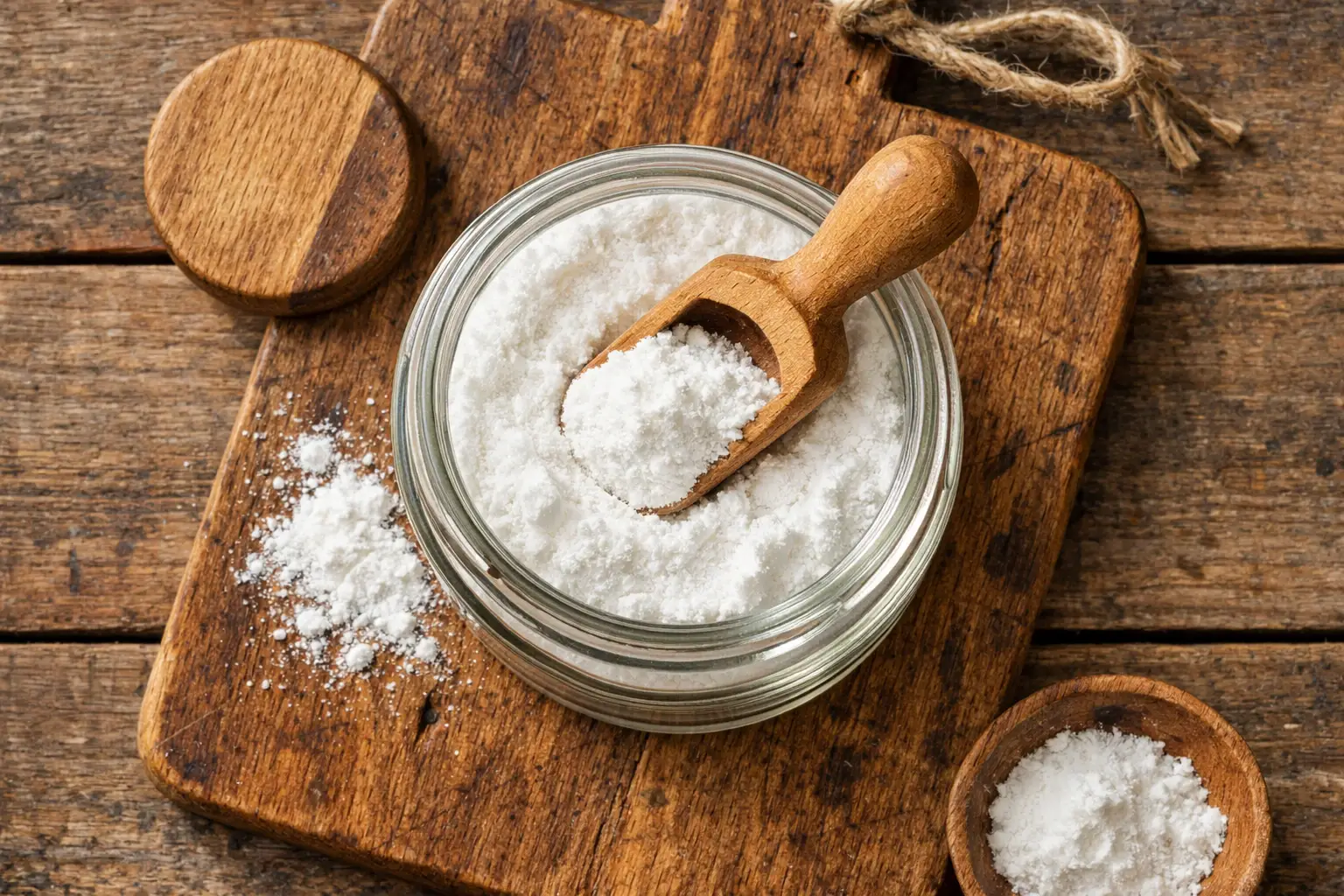
Quick Nutrition Facts
Per 1 Scoop (5g) Creatine Monohydrate
| Nutrient | Amount |
|---|---|
| Calories | 0 kcal |
| Protein | 0g |
| Carbohydrates | 0g |
| Fiber | 0g |
| Sugars | 0g |
| Fat | 0g |
| Sodium | 0mg |
| Creatine | 5g |
Macronutrient Breakdown
 ChatGPT
  Claude
  AI Mode
  Perplexity
NUTRITIONIST INSIGHT
Creatine is the most studied and effective sports supplement available. It works by increasing phosphocreatine stores in muscles, providing rapid energy for high-intensity exercise. Beyond muscles, creatine supports brain energy metabolism and cognitive function.
Myth Busters
MYTH #1: Creatine Damages Your Kidneys
TRUTH: Multiple long-term studies (up to 5 years) show no adverse effects on kidney function in healthy individuals at recommended doses (3-5g/day). Creatine is one of the most thoroughly researched supplements for safety.
MYTH #2: Creatine Is a Steroid
TRUTH: Creatine is not a steroid or hormone. It's a naturally occurring compound found in meat and fish, and synthesized by your body from amino acids. It's legal in all sports organizations.
MYTH #3: Creatine Causes Dangerous Water Retention
TRUTH: Creatine draws water into muscle cells (intracellular hydration), which supports muscle protein synthesis and cell volumization. This is beneficial for muscle growth, not harmful bloating.
MYTH #4: You Need to Cycle Creatine
TRUTH: There's no evidence that cycling creatine (taking breaks) provides any benefit. Continuous supplementation is safe and maintains optimal muscle creatine levels. Your body doesn't build tolerance.
MYTH #5: Creatine Only Works for Young Athletes
TRUTH: Creatine benefits people of all ages. Research shows significant benefits for older adults including increased muscle mass, strength, and reduced fall risk. It may also support cognitive function in aging.
MYTH #6: Creatine Causes Hair Loss
TRUTH: One 2009 study suggested creatine increased DHT, but this hasn't been replicated in subsequent research. No direct evidence links creatine supplementation to hair loss in clinical studies.
NutriScore by Health Goals
| Health Goal | NutriScore | Why This Score? |
|---|---|---|
| Weight Loss |  | Zero calories, supports lean muscle retention during caloric deficit, may enhance workout performance. |
| Muscle Gain | | Gold standard for muscle building. Increases strength, power output, and supports muscle protein synthesis. |
| Diabetes Management |  | Zero carbs, no blood sugar impact. Some research suggests improved glucose uptake. Consult doctor before use. |
| PCOS Management | | Zero calories and carbs. May support exercise capacity. Limited research in PCOS; consult healthcare provider. |
| Pregnancy Nutrition |  | Not recommended during pregnancy or breastfeeding due to insufficient safety data. Avoid until more research available. |
| Viral/Flu Recovery |  | Not directly beneficial for immunity. May help maintain muscle during illness. Focus on rest and nutrition first. |
PERSONALIZED NUTRITION
Track your supplements with NutriScan for personalized NutriScores based on your specific health goals!
Blood Sugar Response to Creatine
Unlike carbohydrate-containing foods, creatine has no direct impact on blood glucose levels.
Typical Glucose Response Curve
This chart shows typical blood glucose response for general healthy individuals. Individual responses may vary. Not medical advice.
How Creatine Affects Energy
Creatine provides energy through the phosphocreatine system, not through glucose metabolism:
- ATP Regeneration - Rapidly replenishes ATP during high-intensity exercise
- Zero glycemic impact - No carbs means no blood sugar spike
- Muscle energy buffer - Stores energy directly in muscles
- Enhanced workout capacity - More reps, sets, and power output
This makes creatine ideal for diabetics and those monitoring blood sugar, though always consult your healthcare provider.
Cultural Significance
Creatine was first identified in 1832 by French scientist Michel Eugène Chevreul, who isolated it from meat (the name comes from Greek "kreas" meaning meat).
In Sports History:
- Gained popularity after 1992 Barcelona Olympics (athletes credited it for performance)
- Became the most researched sports supplement by 2000s
- Used by estimated 50% of professional athletes worldwide
- Legal and permitted by all major sports organizations (IOC, NCAA, NFL)
Global Impact:
- Multi-billion dollar supplement industry globally
- Produced primarily through chemical synthesis (vegan-friendly)
- Found naturally in red meat (2-5g per kg) and fish
- Body produces ~1-2g daily from amino acids (glycine, arginine, methionine)
Compare & Substitute
Creatine vs Other Performance Supplements (Per Serving)
| Nutrient | 💪 Creatine (5g) | ☕ Caffeine (200mg) | 🧪 Beta-Alanine (3g) | 🍃 BCAAs (5g) |
|---|---|---|---|---|
| Calories | 0 kcal | 0 kcal | 0 kcal | 20 kcal |
| Mechanism | ATP regeneration | CNS stimulation | Carnosine buffer | Protein synthesis |
| Onset | 2-4 weeks loading | 15-45 minutes | 2-4 weeks loading | Immediate |
| Duration | Maintained daily | 3-6 hours | Maintained daily | Few hours |
| Primary Benefit | Strength & power | Alertness & endurance | Muscular endurance | Recovery |
| Best For | Resistance training | Endurance, focus | High-rep training | Muscle preservation |
Frequently Asked Questions
Does creatine have any calories?
No, pure creatine monohydrate contains 0 calories. It provides energy to muscles through the phosphocreatine system, not through caloric metabolism like carbs, protein, or fat.
Note: Some creatine products mixed with carbs or other ingredients may contain calories. Always check the label.
Is creatine safe for kidneys?
Yes, for healthy individuals. Research spanning up to 5 years shows no adverse effects on kidney function at recommended doses (3-5g daily).
Who should be cautious:
- Pre-existing kidney disease (consult doctor first)
- Taking nephrotoxic medications
- Severely dehydrated individuals
Stay hydrated and stick to recommended doses for optimal safety.
How much creatine should I take daily?
Standard protocol:
- Maintenance: 3-5g daily (most common and effective)
- Loading phase (optional): 20g/day split into 4 doses for 5-7 days
- Long-term: Consistent 3-5g daily
Loading saturates muscles faster but isn't necessary. Daily 3-5g achieves the same muscle creatine levels within 3-4 weeks.
Does creatine help with brain function?
Yes, emerging research shows cognitive benefits. Creatine supplementation has been shown to improve memory, attention, and processing speed.
Brain benefits may be greater in:
- Sleep deprivation
- Mental fatigue or stress
- Vegetarians (lower baseline creatine)
- Older adults
- High cognitive demand situations
When should I take creatine?
Timing is flexible. Consistency matters more than timing. That said:
- Post-workout with carbs/protein may slightly enhance uptake
- With meals improves absorption
- Daily at same time helps build habit
Take with adequate water (at least 8oz per 5g serving).
Does creatine cause water retention?
Creatine causes intracellular water retention (water inside muscle cells), which is beneficial:
- Supports muscle protein synthesis
- Increases muscle volume
- Improves muscle function
Initial weight gain: 1-2kg in first week is normal and represents water in muscles, not fat. This stabilizes after the loading phase.
Can women take creatine?
Absolutely. Research shows women experience similar benefits to men:
- Increased strength and power
- Improved exercise performance
- Potential cognitive benefits
Women may experience less water retention than men. The supplement is safe at standard doses for non-pregnant, non-breastfeeding women.


Similar Nutritious Foods
4505 Chicharrones Classic Chili Salt
7 Eleven Japan Crispy Corn Cheese
Explore More Nutrition Tools & Resources
AI Calorie Counter App - Snap a Photo, Get Macros
AI Nutritionist App That Reads Your Logged Meals
Best Protein Supplements for Women
Bulking Meal Plan App That Sets Your Surplus
ChatGPT Calorie Counter Alternative That Keeps the Total
ChatGPT Diet Plan Alternative That Tracks What You Eat
ChatGPT Weight Loss Coach Alternative With a Food Log
Fast Food Calorie Counter App That Reads the Tray
Free Calorie Tracker App with AI Photo Scans | NutriScan
Indian Diet Plan App With Veg and Non Veg Meals
Indian Food Calorie Calculator - Get Instant Nutrition Facts for Desi Meals — 2026
Intermittent Fasting for Women, Timer and Meal Log App
Intermittent Fasting Tracker App - Free Fasting Timer
Macro Tracker App That Fills the Numbers From a Photo
Mediterranean Diet Meal Plan App That Counts the Oil
Micronutrient Tracker App for Vitamins and Minerals
MyFitnessPal Alternative That Stays Free | NutriScan
NutriScore App: A Free Grade on Every Meal | NutriScan
Nutrition Label Scanner App for the Amount You Ate
Second Trimester Protein Guide
Vegetarian Meal Plan App With a Protein Target
Voice Calorie Counter - Speak to Track Meals Hands-Free
Water and Calorie Tracker App - Free Water Log