Dahi (Yogurt): Calories, Nutrition and Health Benefits
Traditional Indian probiotic superfood providing gut-healing bacteria, quality protein, and essential nutrients for complete wellness.
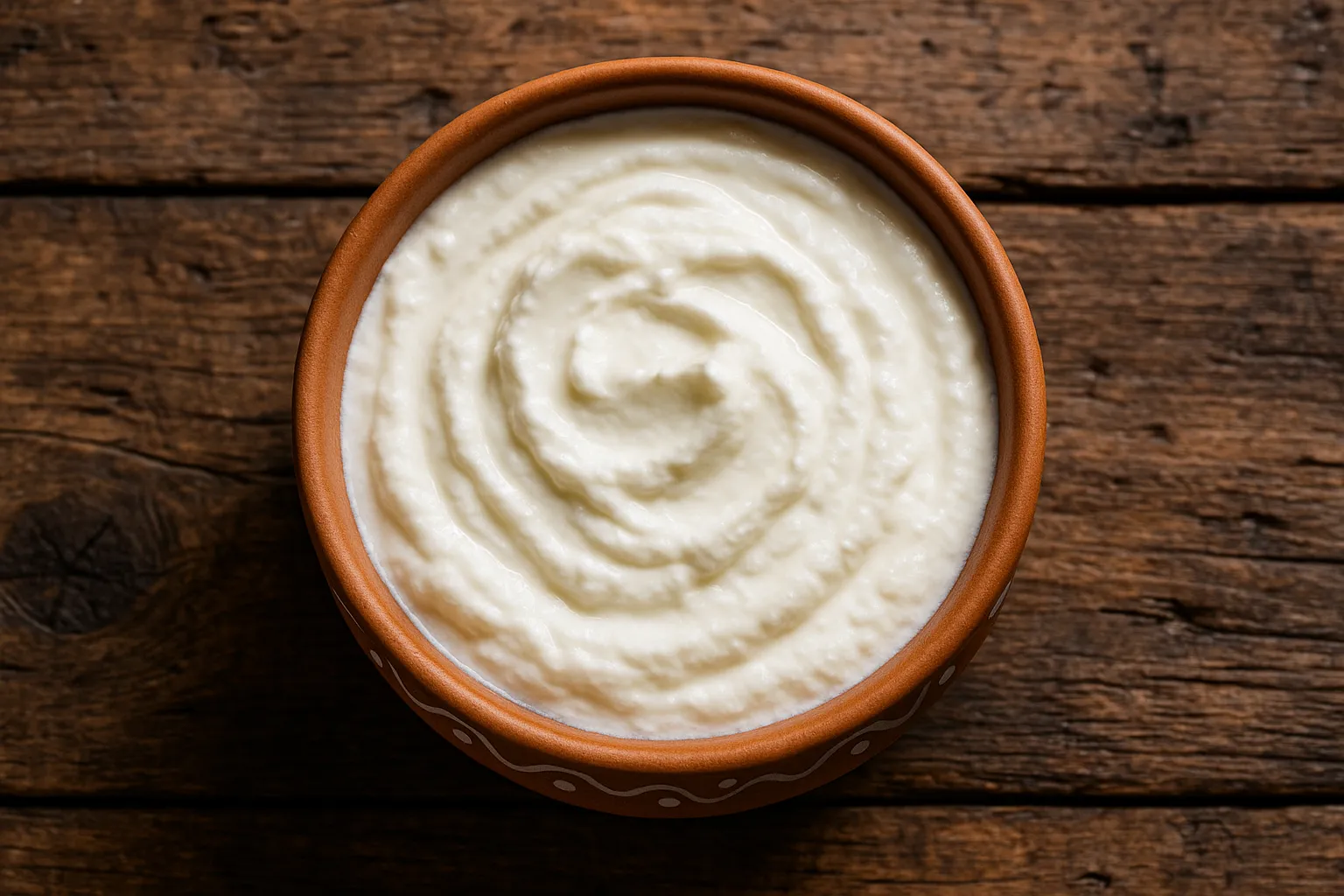
Quick Nutrition Facts
Per 100g (Plain Whole Milk Dahi)
| Nutrient | Amount |
|---|---|
| Calories | 61 kcal |
| Protein | 3.5g |
| Carbohydrates | 4.7g |
| Sugars | 4.7g |
| Fat | 3.3g |
| Calcium | 121mg |
| Phosphorus | 95mg |
| Vitamin B12 | 0.4mcg |
| Riboflavin | 0.14mg |
| Probiotics | Live cultures |
Macronutrient Breakdown
 ChatGPT
  Claude
  AI Mode
  Perplexity
NUTRITIONIST INSIGHT
Dahi provides 12% of daily calcium needs in just 100g. The live probiotic cultures (Lactobacillus, Bifidobacterium) support gut health, immunity, and even mental wellness through the gut-brain axis.
Myth Busters
MYTH #1: Dahi Causes Cough and Cold
TRUTH: This is a common misconception. Scientific research shows no link between yogurt consumption and increased mucus production. In fact, probiotics in dahi boost immunity. Avoid only if you have specific dairy sensitivities.
MYTH #2: Diabetics Should Avoid Dahi Due to Sugar Content
TRUTH: Plain dahi has low GI (36) and actually helps diabetes management. Studies show probiotic yogurt improves fasting blood sugar and HbA1c levels in type 2 diabetes. Choose unsweetened versions and consume 200g daily.
MYTH #3: Dahi Is Only Good for Digestion
TRUTH: Beyond gut health, dahi provides high-quality protein (3.5g per 100g), calcium for bones (121mg), vitamin B12 for nerves and blood, riboflavin for energy, and probiotics that support immunity, skin health, and mental wellness.
MYTH #4: You Should Never Eat Dahi at Night
TRUTH: While Ayurveda suggests avoiding night consumption, there's limited scientific evidence. However, eating cold dahi at night may slow digestion for some. If consuming at night, bring to room temperature and add spices (cumin, black pepper) for better digestion.
MYTH #5: All Dahi Has the Same Probiotic Benefits
TRUTH: Probiotic content varies significantly. Fresh homemade dahi (24-48 hours old) has maximum live cultures. Store-bought may have fewer due to pasteurization. Look for "live and active cultures" label and consume within freshness date.
MYTH #6: Low-Fat Dahi Has No Benefits
TRUTH: Low-fat dahi actually has more protein (5.25g vs 3.5g per 100g) and fewer calories (63 vs 61 kcal). Same probiotic benefits with better macros for weight loss. Full-fat better for vitamin absorption (A, D, K).
NutriScore by Health Goals
| Health Goal | NutriScore | Why This Score? |
|---|---|---|
| Weight Loss |  | Only 61 calories per 100g, high protein (3.5g) promotes satiety, probiotics support metabolism and gut health. |
| Muscle Gain | | Quality protein for recovery, calcium for muscle contraction, probiotics enhance nutrient absorption. Use Greek yogurt or hung curd for 10g protein per 100g. |
| Diabetes Management | | Low GI (36), probiotics improve insulin sensitivity and reduce blood sugar. Consume 200g daily plain without sugar. |
| PCOS Management | | Probiotics reduce inflammation, improve insulin sensitivity, support hormonal balance. Calcium aids ovulation. Choose low-fat versions. |
| Pregnancy Nutrition | | Probiotics reduce gestational diabetes risk, calcium for fetal bone development, protein for tissue growth. 300g daily recommended. |
| Viral/Flu Recovery | | Probiotics strengthen immunity, easy to digest when sick, protein aids recovery, B vitamins boost energy. Room temperature or slightly warm is best. |
PERSONALIZED NUTRITION
Track your meals with NutriScan for personalized NutriScores based on your specific health goals!
Blood Sugar Response to Dahi
Understanding how dahi affects blood glucose demonstrates its exceptional benefits for blood sugar management.
Typical Glucose Response Curve
This chart shows typical blood glucose response for general healthy individuals. Individual responses may vary. Not medical advice.
Natural Blood Sugar Stabilizer
Dahi naturally stabilizes blood sugar through multiple mechanisms:
- 🦠 Probiotics - Improve insulin sensitivity and glucose metabolism
- 🥛 Protein content - Slows carbohydrate absorption
- 🧀 Calcium - Enhances insulin response and fat metabolism
- 🌾 Lactic acid - Slows gastric emptying, reducing glucose spikes
Consuming dahi with high-GI foods (rice, paratha, bread) significantly reduces the meal's glycemic impact, making it an ideal accompaniment for balanced blood sugar.
Cultural Significance
Dahi holds sacred status in Indian culture, dating back over 5,000 years to the Vedic period, mentioned in ancient Ayurvedic texts as a healing food.
In India:
- Essential in Hindu rituals and ceremonies (dahi-shakkar before auspicious events)
- Ayurveda considers dahi cooling (sheeta virya) for body heat balance
- Regional variations: sweet dahi (mishti doi) in Bengal, sour dahi in South India
- Base for raita, lassi, kadhi, and hundreds of traditional preparations
- Offered to deities, especially Lord Krishna who loved dahi
Global Impact:
- Over 200 varieties of fermented dairy worldwide (Greek yogurt, kefir, skyr)
- Ancient cultures independently discovered yogurt (Mesopotamia, Central Asia, Balkans)
- Modern probiotic research validates traditional yogurt health claims
- Global yogurt market exceeds $100 billion, driven by health benefits
Compare & Substitute
Dahi vs Similar Dairy Products (Per 100g)
| Nutrient | 🥄 Dahi (Plain) | 🇬🇷 Greek Yogurt | 🥛 Kefir | 🧀 Paneer |
|---|---|---|---|---|
| Calories | 61 kcal | 59 kcal | 41 kcal | 265 kcal |
| Protein | 3.5g | 10g | 3.3g | 18g |
| Carbs | 4.7g | 3.6g | 4.5g | 1.2g |
| Fat | 3.3g | 0.4g (low-fat) | 0.9g | 20g |
| Calcium | 121mg | 110mg | 120mg | 208mg |
| Probiotics | Lactobacillus | Lactobacillus (strained) | 30+ bacterial strains | None (heat-treated) |
| Best For | Everyday gut health, Indian meals | High protein needs, muscle gain | Maximum probiotic diversity | High protein, low carb |
Frequently Asked Questions
Is dahi good for weight loss?
Yes, dahi is excellent for weight loss when consumed correctly. At only 61 calories per 100g with 3.5g protein, it provides satiety with minimal calories.
Weight loss benefits: Probiotics support healthy gut bacteria that influence metabolism and fat storage; protein reduces appetite and increases calorie burning; calcium aids fat breakdown.
Best practices: Choose plain, low-fat dahi (not flavored/sweetened); consume 200-300g daily; use as snack or meal accompaniment; pair with fruits or vegetables; avoid sugar, honey, or heavy toppings.
For maximum weight loss results, opt for Greek yogurt (10g protein per 100g) or hung curd (chakka) for concentrated protein with less whey.
Can diabetics eat dahi?
Absolutely! Dahi is one of the best foods for diabetes management with its low glycemic index (GI 36) and proven blood sugar benefits.
Diabetes benefits: Probiotic yogurt consumption significantly reduces fasting blood sugar and HbA1c levels in type 2 diabetes; improves insulin sensitivity; reduces inflammation markers.
Best practices: Consume 200g daily plain (no sugar); pair with meals to reduce overall glycemic impact; choose probiotic-rich homemade or cultured varieties; monitor blood sugar response initially.
Always consult your healthcare provider for personalized diabetes management advice.
How much protein is in dahi?
Protein content varies by type:
- Plain whole milk dahi: 3.5g per 100g
- Low-fat dahi: 5.25g per 100g
- Greek yogurt: 10g per 100g
- Hung curd (chakka): 8-10g per 100g
To boost protein intake: Strain homemade dahi to make hung curd; choose Greek yogurt; add protein powder (unflavored) to dahi smoothies; pair with nuts or seeds.
For muscle gain or high-protein diets, aim for Greek yogurt or hung curd providing 20-30g protein per 200-300g serving.
What are the main health benefits of dahi?
Key Benefits:
- Gut Health: Probiotics (Lactobacillus, Bifidobacterium) restore healthy gut bacteria, improve digestion
- Immunity: Probiotics strengthen immune response, reduce infection risk
- Bone Health: 121mg calcium (12% DV) + vitamin K for bone density
- Diabetes Control: Low GI, improves insulin sensitivity, reduces blood sugar
- Weight Management: High satiety, metabolism support, fat breakdown
- Mental Wellness: Gut-brain axis benefits, probiotics reduce anxiety and depression
- Skin Health: Probiotics reduce acne, vitamin B2 improves skin texture
When is the best time to eat dahi?
Traditional Ayurvedic timing:
- Best time: Lunch (12-3 PM) when digestive fire (agni) is strongest
- Avoid: Dinner or night (Ayurveda considers it kapha-increasing, may cause congestion)
Modern fitness approach:
- Morning (8-10 AM): With breakfast for protein and probiotics
- Pre-workout (1-2 hours before): Quick protein, easy digestion
- Post-workout (within 30 minutes): Protein for recovery, probiotics for immunity
- Snack time (4-5 PM): Satisfying protein snack preventing evening overeating
Diabetes/PCOS: With main meals to reduce glycemic impact of carbohydrates.
Is homemade dahi better than store-bought?
Yes, homemade dahi generally offers superior nutritional benefits:
Homemade Advantages:
- More active probiotics: Fresh cultures (24-48 hours old) have maximum live bacteria
- No additives: Free from stabilizers, thickeners, added sugars, preservatives
- Customizable: Control fat content (full-fat, low-fat, skim milk)
- Cost-effective: Significantly cheaper per serving
- Quality control: Know exact ingredients and fermentation time
Store-bought when useful: Convenience; specific probiotic strains (check "live and active cultures" label); Greek yogurt (concentrated protein); traveling or time constraints.
Tip: If buying store-bought, use as starter culture for homemade dahi to get best of both worlds.
How much dahi should I eat per day?
General Guidelines:
- 100-200g daily - General health, probiotic maintenance (most people)
- 200-300g daily - Weight loss, diabetes management, muscle gain
- 300-400g daily - Pregnancy, intensive fitness training, therapeutic probiotic dose
Specific goals:
- Weight Loss: 200g low-fat dahi, replace one snack
- Diabetes: 200g plain dahi with lunch, reduces glycemic load
- Muscle Gain: 300g Greek yogurt post-workout
- Gut Health: 150-200g daily for probiotic benefits
Avoid excess: More than 500g daily may cause digestive discomfort, excess calcium, or lactose intolerance symptoms in sensitive individuals.
Track with NutriScan app to see how dahi fits your personal nutrition goals.
Can I eat dahi if I'm lactose intolerant?
Many lactose-intolerant individuals can tolerate dahi better than milk due to fermentation:
Why dahi may work:
- Reduced lactose: Fermentation breaks down 20-30% of lactose
- Active cultures: Lactobacillus bacteria produce lactase enzyme, helping digest remaining lactose
- Slower digestion: Thick consistency slows lactose absorption
Best practices: Start with small amounts (50g); choose well-fermented, sour dahi (more lactose broken down); opt for Greek yogurt or hung curd (strained, less lactose); look for lactose-free yogurt brands.
Warning signs: Bloating, gas, diarrhea within 30 minutes to 2 hours indicates intolerance. Consider plant-based alternatives (coconut yogurt, almond yogurt) or lactase supplements.


Similar Nutritious Foods
4505 Chicharrones Classic Chili Salt
7 Eleven Japan Crispy Corn Cheese
Explore More Nutrition Tools & Resources
AI Calorie Counter App - Snap a Photo, Get Macros
AI Nutritionist App That Reads Your Logged Meals
Best Protein Supplements for Women
Bulking Meal Plan App That Sets Your Surplus
ChatGPT Calorie Counter Alternative That Keeps the Total
ChatGPT Diet Plan Alternative That Tracks What You Eat
ChatGPT Weight Loss Coach Alternative With a Food Log
Fast Food Calorie Counter App That Reads the Tray
Free Calorie Tracker App with AI Photo Scans | NutriScan
Indian Diet Plan App With Veg and Non Veg Meals
Indian Food Calorie Calculator - Get Instant Nutrition Facts for Desi Meals — 2026
Intermittent Fasting for Women, Timer and Meal Log App
Intermittent Fasting Tracker App - Free Fasting Timer
Macro Tracker App That Fills the Numbers From a Photo
Mediterranean Diet Meal Plan App That Counts the Oil
Micronutrient Tracker App for Vitamins and Minerals
MyFitnessPal Alternative That Stays Free | NutriScan
NutriScore App: A Free Grade on Every Meal | NutriScan
Nutrition Label Scanner App for the Amount You Ate
Second Trimester Protein Guide
Vegetarian Meal Plan App With a Protein Target
Voice Calorie Counter - Speak to Track Meals Hands-Free
Water and Calorie Tracker App - Free Water Log