Green Bell Pepper: Calories, Nutrition and Health Benefits
The ultimate low-calorie vegetable packed with vitamin C, antioxidants, and essential nutrients for every health goal.
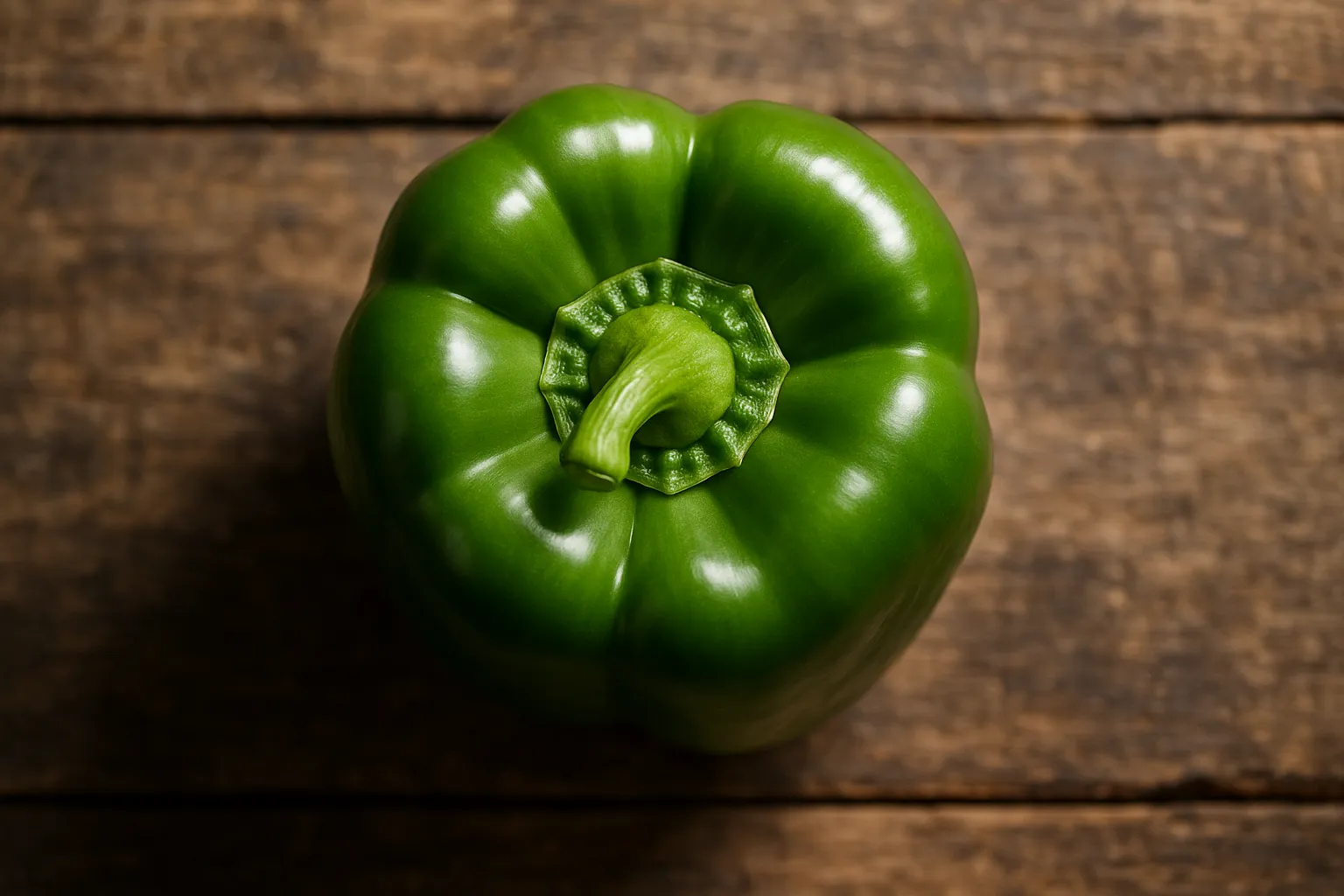
Quick Nutrition Facts
Per 1 Medium Bell Pepper (119g)
| Nutrient | Amount |
|---|---|
| Calories | 24 kcal |
| Protein | 1.1g |
| Carbohydrates | 5.5g |
| Fiber | 2.0g |
| Sugars | 2.9g |
| Fat | 0.2g |
| Vitamin C | 95mg |
| Vitamin A | 370 IU |
| Vitamin K | 8.8µg |
| Potassium | 208mg |
Macronutrient Breakdown
 ChatGPT
  Claude
  AI Mode
  Perplexity
NUTRITIONIST INSIGHT
Green bell peppers deliver 100%+ of your daily vitamin C needs in just 24 calories. The combination of antioxidants and fiber supports immunity, digestion, and weight management with virtually no calories.
Myth Busters
MYTH #1: Green Peppers Are Just Unripe Red Peppers with No Nutritional Value
TRUTH: While green peppers are harvested earlier, they're nutritionally distinct and valuable. They contain unique antioxidant profiles with high chlorophyll content and more vitamin K than ripe peppers. Green peppers are not inferior, just different.
MYTH #2: Green Bell Peppers Cause Gas and Should Be Avoided
TRUTH: While green peppers contain some fermentable fibers, most people tolerate them well. If you experience bloating, cooking the peppers breaks down fibers, making them easier to digest. Start with cooked peppers and gradually introduce raw ones.
MYTH #3: Bell Peppers Have No Protein Value
TRUTH: Though not a primary protein source, bell peppers contribute quality amino acids and are excellent protein meal companions. Their vitamin C content enhances iron absorption from plant-based proteins like lentils and beans.
MYTH #4: You Should Peel Bell Peppers for Better Digestion
TRUTH: The skin contains the highest concentration of antioxidants and fiber. Most nutrients, including vitamin C and carotenoids, are concentrated in the skin. Washing thoroughly is sufficient; peeling removes valuable nutrients.
MYTH #5: Frozen Bell Peppers Lose All Nutritional Value
TRUTH: Flash-frozen peppers retain most nutrients, especially if frozen shortly after harvest. While vitamin C decreases slightly (10-20%), frozen peppers are convenient and nutritious, often superior to "fresh" peppers stored for weeks.
MYTH #6: Green Bell Peppers Are Too Acidic for Daily Consumption
TRUTH: Green bell peppers are actually alkaline-forming in the body despite their slightly acidic taste. They have a pH of around 5.2-5.9 and are safe for daily consumption, even for those with acid reflux when consumed in moderation.
NutriScore by Health Goals
| Health Goal | NutriScore | Why This Score? |
|---|---|---|
| Weight Loss |  | Only 24 calories, 2g fiber, high water content (94%) promotes fullness. Can eat unlimited quantities. |
| Muscle Gain |  | Low calories but excellent micronutrient support. Vitamin C aids collagen synthesis for muscle repair. |
| Diabetes Management | | Extremely low GI (15-32), minimal carbs (5.5g), rich in antioxidants. Perfect for blood sugar control. |
| PCOS Management | | Anti-inflammatory antioxidants, low glycemic impact, supports hormone balance. |
| Pregnancy Nutrition | | Rich in vitamin C (95mg) and folate for fetal development, safe and highly nutritious during pregnancy. |
| Viral/Flu Recovery | | Exceptional vitamin C content (100%+ DV) boosts immune system, antioxidants fight oxidative stress. |
PERSONALIZED NUTRITION
Track your meals with NutriScan for personalized NutriScores based on your specific health goals!
Blood Sugar Response to Green Bell Pepper
Understanding how green bell peppers affect your blood glucose shows why they're ideal for diabetics and weight management.
Typical Glucose Response Curve
*This chart shows typical blood glucose response for general healthy individuals. Individual responses may vary. Not medical advice.*
How to Maximize Nutritional Benefits
Green bell peppers pair excellently with protein and healthy fats for complete meal nutrition:
- 🥩 Grilled chicken or paneer - Complete protein meals with peppers
- 🫘 Hummus or bean dip - Plant-based protein and fiber boost
- 🥚 Scrambled eggs with peppers - Vitamin C enhances iron absorption
- 🥗 Mixed vegetable stir-fry - Diverse antioxidant profile
This combination creates satisfying, nutrient-dense meals with minimal calories, ideal for weight loss and diabetes management.
Cultural Significance
Bell peppers originated in Central and South America over 9,000 years ago, introduced to Europe by Christopher Columbus in the 15th century.
In India:
- Introduced during colonial period, now staple in Indo-Chinese cuisine
- Known as "Shimla Mirch" (Shimla pepper), named after the hill station
- Essential ingredient in paneer tikka, vegetable jalfrezi, and fried rice
- Grown extensively in Karnataka, Himachal Pradesh, and Maharashtra
- Used in both raw (salads) and cooked (curries, stir-fries) preparations
Global Impact:
- Fourth most consumed vegetable globally
- China produces 50% of world's bell peppers
- Available in green, red, yellow, orange varieties (same species, different ripeness)
- Important source of vitamins A and C in global nutrition
Compare & Substitute
Green Bell Pepper vs Similar Vegetables (Per 100g)
| Nutrient | 🌶️ Green Pepper | 🌶️ Red Pepper | 🥒 Cucumber | 🥦 Broccoli |
|---|---|---|---|---|
| Calories | 20 kcal | 31 kcal | 15 kcal | 34 kcal |
| Carbs | 4.6g | 6g | 3.6g | 7g |
| Fiber | 1.7g | 2.1g | 0.5g | 2.6g |
| Protein | 0.9g | 1g | 0.7g | 2.8g |
| Fat | 0.2g | 0.3g | 0.1g | 0.4g |
| Vitamin C | 80mg | 128mg | 2.8mg | 89mg |
| Vitamin A | 370 IU | 3131 IU | 105 IU | 623 IU |
| Sugar | 2.4g | 4.2g | 1.7g | 1.7g |
| Best For | Weight loss, vitamin C | Antioxidants, vitamin A | Hydration, low-calorie | Protein, complete nutrition |
Frequently Asked Questions
Are green bell peppers good for weight loss?
Yes, green bell peppers are exceptional for weight loss. A medium pepper has only 24 calories but provides 2g of fiber and 94% water content that promotes fullness. You can eat virtually unlimited quantities without calorie concerns.
Best practices: Add to salads, stir-fries, and snacks; eat raw with hummus; include in breakfast scrambles; use as crunchy low-calorie filler in any meal.
Can diabetics eat green bell peppers?
Absolutely. Green bell peppers are ideal for diabetics with extremely low glycemic index (15-32) and only 5.5g carbs per medium pepper.
Tips for diabetics:
- Eat unlimited quantities without blood sugar concerns
- Pair with protein for balanced meals
- Best timing: anytime throughout the day
- Both raw and cooked are excellent options
Green peppers' high fiber and low carb content make them safe for unrestricted consumption in diabetes management.
How much vitamin C is in a green bell pepper?
A medium green bell pepper contains 95mg of vitamin C (100%+ of daily value). This makes it one of the richest vitamin C sources, comparable to oranges but with far fewer calories and sugars.
For immune support and collagen synthesis, just one medium pepper daily provides complete vitamin C needs.
What are the main health benefits of green bell peppers?
Key Benefits:
- Immune Support: 95mg vitamin C (100%+ DV) strengthens immunity
- Eye Health: Vitamin A and carotenoids protect vision
- Weight Management: 24 calories with high satiety
- Antioxidant Protection: Flavonoids and carotenoids fight oxidative stress
- Digestive Health: 2g fiber supports regular bowel movements
- Blood Sugar Control: Very low GI with minimal carbs
- Anti-Inflammatory: Compounds reduce chronic inflammation
When is the best time to eat green bell peppers?
Green bell peppers can be eaten anytime:
- Weight Loss: Include in lunch and dinner for volume without calories
- Muscle Gain: Post-workout in salads for vitamin C and recovery support
- Diabetes: Perfect anytime snack or meal component
- General Health: Raw mid-morning or afternoon for maximum vitamin C
IMPORTANT NOTE
Raw peppers preserve more vitamin C; cooking reduces vitamin C by up to 25% but enhances digestibility.
Are raw or cooked green bell peppers healthier?
Both have unique benefits - choose based on your needs:
Raw Green Bell Peppers:
- Maximum vitamin C content (95mg per medium pepper)
- Crisp, crunchy texture
- Better for weight loss (more filling)
- Ideal for salads and dipping
Cooked Green Bell Peppers:
- Easier to digest
- Better absorption of certain carotenoids
- Softer texture for sensitive stomachs
- Versatile in curries and stir-fries
Recommendation: Mix both raw and cooked preparations for complete nutritional benefits and dietary variety.
How many green bell peppers should I eat per day?
General Guidelines:
- 1-2 medium peppers daily - Most people (only 24-48 calories)
- Unlimited - Weight loss or low-calorie diets
- 1-2 peppers daily - Diabetes, PCOS (minimal carb impact)
- 2-3 peppers daily - Athletes, pregnancy (high vitamin C needs)
Excess consumption: Generally safe even in large quantities; may cause mild digestive discomfort in sensitive individuals if eating 5+ peppers raw.
Track your meals with NutriScan app to see how green bell peppers fit your personal nutrition goals.
Can I eat green bell peppers on an empty stomach?
Generally safe for most people - provides vitamins with minimal calories and is gentle on digestion.
May want to moderate if you have:
- Acid Reflux/GERD: Some people experience discomfort with raw peppers
- IBS: Raw peppers may cause gas; try cooked peppers first
- Sensitive Stomach: Start with cooked peppers, gradually introduce raw
Better approach: Pair with protein (eggs, paneer, chicken) or healthy fat (hummus, nuts) for better nutrient absorption and sustained energy.




Similar Nutritious Vegetables
4505 Chicharrones Classic Chili Salt
7 Eleven Japan Crispy Corn Cheese
Explore More Nutrition Tools & Resources
AI Calorie Counter App - Snap a Photo, Get Macros
AI Nutritionist App That Reads Your Logged Meals
Best Protein Supplements for Women
Bulking Meal Plan App That Sets Your Surplus
ChatGPT Calorie Counter Alternative That Keeps the Total
ChatGPT Diet Plan Alternative That Tracks What You Eat
ChatGPT Weight Loss Coach Alternative With a Food Log
Fast Food Calorie Counter App That Reads the Tray
Free Calorie Tracker App with AI Photo Scans | NutriScan
Indian Diet Plan App With Veg and Non Veg Meals
Indian Food Calorie Calculator - Get Instant Nutrition Facts for Desi Meals — 2026
Intermittent Fasting for Women, Timer and Meal Log App
Intermittent Fasting Tracker App - Free Fasting Timer
Macro Tracker App That Fills the Numbers From a Photo
Mediterranean Diet Meal Plan App That Counts the Oil
Micronutrient Tracker App for Vitamins and Minerals
MyFitnessPal Alternative That Stays Free | NutriScan
NutriScore App: A Free Grade on Every Meal | NutriScan
Nutrition Label Scanner App for the Amount You Ate
Second Trimester Protein Guide
Vegetarian Meal Plan App With a Protein Target
Voice Calorie Counter - Speak to Track Meals Hands-Free
Water and Calorie Tracker App - Free Water Log