Jeera Millets: Calories, Nutrition and Health Benefits
Ancient Indian super grain seasoned with aromatic cumin—gluten-free, low GI, and perfect for diabetes management and sustainable energy.
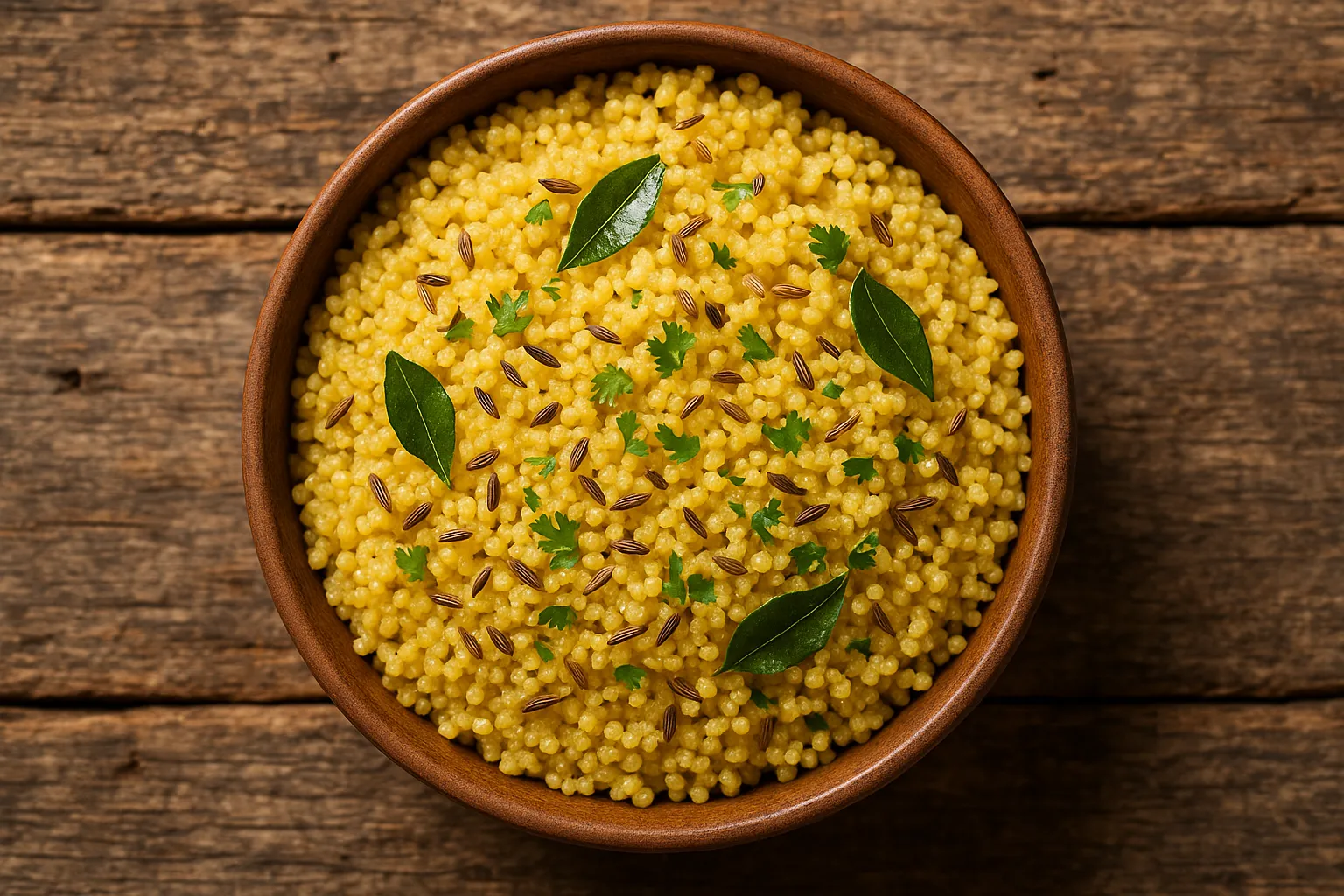
Quick Nutrition Facts
Per 1 Cup Cooked (185g)
| Nutrient | Amount |
|---|---|
| Calories | 207 kcal |
| Protein | 6g |
| Carbohydrates | 41g |
| Fiber | 2.3g |
| Sugars | 0.4g |
| Fat | 1.7g |
| Magnesium | 77mg |
| Phosphorus | 174mg |
| Iron | 1.1mg |
| Potassium | 108mg |
Macronutrient Breakdown
 ChatGPT
  Claude
  AI Mode
  Perplexity
NUTRITIONIST INSIGHT
Jeera millets combine the blood sugar benefits of millets (low GI 50-70) with cumin's digestive properties. The resistant starch and fiber support gut health while providing sustained energy without glucose spikes.
Myth Busters
MYTH #1: Millets Are Difficult to Digest
TRUTH: Cooked millets are easier to digest than wheat. The fermentation or roasting before cooking improves digestibility. Jeera (cumin) further aids digestion, making this dish stomach-friendly.
MYTH #2: Millets Lack Protein
TRUTH: While not a complete protein, millets provide 6g per cup—50% more than white rice. Combined with dal creates complete amino acid profile. Superior to refined grains.
MYTH #3: Millets Are Only for Diabetics
TRUTH: Everyone benefits from millets—athletes for sustained energy, pregnant women for iron and folate, weight watchers for fiber and low calories. Not just a "diabetic food."
MYTH #4: Millets Are Old-Fashioned and Tasteless
TRUTH: Jeera millets are aromatic and flavorful. Modern recipes make millets as tasty as any grain. The cumin seasoning adds depth, and millets absorb flavors beautifully.
MYTH #5: Millets Cause Thyroid Problems
TRUTH: Only raw, unprocessed millets in extreme excess may affect thyroid. Cooking deactivates goitrogens. Normal consumption (1-2 cups daily) is safe for thyroid health.
MYTH #6: Millets Are Expensive
TRUTH: Millets cost similar to or less than quinoa and specialty grains. Locally grown Indian millets (bajra, jowar, ragi) are affordable. Nutritional density provides excellent value.
NutriScore by Health Goals
| Health Goal | NutriScore | Why This Score? |
|---|---|---|
| Weight Loss |  | Only 207 calories per cup, 2.3g fiber promotes fullness, low GI prevents hunger crashes. Ideal rice substitute. |
| Muscle Gain |  | 6g protein plus 41g complex carbs for sustained energy during workouts. Rich in magnesium (77mg) for muscle function. |
| Diabetes Management | | Low to medium GI (50-70) causes gradual blood sugar rise. Better than white rice (GI 73) for glucose control. |
| PCOS Management | | Low GI helps manage insulin resistance, key factor in PCOS. Magnesium supports hormone balance. Gluten-free reduces inflammation. |
| Pregnancy Nutrition | | Iron (1.1mg) prevents anemia, folate supports fetal development, easily digestible energy. |
| Viral/Flu Recovery | | Easy to digest, provides sustained energy without taxing digestion. Cumin's antimicrobial properties support immunity. |
PERSONALIZED NUTRITION
Track your meals with NutriScan for personalized NutriScores based on your specific health goals!
Blood Sugar Response to Jeera Millets
Understanding how jeera millets affect your blood glucose helps you appreciate why they're superior to white rice for metabolic health.
Typical Glucose Response Curve
This chart shows typical blood glucose response for general healthy individuals. Individual responses may vary. Not medical advice.
How to Flatten the Spike
Pairing millets with protein and healthy fats creates balanced, sustained energy release:
- 🥘 Dal (lentils) - Complete protein when combined with millets
- 🥗 Vegetable curry - Fiber slows glucose absorption
- 🥛 Curd (dahi) or buttermilk - Probiotics and protein
- 🥑 Ghee or nuts - Healthy fats extend energy release
This traditional Indian meal combination is scientifically optimal for blood sugar control.
Cultural Significance
Millets are among humanity's oldest cultivated grains, domesticated over 10,000 years ago in India and Africa.
In India:
- Sacred grains mentioned in Yajurveda (ancient Hindu texts)
- Traditional staples across Karnataka, Rajasthan, Gujarat
- Ayurveda praises millets for balancing Vata and Kapha doshas
- UN declared 2023 as International Year of Millets (India's initiative)
- Major varieties: Bajra (pearl millet), Jowar (sorghum), Ragi (finger millet)
Jeera (Cumin) Addition:
- Cumin used in Indian cooking for 5,000+ years
- Aids digestion, reduces bloating, adds aromatic flavor
- Combination makes millets more palatable for modern tastes
Global Revival:
- Recognized as climate-resilient crops (drought-tolerant)
- Gluten-free alternative for celiac community
- Sustainable farming with minimal water needs
Compare & Substitute
Jeera Millets vs Similar Grains (Per 100g Cooked)
| Nutrient | 🌾 Jeera Millets | 🍚 White Rice | 🌾 Brown Rice | 🌾 Quinoa |
|---|---|---|---|---|
| Calories | 119 kcal | 130 kcal | 112 kcal | 120 kcal |
| Carbs | 23.7g | 28.2g | 23.5g | 21.3g |
| Fiber | 1.3g | 0.4g | 1.8g | 2.8g |
| Protein | 3.5g | 2.7g | 2.6g | 4.4g |
| Fat | 1g | 0.3g | 0.9g | 1.9g |
| Magnesium | 44mg | 12mg | 43mg | 64mg |
| Iron | 0.6mg | 0.2mg | 0.5mg | 1.5mg |
| GI | 50-70 | 73 | 68 | 53 |
| Best For | Diabetes, PCOS, weight management | Quick cooking, high energy needs | Heart health, fiber needs | Protein boost, gluten-free |
Frequently Asked Questions
Are jeera millets good for weight loss?
Yes, jeera millets are excellent for weight loss. With only 207 calories per cup and 2.3g fiber, they promote satiety and reduce overall calorie intake. The low glycemic index prevents blood sugar crashes that trigger hunger.
Best practices: Replace white rice with millets in 1-2 meals daily; combine with vegetables and protein; eat mindful portions (1 cup per meal).
Can diabetics eat jeera millets?
Absolutely—jeera millets are one of the best grain choices for diabetics. The low to medium GI (50-70) causes gradual blood sugar rise compared to white rice (GI 73).
Tips for diabetics:
- Measure portions consistently (1 cup cooked)
- Always pair with protein and vegetables
- Best timing: lunch or early dinner, not late night
- Monitor blood sugar 2 hours after eating
Multiple studies confirm millets improve glycemic control when replacing refined grains.
How much protein is in jeera millets?
One cup of cooked jeera millets contains 6g of protein—about 50% more than white rice (4g per cup).
While not a complete protein source alone, combining millets with dal or beans creates a complete amino acid profile perfect for vegetarian diets. For muscle gain, add paneer, eggs, or chicken to your millet meal.
What are the main health benefits of jeera millets?
Key Benefits:
- Blood Sugar Control: Low GI prevents glucose spikes; excellent for diabetes and PCOS
- Digestive Health: Fiber supports regularity; cumin reduces bloating
- Heart Health: Magnesium and low sodium support cardiovascular function
- Weight Management: Low calorie density and high satiety
- Gluten-Free: Safe for celiac disease and gluten sensitivity
- Sustainable Energy: Complex carbs provide steady fuel without crashes
Are millets better than rice for health?
Yes, millets are nutritionally superior to white rice in most aspects:
- Lower GI: 50-70 vs 73 (better blood sugar control)
- More Fiber: 2.3g vs 0.6g per cup (digestive health)
- Higher Protein: 6g vs 4g per cup (satiety)
- Richer Minerals: More magnesium, iron, phosphorus
- Gluten-Free: Naturally celiac-safe
When rice might be better: Athletes needing quick energy; post-workout recovery (faster glucose delivery).
Recommendation: Replace white rice with millets in 1-2 daily meals for health benefits while maintaining culinary variety.
Can I eat jeera millets daily?
Yes, you can eat jeera millets daily as a staple grain. Recommended intake is 1-2 cups cooked per day as part of balanced meals.
Daily consumption tips:
- Rotate with other millet varieties (ragi, jowar, bajra) for nutritional diversity
- Combine with variety of vegetables, proteins, healthy fats
- Stay hydrated—fiber needs adequate water
- If you have thyroid condition, consult doctor (though cooked millets are generally safe)
Track your meals with NutriScan app to ensure balanced nutrition with optimal millet portions.
How do I cook jeera millets?
Basic Method:
- Rinse 1 cup dry millets in water
- Heat 1 tbsp oil/ghee, add 1 tsp cumin seeds
- Add rinsed millets, sauté 2 minutes
- Add 2.5 cups water, salt to taste
- Pressure cook for 3 whistles or simmer covered for 20-25 minutes
- Fluff with fork, garnish with coriander
Pro tips: Toast dry millets before cooking for nuttier flavor; add curry leaves, green chilies for extra taste.
Do millets cause thyroid problems?
No, properly cooked millets do not cause thyroid problems for most people. While raw millets contain goitrogens, cooking neutralizes these compounds.
Facts:
- Normal consumption (1-2 cups daily) is safe
- Only raw, unprocessed excess intake may affect thyroid
- People with existing hypothyroidism should consult healthcare provider
- Ensure adequate iodine intake (iodized salt, seafood, dairy)
Modern research confirms cooked millets are safe and beneficial for general population.


Similar Nutritious Grains
4505 Chicharrones Classic Chili Salt
7 Eleven Japan Crispy Corn Cheese
Explore More Nutrition Tools & Resources
AI Calorie Counter App - Snap a Photo, Get Macros
AI Nutritionist App That Reads Your Logged Meals
Best Protein Supplements for Women
Bulking Meal Plan App That Sets Your Surplus
ChatGPT Calorie Counter Alternative That Keeps the Total
ChatGPT Diet Plan Alternative That Tracks What You Eat
ChatGPT Weight Loss Coach Alternative With a Food Log
Fast Food Calorie Counter App That Reads the Tray
Free Calorie Tracker App with AI Photo Scans | NutriScan
Indian Diet Plan App With Veg and Non Veg Meals
Indian Food Calorie Calculator - Get Instant Nutrition Facts for Desi Meals — 2026
Intermittent Fasting for Women, Timer and Meal Log App
Intermittent Fasting Tracker App - Free Fasting Timer
Macro Tracker App That Fills the Numbers From a Photo
Mediterranean Diet Meal Plan App That Counts the Oil
Micronutrient Tracker App for Vitamins and Minerals
MyFitnessPal Alternative That Stays Free | NutriScan
NutriScore App: A Free Grade on Every Meal | NutriScan
Nutrition Label Scanner App for the Amount You Ate
Second Trimester Protein Guide
Vegetarian Meal Plan App With a Protein Target
Voice Calorie Counter - Speak to Track Meals Hands-Free
Water and Calorie Tracker App - Free Water Log