Kefir Gut Shot: Calories, Nutrition and Health Benefits
A potent probiotic powerhouse with 30+ beneficial strains, supporting gut health, digestion, and immunity in a convenient low-calorie shot.
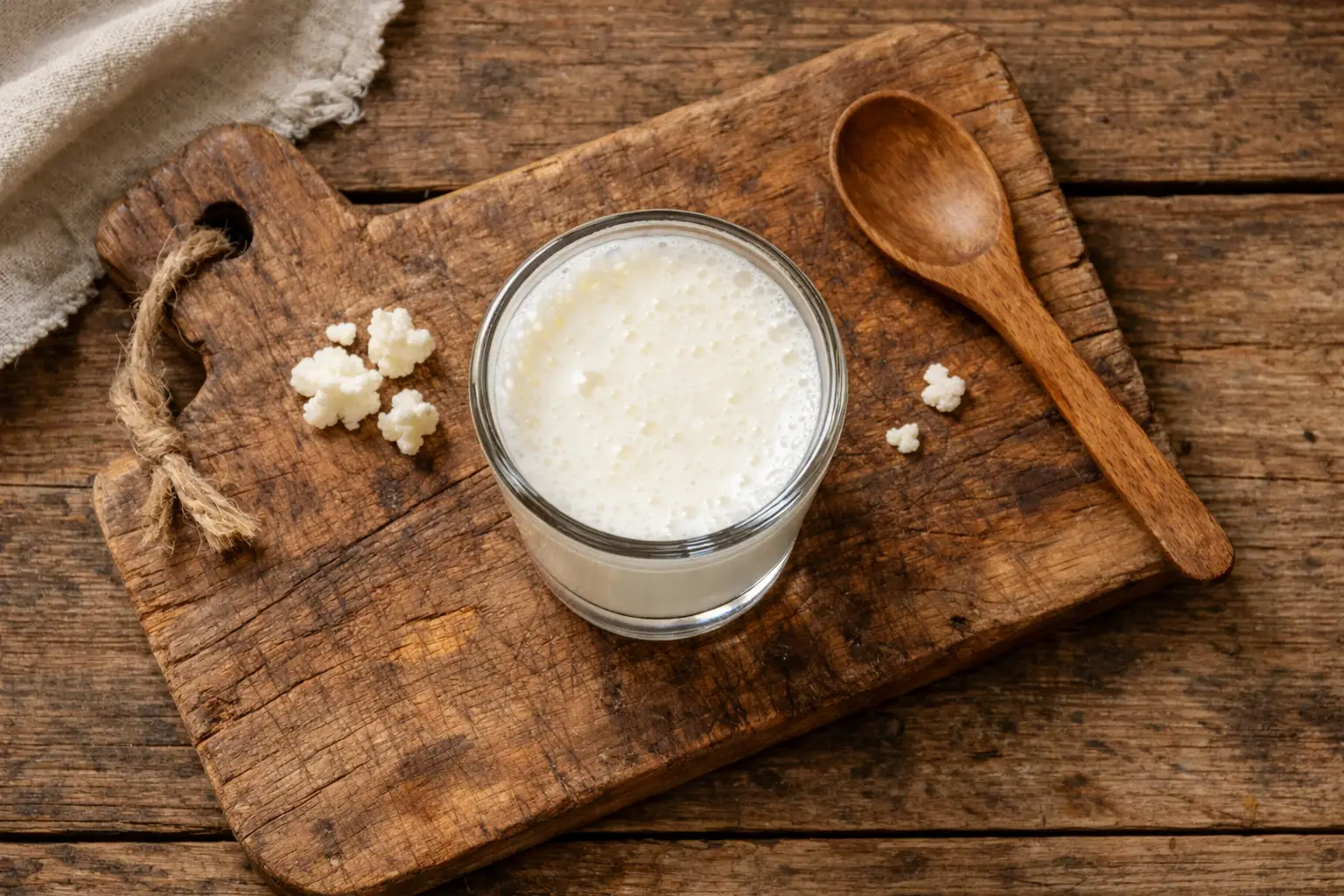
Quick Nutrition Facts
Per 1 Kefir Gut Shot (100ml)
| Nutrient | Amount |
|---|---|
| Calories | 41 kcal |
| Protein | 3.8g |
| Carbohydrates | 4.5g |
| Fiber | 0g |
| Sugars | 4.6g |
| Fat | 0.9g |
| Calcium | 130mg |
| Vitamin A | 171mcg |
| Vitamin B12 | 0.29mcg |
| Potassium | 164mg |
Macronutrient Breakdown
 ChatGPT
  Claude
  AI Mode
  Perplexity
NUTRITIONIST INSIGHT
Kefir contains 30+ probiotic strains compared to yogurt's 2-5 strains, making it one of the most potent natural sources of beneficial bacteria. The low glycemic index (GI 36) makes it suitable for blood sugar management.
Myth Busters
MYTH #1: Kefir Is Just Fancy Yogurt
TRUTH: Kefir contains significantly more probiotic diversity than yogurt. While yogurt has 2-5 strains, kefir provides 30+ bacterial and yeast strains that can colonize the gut more effectively.
MYTH #2: Lactose Intolerant People Can't Drink Kefir
TRUTH: Kefir is often well-tolerated by lactose-intolerant individuals. The fermentation process breaks down most lactose, and kefir's probiotics help digest remaining lactose.
MYTH #3: All Probiotics Are the Same
TRUTH: Different probiotic strains have different benefits. Kefir's unique combination of bacteria AND beneficial yeasts provides broader gut support than single-strain supplements or other fermented foods.
MYTH #4: You Need to Drink Large Amounts for Benefits
TRUTH: Even small amounts (100ml daily) can positively impact gut microbiota. Regular consumption modulates intestinal microbiota composition and prevents excessive intestinal permeability.
MYTH #5: Kefir Is High in Sugar
TRUTH: Plain kefir has only 4.6g natural lactose sugar per 100ml. This is less than milk and significantly less than flavored yogurts. The fermentation process reduces sugar content.
NutriScore by Health Goals
| Health Goal | NutriScore | Why This Score? |
|---|---|---|
| Weight Loss |  | Only 41 calories per 100ml, high protein promotes satiety, probiotics support metabolism. |
| Muscle Gain |  | 3.8g complete protein per shot, calcium supports muscle function, easily digestible. |
| Diabetes Management | | Low GI (36), studies show kefir reduces fasting blood glucose compared to regular fermented milk. |
| PCOS Management | | Low sugar, probiotics may help with inflammation, supports insulin sensitivity. |
| Pregnancy Nutrition | | Rich in calcium (130mg), B12, folate; probiotics safe and may reduce preeclampsia risk when consumed in late pregnancy. |
| Viral/Flu Recovery | | Probiotics boost immunity, easy to digest, provides protein and hydration for recovery. |
PERSONALIZED NUTRITION
Track your meals with NutriScan for personalized NutriScores based on your specific health goals!
Blood Sugar Response to Kefir
Understanding how kefir affects your blood glucose can help you make informed decisions about when and how to consume it.
Typical Glucose Response Curve
This chart shows typical blood glucose response for general healthy individuals. Individual responses may vary. Not medical advice.
How to Optimize Gut Benefits
Consuming kefir with prebiotic foods enhances probiotic colonization and gut health benefits:
- Oats or whole grains - Prebiotic fiber feeds probiotics
- Bananas or berries - Natural prebiotics support beneficial bacteria
- Garlic or onions - Contains inulin that enhances probiotic survival
- On empty stomach - Allows probiotics to reach intestines faster
This combination supports maximum probiotic colonization and long-term gut health benefits.
Cultural Significance
Kefir originated in the Caucasus Mountains over 2,000 years ago, where it was considered a gift from the gods.
In Eastern Europe & Russia:
- Traditional health tonic passed down through generations
- Kefir grains were treasured family heirlooms
- Used in folk medicine for digestive ailments
- Russia remains the largest kefir consumer globally
Global Impact:
- Now popular in health-conscious communities worldwide
- Growing "gut shot" trend for concentrated probiotic benefits
- Available in dairy, coconut, and water-based versions
- Scientific validation driving mainstream adoption
Compare & Substitute
Kefir vs Similar Probiotic Foods (Per 100g/100ml)
| Nutrient | Kefir | Greek Yogurt | Buttermilk | Kombucha |
|---|---|---|---|---|
| Calories | 41 kcal | 59 kcal | 40 kcal | 17 kcal |
| Carbs | 4.5g | 3.6g | 4.8g | 3.5g |
| Protein | 3.8g | 10g | 3.3g | 0g |
| Fat | 0.9g | 0.7g | 0.9g | 0g |
| Calcium | 130mg | 110mg | 116mg | 0mg |
| Probiotics | 30+ strains | 2-5 strains | Limited | Limited strains |
| GI | 36 (low) | 35 (low) | 35 (low) | Very low |
| Best For | Maximum probiotic diversity | High protein, thick texture | Cooking, lower calories | Caffeine-free, vegan option |
Frequently Asked Questions
Is kefir good for gut health?
Yes, kefir is excellent for gut health. It contains over 30 probiotic strains including bacteria and beneficial yeasts that work synergistically.
Key benefits:
- Modulates gut microbiota composition
- Strengthens intestinal barrier function
- Reduces harmful bacteria overgrowth
- Supports immune function in the gut
Research shows regular kefir consumption can prevent excessive intestinal permeability and support beneficial bacterial populations.
Can diabetics drink kefir?
Diabetics can safely consume kefir. With a low glycemic index of 36, it causes minimal blood sugar spikes.
Tips for diabetics:
- Choose plain, unsweetened kefir
- Consume with meals for better glucose control
- Studies show it may reduce fasting blood sugar
- The probiotics may improve insulin sensitivity
Research indicates kefir consumption decreased fasting blood glucose and HbA1c levels compared to conventional fermented milk.
How much protein is in kefir?
A 100ml kefir gut shot contains 3.8g of protein. This is complete protein from dairy, containing all essential amino acids.
For higher protein needs, combine kefir with protein-rich foods or choose Greek yogurt (10g protein per 100g) as an alternative.
What are the main health benefits of kefir?
Key Benefits:
- Gut Microbiome Support: 30+ probiotic strains improve digestion and nutrient absorption
- Bone Health: 130mg calcium (13% DV) plus vitamin K supports bone density
- Blood Sugar Control: Low GI and probiotics help regulate glucose
- Immune Function: Probiotics strengthen gut-immune connection
- Anti-inflammatory: May reduce systemic inflammation
- Lactose Tolerance: Easier to digest than regular milk
When is the best time to drink kefir?
Depends on your goal:
- Gut Health: Morning on empty stomach (probiotics reach intestines faster)
- Weight Loss: Before meals (increases satiety, reduces calorie intake)
- Diabetes: With meals (slows glucose absorption)
- Muscle Recovery: Post-workout (protein for repair)
IMPORTANT NOTE
If lactose-sensitive, start with small amounts and gradually increase tolerance.
Is kefir better than yogurt?
Both are beneficial, but kefir offers unique advantages:
Kefir advantages:
- More probiotic diversity (30+ vs 2-5 strains)
- Contains beneficial yeasts not in yogurt
- Thinner consistency for drinking
- Often better tolerated by lactose-intolerant individuals
Yogurt advantages:
- Higher protein (Greek yogurt)
- Thicker texture for recipes
- More widely available
For maximum probiotic benefit, kefir is the superior choice.
How many calories are in kefir?
A 100ml kefir gut shot contains 41 calories, making it one of the most nutrient-dense low-calorie probiotic options.
Daily Guidelines:
- 100-200ml daily - General gut health maintenance
- 200-300ml daily - Active probiotic support
- 100ml daily - Weight loss protocols
Track your kefir intake with NutriScan app to optimize your probiotic consumption.


Similar Nutritious Foods
4505 Chicharrones Classic Chili Salt
7 Eleven Japan Crispy Corn Cheese
Explore More Nutrition Tools & Resources
AI Calorie Counter App - Snap a Photo, Get Macros
AI Nutritionist App That Reads Your Logged Meals
Best Protein Supplements for Women
Bulking Meal Plan App That Sets Your Surplus
ChatGPT Calorie Counter Alternative That Keeps the Total
ChatGPT Diet Plan Alternative That Tracks What You Eat
ChatGPT Weight Loss Coach Alternative With a Food Log
Fast Food Calorie Counter App That Reads the Tray
Free Calorie Tracker App with AI Photo Scans | NutriScan
Indian Diet Plan App With Veg and Non Veg Meals
Indian Food Calorie Calculator - Get Instant Nutrition Facts for Desi Meals — 2026
Intermittent Fasting for Women, Timer and Meal Log App
Intermittent Fasting Tracker App - Free Fasting Timer
Macro Tracker App That Fills the Numbers From a Photo
Mediterranean Diet Meal Plan App That Counts the Oil
Micronutrient Tracker App for Vitamins and Minerals
MyFitnessPal Alternative That Stays Free | NutriScan
NutriScore App: A Free Grade on Every Meal | NutriScan
Nutrition Label Scanner App for the Amount You Ate
Second Trimester Protein Guide
Vegetarian Meal Plan App With a Protein Target
Voice Calorie Counter - Speak to Track Meals Hands-Free
Water and Calorie Tracker App - Free Water Log