Kiribath (Sri Lankan Milk Rice): Calories, Nutrition and Health Benefits
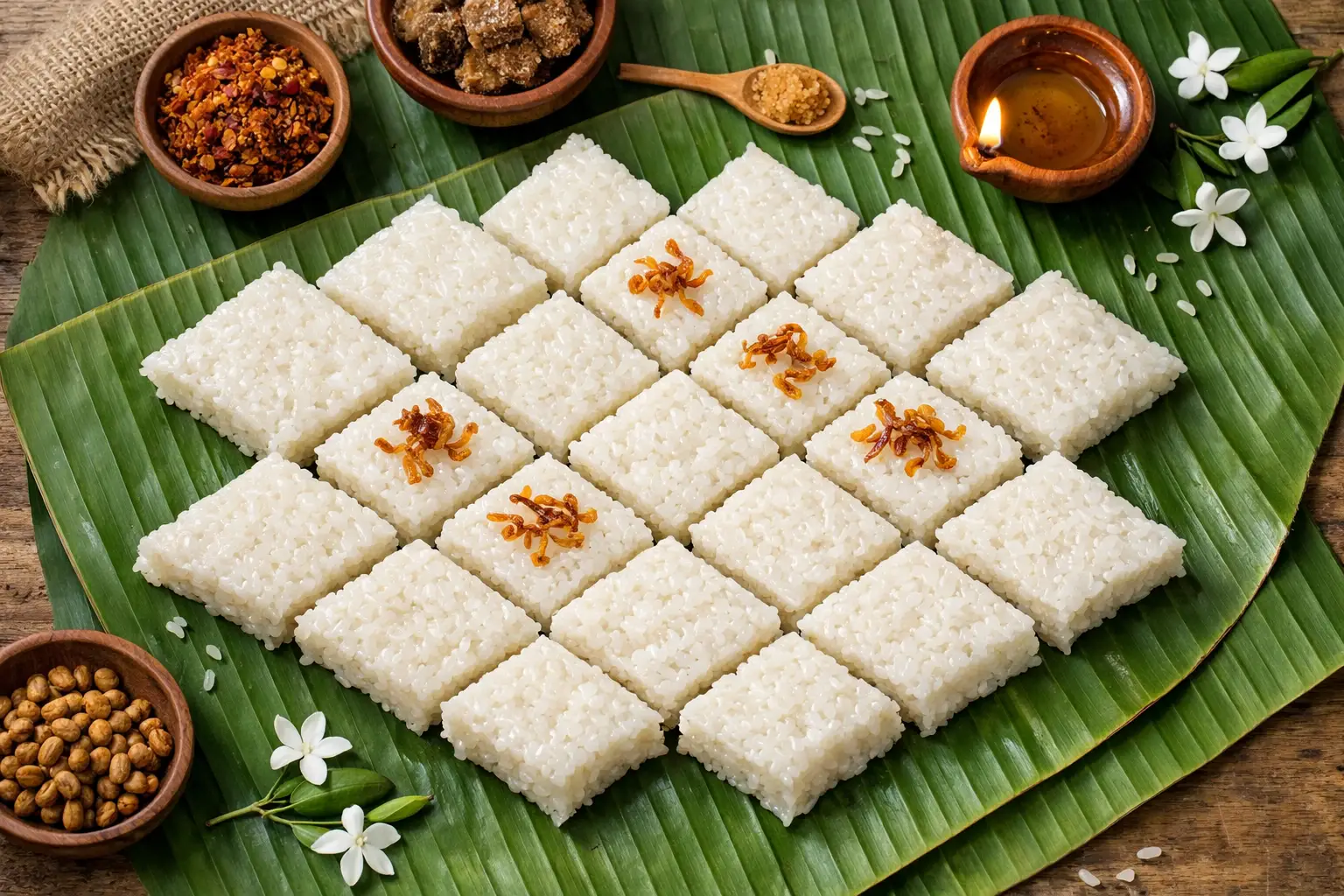
Sri Lanka's beloved festive dish combining creamy coconut milk with rice, symbolizing prosperity and new beginnings for celebrations.
Quick Nutrition Facts
Per 1 Serving of Kiribath (150g)
| Nutrient | Amount |
|---|---|
| Calories | 280 kcal |
| Protein | 5g |
| Carbohydrates | 40g |
| Fiber | 1g |
| Sugars | 1g |
| Fat | 12g |
| Saturated Fat | 10g |
| Sodium | 305mg |
| Potassium | 120mg |
| Iron | 1.2mg |
Macronutrient Breakdown
 ChatGPT
  Claude
  AI Mode
  Perplexity
NUTRITIONIST INSIGHT
Kiribath's coconut milk provides medium-chain triglycerides (MCTs) that are metabolized differently and provide immediate energy. Pairing with protein-rich lunu miris helps balance the high glycemic impact of white rice.
Myth Busters
MYTH #1: Kiribath Is Too Fatty to Be Healthy
TRUTH: The fat in kiribath comes from coconut milk, which contains MCTs that may help with energy metabolism rather than being stored as body fat. Moderate portions (one serving) fit into a balanced diet.
MYTH #2: You Can't Eat Kiribath If You Have Diabetes
TRUTH: Diabetics can enjoy kiribath in moderation. The coconut fat slows glucose absorption compared to plain rice. Stick to half portions and pair with protein-rich accompaniments like fish curry.
MYTH #3: Kiribath Has No Nutritional Value
TRUTH: Kiribath provides quick-digesting carbohydrates for energy, protein from rice, iron, and beneficial fats from coconut milk. It's a complete energy source, especially valuable for active individuals and growing children.
MYTH #4: Leftover Kiribath Is Unsafe
TRUTH: Properly stored kiribath keeps well refrigerated for 2-3 days. Cooling cooked rice actually increases resistant starch content, which can lower the glycemic response when reheated.
MYTH #5: Kiribath Should Only Be Eaten at Breakfast
TRUTH: While traditionally a breakfast dish, kiribath can be enjoyed any time. The sustained energy from carbs and fats makes it suitable for pre-workout meals or as part of a balanced lunch.
NutriScore by Health Goals
| Health Goal | NutriScore | Why This Score? |
|---|---|---|
| Weight Loss |  | Calorie-dense (280 cal/serving) with high fat content. Limit to half portions if managing weight. |
| Muscle Gain |  | Good carb source for glycogen replenishment. Pair with protein-rich curries for complete post-workout nutrition. |
| Diabetes Management | | White rice has high glycemic index (64 average). Eat half portions with protein; monitor blood sugar response. |
| PCOS Management | | High glycemic load affects insulin. Limit to occasional small portions paired with fiber and protein. |
| Pregnancy Nutrition | | Provides quick energy and iron (1.2mg). Coconut MCTs offer easily metabolized energy. Enjoy in moderation as part of varied diet. |
| Viral/Flu Recovery |  | Easy to digest, provides quick energy. The creamy texture is gentle on sore throats. Add jaggery for extra energy. |
PERSONALIZED NUTRITION
Track your meals with NutriScan for personalized NutriScores based on your specific health goals!
Blood Sugar Response to Kiribath
Understanding how kiribath affects blood glucose helps manage portions, especially for those monitoring carbohydrate intake.
Typical Glucose Response Curve
This chart shows typical blood glucose response for general healthy individuals. Individual responses may vary. Not medical advice.
How to Flatten the Spike
Pairing carbohydrates with protein and fat slows glucose absorption:
- 🌶️ Lunu miris (spicy onion sambol) - Adds protein and slows digestion
- 🐟 Fish curry or dried fish - Complete protein balances the meal
- 🥥 Pol sambol (coconut sambol) - Extra fiber from fresh coconut
- 🍳 Eggs - Pair with boiled eggs for added protein
This combination reduces the glucose spike and provides longer-lasting satiety.
Cultural Significance
Kiribath holds deep cultural importance in Sri Lanka, marking auspicious beginnings and celebrations.
In Sri Lanka:
- Prepared for Sinhala and Tamil New Year (Aluth Avurudda) in mid-April
- Traditionally cooked as the first meal of each new month
- Essential for weddings, birthdays, and baby's first solid food ceremony
- The first batch is offered to the household shrine before serving
- Cut into diamond shapes symbolizing prosperity and good fortune
Traditional Accompaniments:
- Lunu miris - spicy onion and chili sambol (savory version)
- Kithul jaggery - palm treacle (sweet version)
- Seeni sambol - caramelized onion relish
Global Influence:
- Similar milk rice dishes found across South and Southeast Asia
- Indian payasam/kheer, Malaysian nasi lemak share coconut-rice base
- Sri Lankan diaspora maintains kiribath traditions worldwide
Compare & Substitute
Kiribath vs Similar Rice Dishes (Per 100g)
| Nutrient | 🍚 Kiribath | 🍚 Plain White Rice | 🥥 Nasi Lemak | 🍚 Coconut Rice |
|---|---|---|---|---|
| Calories | 187 kcal | 130 kcal | 198 kcal | 175 kcal |
| Carbs | 27g | 28g | 25g | 26g |
| Fiber | 0.7g | 0.4g | 1g | 0.8g |
| Protein | 3.3g | 2.7g | 4g | 3g |
| Fat | 8g | 0.3g | 10g | 7g |
| Sodium | 203mg | 1mg | 280mg | 150mg |
| GI | High (65-70) | High (64-73) | Medium-High (60) | High (65) |
| Best For | Festive occasions, energy | Low-fat needs, pairing | Complete meal | Everyday cooking |
Frequently Asked Questions
How many calories are in kiribath?
A typical serving of kiribath (150g) contains approximately 280 calories. Per 100g, kiribath provides about 187 calories, with 40g carbohydrates, 12g fat (mostly from coconut milk), and 5g protein.
Is kiribath healthy?
Kiribath is nutritious in moderation. It provides quick energy from carbohydrates and medium-chain triglycerides from coconut milk that are easily metabolized. However, the high glycemic index means portion control is important, especially for those managing blood sugar.
Can diabetics eat kiribath?
Diabetics can enjoy kiribath in controlled portions. Best practices include eating half servings (75g), pairing with protein-rich lunu miris or fish curry, and monitoring blood sugar 2 hours after eating. The coconut fat provides some glycemic buffering compared to plain rice.
What makes kiribath different from regular rice?
Kiribath is cooked with thick coconut milk (first extract) rather than water, giving it a creamy texture and higher fat content. The coconut cream is absorbed into the rice, creating a rich, slightly sweet flavor that regular rice doesn't have.
How do I store leftover kiribath?
Store kiribath in an airtight container and refrigerate within 2 hours of cooking. It keeps for 2-3 days refrigerated. Reheat thoroughly before eating. Interestingly, cooling and reheating rice can increase resistant starch content.
What is the best time to eat kiribath?
Traditionally eaten at breakfast for sustained morning energy. For fitness goals, consider it as a post-workout meal (within 1 hour) to replenish glycogen. For diabetes management, pair with protein at lunch rather than eating alone.
How much kiribath should I eat per day?
General Guidelines:
- 1 serving (150g) - Active adults, celebrations
- Half serving (75g) - Weight management, diabetes, PCOS
- 1-2 servings - Athletes, high activity days
Track your intake with NutriScan app to see how kiribath fits your personal nutrition goals.


Similar Nutritious Foods
4505 Chicharrones Classic Chili Salt
7 Eleven Japan Crispy Corn Cheese
Explore More Nutrition Tools & Resources
AI Calorie Counter App - Snap a Photo, Get Macros
AI Nutritionist App That Reads Your Logged Meals
Best Protein Supplements for Women
Bulking Meal Plan App That Sets Your Surplus
ChatGPT Calorie Counter Alternative That Keeps the Total
ChatGPT Diet Plan Alternative That Tracks What You Eat
ChatGPT Weight Loss Coach Alternative With a Food Log
Fast Food Calorie Counter App That Reads the Tray
Free Calorie Tracker App with AI Photo Scans | NutriScan
Indian Diet Plan App With Veg and Non Veg Meals
Indian Food Calorie Calculator - Get Instant Nutrition Facts for Desi Meals — 2026
Intermittent Fasting for Women, Timer and Meal Log App
Intermittent Fasting Tracker App - Free Fasting Timer
Macro Tracker App That Fills the Numbers From a Photo
Mediterranean Diet Meal Plan App That Counts the Oil
Micronutrient Tracker App for Vitamins and Minerals
MyFitnessPal Alternative That Stays Free | NutriScan
NutriScore App: A Free Grade on Every Meal | NutriScan
Nutrition Label Scanner App for the Amount You Ate
Second Trimester Protein Guide
Vegetarian Meal Plan App With a Protein Target
Voice Calorie Counter - Speak to Track Meals Hands-Free
Water and Calorie Tracker App - Free Water Log