Kumis: Calories, Nutrition and Health Benefits
Ancient Central Asian probiotic elixir made from fermented mare's milk, treasured for over 2,500 years for its digestive and immune-boosting properties.
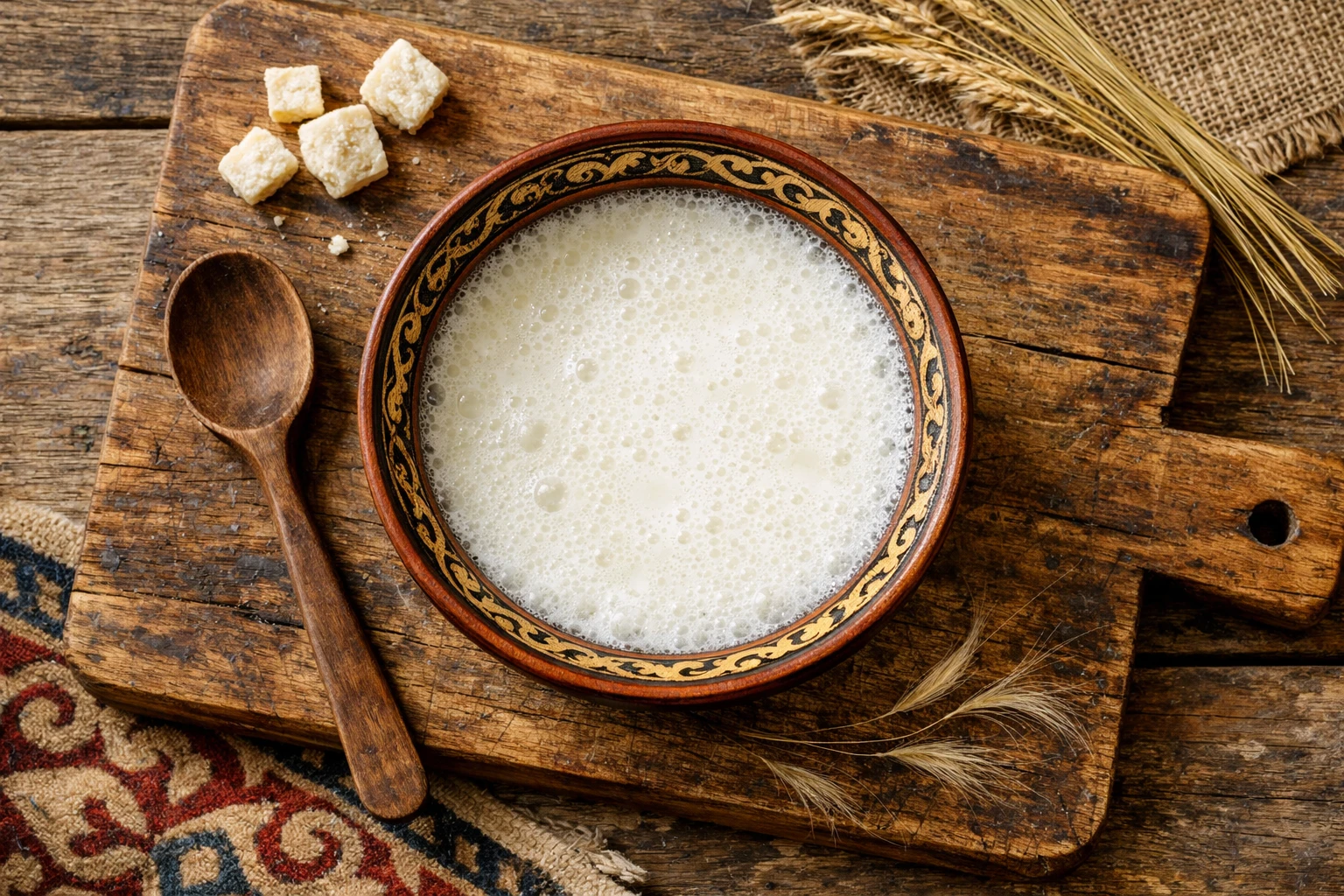
Quick Nutrition Facts
Per 100ml Serving
| Nutrient | Amount |
|---|---|
| Calories | 48 kcal |
| Protein | 1.8g |
| Carbohydrates | 4g |
| Fiber | 0g |
| Sugars | 3.5g |
| Fat | 1g |
| Alcohol | 1-2% |
| Vitamin C | 9mg |
| Calcium | 90mg |
| Phosphorus | 45mg |
Macronutrient Breakdown
 ChatGPT
  Claude
  AI Mode
  Perplexity
NUTRITIONIST INSIGHT
Kumis offers exceptional digestibility at 91% absorption rate compared to just 32% for regular milk. The 1:1 casein-to-whey ratio mirrors human breast milk, making it gentle on the digestive system while delivering potent probiotics that support gut health.
Myth Busters
MYTH #1: Kumis Is Just Alcoholic Milk
TRUTH: While kumis contains 0.6-2.5% alcohol from natural fermentation, it's primarily a probiotic health drink. The therapeutic probiotics and vitamins far outweigh its mild alcohol content. Many cultures consume it for medicinal purposes, not intoxication.
MYTH #2: Kumis Is Unsafe Because It's Unpasteurized
TRUTH: The lactic acid fermentation process naturally inhibits harmful bacteria including E. coli and Staphylococcus. The acidic pH (3.3-5.0) and beneficial bacteria create an inhospitable environment for pathogens.
MYTH #3: Mare's Milk Has No Nutritional Value
TRUTH: Mare's milk is uniquely nutritious with a calcium-to-phosphorus ratio of 2:1, identical to human milk. It contains all essential amino acids, high vitamin C, and more polyunsaturated fatty acids than cow's milk.
MYTH #4: Kumis Is Only for Adults
TRUTH: Traditional Central Asian cultures have given diluted kumis to children for centuries. However, due to alcohol content, modern recommendations suggest it's best for adults. Children should consume plain mare's milk or other probiotics instead.
MYTH #5: All Fermented Milk Drinks Are the Same
TRUTH: Kumis undergoes unique dual fermentation (lactic acid + alcoholic) unlike kefir or yogurt. It has distinct probiotic strains including Lactobacillus helveticus and special yeasts not found in other dairy products.
NutriScore by Health Goals
| Health Goal | NutriScore | Why This Score? |
|---|---|---|
| Weight Loss |  | Low calorie (48 kcal/100ml), high satiety from protein, probiotics boost metabolism. |
| Muscle Gain |  | Moderate protein (1.8g), easily digestible, good post-workout hydration option. |
| Diabetes Management | | Lower lactose than milk (3.5g vs 5g), probiotics may improve insulin sensitivity. Contains alcohol - consult doctor first. |
| PCOS Management | | Probiotics support hormonal balance, low glycemic impact. Alcohol content requires moderation. |
| Pregnancy Nutrition |  | Not recommended - contains alcohol (0.6-2.5%). No safe level of alcohol during pregnancy. Choose kefir instead. |
| Viral/Flu Recovery |  | High vitamin C, immune-boosting probiotics, easily digestible, hydrating. |
PERSONALIZED NUTRITION
Track your meals with NutriScan for personalized NutriScores based on your specific health goals!
Blood Sugar Response to Kumis
Understanding how kumis affects blood glucose helps you make informed decisions about consumption timing.
Typical Glucose Response Curve
This chart shows typical blood glucose response for general healthy individuals. Individual responses may vary. Not medical advice.
How to Optimize Blood Sugar Response
Fermented dairy products with probiotics have been shown to support healthy blood sugar metabolism:
- Consume with protein-rich foods - Pair with nuts or eggs for slower absorption
- Choose after meals - Drinking kumis post-meal reduces glucose spike impact
- Start with small portions - 50-100ml to assess individual response
- Opt for stronger fermentation - Higher lactic acid content means less residual sugar
Cultural Significance
Kumis holds deep cultural importance across Central Asia and has been cherished for over 2,500 years.
Kazakh and Mongolian Heritage:
- Central to nomadic lifestyle since ancient times
- Traditionally prepared during summer milking season (July-October)
- Fermented in leather bags (saba) or wooden vessels
- Symbol of hospitality - offered to honored guests
- Used in religious ceremonies and celebrations
Historical Medicinal Use:
- Ancient Greeks and Romans documented its therapeutic use
- 19th century European sanatoriums used kumis therapy for tuberculosis
- Russian kumis sanatoriums treated respiratory and digestive ailments
- Genghis Khan's armies reportedly consumed kumis for strength
Modern Revival:
- UNESCO recognizes kumis-making as Intangible Cultural Heritage in Kazakhstan
- Growing global interest in traditional probiotic foods
- Commercial production now available in Central Asia and Russia
- Research validates traditional health claims with modern science
Compare & Substitute
Kumis vs Similar Fermented Drinks (Per 100ml)
| Nutrient | 🥛 Kumis | 🥛 Kefir | 🥛 Buttermilk | 🥛 Lassi |
|---|---|---|---|---|
| Calories | 48 kcal | 61 kcal | 40 kcal | 72 kcal |
| Carbs | 4g | 4.5g | 4.8g | 10g |
| Protein | 1.8g | 3.3g | 3.3g | 2.5g |
| Fat | 1g | 3.5g | 0.9g | 2g |
| Probiotics | Very High | High | Moderate | Moderate |
| Alcohol | 0.6-2.5% | 0.5-2% | 0% | 0% |
| Vitamin C | 9mg | 0.7mg | 1mg | 2mg |
| Best For | Gut health, immunity | Bone health, protein | Low-calorie hydration | Cooling, digestion |
Frequently Asked Questions
What is kumis and how is it made?
Kumis (also spelled koumiss or qymyz) is a traditional fermented beverage made from mare's milk, originating from Central Asian nomadic cultures over 2,500 years ago.
Traditional production:
- Fresh mare's milk is collected during summer (July-October)
- Milk is placed in leather bags or wooden vessels
- Starter culture from previous batch is added
- Mixture is stirred/churned regularly for 1-3 days
- Both lactic acid and alcoholic fermentation occur simultaneously
The result is a fizzy, tangy drink with 0.6-2.5% alcohol content.
What are the main health benefits of kumis?
Key Benefits:
- Gut Health: Contains diverse probiotic strains including Lactobacillus and beneficial yeasts
- Immune Support: Probiotics stimulate immune cell production
- Digestibility: 91% absorption rate vs 32% for regular milk
- Antibacterial: Natural compounds fight harmful bacteria
- Vitamin C: Higher than most dairy products
- Blood Pressure: Contains antihypertensive peptides
Can diabetics drink kumis?
Kumis may offer some benefits for diabetics but requires caution:
Potential benefits:
- Lower lactose (3.5g) than regular milk (5g)
- Probiotics may improve insulin sensitivity
- Low glycemic impact due to fermentation
Considerations:
- Contains alcohol (0.6-2.5%) which affects blood sugar
- Start with 50ml to test individual response
- Always consult your healthcare provider first
How much kumis should I drink per day?
General Guidelines:
- Adults: 100-250ml daily for probiotic benefits
- First-time drinkers: Start with 50ml to assess tolerance
- For therapeutic purposes: Traditional use up to 500ml daily
- Avoid: If pregnant, nursing, or alcohol-intolerant
Best consumed fresh, within 3-5 days of production. Refrigerate after opening.
Is kumis safe during pregnancy?
Not recommended during pregnancy due to alcohol content (0.6-2.5%). There is no known safe amount of alcohol during pregnancy.
Safe alternatives for probiotics:
- Plain yogurt
- Pasteurized kefir (alcohol-free versions)
- Probiotic supplements (consult doctor)
- Buttermilk
What does kumis taste like?
Kumis has a distinctive flavor profile:
- Primary taste: Tangy, slightly sour like thin yogurt
- Texture: Effervescent, mildly fizzy
- Aftertaste: Sharp, pungent, refreshing
- Variations: Stronger fermentation = more sour and alcoholic
Most first-time drinkers find it an acquired taste. The flavor depends on fermentation time - "weak" kumis is milder, "strong" kumis is more intense.
Where can I buy kumis?
Kumis availability varies by region:
- Central Asia: Widely available fresh in Kazakhstan, Kyrgyzstan, Mongolia
- Russia: Sold in some supermarkets and specialty stores
- Europe/USA: Limited to specialty Central Asian grocery stores
- Online: Powdered kumis starter cultures available for home brewing
For authentic experience, fresh kumis from traditional producers is best.


Similar Nutritious Foods
4505 Chicharrones Classic Chili Salt
7 Eleven Japan Crispy Corn Cheese
Explore More Nutrition Tools & Resources
AI Calorie Counter App - Snap a Photo, Get Macros
AI Nutritionist App That Reads Your Logged Meals
Best Protein Supplements for Women
Bulking Meal Plan App That Sets Your Surplus
ChatGPT Calorie Counter Alternative That Keeps the Total
ChatGPT Diet Plan Alternative That Tracks What You Eat
ChatGPT Weight Loss Coach Alternative With a Food Log
Fast Food Calorie Counter App That Reads the Tray
Free Calorie Tracker App with AI Photo Scans | NutriScan
Indian Diet Plan App With Veg and Non Veg Meals
Indian Food Calorie Calculator - Get Instant Nutrition Facts for Desi Meals — 2026
Intermittent Fasting for Women, Timer and Meal Log App
Intermittent Fasting Tracker App - Free Fasting Timer
Macro Tracker App That Fills the Numbers From a Photo
Mediterranean Diet Meal Plan App That Counts the Oil
Micronutrient Tracker App for Vitamins and Minerals
MyFitnessPal Alternative That Stays Free | NutriScan
NutriScore App: A Free Grade on Every Meal | NutriScan
Nutrition Label Scanner App for the Amount You Ate
Second Trimester Protein Guide
Vegetarian Meal Plan App With a Protein Target
Voice Calorie Counter - Speak to Track Meals Hands-Free
Water and Calorie Tracker App - Free Water Log