Kurut: Calories, Nutrition and Health Benefits
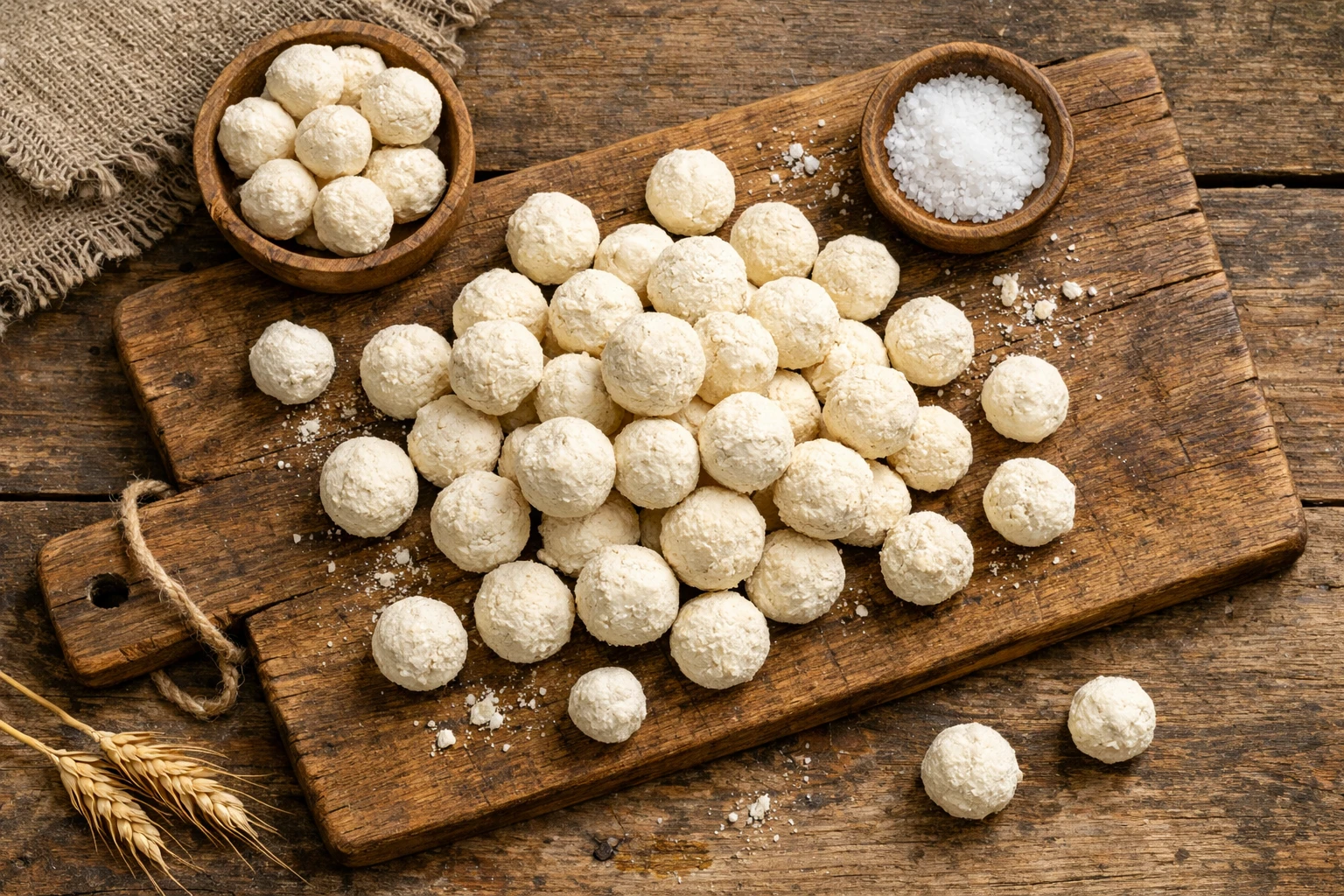
Ancient Silk Road superfood: protein-dense dried yogurt balls packed with calcium and probiotics for sustained energy.
Quick Nutrition Facts
Per 100g Kurut (Dried Yogurt Balls)
| Nutrient | Amount |
|---|---|
| Calories | 350 kcal |
| Protein | 28g |
| Carbohydrates | 35g |
| Fiber | 0g |
| Sugars | 35g |
| Fat | 8g |
| Calcium | 450mg |
| Sodium | 1200mg |
| Phosphorus | 320mg |
| Vitamin B12 | 1.2mcg |
Macronutrient Breakdown
 ChatGPT
  Claude
  AI Mode
  Perplexity
NUTRITIONIST INSIGHT
Kurut delivers 28g protein per 100g—more than most cheeses. The fermentation process creates beneficial probiotics while the drying concentrates calcium to 45% of daily needs.
Myth Busters
MYTH #1: Kurut Is Too Salty to Be Healthy
TRUTH: While kurut contains sodium (1200mg/100g), you typically eat 20-30g portions (240-360mg sodium). The high protein and calcium offset sodium concerns for most healthy adults. Those with hypertension should limit intake.
MYTH #2: Dried Dairy Products Lose All Probiotics
TRUTH: Traditional slow-dried kurut retains some beneficial bacteria that survive the drying process. While fresh yogurt has more live cultures, kurut still offers fermentation benefits including easier digestibility for lactose-sensitive individuals.
MYTH #3: Kurut Is Just Hard Cheese
TRUTH: Kurut is dried fermented yogurt, not cheese. The fermentation process differs—yogurt uses specific bacterial cultures (Lactobacillus, Streptococcus) that produce different health benefits than cheese-making cultures.
MYTH #4: High-Protein Dairy Causes Kidney Problems
TRUTH: For healthy individuals, high-protein foods like kurut don't damage kidneys. Research shows protein from dairy sources is safe and beneficial for muscle maintenance. Only those with existing kidney disease need to limit protein.
MYTH #5: Kurut Is Only for Nomads
TRUTH: Kurut's nutritional profile makes it ideal for modern athletes, hikers, and anyone needing portable protein. Its 6-12 month shelf life without refrigeration offers convenience that protein bars can't match naturally.
NutriScore by Health Goals
| Health Goal | NutriScore | Why This Score? |
|---|---|---|
| Weight Loss |  | High protein (28g) promotes satiety, but calorie-dense (350/100g). Limit to 20-30g portions as a snack. |
| Muscle Gain |  | Excellent protein source with complete amino acids. 28g protein per 100g rivals whey protein for muscle synthesis. |
| Diabetes Management |  | Fermented dairy has lower glycemic impact. High protein slows glucose absorption. Eat 20-30g portions with vegetables. |
| PCOS Management | | Protein helps insulin sensitivity. Choose plain kurut without added sugars. Limit to 30g daily. |
| Pregnancy Nutrition | | Calcium-rich dairy supports fetal bone development. 45% daily calcium per 100g. Excellent protein source for pregnancy. |
| Viral/Flu Recovery | | Easy to digest, protein for immune function, can dissolve in warm water for soothing broth. |
PERSONALIZED NUTRITION
Track your meals with NutriScan for personalized NutriScores based on your specific health goals!
Blood Sugar Response to Kurut
Understanding how kurut affects your blood glucose helps optimize consumption timing and portions.
Typical Glucose Response Curve
This chart shows typical blood glucose response for general healthy individuals. Individual responses may vary. Not medical advice.
How to Flatten the Spike
Pairing high-protein foods with fiber further stabilizes blood sugar:
- 🥒 Fresh vegetables - Cucumber, tomatoes, or bell peppers add fiber and freshness
- 🥗 Leafy greens - Pair crumbled kurut over salads for a complete meal
- 🍞 Whole grain bread - Adds fiber to slow any carbohydrate absorption
- 🥜 Nuts - Almonds or walnuts add healthy fats and additional protein
The high protein content naturally moderates blood sugar response, making kurut a smart snack choice.
Cultural Significance
Kurut has sustained Central Asian nomads for over 4,000 years, traveling the Silk Road from Mongolia to Turkey.
In Kazakhstan & Kyrgyzstan:
- Essential survival food for nomadic herders on the steppes
- Made from mare's, cow's, or sheep's milk depending on region
- Traditional gift of hospitality offered to guests
- Featured in celebrations and ceremonies
Regional Variations:
- Kazakh Qurt: Often made from mare's milk, very hard texture
- Uzbek Qurut: Softer, sometimes mixed with herbs
- Afghan Kashk: Used as soup base and flavoring
- Mongolian Aaruul: Includes sweet varieties with sugar
Modern Revival:
- Recognized as functional food for athletes and hikers
- Exported as "Silk Road superfood" to health-conscious markets
- Sustainable production using traditional sun-drying methods
- Growing interest as natural protein alternative to processed bars
Compare & Substitute
Kurut vs Similar High-Protein Dairy (Per 100g)
| Nutrient | 🧀 Kurut | 🧀 Parmesan | 🥛 Greek Yogurt | 🧀 Cottage Cheese |
|---|---|---|---|---|
| Calories | 350 kcal | 431 kcal | 97 kcal | 98 kcal |
| Carbs | 35g | 4g | 4g | 3g |
| Fiber | 0g | 0g | 0g | 0g |
| Protein | 28g | 38g | 10g | 11g |
| Fat | 8g | 29g | 5g | 4g |
| Calcium | 450mg | 1184mg | 110mg | 83mg |
| Sodium | 1200mg | 1529mg | 36mg | 364mg |
| Best For | Portable protein, shelf-stable | Cooking, intense flavor | Fresh protein, probiotics | Low-cal protein, fresh |
Frequently Asked Questions
What is kurut and how is it made?
Kurut (qurt, kashk) is traditional Central Asian dried yogurt balls. Fresh yogurt is strained to remove whey, salted, shaped into balls, and sun-dried for weeks until rock-hard. This concentrates nutrients: 100g kurut contains the protein of nearly 1 liter of milk.
The drying process naturally preserves the dairy without refrigeration, making it ideal for nomadic life. Different regions add herbs, spices, or vary the milk source (cow, mare, sheep, goat).
Is kurut good for muscle building?
Yes, kurut excels for muscle building. With 28g protein per 100g and complete amino acid profile from dairy, it rivals protein supplements. The protein is highly bioavailable, meaning your body absorbs and uses it efficiently.
Muscle-building tips:
- Eat 30-50g post-workout for recovery
- Combine with carbs (fruit, bread) for glycogen replenishment
- Portable alternative to protein shakes during travel
Can diabetics eat kurut?
Diabetics can include kurut in moderation. The high protein content (28g/100g) significantly slows glucose absorption, and fermented dairy typically has lower glycemic impact than fresh milk products.
Tips for diabetics:
- Limit portions to 20-30g (70-105 calories)
- Pair with vegetables or salad for fiber
- Monitor blood sugar response individually
- Choose unsweetened traditional varieties
How much calcium is in kurut?
Kurut provides approximately 450mg calcium per 100g (45% daily value). The drying process concentrates calcium from the original yogurt, making kurut one of the most calcium-dense portable foods available.
A 30g portion delivers about 135mg calcium—similar to half a glass of milk but without refrigeration needs.
How long does kurut last?
Properly dried kurut lasts 6-12 months at room temperature when stored in a dry place. The combination of low moisture content (under 10%), salt, and acidic pH from fermentation creates natural preservation.
Storage tips:
- Keep in breathable cloth bag or paper
- Store away from humidity
- Avoid plastic containers that trap moisture
- Refrigeration extends life but isn't necessary
How do you eat kurut?
Traditional consumption involves slowly sucking or chewing the hard balls, letting them dissolve in your mouth over 15-30 minutes. This was practical for nomads riding horses across steppes.
Modern uses:
- Dissolve in hot water/broth for tangy soup
- Grate over salads, pasta, or rice dishes
- Crumble into dips with yogurt and herbs
- Eat plain as high-protein snack
- Add to smoothies for protein boost


Similar Nutritious Foods
4505 Chicharrones Classic Chili Salt
7 Eleven Japan Crispy Corn Cheese
Explore More Nutrition Tools & Resources
AI Calorie Counter App - Snap a Photo, Get Macros
AI Nutritionist App That Reads Your Logged Meals
Best Protein Supplements for Women
Bulking Meal Plan App That Sets Your Surplus
ChatGPT Calorie Counter Alternative That Keeps the Total
ChatGPT Diet Plan Alternative That Tracks What You Eat
ChatGPT Weight Loss Coach Alternative With a Food Log
Fast Food Calorie Counter App That Reads the Tray
Free Calorie Tracker App with AI Photo Scans | NutriScan
Indian Diet Plan App With Veg and Non Veg Meals
Indian Food Calorie Calculator - Get Instant Nutrition Facts for Desi Meals — 2026
Intermittent Fasting for Women, Timer and Meal Log App
Intermittent Fasting Tracker App - Free Fasting Timer
Macro Tracker App That Fills the Numbers From a Photo
Mediterranean Diet Meal Plan App That Counts the Oil
Micronutrient Tracker App for Vitamins and Minerals
MyFitnessPal Alternative That Stays Free | NutriScan
NutriScore App: A Free Grade on Every Meal | NutriScan
Nutrition Label Scanner App for the Amount You Ate
Second Trimester Protein Guide
Vegetarian Meal Plan App With a Protein Target
Voice Calorie Counter - Speak to Track Meals Hands-Free
Water and Calorie Tracker App - Free Water Log