Lettuce Leaf: Calories, Nutrition and Health Benefits
Crisp, hydrating foundation for salads packed with vitamin K, vitamin A, and antioxidants—the perfect weight loss vegetable with virtually zero calories.
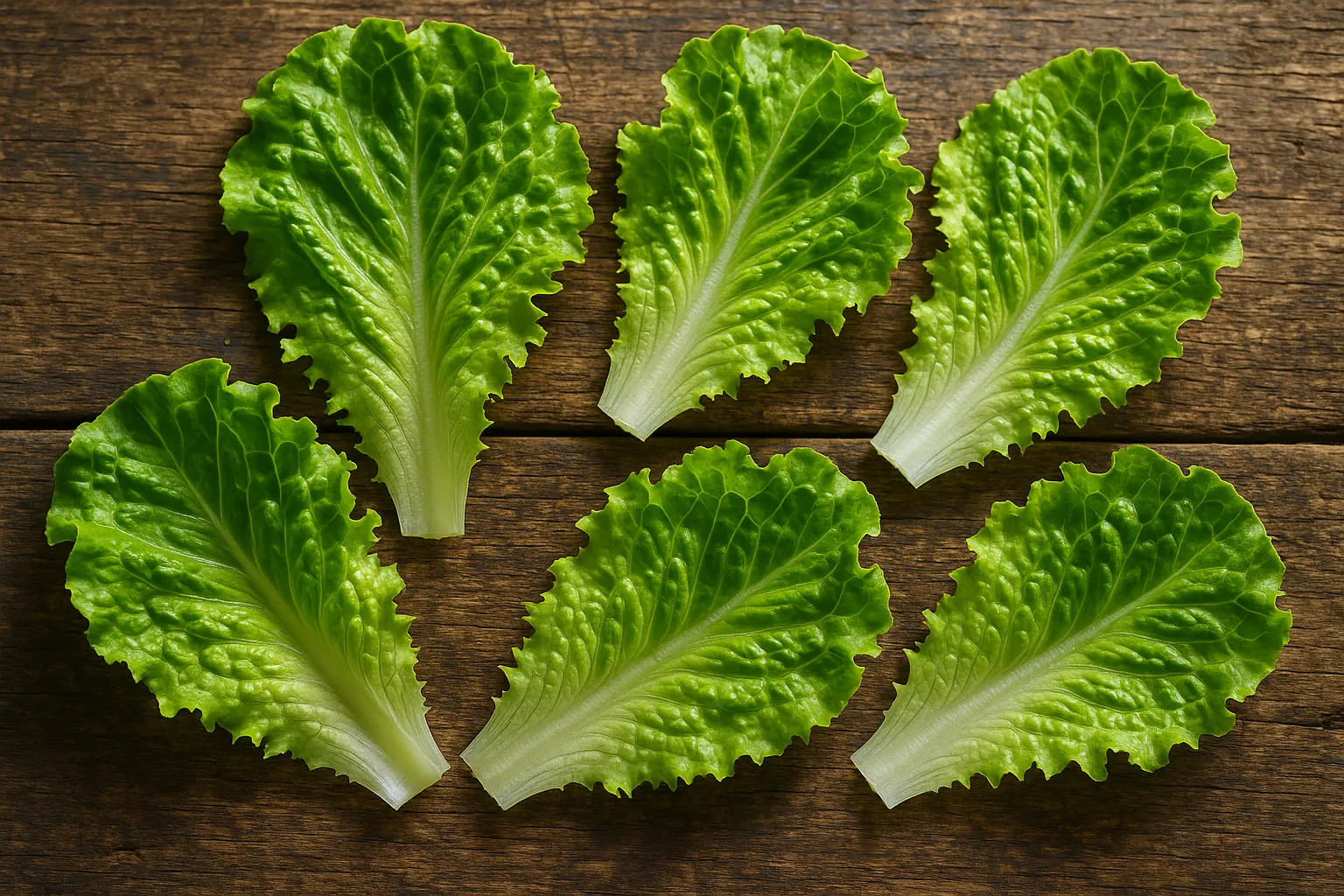
Quick Nutrition Facts
Per 100g Raw Lettuce
| Nutrient | Amount |
|---|---|
| Calories | 15 kcal |
| Protein | 1.2g |
| Carbohydrates | 2.9g |
| Fiber | 1.2g |
| Sugars | 0.6g |
| Fat | 0.2g |
| Vitamin K | 145mcg |
| Vitamin A | 370mcg |
| Folate | 38mcg |
| Potassium | 194mg |
Macronutrient Breakdown
 ChatGPT
  Claude
  AI Mode
  Perplexity
NUTRITIONIST INSIGHT
Lettuce is 95% water—making it virtually calorie-free while delivering remarkable nutrients per bite. The vitamin K content (145mcg per 100g) exceeds daily needs, supporting bone density and cardiovascular health. Darker varieties (romaine, red leaf) contain more antioxidants than iceberg.
Myth Busters
MYTH #1: Lettuce Has No Nutritional Value
TRUTH: Lettuce is nutrient-dense for its calorie count. One cup provides 145mcg vitamin K (122% DV), 370mcg vitamin A, folate for cell growth, and bioactive polyphenols reducing inflammation.
MYTH #2: All Lettuce is the Same
TRUTH: Iceberg lettuce is 96% water with minimal nutrients. Romaine delivers 3x more vitamin K and folate. Red/purple leaf varieties contain anthocyanins (antioxidants). Choose darker leafy varieties for maximum nutritional benefit.
MYTH #3: Lettuce Causes Bloating
TRUTH: Lettuce's high water and low fiber (1.2g) content aids digestion rather than cause bloating. Individual digestive responses vary; chew thoroughly to optimize nutrient absorption and prevent discomfort.
MYTH #4: Raw Lettuce is Unsafe
TRUTH: Proper washing eliminates food safety concerns. Rinse under running water, use salad spinner, pat dry. Store in airtight containers at 32-35°F for 7-10 days.
MYTH #5: Iceberg Lettuce is Unhealthy
TRUTH: While water-rich and lower nutrient density, iceberg lettuce remains healthy—hydrating, low-calorie, aids weight loss. Choose it for high-volume salads; supplement darker varieties for optimal micronutrient intake.
MYTH #6: Salad Dressings Ruin Lettuce's Health Benefits
TRUTH: Fat-soluble vitamins A and K require dietary fat for absorption. Olive oil or nut-based dressings enhance nutritional bioavailability. Use 1-2 tablespoons dressing per 2 cups lettuce for balanced nutrition.
NutriScore by Health Goals
| Health Goal | NutriScore | Why This Score? |
|---|---|---|
| Weight Loss |  | 15 calories per 100g, 95% water, 1.2g fiber for satiety. Unlimited consumption; use as salad base to increase meal volume without calories. |
| Muscle Gain |  | Minimal protein (1.2g). Pair with high-protein foods (eggs, chicken, cheese, tofu); lettuce adds vitamins and minerals to support training recovery. |
| Diabetes Management | | Negligible carbs (2.9g), zero glycemic impact, high fiber aids blood sugar control. Consume freely; 150-200g daily recommended. |
| PCOS Management | | Low glycemic load, anti-inflammatory bioactive compounds, supports hormone balance. Pair with omega-3 rich foods; unlimited consumption. |
| Pregnancy Nutrition | | Folate (38mcg) supports fetal neural tube development, vitamin K aids bone health, hydration supports amniotic fluid. Consume 150-200g daily in varied preparations. |
| Viral/Flu Recovery | | Hydrating, gentle on digestion, vitamin A supports immune recovery, minimal energy required for digestion. Consume as fresh salads or light preparations. |
PERSONALIZED NUTRITION
Track your meals with NutriScan for personalized NutriScores based on your specific health goals!
Blood Sugar Response to Lettuce
Lettuce has negligible impact on blood glucose due to minimal carbohydrate content.
Typical Glucose Response Curve
*This chart shows typical blood glucose response for general healthy individuals. Individual responses may vary. Not medical advice.*
Maximizing Nutrient Absorption
To optimize lettuce's vitamin and mineral absorption, pair with healthy fat sources that enhance bioavailability:
- 🫒 Olive oil or avocado oil - Enhances vitamin K and A absorption (fat-soluble)
- 🥜 Nuts and seeds - Add protein, fiber, healthy fats; improve satiety
- 🥚 Eggs - Complete protein, fat content aids nutrient uptake
- 🧀 Cheese or yogurt - Adds protein and calcium; improves digestibility
- 🥑 Avocado - Healthy fats (monounsaturated) maximize micronutrient absorption
Dressing ratio: 1 tablespoon fat per 2 cups lettuce provides optimal nutrition absorption.
Cultural Significance
Lettuce has a surprisingly rich history across cultures and cuisines.
In India:
- Relatively recent introduction through European influence
- Growing popularity in urban metro areas as health awareness increases
- Paired with traditional chutneys and curries in modern fusion cuisine
- Summer vegetable associated with hydration in hot climates
- Used in contemporary salad-culture among health-conscious populations
Global Impact:
- Ancient Romans cultivated lettuce for medicinal sedative properties
- Medieval Europeans believed lettuce aided sleep
- Japan developed specialized butter lettuce varieties
- China produces 60% of world's lettuce supply
- California and Arizona dominate U.S. production
Compare & Substitute
Lettuce vs Other Leafy Greens (Per 100g raw)
| Nutrient | 🥬 Lettuce | 🌿 Spinach | 🥒 Kale | 💚 Swiss Chard |
|---|---|---|---|---|
| Calories | 15 kcal | 23 kcal | 49 kcal | 19 kcal |
| Carbs | 2.9g | 3.6g | 8.7g | 3.7g |
| Fiber | 1.2g | 2.2g | 1.3g | 1.6g |
| Protein | 1.2g | 2.9g | 4.3g | 1.8g |
| Fat | 0.2g | 0.4g | 0.9g | 0.2g |
| Vitamin K | 145mcg | 483mcg | 704mcg | 299mcg |
| Iron | 0.4mg | 2.7mg | 1.7mg | 1.8mg |
| Best For | Weight loss, hydration | Iron needs, athletes | Robust flavor, mineral density | Balanced nutrition |
Frequently Asked Questions
Is lettuce good for weight loss?
Excellent. Lettuce contains only 15 calories per 100g with 95% water content and 1.2g fiber, making it virtually calorie-free while promoting fullness through volume. Consume unlimited quantities as salad base; pair with lean protein and healthy fat dressing for complete meals.
Can diabetics eat lettuce?
Absolutely. Lettuce contains negligible carbohydrates (2.9g/100g) and has zero glycemic impact. The fiber aids blood sugar control. Diabetics can safely consume 150-200g daily without blood sugar concern.
How much protein is in lettuce?
Lettuce provides 1.2g protein per 100g raw, which is modest for a vegetable. While not a significant protein source, lettuce pairs excellently with high-protein foods like eggs, grilled chicken, tofu, cheese, and legumes to create balanced salad meals.
What are the main health benefits of lettuce?
Lettuce delivers 145mcg vitamin K (122% DV) for bone health, 370mcg vitamin A for eye health, folate (38mcg) for cell division and fetal development, potassium for heart health, and antioxidant polyphenols reducing inflammation.
When is the best time to eat lettuce?
Lettuce works anytime—lunch, dinner, snacks, or as salad base with meals. Pair with protein and healthy fat (olive oil, nuts, cheese) to create balanced nutrition and enhance fat-soluble vitamin absorption. Best timing: consume fresh immediately after preparation to retain crispness and nutrients.
What types of lettuce have the best nutrition?
Darker varieties outperform iceberg: Romaine delivers 3x more vitamin K and folate; red/purple leaf lettuce contains anthocyanin antioxidants; butterhead lettuce offers balanced nutrients. Iceberg lettuce, while water-rich and low-calorie, has minimal nutrient density. Mix varieties for maximum benefit.
How should I store lettuce to maximize freshness and nutrition?
Rinse and pat dry before storing. Use airtight containers or lettuce keeper boxes at 32-35°F for 7-10 days. Avoid plastic bags that trap moisture. Pre-cut lettuce lasts 3-5 days. Store away from ethylene-producing fruits (apples, bananas). Use fresh lettuce within 3 days of purchase for optimal nutrition and crispness.
Can I eat lettuce raw on an empty stomach?
Yes, lettuce is gentle on empty stomach digestion. High water and low fiber mean minimal digestive stress. Pair with protein or nuts for sustained satiety and to enhance fat-soluble vitamin absorption (vitamins A and K).




Similar Nutritious Vegetables
4505 Chicharrones Classic Chili Salt
7 Eleven Japan Crispy Corn Cheese
Explore More Nutrition Tools & Resources
AI Calorie Counter App - Snap a Photo, Get Macros
AI Nutritionist App That Reads Your Logged Meals
Best Protein Supplements for Women
Bulking Meal Plan App That Sets Your Surplus
ChatGPT Calorie Counter Alternative That Keeps the Total
ChatGPT Diet Plan Alternative That Tracks What You Eat
ChatGPT Weight Loss Coach Alternative With a Food Log
Fast Food Calorie Counter App That Reads the Tray
Free Calorie Tracker App with AI Photo Scans | NutriScan
Indian Diet Plan App With Veg and Non Veg Meals
Indian Food Calorie Calculator - Get Instant Nutrition Facts for Desi Meals — 2026
Intermittent Fasting for Women, Timer and Meal Log App
Intermittent Fasting Tracker App - Free Fasting Timer
Macro Tracker App That Fills the Numbers From a Photo
Mediterranean Diet Meal Plan App That Counts the Oil
Micronutrient Tracker App for Vitamins and Minerals
MyFitnessPal Alternative That Stays Free | NutriScan
NutriScore App: A Free Grade on Every Meal | NutriScan
Nutrition Label Scanner App for the Amount You Ate
Second Trimester Protein Guide
Vegetarian Meal Plan App With a Protein Target
Voice Calorie Counter - Speak to Track Meals Hands-Free
Water and Calorie Tracker App - Free Water Log