Little Spoon Kids' Meal: Calories, Nutrition and Health Benefits
Better-for-you kids' meal now at Target: organic ingredients, hidden vegetables, and balanced macros designed for toddlers through age 7.
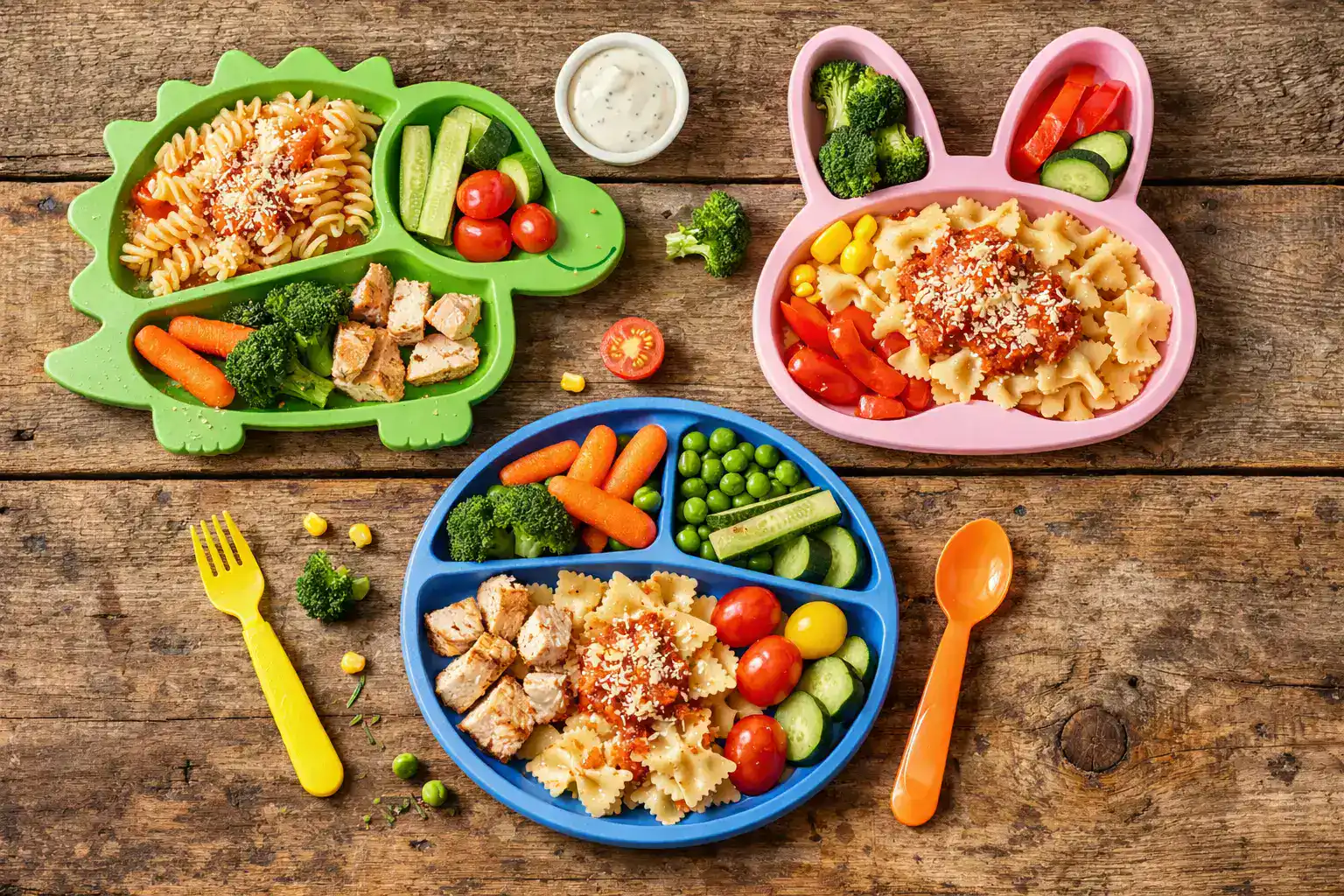
Quick Nutrition Facts
Per 1 Little Spoon Plate (170g avg)
| Nutrient | Amount |
|---|---|
| Calories | 200 kcal |
| Protein | 8g |
| Carbohydrates | 25g |
| Fiber | 3g |
| Sugars | 4g |
| Fat | 7g |
| Sodium | 380mg |
| Vitamin A | 15% DV |
| Calcium | 8% DV |
| Iron | 10% DV |
Macronutrient Breakdown
 ChatGPT
  Claude
  AI Mode
  Perplexity
NUTRITIONIST INSIGHT
Little Spoon Plates deliver 8-14g protein per meal with hidden vegetables, making them one of the cleaner prepared kids' meal options. With under 500mg sodium and no artificial additives, they fit well into a balanced toddler diet when paired with fresh fruit or a side of milk.
Myth Busters
MYTH #1: Prepared Kids' Meals Are All Junk Food
TRUTH: Not all prepared meals are equal. Little Spoon uses USDA-certified organic ingredients with no artificial preservatives, colors, or flavors. Research shows that meal quality depends on ingredient sourcing and processing methods, not simply whether a meal is pre-made.
MYTH #2: Hidden Vegetables Don't Count as Real Nutrition
TRUTH: Pureed or blended vegetables retain most of their fiber, vitamins, and minerals. Studies show hidden vegetables increase overall vegetable intake in children while reducing calorie consumption, and the nutrients are absorbed the same way.
MYTH #3: Kids Need Adult-Sized Portions for Proper Growth
TRUTH: Toddlers ages 2-3 need only about 1,000-1,400 calories daily. The AAP recommends small, frequent meals rather than large portions, as children self-regulate caloric intake across a 24-hour period.
MYTH #4: Organic Kids' Meals Are Too Expensive to Be Worth It
TRUTH: While organic meals cost more upfront, they eliminate exposure to synthetic pesticides and artificial additives. The nutrient density per calorie in meals like Little Spoon (8g protein, 3g fiber per 200 cal) often exceeds conventional alternatives that pad calories with refined carbs.
MYTH #5: All Kids' Frozen Meals Have Too Much Sodium
TRUTH: Little Spoon keeps all Plates under 500mg sodium, well within the Mayo Clinic's recommended daily limits for children (1,200-1,500mg/day for ages 1-3). Many conventional frozen kids' meals exceed 600-800mg per serving.
NutriScore by Health Goals
| Health Goal | NutriScore | Why This Score? |
|---|---|---|
| Weight Loss |  | 200 calories with 8g protein and 3g fiber per plate. Portion-controlled for kids, prevents overeating. |
| Muscle Gain | | 8-14g protein per plate supports growing muscles. Pair with milk or yogurt for complete amino acid profile. |
| Diabetes Management | | Balanced macros with fiber slow glucose absorption. Under 4g added sugar per plate. Low-GI foods help children maintain stable blood sugar. |
| PCOS Management | | Low sugar content and balanced protein-to-carb ratio support insulin sensitivity. |
| Pregnancy Nutrition |  | Safe organic ingredients, but designed for children's portions. Pregnant women need 2,200-2,900 cal/day and should use as a snack, not a meal. |
| Viral/Flu Recovery |  | Easy to digest, gentle on upset stomachs. Provides protein for immune support and carbs for quick energy during illness. |
PERSONALIZED NUTRITION
Track your family's meals with NutriScan for personalized NutriScores based on your specific health goals!
Blood Sugar Response to Little Spoon Kids' Meal
Understanding how a balanced kids' meal affects blood glucose helps parents make informed decisions about meal timing and pairing.
Typical Glucose Response Curve
This chart shows typical blood glucose response for general healthy individuals. Individual responses may vary. Not medical advice.
How to Flatten the Spike
Pairing carb-rich foods with protein and fiber slows glucose absorption and reduces the peak blood sugar level:
- 🥛 Glass of whole milk - Adds protein, fat, and calcium for a complete meal
- 🥑 Avocado slices - Healthy fats slow carb digestion
- 🫐 Berries on the side - Low-GI fruit adds fiber and antioxidants
- 🥜 Nut butter dip - Protein and healthy fats for sustained energy
This combination not only reduces the glucose spike but also extends energy release, keeping kids fuller and more focused.
Cultural Significance
The rise of prepared kids' meals reflects a global shift in how families approach childhood nutrition.
In the United States:
- 70% of American families with children use some form of prepared meals weekly
- Little Spoon launched as a DTC brand in 2017, disrupting traditional kids' food
- 2025 Target retail launch brought organic kids' meals to mainstream retail
- Part of the "better-for-you" movement challenging legacy brands like Lunchables
Global Impact:
- Clean-label kids' food market projected to grow 8% annually through 2030
- Parents increasingly prioritize ingredient transparency and nutritional balance
- Hidden vegetable approach pioneered by brands like Little Spoon now adopted worldwide
- Shift from "kids' food" as a separate category toward family-friendly nutrition
Compare & Substitute
Little Spoon vs Similar Kids' Meals (Per Serving)
| Nutrient | 🍽️ Little Spoon Plate | 🧊 Kidfresh Hidden Veggie | 🥪 Lunchables | 🍲 Nurture Life |
|---|---|---|---|---|
| Calories | 200 kcal | 220 kcal | 310 kcal | 180 kcal |
| Carbs | 25g | 32g | 34g | 22g |
| Fiber | 3g | 3g | 1g | 2g |
| Protein | 8g | 9g | 10g | 10g |
| Fat | 7g | 6g | 14g | 6g |
| Sodium | 380mg | 420mg | 680mg | 350mg |
| Organic | Yes | No | No | Yes |
| Best For | Picky eaters, organic focus | Hidden veggies, budget option | Lunch boxes, older kids | Subscription, variety |
Frequently Asked Questions
How many calories are in a Little Spoon kids' meal?
A typical Little Spoon Plate contains 140-200 calories per serving. The Chicken Mini Dumplings have 140 calories with 14g protein, while heartier plates like mac and cheese reach around 200 calories. All meals are portion-controlled for children ages 1-7.
Is Little Spoon healthy for toddlers?
Yes. Little Spoon Plates use USDA-certified organic ingredients with no artificial preservatives, colors, or additives. All meals contain under 500mg sodium, 2g+ fiber, and 8g+ protein per plate. They incorporate hidden vegetables in familiar formats.
Key health features: organic ingredients, no artificial additives, hidden vegetables, balanced macros, age-appropriate portions.
How much protein is in Little Spoon Plates?
Little Spoon Plates contain 8-14g of protein per meal. The Chicken Mini Dumplings lead with 14g protein and 140 calories. Most plates average 8-10g protein per serving, meeting about 50-70% of a toddler's per-meal protein needs.
Are Little Spoon meals good for picky eaters?
Yes. Little Spoon specifically designs meals for picky eaters by incorporating pureed vegetables into familiar foods like pasta, mac and cheese, and dumplings. Research shows that hidden vegetables increase total vegetable intake in children without triggering mealtime resistance.
Tips for picky eaters: Start with familiar flavors, serve alongside a preferred food, avoid pressuring the child, and offer the same meal multiple times before deciding they dislike it.
Where can I buy Little Spoon meals?
Little Spoon meals are available through their direct-to-consumer delivery service at littlespoon.com and at Target stores nationwide since their September 2025 retail launch. The Target rollout spans six aisles with 23 products including Plates, baby food, and snacks.
Are Little Spoon meals better than regular frozen kids' meals?
Little Spoon differentiates with USDA-certified organic ingredients, no artificial additives, hidden vegetables, and under 500mg sodium per plate. Most conventional frozen kids' meals contain preservatives, artificial colors, and 600-800mg+ sodium per serving.
When to choose Little Spoon: You prioritize organic, clean-label nutrition. When alternatives work: Budget-conscious families can find nutritious options from brands like Kidfresh at lower price points.
Track your family's nutrition with NutriScan app to see how kids' meals fit your child's daily nutrition goals.


Similar Nutritious Foods
4505 Chicharrones Classic Chili Salt
7 Eleven Japan Crispy Corn Cheese
Explore More Nutrition Tools & Resources
AI Calorie Counter App - Snap a Photo, Get Macros
AI Nutritionist App That Reads Your Logged Meals
Best Protein Supplements for Women
Bulking Meal Plan App That Sets Your Surplus
ChatGPT Calorie Counter Alternative That Keeps the Total
ChatGPT Diet Plan Alternative That Tracks What You Eat
ChatGPT Weight Loss Coach Alternative With a Food Log
Fast Food Calorie Counter App That Reads the Tray
Free Calorie Tracker App with AI Photo Scans | NutriScan
Indian Diet Plan App With Veg and Non Veg Meals
Indian Food Calorie Calculator - Get Instant Nutrition Facts for Desi Meals — 2026
Intermittent Fasting for Women, Timer and Meal Log App
Intermittent Fasting Tracker App - Free Fasting Timer
Macro Tracker App That Fills the Numbers From a Photo
Mediterranean Diet Meal Plan App That Counts the Oil
Micronutrient Tracker App for Vitamins and Minerals
MyFitnessPal Alternative That Stays Free | NutriScan
NutriScore App: A Free Grade on Every Meal | NutriScan
Nutrition Label Scanner App for the Amount You Ate
Second Trimester Protein Guide
Vegetarian Meal Plan App With a Protein Target
Voice Calorie Counter - Speak to Track Meals Hands-Free
Water and Calorie Tracker App - Free Water Log