Maida (Refined Flour): Calories, Nutrition and Health Effects
Refined wheat flour commonly used in Indian cooking — understanding its nutrition and health impacts helps you make informed dietary choices.
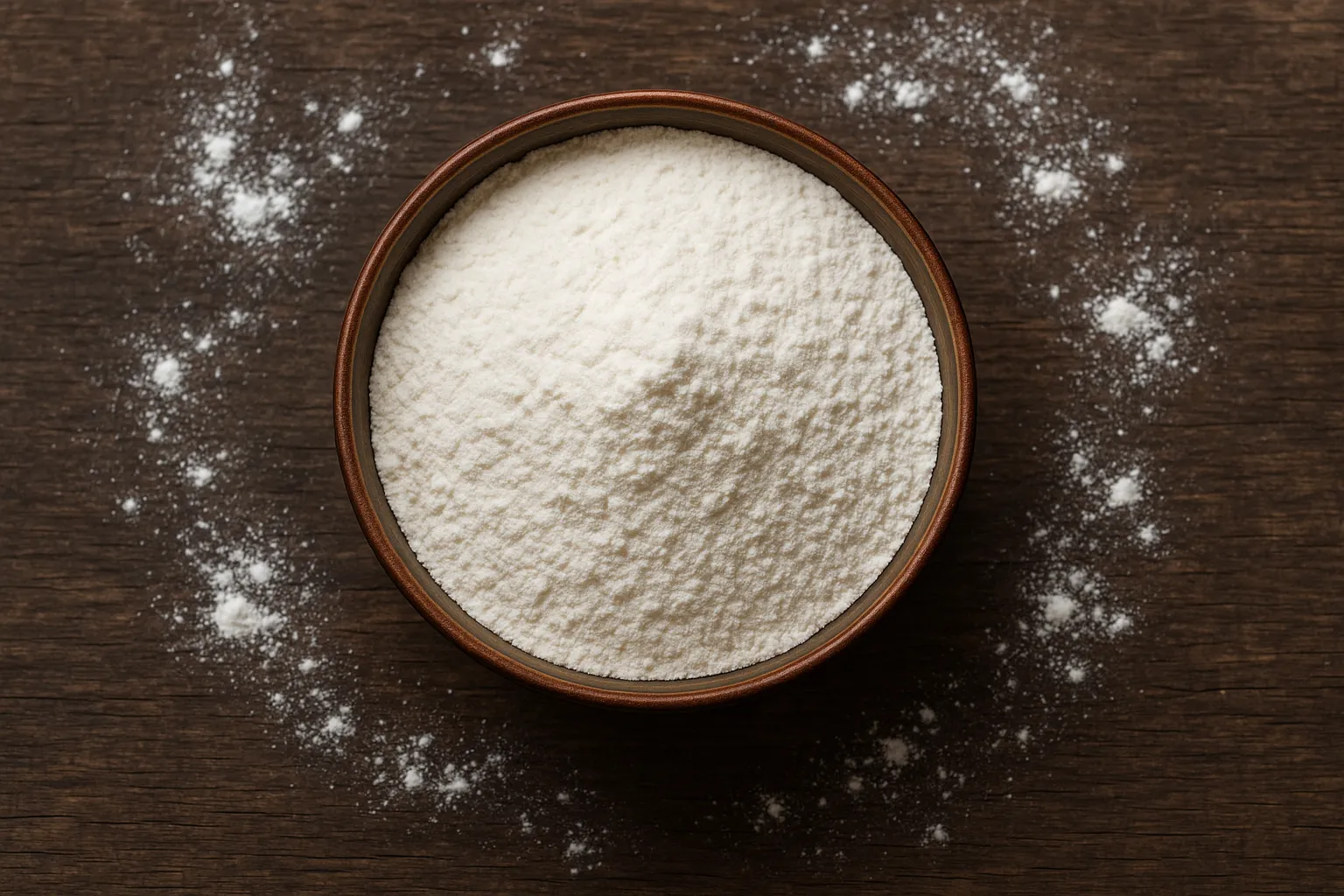
Quick Nutrition Facts
Per 100g (approximately 3/4 cup)
| Nutrient | Amount |
|---|---|
| Calories | 364 kcal |
| Protein | 10g |
| Carbohydrates | 76g |
| Fiber | 2.7g |
| Sugars | 0.3g |
| Fat | 1g |
| Sodium | 2mg |
| Iron | 4.6mg |
| Calcium | 15mg |
| Folate | 26mcg |
Macronutrient Breakdown
 ChatGPT
  Claude
  AI Mode
  Perplexity
NUTRITIONIST INSIGHT
Maida is refined wheat flour with bran and germ removed, stripping away 80% of fiber, B vitamins, and minerals. High glycemic index (85+) causes rapid blood sugar spikes. Replace with whole wheat flour for better health outcomes.
Myth Busters
MYTH #1: Maida Is Just White Wheat Flour, As Healthy As Whole Wheat
TRUTH: Refining process removes bran (fiber, antioxidants) and germ (vitamins, minerals), leaving only starchy endosperm. Maida has 2.7g fiber vs 12.2g in whole wheat per 100g, with minimal nutrients.
MYTH #2: Enriched Maida Is Equivalent to Whole Wheat
TRUTH: Enrichment adds back some synthetic nutrients (iron, folic acid) but cannot replace the hundreds of phytonutrients and fiber lost during refining. Whole wheat provides superior nutrition profile.
MYTH #3: Maida Products Are Fine If You're Not Diabetic
TRUTH: High GI foods increase risk of developing type 2 diabetes, obesity, and heart disease even in healthy individuals. Regular maida consumption promotes chronic inflammation and metabolic dysfunction over time.
MYTH #4: Maida Doesn't Affect Weight If You Count Calories
TRUTH: Maida's high GI causes rapid insulin spikes followed by crashes, triggering hunger and overeating. Low-fiber refined carbs promote visceral fat storage more than whole grain alternatives with same calories.
MYTH #5: Kids Need Maida-Based Foods For Energy
TRUTH: Children need sustained energy from complex carbs with fiber, not rapid spikes from refined flour. Whole grain alternatives provide better concentration, stable mood, and prevent childhood obesity.
MYTH #6: Traditional Indian Cuisine Always Used Maida
TRUTH: Ancient Indian cuisine relied on whole wheat (atta), millet flours (bajra, jowar), and chickpea flour (besan). Maida became popular during British colonial period and industrialization when roller milling technology enabled large-scale wheat refining.
NutriScore by Health Goals
| Health Goal | NutriScore | Why This Score? |
|---|---|---|
| Weight Loss |  | High GI, minimal fiber causes hunger shortly after eating, promotes fat storage. Replace with whole wheat. |
| Muscle Gain |  | Provides 10g protein and quick carbs for glycogen but lacks nutrients for recovery. Whole wheat offers better nutrition. |
| Diabetes Management | | Very high GI (85+) causes dangerous blood sugar spikes. Avoid entirely, use low-GI flours. |
| PCOS Management | | Worsens insulin resistance, hormonal imbalance. Switch to almond flour, oat flour, or whole wheat. |
| Pregnancy Nutrition | | Lacks folate, iron, and fiber essential for pregnancy. Choose fortified whole wheat or millets. |
| Viral/Flu Recovery | | Easily digestible but lacks immune-supporting nutrients. Better options: oats, brown rice, whole wheat. |
PERSONALIZED NUTRITION
Track your meals with NutriScan for personalized NutriScores and healthier flour alternatives based on your health goals!
Blood Sugar Response to Maida
Understanding maida's effect on blood glucose highlights why it's problematic for metabolic health.
Typical Glucose Response Curve
*This chart shows typical blood glucose response for general healthy individuals. Individual responses may vary. Not medical advice.*
How to Reduce Maida's Impact
When maida consumption is unavoidable, these strategies minimize blood sugar spikes:
- 🥣 Mix with whole wheat flour - 50% maida + 50% atta reduces GI significantly
- 🥜 Add nuts or seeds - Almonds, flaxseeds provide fiber and healthy fats
- 🥛 Pair with protein - Paneer, dal, eggs slow glucose absorption
- 🥗 Eat vegetables first - Fiber from salad creates protective gut barrier
Combining refined carbs with protein, fat, and fiber significantly flattens the glucose curve and reduces insulin demand.
Medical Disclaimer: People with diabetes or prediabetes should consult healthcare providers about flour choices. Regular blood sugar monitoring recommended.
Cultural Significance
Maida's role in Indian cuisine reflects both tradition and modern dietary challenges.
Historical Context:
- Ancient India used whole wheat atta, not refined maida
- Roller milling technology introduced during British colonial period (1800s)
- Maida became affordable and popular post-independence with industrialization
- White flour symbolized sophistication and urban living in mid-20th century
Modern Usage:
- Essential for specific recipes: naan, kulcha, samosas, biscuits, cakes
- Street food heavily relies on maida for pani puri, pakoras, bhature
- Restaurants prefer maida for consistent texture in commercial cooking
- Growing health awareness driving shift back to whole grain alternatives
Global Perspective:
- Known as "all-purpose flour" in Western countries
- Used in bread, pastries, pasta across all cuisines
- Worldwide health organizations recommend limiting refined grain consumption
Compare & Substitute
Maida vs Healthier Flours (Per 100g)
| Nutrient | 🌾 Maida (Refined) | 🌾 Whole Wheat (Atta) | 🌾 Oat Flour | 🌾 Almond Flour | 🌾 Chickpea Flour (Besan) |
|---|---|---|---|---|---|
| Calories | 364 kcal | 340 kcal | 389 kcal | 571 kcal | 387 kcal |
| Carbs | 76g | 72g | 66g | 22g | 58g |
| Fiber | 2.7g | 12.2g | 10g | 11g | 10g |
| Protein | 10g | 13.2g | 17g | 21g | 22g |
| Fat | 1g | 1.9g | 6.5g | 50g | 6g |
| Iron | 4.6mg | 3.6mg | 4.7mg | 3.7mg | 4.9mg |
| GI | 85+ (Very High) | 69-74 (Medium) | 44 (Low) | 0 (Zero carbs) | 35 (Low) |
| Best For | Occasional baking | Daily rotis, parathas | Baking, porridge | Keto, low-carb | Pakoras, protein boost |
Frequently Asked Questions
Is maida unhealthy?
Maida is refined wheat flour with bran and germ removed, stripping away 80% of fiber, B vitamins, minerals, and antioxidants. While not toxic, regular consumption is associated with negative health outcomes.
Key concerns: Very high glycemic index (85+) causes blood sugar spikes and crashes; minimal fiber leads to constipation and poor gut health; lacks nutrients needed for metabolic function; promotes chronic inflammation when consumed regularly.
Bottom line: Occasional consumption acceptable, but replace with whole wheat flour for regular cooking and baking.
How many calories are in maida?
Per 100g: 364 calories (76g carbs, 10g protein, 1g fat)
Per cup (120g): 437 calories
Per tablespoon (8g): 29 calories
Per roti (30g maida): 109 calories
Calories primarily from refined carbohydrates with minimal fiber. Compare to whole wheat: 340 calories per 100g but with 12g fiber providing better satiety and slower energy release.
Can diabetics eat maida?
Diabetics should avoid or strictly minimize maida consumption. It has very high glycemic index (85+), causing rapid and dangerous blood sugar spikes.
Why problematic for diabetes: Refined carbs without fiber enter bloodstream quickly; causes insulin resistance over time; triggers excessive insulin production straining pancreas; associated with increased diabetes complications.
Better alternatives for diabetics: Whole wheat flour (GI 69-74); oat flour (GI 44); almond flour (GI 0); chickpea flour (GI 35); multigrain flour blends.
If consuming maida: Limit to 1-2 tbsp; mix 50% with whole wheat; always pair with protein, fat, and vegetables; monitor blood sugar closely.
Is maida good for weight loss?
No, maida is one of the worst choices for weight loss.
Why problematic: High GI causes rapid insulin spikes promoting fat storage; minimal fiber leads to hunger shortly after eating; triggers cravings and overeating cycles; refined carbs increase visceral fat accumulation; lacks nutrients for efficient metabolism.
Weight loss strategy: Replace maida with whole wheat flour (saves ~20 calories, adds 10g fiber); use almond flour or oat flour for baking; choose ragi, bajra, or jowar for Indian breads; focus on high-protein, high-fiber alternatives.
Real impact: Switching from 100g maida to whole wheat daily can support 2-3 kg additional weight loss over 3 months due to improved satiety and blood sugar control.
What is the difference between maida and atta?
Maida (Refined Flour): Only endosperm (starchy center) of wheat; white color; 2.7g fiber per 100g; high GI (85+); minimal vitamins and minerals; fine, powdery texture; longer shelf life.
Atta (Whole Wheat Flour): Entire wheat grain (bran, germ, endosperm); brown color; 12.2g fiber per 100g; medium GI (69-74); rich in B vitamins, magnesium, antioxidants; coarser texture; shorter shelf life.
Nutritional comparison: Atta provides 4.5x more fiber; significantly more iron, magnesium, zinc, vitamin E; better for blood sugar control; supports digestive health and weight management.
Usage: Maida for occasional treats (cakes, pastries, naan); atta for daily rotis, parathas, healthy baking.
What are healthier alternatives to maida?
For Rotis & Parathas: Whole wheat flour (atta); multigrain flour (wheat + bajra + jowar); bajra flour (pearl millet) for winter; jowar flour (sorghum) for gluten-sensitive.
For Baking: Oat flour (sweet, nutty flavor); almond flour (keto-friendly, high protein); coconut flour (high fiber, absorbs liquid); spelt flour (ancient wheat variety).
For Indian Snacks: Chickpea flour/besan (high protein for pakoras); rice flour + urad flour (for dosas); ragi flour (finger millet for diabetes).
For Pizza & Pasta: Whole wheat flour; cauliflower flour; quinoa flour.
Blending strategy: Start with 50% maida + 50% alternative, gradually increase healthier flour proportion as taste adjusts.
Does maida cause digestive problems?
Yes, maida can cause several digestive issues, especially with regular consumption.
Common problems: Constipation (lack of fiber); bloating and gas (refined carbs feed harmful gut bacteria); slow digestion (low fiber delays transit time); GERD/acid reflux (refined carbs relax lower esophageal sphincter).
Why it happens: 2.7g fiber vs 12g needed daily from 100g flour; refined carbs disrupt gut microbiome balance; lacks prebiotics that feed beneficial bacteria; associated with inflammatory bowel conditions.
Solutions: Increase fiber intake with whole wheat; add vegetables and salads; drink adequate water; consider probiotics; replace maida gradually with whole grain alternatives.
Can I use maida during pregnancy?
Maida can be consumed occasionally during pregnancy but is not recommended for regular use.
Concerns: Lacks folate critical for fetal neural tube development; low fiber worsens pregnancy constipation; high GI may contribute to gestational diabetes; missing iron needed for increased blood volume.
Better choices during pregnancy: Whole wheat flour (provides folate, iron, fiber); ragi flour (high calcium for baby's bones); fortified flours with added folic acid; multigrain blends.
If consuming maida: Ensure adequate supplementation (prenatal vitamins); pair with protein and vegetables; limit to special occasions; choose whole wheat for daily meals.
Medical advice: Consult healthcare provider about flour choices, especially if at risk for gestational diabetes.




Similar Nutritious Foods
4505 Chicharrones Classic Chili Salt
7 Eleven Japan Crispy Corn Cheese
Explore More Nutrition Tools & Resources
AI Calorie Counter App - Snap a Photo, Get Macros
AI Nutritionist App That Reads Your Logged Meals
Best Protein Supplements for Women
Bulking Meal Plan App That Sets Your Surplus
ChatGPT Calorie Counter Alternative That Keeps the Total
ChatGPT Diet Plan Alternative That Tracks What You Eat
ChatGPT Weight Loss Coach Alternative With a Food Log
Fast Food Calorie Counter App That Reads the Tray
Free Calorie Tracker App with AI Photo Scans | NutriScan
Indian Diet Plan App With Veg and Non Veg Meals
Indian Food Calorie Calculator - Get Instant Nutrition Facts for Desi Meals — 2026
Intermittent Fasting for Women, Timer and Meal Log App
Intermittent Fasting Tracker App - Free Fasting Timer
Macro Tracker App That Fills the Numbers From a Photo
Mediterranean Diet Meal Plan App That Counts the Oil
Micronutrient Tracker App for Vitamins and Minerals
MyFitnessPal Alternative That Stays Free | NutriScan
NutriScore App: A Free Grade on Every Meal | NutriScan
Nutrition Label Scanner App for the Amount You Ate
Second Trimester Protein Guide
Vegetarian Meal Plan App With a Protein Target
Voice Calorie Counter - Speak to Track Meals Hands-Free
Water and Calorie Tracker App - Free Water Log