Malatang: Calories, Nutrition and Health Benefits
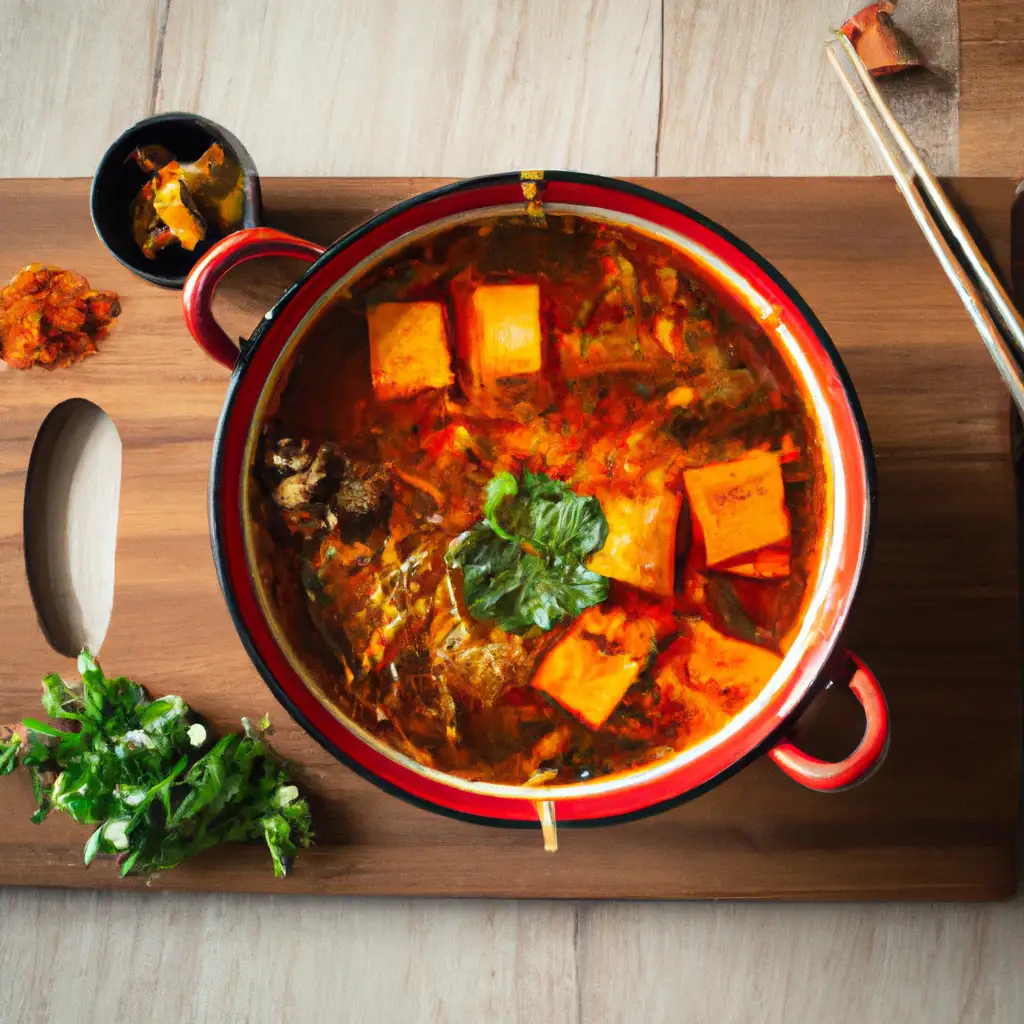
Customizable Chinese numbing spicy soup that blends Sichuan peppercorn tingle with chili heat — pick your proteins, vegetables, and noodles for a build-your-own bowl.
Quick Nutrition Facts
Per 1 Standard Bowl (~600g, mixed proteins + vegetables + noodles)
| Nutrient | Amount |
|---|---|
| Calories | 500 kcal |
| Protein | 28g |
| Carbohydrates | 50g |
| Fiber | 6g |
| Sugars | 5g |
| Fat | 22g |
| Sodium | 2200mg |
| Iron | 4.5mg |
| Calcium | 180mg |
| Vitamin C | 35mg |
Macronutrient Breakdown
 ChatGPT
  Claude
  AI Mode
  Perplexity
NUTRITIONIST INSIGHT
Malatang is one of the most customizable meals in Chinese cuisine — your final calorie count can swing from 350 to 800 based on choices. Pile on leafy greens, mushrooms, and lean proteins; go easy on instant noodles, fried tofu skin, and broth-drinking to keep sodium in check.
Myth Busters
MYTH #1: Malatang Is Always Unhealthy Junk Food
TRUTH: A vegetable-and-tofu bowl with lean protein delivers 25-30g protein, 6-8g fiber, and 3+ vegetable servings — closer to a balanced bowl meal than fast food. The healthiness depends entirely on what you put in the basket.
MYTH #2: The Numbing Sensation Damages Nerves
TRUTH: The tingling comes from hydroxy-alpha-sanshool in Sichuan peppercorns, which activates light-touch receptors at roughly 50 Hz. It's a temporary sensory effect, not nerve damage, and clears within minutes.
MYTH #3: Spicy Malatang Burns Significant Calories
TRUTH: Capsaicin in the chili broth slightly boosts metabolism by around 50 kcal per day at typical intakes — useful but tiny compared to the 500-800 kcal in the bowl itself. Portion choices matter far more than spice level.
MYTH #4: Drinking the Broth Is the Healthiest Part
TRUTH: The mala broth concentrates sodium (often 2000-3000 mg per bowl) and infused chili oil. Excess sodium drives blood pressure up, so leaving the broth in the bowl can cut your sodium load by 30-40%.
MYTH #5: All Malatang Bowls Have the Same Calories
TRUTH: A leafy-green-and-shrimp bowl can be 350 kcal while the same shop's fatty-beef-plus-instant-noodle-plus-fried-tofu bowl hits 800-900 kcal. Always picture your basket: half vegetables, a palm of protein, and one carb anchor.
MYTH #6: Malatang Causes Acid Reflux in Everyone
TRUTH: Capsaicin doesn't trigger reflux in most healthy adults. It can aggravate symptoms in people with existing GERD or ulcers, but otherwise the soup's warm liquid volume actually supports digestion. Test your tolerance with mild spice first.
NutriScore by Health Goals
| Health Goal | NutriScore | Why This Score? |
|---|---|---|
| Weight Loss |  | 350-450 kcal possible if vegetable-heavy with lean protein. Skip noodles and fried items. Capsaicin gives a small metabolic nudge. |
| Muscle Gain | | Easy 30-40g protein from beef, chicken, shrimp, and tofu. Pair with rice or noodles for post-training carbs. |
| Diabetes Management |  | Sodium and refined-carb noodles are the issues. Capsaicin may improve insulin sensitivity, but choose konjac noodles and lean protein. |
| PCOS Management | | High protein and vegetables help insulin response, but watch sodium and added oils that drive inflammation. |
| Pregnancy Nutrition | | Acceptable if all proteins are cooked to safe internal temperatures, spice level is mild, and broth is low-sodium. Avoid raw seafood add-ins. |
| Viral/Flu Recovery | | Warm broth supports hydration and clears sinuses; ginger, garlic, and capsaicin offer mild anti-inflammatory support. Cap sodium with low-salt broth. |
PERSONALIZED NUTRITION
Track your meals with NutriScan for personalized NutriScores based on your specific health goals!
Blood Sugar Response to Malatang
A standard malatang bowl with noodles delivers a moderate glucose curve. Vegetables, protein, and the high broth volume blunt the spike that wheat noodles alone would cause.
Typical Glucose Response Curve
This chart shows typical blood glucose response for general healthy individuals. Individual responses may vary. Not medical advice.
How to Flatten the Spike
Pairing carbs with protein and fat slows glucose absorption and lowers the peak — exactly what a well-built malatang basket does:
- 🥬 Load up on leafy greens - Bok choy, spinach, and lettuce add fiber bulk
- 🍢 Pick lean protein - Chicken breast, shrimp, fish balls, or firm tofu
- 🍜 Swap noodles for konjac (shirataki) - 90% lower carbs than wheat noodles
- 🌶️ Embrace the chili - Capsaicin may modestly improve post-meal glucose response
Eat protein and vegetables first, noodles last, to extend the satiety window and flatten the curve.
Cultural Significance
Malatang (麻辣烫) traces back to boatmen on the Yangtze River in Sichuan and Chongqing during the late Qing dynasty, who simmered odd vegetables and offcuts in a portable mala broth.
In China:
- Originated as cheap riverside street food in Sichuan/Chongqing
- Modernized in the 1990s into the now-ubiquitous "pick-your-basket" format
- Yang Guofu and Zhang Liang chains scaled it into 10,000+ outlets nationwide
- Distinct from hot pot: malatang is single-serving and pre-cooked by staff
Global Adoption:
- Major presence in Korea (마라탕) since the late 2010s, especially with Gen Z
- Korean malatang shops drove a 2023-2024 social media wave around the "ASMR slurp"
- Spread to Southeast Asia, North America, and Europe through diaspora communities
- 2026 trend: customizable, high-protein, vegetable-forward bowls fit the wellness shift
Compare & Substitute
Malatang vs Similar Soup-Based Meals (Per 100g)
| Nutrient | 🌶️ Malatang | 🍜 Pho | 🍲 Korean Sundubu | 🍱 Tom Yum Noodle |
|---|---|---|---|---|
| Calories | 83 kcal | 65 kcal | 50 kcal | 70 kcal |
| Carbs | 8.3g | 9g | 3g | 8g |
| Fiber | 1g | 0.5g | 0.8g | 0.6g |
| Protein | 4.6g | 4g | 4g | 3.5g |
| Fat | 3.7g | 1.5g | 2.5g | 2g |
| Sodium | 367mg | 380mg | 420mg | 410mg |
| Sugar | 0.8g | 1.5g | 0.5g | 1g |
| Vitamin C | 5.8mg | 2mg | 3mg | 8mg |
| Best For | Customization, protein | Light meal, hydration | Diabetes, low-carb | Immunity, low-cal |
Frequently Asked Questions
Is malatang good for weight loss?
Yes, malatang can support weight loss when you build the bowl correctly. A vegetable-heavy basket with lean protein and no instant noodles lands at 350-450 calories with 25-30g protein and 6-8g fiber.
Best practices: Fill 60% of the basket with leafy greens, mushrooms, and seaweed; pick chicken, shrimp, or firm tofu; skip fried tofu skin, fatty beef, and pork belly; leave the broth in the bowl.
Can diabetics eat malatang?
Diabetics can enjoy malatang with smart customization. The main concerns are refined wheat noodles and the 2000+ mg sodium in mala broth.
Tips for diabetics:
- Swap wheat noodles for konjac (shirataki) — drops 30-40g carbs to 2-3g
- Eat protein and vegetables first, then any carbs
- Skip drinking the broth to control sodium
- Choose mild spice if you're on metformin (can worsen GI side effects)
Capsaicin and ginger may modestly support insulin sensitivity. Always monitor your individual response.
How much protein is in malatang?
A mixed-protein malatang bowl provides 25-35g of protein — comparable to a chicken breast portion. Top sources are beef slices, chicken, shrimp, fish balls, and firm tofu.
For high-protein goals, double the protein items and request extra tofu. Vegetable-only bowls drop to 8-12g, which works for lighter meals but not for muscle-building targets.
What are the main health benefits of malatang?
Key Benefits:
- High Customization: Build a balanced macro profile to match any goal
- Vegetable Density: Easy to hit 3-4 vegetable servings in one bowl
- Capsaicin Boost: Mild metabolism and circulation support
- Sichuan Peppercorn: Contains hydroxy-alpha-sanshool with antioxidant properties
- Hydration: Warm broth volume supports fluid intake
- Protein Variety: Mix-and-match proteins make hitting daily protein easy
When is the best time to eat malatang?
Depends on your goal:
- Weight Loss: Lunch (gives you the day to walk it off; sodium causes evening water retention)
- Muscle Gain: Post-workout dinner with extra protein and noodles
- Diabetes: Mid-day with konjac noodles and protein-first eating order
- Cold/Flu Recovery: Anytime — warm broth and ginger support symptom relief
IMPORTANT NOTE
Skip late-night malatang if you're prone to acid reflux — capsaicin and lying down soon after can trigger heartburn.
Why is malatang so high in sodium?
The mala broth combines soy sauce, doubanjiang (fermented broad bean paste), bouillon concentrates, and pickled vegetables — all sodium-dense. A standard bowl runs 2000-3000 mg sodium, often 90-130% of the daily 2300 mg limit.
Cut sodium fast:
- Don't drink the broth (saves 600-900 mg)
- Ask for low-salt or "qing tang" (clear) broth
- Skip salty add-ins like ham, sausage, and pickled mustard
- Drink extra water for the rest of the day
Is the numbing sensation in malatang safe?
Yes, the tingling-numb mouthfeel from Sichuan peppercorns (花椒) is a temporary sensory effect, not nerve damage. Hydroxy-alpha-sanshool activates touch-sensitive nerve fibers, which the brain interprets as a 50 Hz vibration. Sensation fully clears within 10-20 minutes.
People with mouth ulcers, severe acid reflux, or peppercorn allergies should choose a non-mala (clear or tomato) broth instead.
How many times per week can I eat malatang?
General Guidelines:
- 2-3 times per week - Most adults, with vegetable-forward bowls
- 1 time per week - If you have hypertension or kidney issues (sodium concern)
- 3-4 times per week - Active adults using it as a high-protein meal, hydrating well
Avoid daily intake unless you control the sodium tightly — chronic high sodium drives blood pressure and cardiovascular risk.
Track your meals with NutriScan app to see how malatang fits your personal nutrition goals.


Similar Nutritious Foods
4505 Chicharrones Classic Chili Salt
7 Eleven Japan Crispy Corn Cheese
Explore More Nutrition Tools & Resources
AI Calorie Counter App - Snap a Photo, Get Macros
AI Nutritionist App That Reads Your Logged Meals
Best Protein Supplements for Women
Bulking Meal Plan App That Sets Your Surplus
ChatGPT Calorie Counter Alternative That Keeps the Total
ChatGPT Diet Plan Alternative That Tracks What You Eat
ChatGPT Weight Loss Coach Alternative With a Food Log
Fast Food Calorie Counter App That Reads the Tray
Free Calorie Tracker App with AI Photo Scans | NutriScan
Indian Diet Plan App With Veg and Non Veg Meals
Indian Food Calorie Calculator - Get Instant Nutrition Facts for Desi Meals — 2026
Intermittent Fasting for Women, Timer and Meal Log App
Intermittent Fasting Tracker App - Free Fasting Timer
Macro Tracker App That Fills the Numbers From a Photo
Mediterranean Diet Meal Plan App That Counts the Oil
Micronutrient Tracker App for Vitamins and Minerals
MyFitnessPal Alternative That Stays Free | NutriScan
NutriScore App: A Free Grade on Every Meal | NutriScan
Nutrition Label Scanner App for the Amount You Ate
Second Trimester Protein Guide
Vegetarian Meal Plan App With a Protein Target
Voice Calorie Counter - Speak to Track Meals Hands-Free
Water and Calorie Tracker App - Free Water Log