Matcha: Calories, Nutrition and Health Benefits
Japanese ceremonial green tea powder packed with antioxidants, EGCG, and L-theanine for calm focus and metabolic support.
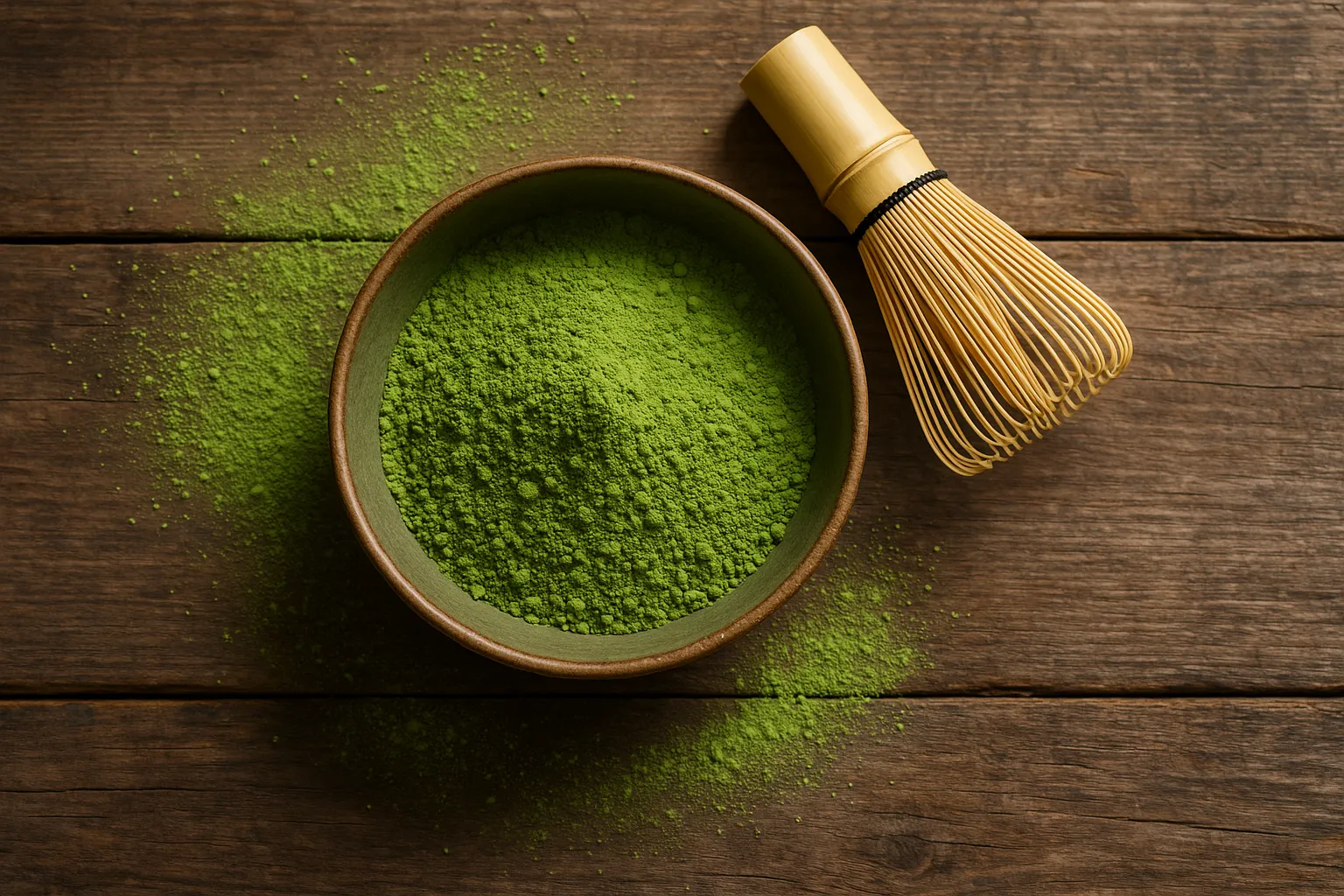
Quick Nutrition Facts
Per 1 tsp Matcha Powder (2g)
| Nutrient | Amount |
|---|---|
| Calories | 6 kcal |
| Protein | 0.6g |
| Carbohydrates | 1g |
| Fiber | 0.4g |
| Sugars | 0g |
| Fat | 0.1g |
| Caffeine | 70mg |
| EGCG | 65mg |
| L-theanine | 25mg |
| Vitamin C | 1.2mg |
Macronutrient Breakdown
 ChatGPT
  Claude
  AI Mode
  Perplexity
NUTRITIONIST INSIGHT
Matcha's unique combination of caffeine and L-theanine creates calm, focused energy without the jitters. The EGCG content (65mg per tsp) is 137x higher than regular green tea due to consuming the whole leaf.
Myth Busters
MYTH #1: Matcha Lattes Are a Healthy Coffee Alternative
TRUTH: While plain matcha is healthy, coffee shop matcha lattes often contain 21-62g added sugar and 300-500 calories. The EGCG in matcha may help lower blood glucose, but sugar negates this benefit. Make your own with 1 tsp matcha, unsweetened almond milk, and optional honey (< 10g sugar).
MYTH #2: All Matcha Is the Same Quality
TRUTH: Quality varies dramatically. Ceremonial grade (first harvest, shade-grown, bright green) has higher L-theanine and smoother taste. Culinary grade (later harvest, bitter) is fine for lattes/baking. Authentic Japanese matcha costs $20-40/oz—if it's $5, it's likely low-quality or mixed with cheaper green tea powder.
MYTH #3: Matcha Causes Automatic Weight Loss
TRUTH: Matcha may enhance fat oxidation during exercise by 17% due to EGCG, but it won't burn fat without a calorie deficit. Studies showing weight loss effects used 2-3 servings daily combined with diet and exercise. Matcha is a tool, not a magic solution.
MYTH #4: Matcha Has Too Much Caffeine
TRUTH: One teaspoon matcha (70mg caffeine) has less than coffee (95mg/cup). The L-theanine buffers caffeine's jittery effects, creating smooth energy over 4-6 hours. Perfect for those sensitive to coffee's harsh crash. Pregnant women should still limit total daily caffeine to 200mg.
MYTH #5: You Need Expensive Ceremonial Grade for Health Benefits
TRUTH: Both ceremonial and culinary matcha contain similar EGCG and catechin levels. Ceremonial tastes better for traditional tea, but culinary grade ($10-15/oz) provides equivalent antioxidant benefits in smoothies and lattes. Save money by choosing based on use, not marketing hype.
MYTH #6: Green Tea Bags Provide the Same Benefits as Matcha
TRUTH: Matcha delivers 10-15x more antioxidants because you consume the entire powdered leaf, not just steeped water. Steeped green tea leaves behind 90% of nutrients. Matcha also has 3x more EGCG and L-theanine. For maximum benefits, choose matcha over tea bags.
NutriScore by Health Goals
| Health Goal | NutriScore | Why This Score? |
|---|---|---|
| Weight Loss |  | Only 6 calories, EGCG may enhance fat oxidation during exercise. Best as plain tea or with unsweetened milk. Avoid sugary lattes. |
| Muscle Gain | | Caffeine improves workout performance and focus. EGCG has anti-inflammatory properties for recovery. Use as pre-workout 30-60 minutes before training. |
| Diabetes Management |  | EGCG may inhibit starch digestion and lower blood glucose. Zero sugar, may improve insulin sensitivity. Choose unsweetened. |
| PCOS Management | | Antioxidants support hormonal balance, anti-inflammatory properties beneficial. Moderate caffeine—limit to 1-2 servings daily if sensitive to stimulants. |
| Pregnancy Nutrition | 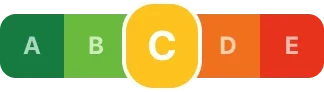 | L-theanine reduces stress, but caffeine (70mg/tsp) requires caution. Limit to 1 serving daily max (stay under 200mg caffeine total). Consult doctor. |
| Viral/Flu Recovery | | Catechins have antiviral and immune-boosting properties. High in vitamin C and antioxidants. Soothing warm beverage for sore throat. |
PERSONALIZED NUTRITION
Track your meals with NutriScan for personalized NutriScores based on your specific health goals!
Blood Sugar Response to Matcha
Understanding how matcha affects blood glucose can help you optimize consumption timing and pairings.
Typical Glucose Response Curve
This chart shows typical blood glucose response for plain matcha (no added sugar). Individual responses may vary. Not medical advice.
How Matcha Helps Regulate Blood Sugar
EGCG in matcha may inhibit starch digestion, slowing glucose absorption when consumed with carb-rich meals:
- 🥐 Before high-carb meals - May reduce glucose spike from bread, rice, pasta
- 🥗 With balanced meals - Pairs well with protein and healthy fats
- ☕ Morning replacement - Stable energy without coffee's blood sugar rollercoaster
- 🍰 With desserts (occasionally) - May blunt sugar impact, though not a license to overindulge
Best practices: Drink plain or with unsweetened milk. Adding sugar (21-62g in lattes) completely negates blood sugar benefits and creates same spike you're trying to avoid.
Cultural Significance
Matcha has been integral to Japanese culture for nearly 900 years, evolving from Zen Buddhist meditation aid to global wellness trend.
Historical Origins:
- Brought to Japan from China by monk Eisai in 1191 CE
- Zen Buddhist monks used matcha for meditation—L-theanine promotes calm alertness
- Japanese tea ceremony (chanoyu) developed in 16th century by Sen no Rikyu
- Considered a luxury reserved for samurai and nobility for centuries
Traditional Tea Ceremony:
- Ritualistic preparation with bamboo whisk (chasen) and bowl (chawan)
- Emphasizes mindfulness, respect, purity, and tranquility
- Takes years to master the proper whisking technique
- Ceremonial grade matcha reserved for this traditional preparation
Modern Global Impact:
- Matcha market grew from $1.8B (2018) to $4.8B (2024) globally
- Popular in lattes, smoothies, baked goods, and skincare
- Health and wellness communities embrace it for antioxidants
- Third-wave coffee shops now feature matcha as specialty offering
Japanese Production:
- 99% of matcha comes from Japan (Uji, Nishio, Shizuoka regions)
- Shade-grown for 20-30 days before harvest to boost chlorophyll and L-theanine
- Only young, tender leaves used, then stone-ground into fine powder
- Takes 1 hour to grind 30g of matcha traditionally
Compare & Substitute
Matcha vs Similar Caffeinated Beverages (Per Serving)
| Nutrient | 🍵 Matcha (1 tsp) | ☕ Coffee (8oz) | 🍃 Green Tea (8oz) | 🥤 Yerba Mate (8oz) |
|---|---|---|---|---|
| Calories | 6 kcal | 2 kcal | 2 kcal | 15 kcal |
| Caffeine | 70mg | 95mg | 25mg | 85mg |
| EGCG | 65mg | 0mg | 5mg | 0mg |
| L-theanine | 25mg | 0mg | 8mg | 0mg |
| Antioxidants | Very High (1300) | Medium (200) | High (400) | Medium (300) |
| Energy Duration | 4-6 hours | 2-3 hours | 1-2 hours | 3-4 hours |
| Jitters Risk | Low | High | Very Low | Medium |
| Sugar (if plain) | 0g | 0g | 0g | 0g |
| Best For | Calm focus, antioxidants, metabolism | Quick energy, alertness | Gentle energy, antioxidants | Sustained energy, vitamins |
Frequently Asked Questions
Is matcha good for weight loss?
Matcha can support weight loss but isn't a magic solution. Studies show EGCG may boost metabolism 4-5% and increase fat burning 17% during exercise. Caffeine enhances energy expenditure; L-theanine may reduce stress-eating. Effects are modest (burns 50-100 extra calories daily) and require calorie deficit. Studies used 2-3 servings daily with exercise. Sugary lattes (300+ cal) cause weight gain. Best: plain matcha or unsweetened milk 30 minutes before exercise.
How much caffeine is in matcha?
50-70mg per teaspoon—less than coffee (95mg), more than green tea (25mg), similar to espresso (63mg). L-theanine (25mg) buffers caffeine, creating calm energy without jitters for 4-6 hours vs coffee's 2-3 hours. Pregnant women: limit to 200mg/day total (max 2 tsp + other sources). Anxiety disorders: start with 1/2 tsp. Caffeine-sensitive: choose green tea instead. Best consumed morning/early afternoon to avoid sleep disruption.
What is EGCG in matcha?
EGCG (Epigallocatechin gallate) is matcha's primary antioxidant at 50-80mg per teaspoon. Benefits include: blood sugar regulation (inhibits starch digestion), increased fat oxidation, reduced inflammation, lower LDL cholesterol, and laboratory anti-cancer properties. Matcha has 137x more EGCG than steeped green tea (you consume the entire leaf). 1-2 servings daily provides 100-160mg; studies showing benefits used 200-400mg (3-6 servings).
Is ceremonial matcha better than culinary?
Ceremonial tastes better (smoother, sweeter, higher L-theanine 30-40mg/tsp, $20-40/oz), but EGCG and catechin content are nearly identical to culinary (bitter, 20-25mg L-theanine, $10-15/oz). Difference is taste, not health benefits. Use culinary for lattes/smoothies/baking; ceremonial for traditional tea. Red flag: matcha under $10/oz is likely low-quality, contaminated, or mixed. Authentic Japanese matcha (Uji, Nishio) starts at $10/oz minimum.
Are matcha lattes healthy?
Depends on preparation. Healthy (50-100 cal): 1 tsp matcha, 8oz unsweetened almond/oat milk, optional 1 tsp honey (<10g sugar). Coffee shop (300-500 cal): 1/2 tsp matcha, 12oz whole milk (220 cal), 4-6 pumps sweetener (21-62g sugar, 80-250 cal), whipped cream (+100 cal). Added sugars negate blood sugar benefits. Make your own: whisk 1 tsp matcha + 2oz hot water, add 8oz unsweetened milk, optional 1/2 tsp honey. Saves 200-400 cal and $5.
Can I drink matcha every day?
Yes, 1-2 servings (2-4g) daily is safe for most adults. Benefits include: calm energy (caffeine + L-theanine), 100-160mg EGCG antioxidants, improved focus without jitters, metabolism support. Avoid or limit: pregnancy/breastfeeding (1 serving max, stay under 200mg caffeine daily), anxiety disorders, iron deficiency (drink between meals), insomnia (avoid after 2pm), kidney stones (high oxalate). Maximum: 5 servings (10g) daily. Healthy daily habit when plain or lightly sweetened; alternate with other beverages for variety.


Similar Nutritious Foods
4505 Chicharrones Classic Chili Salt
7 Eleven Japan Crispy Corn Cheese
Explore More Nutrition Tools & Resources
AI Calorie Counter App - Snap a Photo, Get Macros
AI Nutritionist App That Reads Your Logged Meals
Best Protein Supplements for Women
Bulking Meal Plan App That Sets Your Surplus
ChatGPT Calorie Counter Alternative That Keeps the Total
ChatGPT Diet Plan Alternative That Tracks What You Eat
ChatGPT Weight Loss Coach Alternative With a Food Log
Fast Food Calorie Counter App That Reads the Tray
Free Calorie Tracker App with AI Photo Scans | NutriScan
Indian Diet Plan App With Veg and Non Veg Meals
Indian Food Calorie Calculator - Get Instant Nutrition Facts for Desi Meals — 2026
Intermittent Fasting for Women, Timer and Meal Log App
Intermittent Fasting Tracker App - Free Fasting Timer
Macro Tracker App That Fills the Numbers From a Photo
Mediterranean Diet Meal Plan App That Counts the Oil
Micronutrient Tracker App for Vitamins and Minerals
MyFitnessPal Alternative That Stays Free | NutriScan
NutriScore App: A Free Grade on Every Meal | NutriScan
Nutrition Label Scanner App for the Amount You Ate
Second Trimester Protein Guide
Vegetarian Meal Plan App With a Protein Target
Voice Calorie Counter - Speak to Track Meals Hands-Free
Water and Calorie Tracker App - Free Water Log