Mid-Strength Wine (9% ABV): Calories, Nutrition and Health Benefits
A lighter wine option for mindful drinking - fewer calories, less alcohol, same social enjoyment.
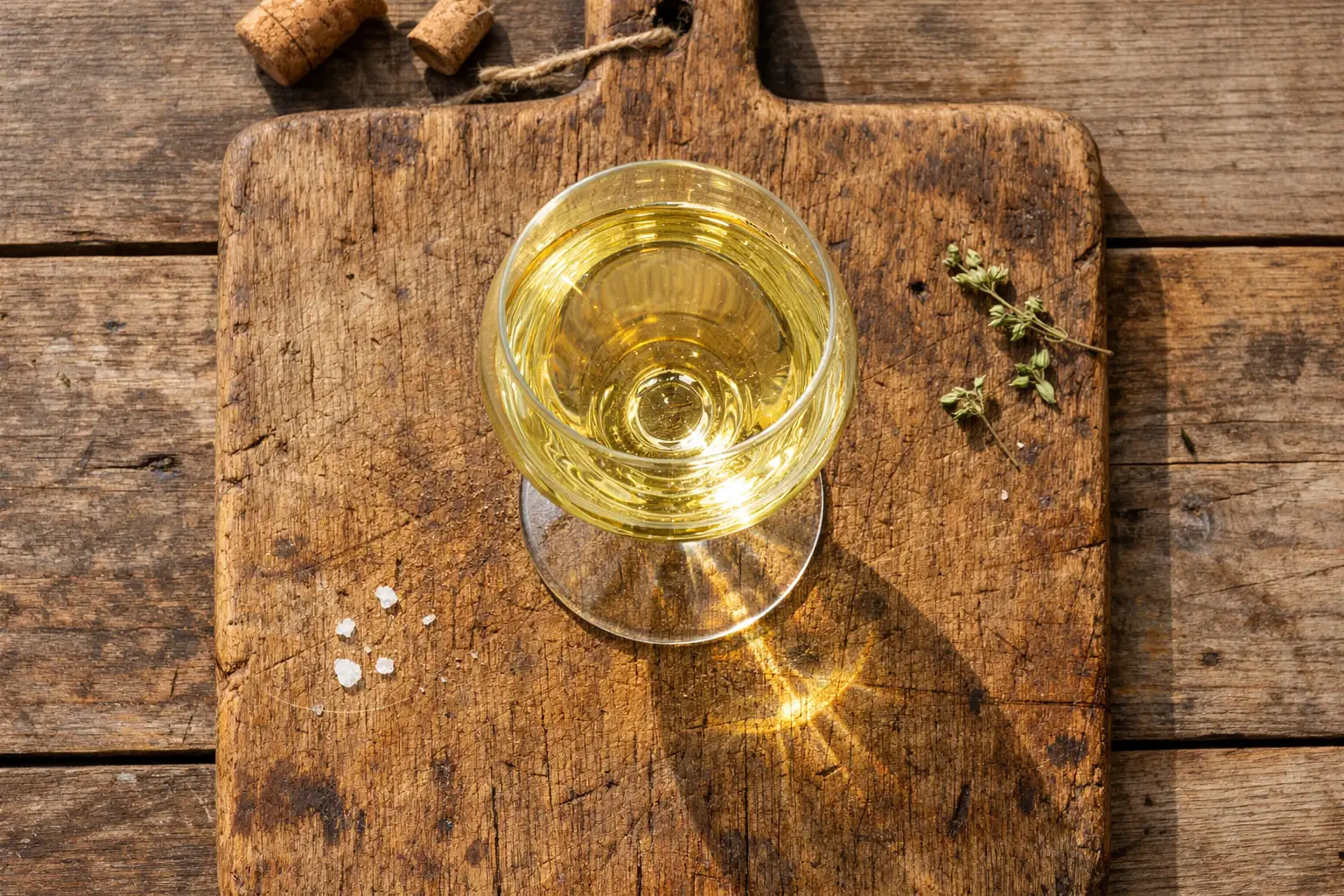
Quick Nutrition Facts
Per 1 Glass (125ml) - 9% ABV
| Nutrient | Amount |
|---|---|
| Calories | 60 kcal |
| Protein | 0g |
| Carbohydrates | 2g |
| Fiber | 0g |
| Sugars | 1g |
| Fat | 0g |
| Alcohol | 9g |
| Potassium | 80mg |
| Sodium | 5mg |
| Iron | 0.3mg |
Macronutrient Breakdown
 ChatGPT
  Claude
  AI Mode
  Perplexity
NUTRITIONIST INSIGHT
Mid-strength wine offers about 30% fewer calories than standard wine while maintaining flavor complexity. The lower alcohol content (9% vs 13%) means slower intoxication and easier calorie tracking for mindful drinkers.
Myth Busters
MYTH #1: Low-Alcohol Wine Has No Calories
TRUTH: Mid-strength wine still contains 60 calories per 125ml glass. While lower than standard wine (85-100 cal), alcohol provides 7 calories per gram - second only to fat at 9 cal/g. Empty calories add up quickly with multiple glasses.
MYTH #2: Wine Is Heart-Healthy So More Is Better
TRUTH: While moderate wine consumption shows some cardiovascular associations, benefits plateau at 1 glass for women and 1-2 for men. Exceeding this increases risks for liver disease, certain cancers, and dependency.
MYTH #3: A Little Wine During Pregnancy Is Fine
TRUTH: There is NO safe amount of alcohol during pregnancy. Even mid-strength wine can cause fetal alcohol spectrum disorders. The ACOG and all major health organizations recommend complete abstinence during pregnancy.
MYTH #4: Wine Doesn't Affect Blood Sugar
TRUTH: Wine has a complex effect on blood sugar. Initially it may lower glucose by improving insulin sensitivity, but alcohol can cause dangerous hypoglycemia hours later, especially for diabetics on medication. Always drink with food.
MYTH #5: Mid-Strength Wine Tastes Watered Down
TRUTH: Quality mid-strength wines use specialized fermentation techniques to preserve flavor while reducing alcohol. Many wine regions now produce excellent 9-10% ABV wines that rival traditional varieties in taste complexity.
MYTH #6: You Can Drink More Because It's Lower Alcohol
TRUTH: The mindful drinking benefit is lost if you double your consumption. Two glasses of 9% ABV wine equals roughly 1.4 glasses of standard 13% wine in alcohol content - and the calories add up (120 cal vs 85 cal).
NutriScore by Health Goals
| Health Goal | NutriScore | Why This Score? |
|---|---|---|
| Weight Loss |  | 60 empty calories per glass. Better than standard wine but still provides no nutrients. Limit to 1 glass, factor into daily calorie budget. |
| Muscle Gain |  | Alcohol impairs protein synthesis and recovery. No protein content. Avoid on training days; if drinking, keep to minimum. |
| Diabetes Management | | Moderate wine may not acutely worsen glycemia but can cause delayed hypoglycemia. Always with food; consult doctor first. |
| PCOS Management | | Alcohol affects hormone balance and insulin sensitivity. Occasional moderate consumption only; avoid during hormone-sensitive phases. |
| Pregnancy Nutrition | | NO safe amount during pregnancy. Complete abstinence recommended by ACOG. Risk of fetal alcohol spectrum disorders. |
| Viral/Flu Recovery | | Alcohol suppresses immune function and dehydrates. Avoid entirely during illness; focus on hydration and rest instead. |
PERSONALIZED NUTRITION
Track your meals with NutriScan for personalized NutriScores based on your specific health goals!
Blood Sugar Response to Mid-Strength Wine
Understanding how wine affects your blood glucose can help you make informed decisions about when and how to drink.
Typical Glucose Response Curve
This chart shows typical blood glucose response for general healthy individuals consuming wine with food. Individual responses may vary. Not medical advice.
How to Minimize Blood Sugar Impact
Drinking wine with food slows alcohol absorption and reduces blood sugar fluctuations:
- 🧀 Cheese or nuts - Protein and fat slow absorption
- 🥗 Salad or vegetables - Fiber helps stabilize blood sugar
- 🍗 Protein-rich meal - Prevents rapid glucose changes
- 💧 Water between glasses - Maintains hydration, slows consumption
Wine can cause delayed hypoglycemia 6-12 hours after drinking, especially overnight. Diabetics should monitor blood sugar before bed.
Cultural Significance
Wine has been part of human civilization for over 8,000 years, with lower-alcohol styles gaining renewed popularity in the mindful drinking movement.
Historical Context:
- Ancient wines were naturally lower in alcohol (8-10% ABV) before modern viticulture
- Diluting wine with water was common practice in Greek and Roman cultures
- The "session wine" movement revives these historical drinking patterns
Modern Mindful Drinking:
- Global trend toward moderation, especially among millennials and Gen Z
- Australia, UK, and Europe lead mid-strength wine production
- Dry January and Sober October movements drive innovation
- Low/no-alcohol wine market growing 25%+ annually
Regional Varieties:
- German Riesling Kabinett (7-9% ABV) - naturally light style
- Italian Moscato d'Asti (5-6% ABV) - sweet, low-alcohol sparkler
- Portuguese Vinho Verde (9-11% ABV) - refreshing, light-bodied
Compare & Substitute
Mid-Strength Wine vs Other Alcoholic Drinks (Per Standard Serve)
| Nutrient | 🍷 Mid-Strength Wine (125ml) | 🍷 Standard Wine (125ml) | 🍺 Light Beer (330ml) | 🥃 Spirits (30ml) |
|---|---|---|---|---|
| Calories | 60 kcal | 85-100 kcal | 95-110 kcal | 65-70 kcal |
| Carbs | 2g | 2-4g | 5-7g | 0g |
| Sugar | 1g | 1-2g | 0-1g | 0g |
| Alcohol | 9g | 13g | 10-12g | 10g |
| ABV | 9% | 12-14% | 3.5-4% | 40% |
| Best For | Mindful drinking, calories | Traditional occasions | Session drinking | Low-carb, keto |
Frequently Asked Questions
How many calories are in mid-strength wine?
A 125ml glass of mid-strength wine (9% ABV) contains approximately 60 calories. This is 30-40% fewer calories than standard wine at 13% ABV (85-100 calories).
The calorie difference comes directly from alcohol content - alcohol provides 7 calories per gram, so lower ABV means fewer calories with similar flavor.
Is mid-strength wine better for weight loss?
Mid-strength wine is a better choice if you're counting calories - 60 calories vs 85-100 per glass. However, these are still "empty calories" with no nutritional benefit.
Tips for weight loss:
- Limit to 1 glass maximum
- Factor into your daily calorie budget
- Avoid sweet wines (higher sugar/calories)
- Don't compensate by eating less nutritious food
Can diabetics drink mid-strength wine?
Diabetics should consult their healthcare provider before drinking any alcohol. While studies show moderate wine may not acutely worsen blood sugar, alcohol poses unique risks:
Precautions for diabetics:
- Always drink with food
- Monitor blood sugar before bed (delayed hypoglycemia risk)
- Limit to 1 glass
- Avoid if taking medications that interact with alcohol
- Check blood sugar 2-3 hours after drinking
Is any amount of wine safe during pregnancy?
No. The ACOG states there is no safe amount of alcohol during pregnancy. This includes mid-strength, low-alcohol, and even "alcohol-free" wines (which may contain trace alcohol).
Alcohol crosses the placenta and can cause fetal alcohol spectrum disorders at any stage of pregnancy. Complete abstinence is recommended.
What are the health benefits of moderate wine consumption?
Some research suggests moderate wine consumption (1 glass for women, 1-2 for men) may have benefits:
Potential Benefits:
- Cardiovascular associations from polyphenols like resveratrol
- Possible reduced risk of certain conditions with light consumption
Important Caveats:
- Recent research questions whether any alcohol is truly safe
- Benefits don't justify starting to drink
- Risks increase sharply above moderate levels
- Non-drinkers shouldn't start for "health benefits"
How does mid-strength wine compare to regular wine?
| Aspect | Mid-Strength (9% ABV) | Standard (13% ABV) |
|---|---|---|
| Calories/glass | 60 kcal | 85-100 kcal |
| Alcohol/glass | 9g | 13g |
| Intoxication | Slower | Faster |
| Taste | Similar complexity | Fuller body |
| Best for | Mindful drinking | Traditional pairing |
Mid-strength wine offers 30% less alcohol and 30-40% fewer calories while maintaining similar taste profiles through specialized fermentation techniques.
How many glasses of mid-strength wine can I drink?
Recommended limits (if you choose to drink):
- Women: 1 glass per day maximum
- Men: 1-2 glasses per day maximum
- Alcohol-free days: At least 2-3 per week
Remember: lower alcohol doesn't mean unlimited consumption. Two glasses of mid-strength wine (18g alcohol) still exceeds one glass of standard wine (13g alcohol).


Similar Nutritious Foods
4505 Chicharrones Classic Chili Salt
7 Eleven Japan Crispy Corn Cheese
Explore More Nutrition Tools & Resources
AI Calorie Counter App - Snap a Photo, Get Macros
AI Nutritionist App That Reads Your Logged Meals
Best Protein Supplements for Women
Bulking Meal Plan App That Sets Your Surplus
ChatGPT Calorie Counter Alternative That Keeps the Total
ChatGPT Diet Plan Alternative That Tracks What You Eat
ChatGPT Weight Loss Coach Alternative With a Food Log
Fast Food Calorie Counter App That Reads the Tray
Free Calorie Tracker App with AI Photo Scans | NutriScan
Indian Diet Plan App With Veg and Non Veg Meals
Indian Food Calorie Calculator - Get Instant Nutrition Facts for Desi Meals — 2026
Intermittent Fasting for Women, Timer and Meal Log App
Intermittent Fasting Tracker App - Free Fasting Timer
Macro Tracker App That Fills the Numbers From a Photo
Mediterranean Diet Meal Plan App That Counts the Oil
Micronutrient Tracker App for Vitamins and Minerals
MyFitnessPal Alternative That Stays Free | NutriScan
NutriScore App: A Free Grade on Every Meal | NutriScan
Nutrition Label Scanner App for the Amount You Ate
Second Trimester Protein Guide
Vegetarian Meal Plan App With a Protein Target
Voice Calorie Counter - Speak to Track Meals Hands-Free
Water and Calorie Tracker App - Free Water Log