Pal Pova (Milk Peda): Calories, Nutrition and Health Benefits
Traditional South Indian milk sweet rich in dairy protein and calcium, best enjoyed as an occasional festive treat.
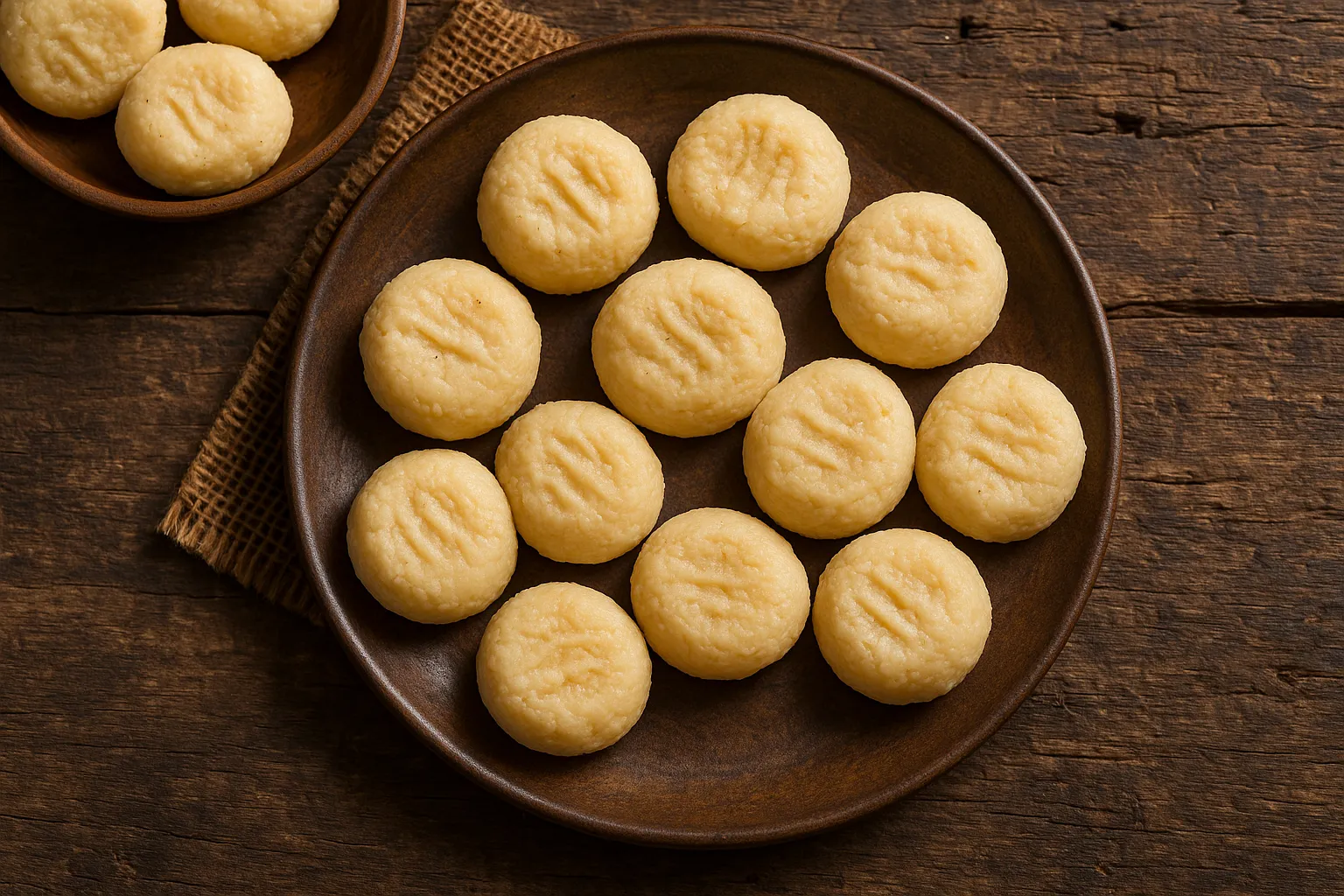
Quick Nutrition Facts
Per 1 Piece (25g)
| Nutrient | Amount |
|---|---|
| Calories | 103 kcal |
| Protein | 3.2g |
| Carbohydrates | 12.8g |
| Fiber | 0g |
| Sugars | 12.8g |
| Fat | 4.3g |
| Calcium | 80mg |
| Vitamin A | 38mcg |
| Phosphorus | 65mg |
| Cholesterol | 18mg |
Macronutrient Breakdown
 ChatGPT
  Claude
  AI Mode
  Perplexity
NUTRITIONIST INSIGHT
Pal Pova provides quality dairy protein and calcium from milk solids, but high sugar content (12.8g per piece) requires moderation. Enjoy as festive treat, not daily snack.
Myth Busters
MYTH #1: Pal Pova Is Healthy Because It's Made From Milk
TRUTH: While Pal Pova provides dairy nutrients, one piece contains 12.8g sugar and 103 calories. The concentration process removes water but concentrates both nutrients and calories. Enjoy occasionally, not daily.
MYTH #2: Homemade Pal Pova Is Low-Calorie
TRUTH: Homemade and store-bought versions have similar calories (400-450 kcal per 100g) as both use khoa (milk solids) and sugar as primary ingredients. Homemade may have slightly less sugar but remains calorie-dense.
MYTH #3: You Can Eat Unlimited Pal Pova During Pregnancy
TRUTH: While dairy calcium supports pregnancy, the high sugar content in Pal Pova can contribute to excessive weight gain and gestational diabetes risk. Limit to 1 piece weekly; choose fresh milk and yogurt for daily calcium.
MYTH #4: Pal Pova Helps Build Muscle Because of Protein
TRUTH: One piece has only 3.2g protein - far less than needed post-workout (20-30g). Better protein sources include paneer (18g per 100g), Greek yogurt (10g), or protein powder. Use Pal Pova as occasional treat, not protein source.
NutriScore by Health Goals
| Health Goal | NutriScore | Why This Score? |
|---|---|---|
| Weight Loss |  | Very calorie-dense (411 kcal/100g), high sugar. Avoid or limit to half piece monthly. |
| Muscle Gain |  | Provides some dairy protein but too much sugar for optimal muscle building. Better options exist. |
| Diabetes Management | | Very high sugar (51g per 100g) causes rapid blood sugar spikes. Avoid completely or limit to tiny portions (12.5g = half piece) during special occasions with glucose monitoring. |
| PCOS Management | | High sugar worsens insulin resistance central to PCOS. Avoid; choose protein-rich alternatives. |
| Pregnancy Nutrition | | Provides calcium and protein for fetal development, but excess sugar risks gestational diabetes. Limit to 1 piece weekly. |
| Viral/Flu Recovery | | Provides quick energy and some protein, but better recovery foods exist. Use if appetite is low and you need easy calories. |
PERSONALIZED NUTRITION
Track your meals with NutriScan for personalized NutriScores based on your specific health goals!
Blood Sugar Response to Pal Pova
Understanding how this sweet affects blood glucose helps you make informed decisions about when and how much to consume.
Typical Glucose Response Curve
This chart shows typical blood glucose response for general healthy individuals. Individual responses may vary. Not medical advice.
How to Moderate Blood Sugar Impact
If consuming Pal Pova, these strategies help reduce glucose spikes:
- 🥜 Handful of almonds or cashews - Healthy fats and protein slow sugar absorption
- 🥛 Drink with milk or lassi - Additional protein buffers glucose response
- ⏰ Eat after a balanced meal - Never on empty stomach
- 🚶 10-minute walk after eating - Physical activity helps clear glucose
Medical disclaimer: This is general guidance. Consult healthcare provider for personalized diabetes management.
Cultural Significance
Pal Pova (also called Palkova or Milk Peda) is a cherished sweet across South India and Maharashtra.
Historical Context:
- Ancient preparation dating back centuries in Tamil Nadu
- Traditional festival sweet for Diwali, weddings, and religious ceremonies
- Khoa-based sweets like Peda have high nutritional value and cultural importance
- Originally made to preserve milk before refrigeration
Regional Variations:
- Tamil Nadu Palkova: Softer texture, light brown from slow cooking
- Mathura Peda: Firmer, lighter colored, smaller portions
- Karnataka Variations: Sometimes flavored with rose or saffron
- Maharashtra: Known as Doodh Peda, often decorated with pistachios
Modern Context:
- Popular gift during festivals and celebrations
- Available year-round in sweet shops across India
- Premium versions use pure ghee and dry fruits
- Growing health-conscious variants with reduced sugar
Compare & Substitute
Pal Pova vs Indian Sweets (Per 100g)
| Nutrient | 🍮 Pal Pova | 🥛 Rasgulla | 🧀 Sandesh | 🥜 Kaju Katli |
|---|---|---|---|---|
| Calories | 411 kcal | 186 kcal | 280 kcal | 460 kcal |
| Carbs | 51.3g | 40g | 35g | 52g |
| Protein | 12.9g | 4g | 16g | 8g |
| Fat | 17.1g | 1.5g | 12g | 22g |
| Sugar | 51g | 38g | 30g | 50g |
| Calcium | 320mg | 150mg | 400mg | 60mg |
| Best For | High protein | Lower calorie | High calcium | Special occasions |
Frequently Asked Questions
Is Pal Pova healthy?
Pal Pova is calorie-dense (411 kcal per 100g) with high sugar (51g) but provides quality dairy protein (12.9g) and calcium (320mg). It's healthier than many fried sweets but should still be occasional treat.
Best practices: Limit to 1 piece (25g) weekly; choose homemade with less sugar; pair with nuts to slow glucose absorption; prioritize fresh dairy for daily calcium needs.
How many calories are in one Pal Pova?
One medium piece (25g) contains 103 calories. Larger pieces (35-40g) can have 140-165 calories; small pieces (15g) about 62 calories.
Comparison: 1 piece Pal Pova = 1 small gulab jamun = 2 rasgullas = half slice of cake.
Can diabetics eat Pal Pova?
Diabetics should avoid or severely limit Pal Pova due to very high sugar content (12.8g per piece, 51g per 100g) that causes rapid blood sugar spikes.
If consumed: Half piece (12.5g) maximum during special occasions only; eat after protein-rich meal never alone; pair with handful of nuts; monitor blood sugar 1-2 hours after; account for carbs in daily total.
Better sweet alternatives: Sugar-free yogurt with berries, small piece of dark chocolate (70%+), or handful of dates.
Is Pal Pova good for pregnancy?
Pal Pova provides beneficial calcium and protein but requires strict moderation during pregnancy due to high sugar and calories.
Pregnancy guidance: Maximum 1 piece weekly as treat; choose versions with visible dry fruits for extra nutrients; never replace balanced meals with sweets; monitor weight gain as per healthcare provider; prioritize milk, yogurt, and paneer for daily calcium and protein needs.
Excessive sugar intake during pregnancy increases gestational diabetes risk and can lead to complications.
What is Pal Pova made of?
Traditional Ingredients:
- Khoa (Mawa): Reduced milk solids - the base (provides protein and calcium)
- Sugar: Sweetener (contributes majority of carbs)
- Cardamom: Flavoring (adds aroma)
- Optional: Saffron threads, pistachios, almonds, rose water
Preparation: Milk is slowly cooked for hours until water evaporates and milk solids concentrate, then mixed with sugar and flavored. The mixture is shaped into rounds and often garnished.
What are healthier alternatives to Pal Pova?
Lower-Calorie Options:
- Rasgulla: 186 kcal per 100g (55% fewer calories)
- Fresh fruit with Greek yogurt: 120 kcal per serving, higher protein
- Homemade banana ice cream: 89 kcal per 100g, natural sweetness
Higher-Protein Options:
- Sandesh: 16g protein per 100g, lower sugar
- Paneer with honey: 18g protein, controlled portions
- Protein smoothie with dates: 20g+ protein, natural sweetness
Choose based on goals - Rasgulla for calorie control, Sandesh for protein, fresh fruit for nutrients.


Similar Nutritious Foods
4505 Chicharrones Classic Chili Salt
7 Eleven Japan Crispy Corn Cheese
Explore More Nutrition Tools & Resources
AI Calorie Counter App - Snap a Photo, Get Macros
AI Nutritionist App That Reads Your Logged Meals
Best Protein Supplements for Women
Bulking Meal Plan App That Sets Your Surplus
ChatGPT Calorie Counter Alternative That Keeps the Total
ChatGPT Diet Plan Alternative That Tracks What You Eat
ChatGPT Weight Loss Coach Alternative With a Food Log
Fast Food Calorie Counter App That Reads the Tray
Free Calorie Tracker App with AI Photo Scans | NutriScan
Indian Diet Plan App With Veg and Non Veg Meals
Indian Food Calorie Calculator - Get Instant Nutrition Facts for Desi Meals — 2026
Intermittent Fasting for Women, Timer and Meal Log App
Intermittent Fasting Tracker App - Free Fasting Timer
Macro Tracker App That Fills the Numbers From a Photo
Mediterranean Diet Meal Plan App That Counts the Oil
Micronutrient Tracker App for Vitamins and Minerals
MyFitnessPal Alternative That Stays Free | NutriScan
NutriScore App: A Free Grade on Every Meal | NutriScan
Nutrition Label Scanner App for the Amount You Ate
Second Trimester Protein Guide
Vegetarian Meal Plan App With a Protein Target
Voice Calorie Counter - Speak to Track Meals Hands-Free
Water and Calorie Tracker App - Free Water Log