Potatoes: Calories, Nutrition and Health Benefits
The world's most versatile vegetable—preparation method determines whether it's a weight loss ally or diabetes risk.
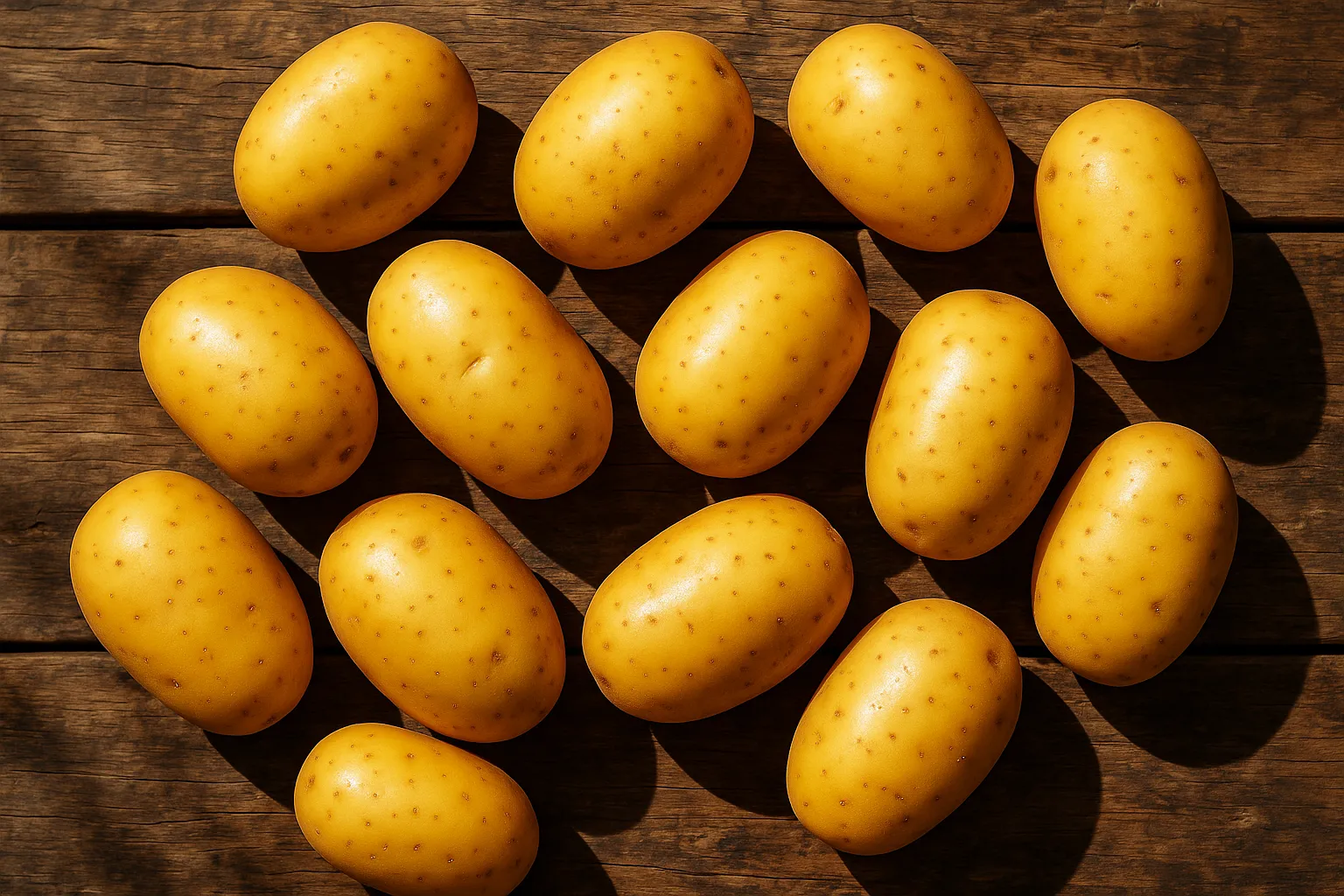
Quick Nutrition Facts
Per 100g Baked Potato (with skin)
| Nutrient | Amount |
|---|---|
| Calories | 93 kcal |
| Protein | 2.5g |
| Carbohydrates | 21g |
| Fiber | 2.3g |
| Sugars | 1.2g |
| Fat | 0.1g |
| Potassium | 544mg |
| Vitamin C | 9.6mg |
| Vitamin B6 | 0.3mg |
| Iron | 1.1mg |
Macronutrient Breakdown
 ChatGPT
  Claude
  AI Mode
  Perplexity
NUTRITIONIST INSIGHT
Cooling cooked potatoes for 24 hours creates resistant starch that reduces digestible carbs by up to 25% and lowers glycemic response. The preparation method matters more than the potato itself.
Myth Busters
MYTH #1: Potatoes Cause Weight Gain
TRUTH: Baked potatoes provide only 93 calories per 100g with high satiety—they actually rank highest on the satiety index, keeping you fuller longer. Weight gain comes from preparation (frying adds 3x calories) and toppings (butter, sour cream). Plain baked or boiled potatoes support weight loss.
MYTH #2: Diabetics Should Avoid All Potatoes
TRUTH: Preparation changes everything. Boiled potatoes (GI 50-70) have much lower glycemic impact than baked (GI 85-111). Cooled potatoes with resistant starch improve insulin sensitivity. Pair with protein or fat to minimize blood sugar spikes. Avoid french fries—they increase diabetes risk.
MYTH #3: White Potatoes Have No Nutritional Value
TRUTH: One medium potato provides 28% daily vitamin C, 26% potassium, plus B6 and iron. The skin contains 50% of fiber and nutrients. White potatoes are more nutrient-dense than commonly believed—they're vegetables, not empty carbs.
MYTH #4: Sweet Potatoes Are Always Healthier Than White
TRUTH: Both have merits. Sweet potatoes have more vitamin A (beta-carotene), white potatoes have more potassium and vitamin C. White potatoes have higher satiety and often lower GI when boiled. Choose based on your nutritional needs, not marketing hype.
MYTH #5: You Must Remove Potato Skin for Health
TRUTH: The skin is the healthiest part—it contains 50% of fiber, iron, and B vitamins. One medium potato with skin provides 3.8g fiber vs 2.3g without. Only remove if potatoes are damaged or green (solanine toxin). Always wash thoroughly.
MYTH #6: Potatoes Are High in Sugar
TRUTH: Potatoes contain only 1.2g sugar per 100g—less than most fruits. The confusion comes from starch converting to glucose during digestion. The glycemic response depends entirely on preparation: boiled with skin is moderate GI, french fries are high GI.
NutriScore by Health Goals
| Health Goal | NutriScore | Why This Score? |
|---|---|---|
| Weight Loss |  | 93 calories, highest satiety index among foods, resistant starch when cooled. Bake or boil, avoid frying. |
| Muscle Gain | | Good post-workout carbs (21g/100g), 544mg potassium prevents cramps, vitamin B6 for protein metabolism. |
| Diabetes Management |  | Boiled potatoes have moderate GI (50-70), cooled for resistant starch benefits. Avoid baked (GI 85-111) and fries. Pair with protein. |
| PCOS Management | | High GI can worsen insulin resistance. Choose boiled, eat cooled, pair with protein, limit portions to 100-150g. |
| Pregnancy Nutrition |  | Rich in vitamin C (immune support), B6 (reduces nausea), potassium (prevents leg cramps), folate for fetal development. Safe and nutritious. |
| Viral/Flu Recovery | | Easy to digest, vitamin C for immunity, potassium for electrolyte balance. Comfort food that provides steady energy. |
PERSONALIZED NUTRITION
Track your meals with NutriScan for personalized NutriScores based on your specific health goals!
Blood Sugar Response to Potatoes
Understanding how preparation methods affect blood glucose can help you make informed decisions.
Typical Glucose Response Curve (Boiled Potato)
*This chart shows typical blood glucose response for boiled potato (GI 50-70). Baked potatoes (GI 85-111) create higher spikes. Individual responses vary. Not medical advice.*
How to Optimize Potato Blood Sugar Response
Preparation method and pairings dramatically affect glycemic impact:
- ❄️ Cool and reheat - Creates resistant starch, reduces digestible carbs by 25%
- 🥚 Pair with protein - Eggs, chicken, fish slow glucose absorption
- 🫒 Add healthy fat - Olive oil, avocado extend energy release
- 🥗 Eat with vegetables - Fiber further lowers glycemic response
Best preparation: Boil with skin, cool 24 hours, reheat gently, serve with protein and vegetables. Avoid deep frying completely.
Cultural Significance
Potatoes originated in the Peruvian Andes 8,000 years ago and have become the world's fourth-largest food crop.
Historical Impact:
- Brought to Europe by Spanish conquistadors in the 1500s
- Saved millions from famine in 18th-19th century Europe
- Irish Potato Famine (1845-1852) showed over-reliance risks
- Became a dietary staple across every continent
In India:
- Introduced by Portuguese in 17th century
- "Aloo" is now essential to Indian cuisine
- Used in 100+ dishes: aloo paratha, aloo gobi, aloo tikki, samosa filling
- Second-largest producer globally (after China)
- Crucial for food security and farmer income
Global Production:
- 370 million tons grown annually worldwide
- 5,000+ varieties exist globally
- Grows in 160+ countries from sea level to 4,000m altitude
- 60% consumed in developing countries
Nutritional Evolution:
- Once considered "food of the poor," now recognized for nutrition
- NASA studying for space food (high yield, complete nutrition with dairy)
- Resistant starch benefits only discovered in 1990s
Compare & Substitute
Potato vs Similar Starchy Foods (Per 100g)
| Nutrient | 🥔 Baked Potato | 🍠 Sweet Potato | 🍚 White Rice (cooked) | 🍝 Pasta (cooked) |
|---|---|---|---|---|
| Calories | 93 kcal | 90 kcal | 130 kcal | 131 kcal |
| Carbs | 21g | 21g | 28g | 25g |
| Fiber | 2.3g | 3g | 0.4g | 1.8g |
| Protein | 2.5g | 2g | 2.7g | 5g |
| Fat | 0.1g | 0.2g | 0.3g | 1.1g |
| Potassium | 544mg | 475mg | 35mg | 44mg |
| Vitamin C | 9.6mg | 19.6mg | 0mg | 0mg |
| GI (boiled) | 50-70 | 44-61 | 64-89 | 45-55 |
| Best For | High satiety, potassium | Vitamin A, sweet flavor | Budget staple, quick energy | Sustained energy, protein |
Frequently Asked Questions
Are potatoes good for weight loss?
Yes, when prepared correctly. Baked or boiled potatoes provide only 93 calories per 100g and rank highest on the satiety index—meaning they keep you fuller longer than most foods. Cooling cooked potatoes creates resistant starch that reduces digestible calories by up to 25%. The key: avoid frying (french fries have 312 cal/100g) and heavy toppings. Best: boil with skin, cool overnight, pair with protein; limit to 150-200g per meal for weight loss.
Can diabetics eat potatoes?
Diabetics can eat potatoes with strategic preparation. Boiled potatoes (GI 50-70) have much lower impact than baked (GI 85-111). Cooling creates resistant starch that improves insulin sensitivity and reduces glucose spikes by 25-40%. Best practices: boil with skin, cool 24 hours, reheat gently; eat 100-150g portions; pair with protein (chicken, fish) or healthy fat (olive oil); avoid french fries completely—they increase type 2 diabetes risk by 20%. Monitor blood sugar 2 hours after eating to determine personal tolerance.
Do potatoes have any vitamins?
Yes, potatoes are surprisingly nutrient-dense. One medium potato (173g) with skin provides: 28% daily vitamin C (immune support, collagen production), 26% potassium (more than bananas—crucial for blood pressure), 27% vitamin B6 (protein metabolism, brain health), 12% iron (oxygen transport), plus folate and magnesium. The skin contains 50% of these nutrients—eating it doubles fiber intake (3.8g vs 2.3g). White potatoes are vegetables, not empty carbs.
What is resistant starch in potatoes?
Resistant starch forms when cooked potatoes cool (4-5°C for 24 hours). This starch resists digestion, acting like fiber: reduces digestible carbs by 25%, lowers glycemic response 25-40%, improves insulin sensitivity, feeds beneficial gut bacteria. Reheating partially preserves benefits (don't exceed 130°C). Works for: boiled, baked, steamed potatoes (not fried—destroys resistant starch). Easy: batch cook potatoes Sunday, refrigerate, reheat throughout week for lower-carb meals.
Are baked potatoes healthier than fried?
Yes, dramatically different. Baked potato: 93 cal/100g, 0.1g fat, moderate GI when boiled, high satiety, nutrients intact. French fries: 312 cal/100g, 15g fat, high GI, acrylamide (potential carcinogen from high-heat frying), increase diabetes risk 20% vs baked. Deep frying destroys vitamin C, adds inflammatory oils, creates harmful compounds. Healthiest preparation: boil with skin (lowest GI, preserves nutrients), then bake for texture if desired. Air frying is better than deep frying but still less healthy than boiling.
Should I eat potato skin?
Yes, always when possible. Potato skin contains 50% of total fiber (3.8g with skin vs 2.3g without), 50% of iron and B vitamins, plus antioxidants. The skin also has the highest concentration of potassium and vitamin C. Preparation: scrub thoroughly under running water to remove dirt and pesticide residue; remove any green parts (contain toxic solanine); avoid if damaged or sprouted. Exception: peel if potatoes are conventionally grown and you're concerned about pesticides. Organic potatoes with skin are ideal for maximum nutrition.




Similar Nutritious Foods
4505 Chicharrones Classic Chili Salt
7 Eleven Japan Crispy Corn Cheese
Explore More Nutrition Tools & Resources
AI Calorie Counter App - Snap a Photo, Get Macros
AI Nutritionist App That Reads Your Logged Meals
Best Protein Supplements for Women
Bulking Meal Plan App That Sets Your Surplus
ChatGPT Calorie Counter Alternative That Keeps the Total
ChatGPT Diet Plan Alternative That Tracks What You Eat
ChatGPT Weight Loss Coach Alternative With a Food Log
Fast Food Calorie Counter App That Reads the Tray
Free Calorie Tracker App with AI Photo Scans | NutriScan
Indian Diet Plan App With Veg and Non Veg Meals
Indian Food Calorie Calculator - Get Instant Nutrition Facts for Desi Meals — 2026
Intermittent Fasting for Women, Timer and Meal Log App
Intermittent Fasting Tracker App - Free Fasting Timer
Macro Tracker App That Fills the Numbers From a Photo
Mediterranean Diet Meal Plan App That Counts the Oil
Micronutrient Tracker App for Vitamins and Minerals
MyFitnessPal Alternative That Stays Free | NutriScan
NutriScore App: A Free Grade on Every Meal | NutriScan
Nutrition Label Scanner App for the Amount You Ate
Second Trimester Protein Guide
Vegetarian Meal Plan App With a Protein Target
Voice Calorie Counter - Speak to Track Meals Hands-Free
Water and Calorie Tracker App - Free Water Log