Ragi (Finger Millet): Calories, Nutrition and Health Benefits
Ancient Indian superfood with 10x more calcium than rice, perfect for diabetes management, bone health, and sustainable nutrition.
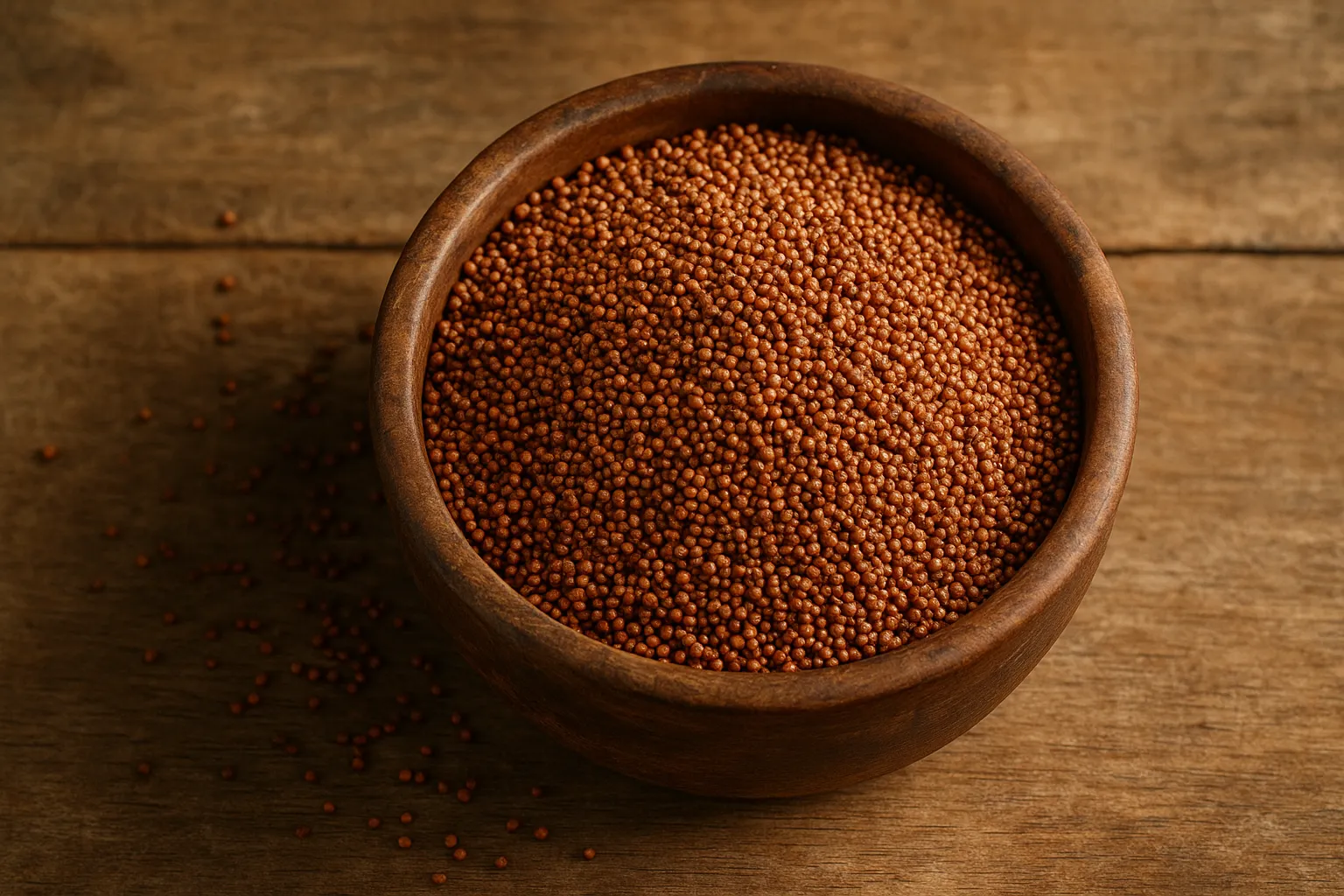
Quick Nutrition Facts
Per 100g Ragi (Finger Millet)
| Nutrient | Amount |
|---|---|
| Calories | 336 kcal |
| Protein | 7.3g |
| Carbohydrates | 72g |
| Fiber | 3.6g |
| Sugars | 0.6g |
| Fat | 1.3g |
| Calcium | 344mg |
| Iron | 3.9mg |
| Magnesium | 137mg |
| Phosphorus | 283mg |
Macronutrient Breakdown
 ChatGPT
  Claude
  AI Mode
  Perplexity
NUTRITIONIST INSIGHT
Ragi's 344mg calcium per 100g is 10x more than rice and 3x more than milk. The polyphenols and fiber make it exceptional for diabetes management with a moderate glycemic index (54-68).
Ragi Nutrition Facts Per 100 g, Per Bowl and Per Roti
Ragi, or finger millet, is a whole grain milled into flour, so the numbers below are for the flour before cooking. A 30 g column is included because that is roughly what one ragi roti takes.
| Nutrient | Per 100 g | Per 50 g bowl | Per 30 g roti |
|---|---|---|---|
| Calories | 336 kcal | 168 kcal | 101 kcal |
| Protein | 7.3 g | 3.7 g | 2.2 g |
| Carbohydrates | 72 g | 36 g | 21.6 g |
| Sugars | 0.6 g | 0.3 g | 0.2 g |
| Fiber | 3.6 g | 1.8 g | 1.1 g |
| Fat | 1.3 g | 0.65 g | 0.4 g |
| Calcium | 344 mg | 172 mg | 103 mg |
| Iron | 3.9 mg | 2 mg | 1.2 mg |
| Magnesium | 137 mg | 69 mg | 41 mg |
| Phosphorus | 283 mg | 142 mg | 85 mg |
Carbohydrate carries the calories here: 72 g per 100 g, which puts ragi flour in the same band as wheat or rice flour rather than below it. Ragi is a swap for the nutrients, not for the calorie count.
Calcium is the number that actually sets it apart. At 344 mg per 100 g, no other common cereal grain comes close, and one roti still delivers around 103 mg. Ragi is also naturally gluten free, which wheat and barley are not.
Ragi vs two close whole grains, per 100 g uncooked
| Per 100 g uncooked | Ragi | Oats | Quinoa |
|---|---|---|---|
| Calories | 336 kcal | 389 kcal | 368 kcal |
| Protein | 7.3 g | 16.9 g | 14.1 g |
| Fiber | 3.6 g | 10.6 g | 7 g |
Ragi loses on protein and fiber and wins on calcium. Quinoa figures here are uncooked grain from USDA FoodData Central so all three columns share one basis.
Myth Busters
MYTH #1: Ragi Causes Weight Gain Because It's High in Carbs
TRUTH: While ragi contains 72g carbs per 100g, its high fiber (3.6g) and tryptophan amino acid actually promote fullness and reduce appetite. The moderate GI (54-68) prevents blood sugar spikes that trigger fat storage. Weight gain comes from excess calories, not ragi itself.
MYTH #2: Ragi Is Only for Diabetics
TRUTH: While ragi is excellent for diabetes management, its benefits extend to bone health (calcium), weight loss (fiber), pregnancy (calcium + iron), anemia prevention (iron), and general nutrition. Everyone from babies to elderly can benefit from ragi's nutrient density.
MYTH #3: Ragi Has No Protein Compared to Wheat
TRUTH: Ragi provides 7.3g protein per 100g, comparable to rice (6.8g) and only slightly less than wheat (10-12g). The protein quality is enhanced by essential amino acids like methionine. For vegetarians, ragi is a valuable protein source when combined with pulses.
MYTH #4: Ragi Is Difficult to Digest
TRUTH: Ragi is actually easier to digest than wheat due to lack of gluten. The fermentation process in traditional preparations (ragi dosa, ragi ambli) further enhances digestibility. Only those with specific grain sensitivities may experience issues.
MYTH #5: Brown/Red Color Means Ragi Is Processed
TRUTH: The reddish-brown color is natural, coming from polyphenols and tannins that provide antioxidant benefits. Darker varieties often have higher polyphenol content. The natural color indicates authenticity, not processing.
MYTH #6: Ragi Is Outdated and Inferior to Modern Grains
TRUTH: The UN designated 2023 as the International Year of Millets, recognizing ragi's nutritional superiority and climate resilience. Modern research validates ancient wisdom - ragi outperforms rice and wheat in calcium, iron, amino acids, and sustainability.
NutriScore by Health Goals
| Health Goal | NutriScore | Why This Score? |
|---|---|---|
| Weight Loss |  | High fiber (3.6g) and tryptophan promote satiety, moderate GI controls hunger. Portion control needed (1 cup cooked = 120 kcal). |
| Muscle Gain | | Provides 7.3g protein per 100g with essential amino acids. Combine with pulses for complete protein profile. |
| Diabetes Management |  | Moderate GI (54-68) and polyphenols improve glucose control. Studies show reduced fasting blood glucose with regular consumption. |
| PCOS Management | | Low GI stabilizes insulin, high fiber regulates hormones, calcium supports reproductive health. Ideal grain for PCOS diet. |
| Pregnancy Nutrition | | Exceptional calcium (344mg) for fetal bone development, iron (3.9mg) prevents anemia, folate supports neural tube development. |
| Viral/Flu Recovery | | Easy to digest, provides sustained energy, iron supports immunity. Ragi porridge ideal for recovery nutrition. |
PERSONALIZED NUTRITION
Track your meals with NutriScan for personalized NutriScores based on your specific health goals!
Blood Sugar Response to Ragi
Understanding how ragi affects blood glucose helps diabetics and weight watchers make informed meal decisions.
Typical Glucose Response Curve
This chart shows typical blood glucose response for general healthy individuals. Individual responses may vary. Not medical advice.
How to Optimize Ragi for Blood Sugar Control
Pairing ragi with protein, fat, and vegetables further reduces glycemic impact:
- 🥬 Leafy vegetables (spinach, methi) - Add fiber and micronutrients
- 🥜 Nuts or seeds (almonds, sesame) - Healthy fats slow absorption
- 🥛 Curd or buttermilk - Protein and probiotics aid digestion
- 🫘 Pulses or dals - Complete protein and additional fiber
Traditional preparations like ragi mudde with sambar or ragi roti with vegetable curry naturally combine these elements for balanced blood sugar response.
Cultural Significance
Ragi (finger millet) has been cultivated in East Africa and India for over 5,000 years, making it one of humanity's oldest grains.
In India:
- Staple grain in Karnataka (ragi mudde/sangati), Tamil Nadu (ragi kanji), and Andhra Pradesh
- Traditional baby food (ragi java/porridge) for 6+ month infants
- Used in religious offerings and festivals across South India
- ICMR (Indian Council of Medical Research) recommends millets for National Nutrition Mission
- Varieties: Red ragi (high polyphenols), white ragi (milder taste), brown ragi (standard)
Global Impact:
- UN declared 2023 as International Year of Millets to promote climate-resilient crops
- Climate-smart: thrives in drought conditions with minimal water (requires 1/3rd water vs rice)
- Grown across India, Africa, Nepal, China - feeds 100+ million people
- Sustainable agriculture: improves soil health, requires no pesticides
- Carbon sequestration: millets capture 3x more CO2 than rice paddies
Compare & Substitute
Ragi vs Other Grains & Millets (Per 100g)
| Nutrient | 🌾 Ragi | 🍚 White Rice | 🍚 Brown Rice | 🌾 Wheat | 🌾 Quinoa |
|---|---|---|---|---|---|
| Calories | 336 kcal | 130 kcal | 123 kcal | 340 kcal | 368 kcal |
| Carbs | 72g | 28g | 26g | 71g | 64g |
| Fiber | 3.6g | 0.4g | 1.8g | 12.2g | 7g |
| Protein | 7.3g | 2.7g | 2.6g | 11.8g | 14.1g |
| Fat | 1.3g | 0.3g | 0.9g | 1.5g | 6.1g |
| Calcium | 344mg | 10mg | 23mg | 29mg | 47mg |
| Iron | 3.9mg | 0.8mg | 0.8mg | 3.6mg | 4.6mg |
| GI | 54-68 | 73 | 68 | 75 | 53 |
| Best For | Calcium needs, diabetes, bone health | Quick energy, low fiber diet | Weight loss, better than white | Protein, bread-making | Complete protein, weight loss |
Frequently Asked Questions
Is ragi good for weight loss?
Yes, ragi effectively supports weight loss through multiple mechanisms. The high fiber content (3.6g per 100g) promotes fullness and reduces overall calorie intake. Tryptophan amino acid naturally suppresses appetite. The moderate glycemic index (54-68) prevents insulin spikes that trigger fat storage.
Best practices: Replace 1-2 meals with ragi (ragi roti, ragi dosa, ragi mudde); combine with vegetables and protein; avoid adding excessive oil or ghee; 1 cup cooked ragi = 120 calories vs 200 for rice.
Can diabetics eat ragi?
Absolutely - ragi is one of the best grains for diabetics. Studies show regular ragi consumption can reduce fasting blood glucose levels due to polyphenols, fiber, and moderate GI (54-68).
Tips for diabetics:
- Consume 30-50g ragi daily (dry weight) for optimal benefits
- Choose whole grain forms; avoid processed ragi products with added sugars
- Pair with vegetables, protein (dals, curd) to further lower glycemic impact
- Monitor blood sugar 2 hours after eating to understand your personal response
- Best forms: ragi mudde, ragi roti, ragi dosa, ragi ambli
Always consult your healthcare provider or dietitian for personalized advice.
How much calcium is in ragi?
Ragi contains 344mg of calcium per 100g, making it one of the richest plant-based calcium sources. This is approximately:
- 10 times more than white rice (10mg)
- 15 times more than brown rice (23mg)
- 3 times more than milk (120mg)
- 7 times more than wheat (29mg)
For pregnancy, lactation, growing children, and those with osteoporosis risk, ragi provides exceptional calcium without dairy. 100g ragi meets ~30% of daily calcium needs (1000-1300mg recommended).
What are the main health benefits of ragi?
Key Benefits:
- Bone Health: Exceptional calcium (344mg) strengthens bones, prevents osteoporosis
- Diabetes Control: Moderate GI and polyphenols improve blood sugar regulation
- Weight Management: High fiber and tryptophan promote fullness, reduce cravings
- Anemia Prevention: Iron (3.9mg) boosts hemoglobin, especially beneficial for women
- Heart Health: Fiber, magnesium, and amino acids support cardiovascular function
- Pregnancy Nutrition: Calcium, iron, and folate support maternal and fetal health
- Gluten-Free: Safe alternative for celiac disease and gluten sensitivity
- Sustainable Nutrition: Climate-resilient, environmentally friendly crop
Is ragi better than wheat or rice?
Nutritionally, ragi surpasses both wheat and rice in several aspects:
Ragi advantages:
- 10x more calcium than rice
- 3x more fiber than white rice
- Lower glycemic index than both (better blood sugar control)
- Gluten-free (wheat is not)
- Higher iron content
- More sustainable (requires less water)
Wheat advantages:
- Higher protein (11.8g vs 7.3g)
- Better for bread-making (gluten content)
- More familiar taste for many people
Rice advantages:
- Lower calories when cooked
- Milder taste, more versatile
- Easier to cook and digest for some
Recommendation: Use ragi for 1-2 meals daily alongside wheat/rice for nutritional diversity. Ragi excels for diabetes, bone health, and weight loss goals.
Can babies and children eat ragi?
Yes, ragi is highly recommended for babies 6+ months and children. Pediatric nutritionists favor ragi for:
Benefits for babies:
- Calcium (344mg) supports rapid bone and teeth development
- Iron (3.9mg) prevents anemia and supports brain development
- Easy to digest, gentle on developing digestive system
- Natural source of amino acids for growth
How to introduce:
- Start with ragi porridge (ragi java) at 6-7 months
- Mix with breast milk, formula, or water
- Gradually increase consistency from thin to thick
- Watch for allergic reactions (rare but possible)
- Progress to ragi dosa, ragi idli by 8-10 months
Precautions: Always consult pediatrician before introducing new foods; start with small amounts; ensure ragi is well-cooked and smooth for babies; organic ragi preferred to avoid pesticide residues.
How should I cook ragi?
Ragi is versatile with multiple traditional and modern preparations:
Traditional Indian recipes:
- Ragi mudde/sangati: Balls of cooked ragi flour with sambar/curry (Karnataka staple)
- Ragi roti: Flatbread made from ragi flour
- Ragi dosa: Fermented crepes with ragi and rice
- Ragi java/kanji: Porridge for babies and adults
- Ragi ambli: Fermented drink from Karnataka
Modern preparations:
- Ragi cookies and biscuits
- Ragi pancakes with banana
- Ragi smoothies with fruits
- Ragi upma or khichdi
- Ragi bread (mix with wheat flour for structure)
Cooking tips: Mix ragi flour with wheat flour (50:50) for better texture in rotis; ferment ragi batter for dosa/idli to enhance digestibility; add jaggery or dates for natural sweetness in porridge; roast ragi flour before use for nuttier flavor.
Does ragi have any side effects?
Ragi is generally safe for most people when consumed in moderate amounts, but be aware of:
Potential issues:
- Oxalates: Ragi contains oxalates that may interfere with calcium absorption in very high amounts. Soaking, fermenting, or cooking reduces oxalates. Those with kidney stones should consult a doctor.
- Thyroid concerns: Like all millets, excessive ragi consumption (>100g daily) may affect thyroid function in susceptible individuals due to goitrogens. Moderate intake is safe.
- Digestive discomfort: Some people experience bloating when first introducing ragi. Start with small portions and increase gradually.
- Allergies: Rare but possible. Discontinue if you experience rash, itching, or digestive upset.
Safe consumption: 30-100g daily is ideal for most adults. Ensure variety in your diet - don't rely solely on ragi. Pregnant/lactating women and those with thyroid conditions should consult healthcare providers.


Similar Nutritious Grains
4505 Chicharrones Classic Chili Salt
7 Eleven Japan Crispy Corn Cheese
Explore More Nutrition Tools & Resources
AI Calorie Counter App - Snap a Photo, Get Macros
AI Nutritionist App That Reads Your Logged Meals
Best Protein Supplements for Women
Bulking Meal Plan App That Sets Your Surplus
ChatGPT Calorie Counter Alternative That Keeps the Total
ChatGPT Diet Plan Alternative That Tracks What You Eat
ChatGPT Weight Loss Coach Alternative With a Food Log
Fast Food Calorie Counter App That Reads the Tray
Free Calorie Tracker App with AI Photo Scans | NutriScan
Indian Diet Plan App With Veg and Non Veg Meals
Indian Food Calorie Calculator - Get Instant Nutrition Facts for Desi Meals — 2026
Intermittent Fasting for Women, Timer and Meal Log App
Intermittent Fasting Tracker App - Free Fasting Timer
Macro Tracker App That Fills the Numbers From a Photo
Mediterranean Diet Meal Plan App That Counts the Oil
Micronutrient Tracker App for Vitamins and Minerals
MyFitnessPal Alternative That Stays Free | NutriScan
NutriScore App: A Free Grade on Every Meal | NutriScan
Nutrition Label Scanner App for the Amount You Ate
Second Trimester Protein Guide
Vegetarian Meal Plan App With a Protein Target
Voice Calorie Counter - Speak to Track Meals Hands-Free
Water and Calorie Tracker App - Free Water Log