Spiced Savory Oats: Calories, Nutrition and Health Benefits
A nutritious Indian breakfast packed with fiber, protein, and complex carbs for sustained energy and weight management.
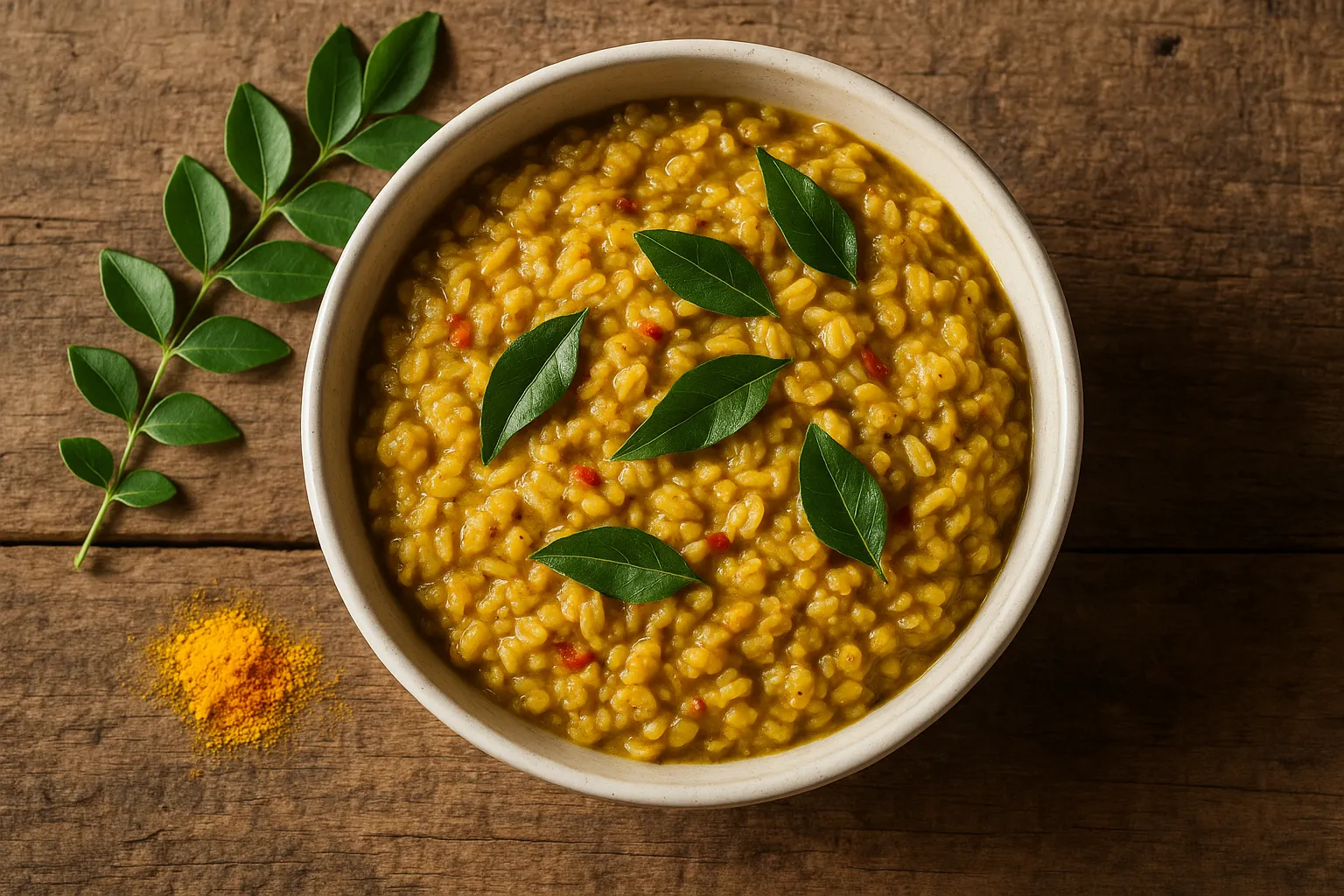
Quick Nutrition Facts
Per 1 Cup Cooked (234g)
| Nutrient | Amount |
|---|---|
| Calories | 159 kcal |
| Protein | 6g |
| Carbohydrates | 27g |
| Fiber | 4g |
| Sugars | 0.6g |
| Fat | 3.2g |
| Iron | 2.1mg |
| Magnesium | 63mg |
| Phosphorus | 180mg |
| Zinc | 2.3mg |
Macronutrient Breakdown
 ChatGPT
  Claude
  AI Mode
  Perplexity
NUTRITIONIST INSIGHT
Savory oats with vegetables and spices provide sustained energy for 4-6 hours. The beta-glucan fiber improves insulin sensitivity and reduces cholesterol by 5-10% when consumed regularly.
Myth Busters
MYTH #1: Oats Are Only for Sweet Breakfast
TRUTH: Savory oats are a traditional Indian breakfast across many regions. Oats work perfectly with spices, vegetables, and protein for a complete balanced meal without added sugars.
MYTH #2: Oats Cause Weight Gain
TRUTH: Oats promote weight loss through satiety. With 10.6g fiber per 100g and only 68 calories, they reduce overall calorie intake by keeping you full for hours.
MYTH #3: Instant Oats Are As Healthy As Rolled Oats
TRUTH: Rolled oats have lower glycemic index (55 vs 66-83 for instant). They retain more fiber structure and provide better blood sugar control. Choose steel-cut or rolled oats over instant varieties.
MYTH #4: Oats Have No Protein
TRUTH: Oats contain 16.9g protein per 100g dry weight, more than most grains. One cup cooked provides 6g protein. Add eggs, paneer, or nuts to reach 15-25g per meal for muscle gain.
NutriScore by Health Goals
| Health Goal | NutriScore | Why This Score? |
|---|---|---|
| Weight Loss |  | 68 calories per 100g, 10.6g fiber promotes fullness, low calorie density with high satiety. |
| Muscle Gain |  | 6g protein per cup, complex carbs for sustained energy, add eggs/paneer for complete meal. |
| Diabetes Management | | Low GI (55), beta-glucan improves insulin sensitivity, reduces post-meal glucose spikes by 20-30%. |
| PCOS Management | | High fiber regulates insulin, complex carbs prevent blood sugar swings, anti-inflammatory spices support hormonal balance. |
| Pregnancy Nutrition | | Iron (2.1mg) prevents anemia, folate supports fetal development, fiber relieves constipation, safe complex carbs. |
| Viral/Flu Recovery | | Easy to digest, warm and comforting, provides energy without heavy digestion load, spices support immunity. |
PERSONALIZED NUTRITION
Track your meals with NutriScan for personalized NutriScores based on your specific health goals!
Blood Sugar Response to Spiced Savory Oats
Understanding how savory oats affect your blood glucose helps optimize timing and pairings.
Typical Glucose Response Curve
This chart shows typical blood glucose response for general healthy individuals. Individual responses may vary. Not medical advice.
How to Optimize Blood Sugar Control
Pairing oats with protein and healthy fats creates the most stable blood sugar response:
- 🥚 Poached or boiled eggs - Complete protein, minimal added calories
- 🧀 Paneer cubes or crumbled paneer - Protein and calcium
- 🥜 Nuts (almonds, walnuts, cashews) - Healthy fats and protein
- 🌰 Chia seeds or flaxseeds - Omega-3s and additional fiber
Adding vegetables (tomatoes, peppers, spinach, onions) increases fiber and micronutrients without affecting blood sugar negatively.
Cultural Significance
Savory oats represent the modern Indian adaptation of traditional breakfast porridges with ancient roots.
In India:
- Modern fusion of Western oats with Indian masala traditions
- Popular across urban households as quick, healthy breakfast
- Variations: South Indian (curry leaves, mustard seeds), North Indian (cumin, turmeric), Gujarati style (lemon, peanuts)
- Ayurveda considers oats sattvic (pure, wholesome) for morning consumption
Traditional Porridge Heritage:
- Oats cultivated for over 3,000 years in Scotland and Nordic regions
- Indian daliya (cracked wheat) and khichdi share similar comfort-food philosophy
- Whole grain porridges central to healthy diets globally
Compare & Substitute
Spiced Savory Oats vs Similar Breakfast Options (Per 100g)
| Nutrient | 🥣 Savory Oats | 🍚 Poha | 🍲 Upma | 🌾 Daliya |
|---|---|---|---|---|
| Calories | 68 kcal | 130 kcal | 94 kcal | 76 kcal |
| Carbs | 12g | 27g | 16g | 15.6g |
| Fiber | 1.7g | 0.4g | 1.2g | 2.8g |
| Protein | 2.4g | 1.6g | 2.8g | 2.7g |
| Fat | 1.4g | 3.5g | 2.9g | 0.5g |
| Iron | 0.9mg | 1.1mg | 0.7mg | 1.2mg |
| GI | 55 (Low) | 57 (Medium) | 60 (Medium) | 47 (Low) |
| Best For | Weight loss, diabetes | Quick energy, variety | Traditional preference | Maximum fiber, satiety |
Frequently Asked Questions
Are savory oats good for weight loss?
Yes, savory oats are excellent for weight loss. With only 68 calories per 100g and 10.6g fiber (dry weight), they create strong satiety that reduces overall calorie intake.
Best practices: Use rolled oats (not instant); cook with water or low-fat milk; add non-starchy vegetables (tomatoes, peppers, spinach); include protein (eggs, paneer); limit oil to 1 tsp; eat for breakfast to control lunch portions.
Can diabetics eat savory oats?
Oats are highly recommended for diabetes management. They have a low glycemic index (55) and beta-glucan fiber improves insulin sensitivity.
Tips for diabetics: Choose steel-cut or rolled oats over instant; cook with vegetables for added fiber; pair with protein source; avoid adding potatoes or high-GI vegetables; monitor blood sugar 2 hours after eating to find your optimal portion.
How much protein is in savory oats?
One cup of cooked spiced savory oats contains 6g of protein. Dry oats have 16.9g protein per 100g, higher than rice or wheat.
Boost protein: Add 2 eggs (+12g), 50g paneer (+9g), 30g nuts (+6g), Greek yogurt side (+10g), or scoop of protein powder (+20-25g) to reach muscle gain targets of 20-30g per meal.
What are the main health benefits of savory oats?
Key Benefits:
- Heart Health: Beta-glucan reduces LDL cholesterol by 5-10% with regular consumption
- Blood Sugar Control: Low GI and high fiber stabilize glucose levels
- Weight Management: High satiety reduces calorie intake by 20-30%
- Digestive Health: 10.6g fiber per 100g promotes regular bowel movements
- Energy: Complex carbs provide sustained energy for 4-6 hours
- Micronutrients: Iron, magnesium, zinc, phosphorus support multiple body functions
When is the best time to eat savory oats?
Depends on your goal:
- Weight Loss: Breakfast (controls hunger until lunch, prevents mid-morning snacking).
- Muscle Gain: Post-workout with protein (replenishes glycogen, provides amino acids).
- Diabetes: Any meal works well; breakfast helps stabilize blood sugar all day.
- Energy: Morning before physical or mental work.
IMPORTANT NOTE
Avoid eating large oat portions late at night as high fiber may cause bloating and disrupt sleep.
Are savory oats better than sweet oats?
Savory oats advantages for health goals:
- Blood Sugar: No added sugars means better glucose control
- Satiety: Protein and vegetables increase fullness compared to sweet versions
- Micronutrients: Vegetables add vitamins and minerals
- Versatility: Pairs with more protein sources (eggs, paneer, chicken)
Sweet oats are fine if: Using natural sweeteners (dates, banana); limiting portion to 1 cup; adding protein powder or nuts; eating post-workout for recovery.
Recommendation: Weight loss/diabetes = savory oats. Athletes/muscle gain = either version with adequate protein.


Similar Nutritious Foods
4505 Chicharrones Classic Chili Salt
7 Eleven Japan Crispy Corn Cheese
Explore More Nutrition Tools & Resources
AI Calorie Counter App - Snap a Photo, Get Macros
AI Nutritionist App That Reads Your Logged Meals
Best Protein Supplements for Women
Bulking Meal Plan App That Sets Your Surplus
ChatGPT Calorie Counter Alternative That Keeps the Total
ChatGPT Diet Plan Alternative That Tracks What You Eat
ChatGPT Weight Loss Coach Alternative With a Food Log
Fast Food Calorie Counter App That Reads the Tray
Free Calorie Tracker App with AI Photo Scans | NutriScan
Indian Diet Plan App With Veg and Non Veg Meals
Indian Food Calorie Calculator - Get Instant Nutrition Facts for Desi Meals — 2026
Intermittent Fasting for Women, Timer and Meal Log App
Intermittent Fasting Tracker App - Free Fasting Timer
Macro Tracker App That Fills the Numbers From a Photo
Mediterranean Diet Meal Plan App That Counts the Oil
Micronutrient Tracker App for Vitamins and Minerals
MyFitnessPal Alternative That Stays Free | NutriScan
NutriScore App: A Free Grade on Every Meal | NutriScan
Nutrition Label Scanner App for the Amount You Ate
Second Trimester Protein Guide
Vegetarian Meal Plan App With a Protein Target
Voice Calorie Counter - Speak to Track Meals Hands-Free
Water and Calorie Tracker App - Free Water Log